
REVIEW · SOUTHERN PROVINCE
Nandana Tea Walking Tour in Sri Lanka
Book on Viator →Operated by Nandana Tea Factory · Bookable on Viator
This tea tour feels like a family workshop. In Akuressa, Nandana Tea Factory pairs an Ayurvedic herbal garden walk with a real look at how black tea moves from leaf to cup. You also get a guided tasting, so it’s not just watching, it’s learning what tastes different.
I really like two things here: first, the garden explanations tied to plants you can actually find in Sri Lanka, not generic tea talk. Second, the tasting format, often built around sampling multiple teas so you can compare flavors and strength side-by-side, not guess.
One consideration: it’s around 2 hours, and lunch isn’t included in the base price (though there is an optional meal at the end), so plan your food budget if you want the full sit-down experience.
In This Review
- Key highlights worth your time
- First Look at Nandana Tea Factory in Akuressa
- Herbal Garden and Ayurvedic Plants: What You’ll Actually Learn
- Inside the Factory: Orthodox Black Tea From Leaf to Processing
- Tea Tasting Session: Learn to Compare Flavors Fast
- Optional Meal: Banana or Lotus Leaf Wraps and a Local Way to Fuel Up
- Price and Value: Is $78 a Fair Deal Here?
- Getting the Timing Right in a Short 2-Hour Plan
- Who Should Book This Tea Walking Tour, and Who Might Skip It
- Should You Book Nandana Nandana Tea Experiences?
- FAQ
- How long is the Nandana Tea Walking Tour?
- What does the $78 price include?
- Is lunch included?
- Where is the tour meeting point?
- How many people are in a group?
- What happens if weather is poor?
Key highlights worth your time
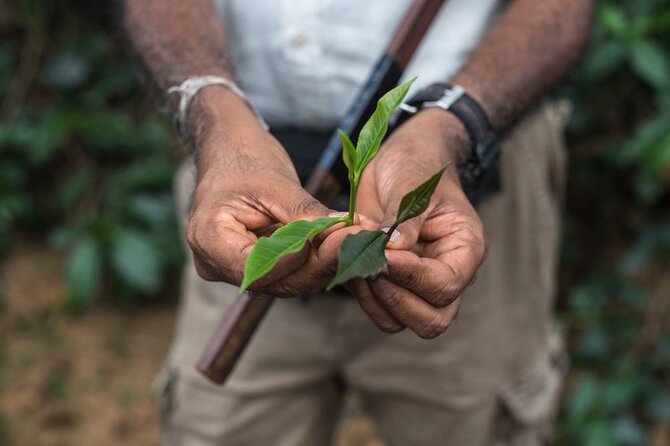
- Ayurvedic herbal garden visit: You’ll see herbs endemic to Sri Lanka and hear how people use them.
- Orthodox black tea, made locally: The factory visit focuses on how leaves are processed and turned into tea.
- Guided tasting with comparisons: Many tours include tasting several types of tea so you can spot differences fast.
- Ice tea during the garden walk: A welcome sip that helps you cool down and reset.
- Optional home-cooked meal in banana or lotus leaf: If you want the local feel, you can add it at the end.
- Small group size: Maximum 10 travelers means you’re more likely to get real attention.
First Look at Nandana Tea Factory in Akuressa
If you like travel that’s calm, curious, and grounded in everyday work, Nandana Tea Factory makes a strong first impression. The setting is in Akuressa, in Sri Lanka’s Southern Province, and the factory sits near the Nilwala Ganga—often called the Blue River. Even before the tea talk starts, the air and the plants tell you you’re in a living production space, not a museum set up for tourists.
Nandana also has a clear mission in its own words: authenticity, hospitality, and values. That shows in the way the tour is structured around people and plants, not just machinery. You’ll be guided through the property, moving from the Herbal Garden to the factory and then into tasting. It’s a simple path, and that matters, because tea is easier to understand when everything you learn is connected to the next step you see.
Another detail I appreciate: the experience is designed for both local and foreign tourists. That often means fewer awkward gaps and more “here’s why this matters” explanations, whether you’re a tea person or just someone who wants to drink better tea at home.
Herbal Garden and Ayurvedic Plants: What You’ll Actually Learn
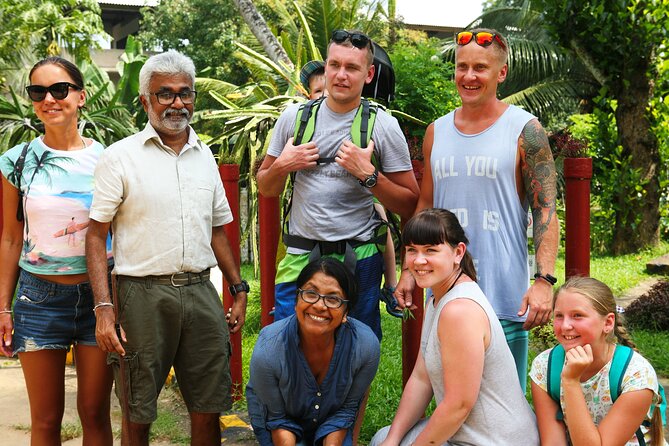
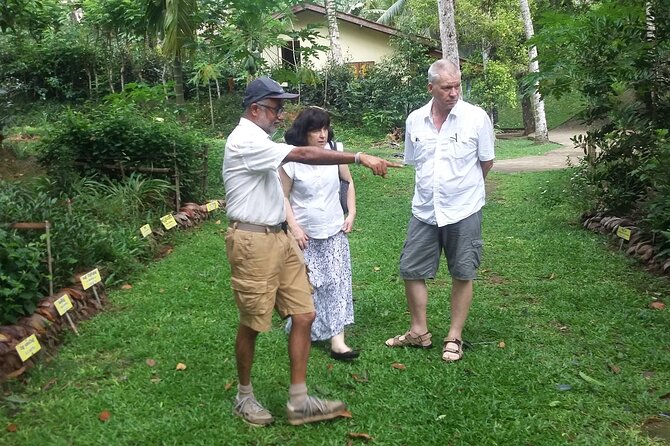
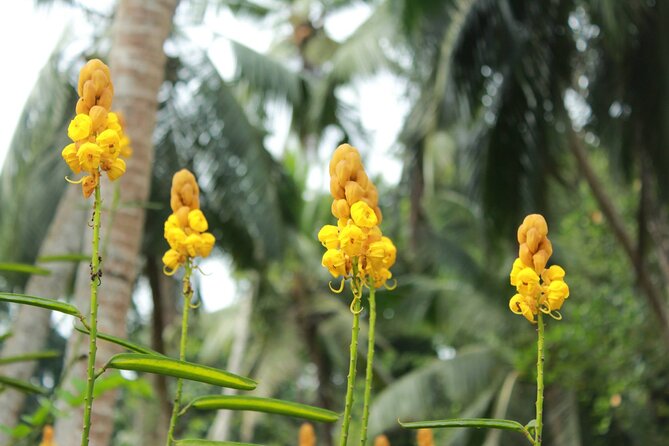
The experience kicks off with the Herbal Garden visit, and this is where the tour gains personality. You’re not only walking past plants—you’re learning what they are and how they fit into traditional uses. The garden is described as featuring Ayurvedic herbs endemic to Sri Lanka, which gives the explanations a sense of place.
Here’s why this part matters for you: tea isn’t just one crop. Tea grows in an ecosystem with other useful plants around it, and those plants help shape the whole way people think about flavor, health, and daily life. If you’ve only ever treated tea as something that comes in a box, this section helps you connect it to a wider world of cultivation and practical herbal knowledge.
From the experience description and what people highlight, the garden walk also includes hands-on interaction like smell-and-touch moments. Some guides also share practical uses of plants, and you might get a real-life example during your visit—one tour route included aloe vera being shown as a natural remedy for sunburn. Even if you don’t need that yourself, the point is the same: the explanations are meant to be useful, not just scenic.
And while it’s a walk, it doesn’t feel like a long trek. It’s paced for a short tour, and you also get a glass of iced tea during the garden part. That small break is smart. Sri Lanka’s warmth and humidity can turn “interesting facts” into “I’m melting,” so the iced tea helps you stay present.
Inside the Factory: Orthodox Black Tea From Leaf to Processing
Next comes the Nandana Tea Factory visit, where you finally get the answer to the big question most tea drinkers have: how does tea actually get made?
The factory is specifically tied to orthodox black tea production. That’s a big deal because orthodox tea processing and the styles that come out of it differ from many tea bags and mass-produced blends. Orthodox black tea is known for a particular leaf character and brewing behavior, and seeing the process in person helps you understand why certain teas taste the way they do.
You’ll also get historical context as part of the setting. Matara in southern Sri Lanka is described as an area known for fishing, diverse vegetation, paddy cultivation, architecture, and intellectual pursuits. Tea culture took a major step forward when D. A. Wanigasekara (1860–1955), one of the pioneer tea planters in this region, ventured into tea in 1910. That gives your factory visit more weight: you’re not just touring equipment; you’re seeing a production tradition that took root in the region over time.
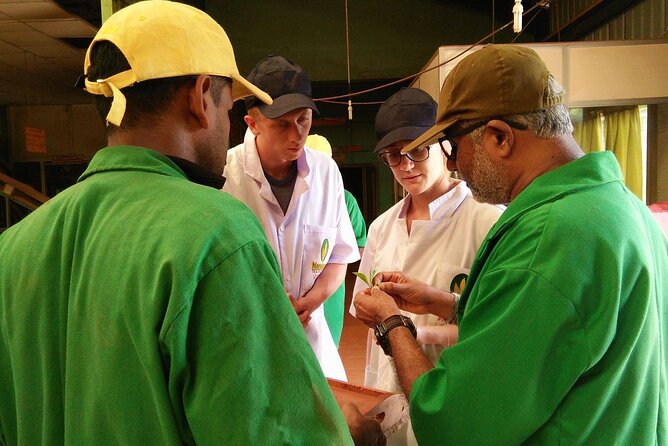
What’s most valuable for you at the factory stop is not the buzzwords. It’s the walkthrough of how tea leaves move through processing steps. When someone explains what gets done, why it’s done, and how it ties back to flavor, it turns “tea tasting” from a guessing game into something closer to a skill.
Also, Nandana presents itself as more than a factory tour. It’s described as part of estate and herbal garden visits, with tasting at the end. That linkage matters. When you understand the leaf and the processing, tasting becomes easier, and you’re more likely to buy the right tea later.
Tea Tasting Session: Learn to Compare Flavors Fast
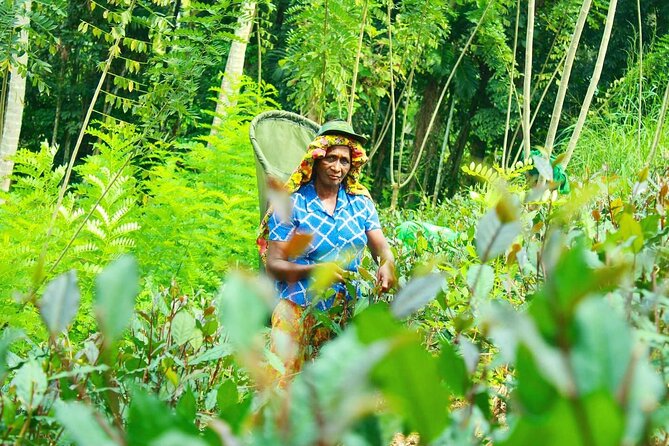
The tasting is the moment most people remember, and for good reason. Tea tasting is where you connect the garden and factory lessons to the cup in front of you.
One review highlight points to tasting seven different types of tea as part of the degustation. Whether your exact set is seven or another small range, the idea stays the same: you’ll sample multiple teas so you can compare. This is far more useful than a single sip of one tea while you’re still learning the basics.
Here’s a practical way to get the most from your tasting time:
- Pay attention to how the tea looks before you drink it (color and clarity).
- Notice aroma first, then sip slowly.
- Think in comparisons, not judgments. If one tea tastes stronger or more floral, try to link it back to what you learned from processing.
Also, because this experience starts with iced tea during the garden walk, you’re less likely to arrive at tasting with a “too hot to think” brain state. That makes it easier to actually learn the differences.
You may also notice that the tasting is guided in English, and hosts like Gunasoma (and his wife) have been credited with explaining the tour well. If your guide shares additional plant uses or production details while you taste, go with it—you’ll build a more complete mental picture that way.
Optional Meal: Banana or Lotus Leaf Wraps and a Local Way to Fuel Up
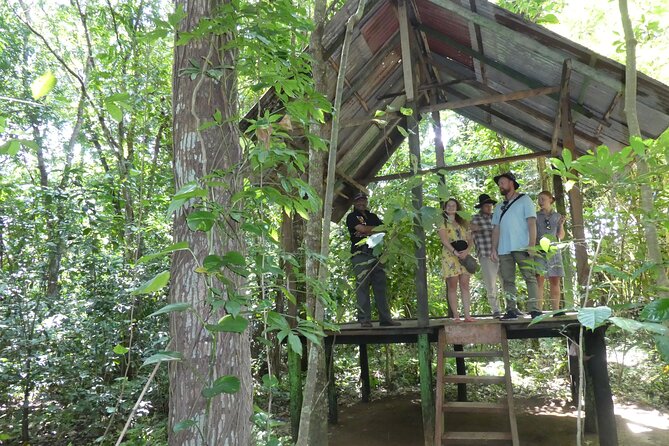
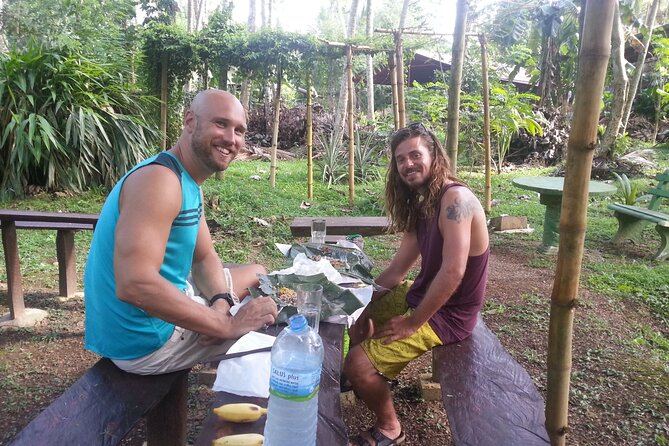
Lunch isn’t included in the base price, but there is an optional organic home-cooked meal at the end of the tour. If you choose it, the meal is described as being wrapped in banana or lotus leaf. That’s a real Sri Lankan touch and a nice follow-through to the plant-focused tone of the rest of the experience.
Even if you don’t care about tea food pairings, this meal option does something important: it slows the experience down. Two hours passes quickly, especially if it’s your first time in the area. Having a local meal at the end helps you absorb what you learned before you move on.
A few practical tips:
- If you get the meal, plan to stay relaxed. This is not a “grab and go” stop.
- If you’re sensitive to spice or prefer bland food, ask before ordering, since the tour describes it as home-cooked and organic, which can sometimes mean stronger flavors than tourist-friendly restaurants.
If you’re not sure whether to add the meal, treat it like value shopping. The tea experience itself includes tasting and drinks; the meal is your upgrade for a more complete cultural stop.
Price and Value: Is $78 a Fair Deal Here?
At $78 for about two hours, this tour sits in the “worth it if you care about quality” category. You’re not paying just for a view. You’re paying for:
- a guided herbal garden visit,
- access to the tea factory tour,
- and a guided tea tasting session,
- plus coffee and/or tea, including iced tea during the garden part.
That’s already more than many short tours that only offer a walkthrough and a single tasting. The small group size—maximum 10 travelers—also helps justify the price. In a crowd, tastings turn rushed. Here, the experience is structured to keep it interactive.
Then there’s a detail that can make this feel like a smarter deal if you buy tea: the experience notes that if you purchase tea at the end of the tour, purchases up to USD 39 will be free. The wording is direct, and if that offer applies at checkout the way it’s described, it can offset part of the tour cost.
Of course, you don’t have to buy anything. But if you’re the type who wants a few teas to bring home and you like the idea of paying for tea you tasted, this offer changes the math.
Getting the Timing Right in a Short 2-Hour Plan
This experience runs within set opening hours: 9:30 AM to 4:30 PM, daily. Since the tour is about two hours, timing matters. If you arrive too late in the day, you may feel rushed at the end, especially if you add the optional meal.
Also, the experience depends on good weather. Tea property visits and garden walks don’t pause because it’s inconvenient, so plan for a day where you can stay flexible if the weather shifts.
Since it ends back at the meeting point, you can treat it as a half-day anchor. If you’re building your Sri Lanka route, this is a good fit after a morning in nearby towns or before you shift toward beach time along the southern coast.
One last practical point: the meeting point is at Nandana Tea Factory (Pvt) Ltd in Akuressa 81400. The tour description also notes it’s near public transportation, which can help if you’re not traveling with a private driver.
Who Should Book This Tea Walking Tour, and Who Might Skip It
You’ll love this if you want tea to feel real—grown, processed, and explained by people who work with it daily. It’s also a good choice if you’re curious about herbal plants and traditional uses, because the tour starts in the Herbal Garden before it ever gets to tasting.
It’s especially suitable for:
- first-time tea learners (the tasting and comparison format helps),
- people who like small-group tours,
- and anyone who wants a calm break from busier tourist circuits.
You might consider a different option if you only want a quick photo stop. This isn’t built around scenery alone. It’s built around learning and tasting, so you’ll want to engage with the guide and the process.
Should You Book Nandana Nandana Tea Experiences?
If your idea of a great Sri Lanka day includes tea, plants, and guided comparisons, I think this one earns a spot. The combination of herbal garden education, a look at how orthodox black tea is processed, and a guided tasting makes the time feel justified. Add the optional banana or lotus leaf meal if you want the full local reset at the end.
One way to decide quickly: ask yourself whether you want to come away with better tea knowledge and possibly tea you’ll actually brew at home. If yes, this tour fits nicely.
If you’d rather spend your time on beach views or bigger landmark stops, you might not get your money’s worth. But if you choose tea as your focus for a couple hours, Nandana is the kind of place that turns tea drinking into something you can talk about.
FAQ
How long is the Nandana Tea Walking Tour?
It’s listed as about 2 hours.
What does the $78 price include?
An admission ticket is included, and you’ll have access to coffee and/or tea. The description also mentions iced tea during the garden tour.
Is lunch included?
Lunch isn’t included in the package price. An optional organic home-cooked meal is available at the end of the tour.
Where is the tour meeting point?
You start at Nandana Tea Factory (Pvt) Ltd, Nandana Tea Factory, Akuressa 81400, Sri Lanka.
How many people are in a group?
The tour has a maximum of 10 travelers.
What happens if weather is poor?
The experience requires good weather. If it’s canceled due to poor weather, you’ll be offered a different date or a full refund.