REVIEW · HIROSHIMA
Hiroshima: Spring Hiking Tour with Open-air Tea Ceremony
Book on GetYourGuide →Operated by MyJapan · Bookable on GetYourGuide
A mountaintop tea break beats a city tour. This 3-hour Hiroshima hiking experience climbs Futaba Mountain from near Hiroshima Station and pays you back with morning views, an outdoor matcha tea ceremony, and calm forest bathing time in the trees. I particularly love the way the guide weaves shrine culture into the hike, and how the tea moment turns a steep climb into something slow and memorable. The main drawback is simple: it’s a stair-heavy route with about 500 steps, so it’s not a “stroll.”
You’ll walk a tight circle of sacred spots—Hiroshima Toshogu Shrine, Kinko Inari Shrine, and a viewpoint at the Peace Pagoda—without feeling rushed. Guides like Nana and Michiyo are praised for clear explanations and patience, and they tend to keep the pace comfortable with breaks for photos and reflection.
Practical note up front: this tour is small-group (up to 6) and starts from Hiroshima Station, so you won’t rely on hotel pickup. Comfortable shoes matter, and if you have heart issues, this isn’t listed as suitable.
In This Review
- Key highlights at a glance
- Finding your guide at Hiroshima Station, before the uphill begins
- Futaba Mountain hike: the 500 steps that set the tone
- Hiroshima Toshogu Shrine: traditional architecture on the route
- Kinko Inari Shrine trail: a climb that turns scenic fast
- Peace Pagoda viewpoint: Hiroshima, Seto Inland Sea, and Miyajima in one frame
- Nodate open-air tea ceremony: green tea made outside
- Forest bathing on the mountain: sensory calm after the stairs
- Price and value: where $116 makes sense
- Timing, pace, and what to expect from start to finish
- What to bring (and what to skip) for this Hiroshima morning
- Who should book this tour, and who should choose something else
- Should you book the Hiroshima Spring Hiking Tour with Open-air Tea Ceremony?
- FAQ
- Where do I meet the guide, and where does the tour end?
- How long is the tour?
- Is the hike difficult?
- What happens during the open-air tea ceremony?
- What is forest bathing like on this tour?
- Is breakfast included?
- What’s included besides the guide and activities?
- What should I bring, and what’s not allowed?
- How big is the group, and what languages are available?
- Can I get a full refund if plans change?
Key highlights at a glance
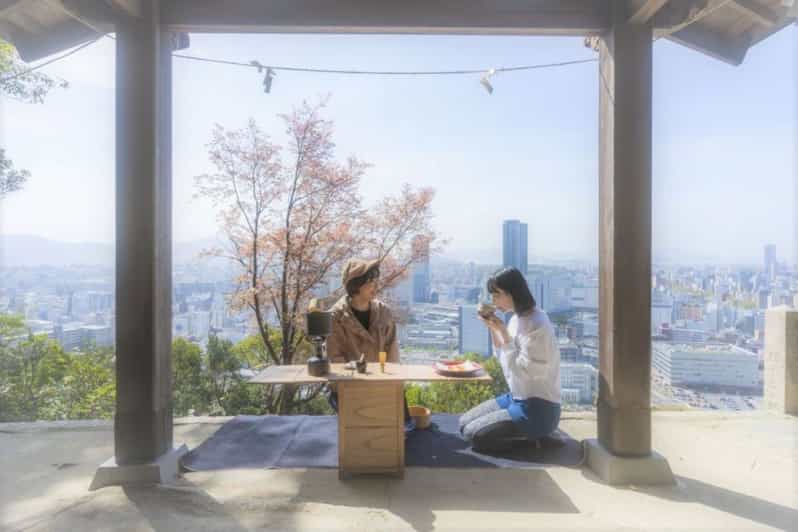
- 500-steps, viewpoint payoff on Futaba Mountain with Hiroshima spread below
- Open-air tea ceremony (Nodate) with green tea made outdoors
- Forest bathing as a sensory meditation, not a swim
- Shrines with guided context: Hiroshima Toshogu Shrine and Kinko Inari Shrine
- Peace Pagoda photo stop plus skyline views toward Seto Inland Sea and Miyajima
- Small group energy with plenty of time for questions and pictures
Finding your guide at Hiroshima Station, before the uphill begins
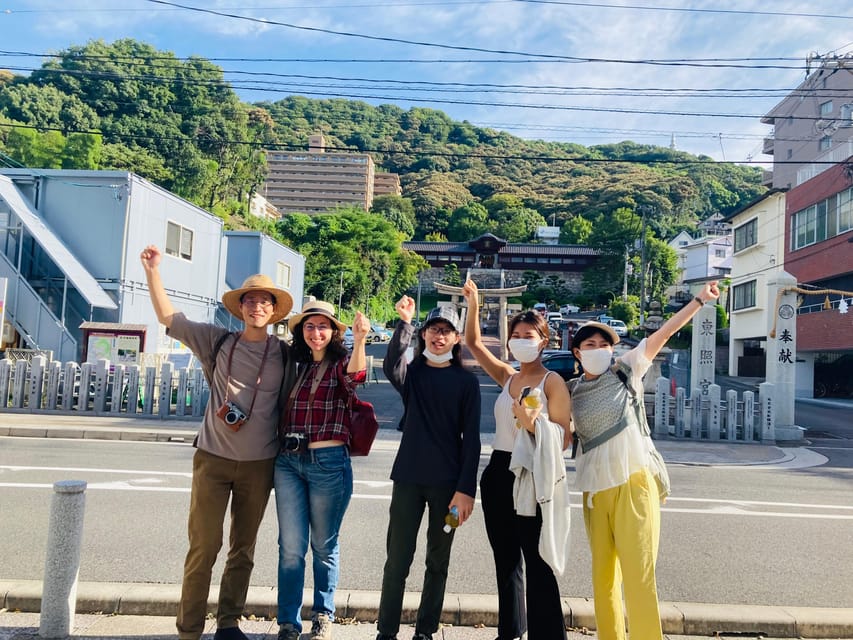
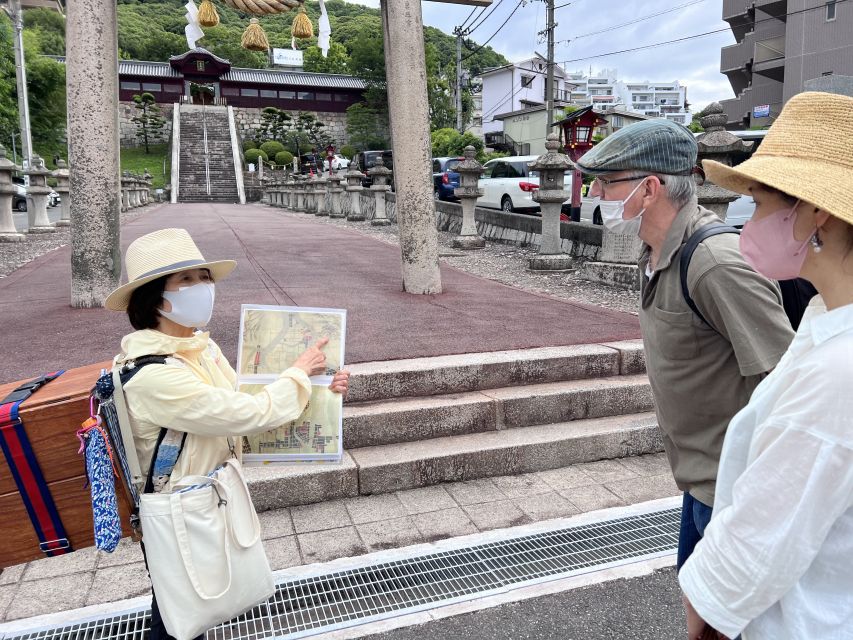
You’ll meet your guide at the deck on the 2nd floor of Hiroshima Station, in front of the Shinkansen North Exit. It’s an easy starting point if you’re already using the station as your base, and it helps keep the morning simple: no complicated transfers, just walk-on and go.
This tour is designed for early movement. You’ll head out while the air is still cool and the light is gentler for the views. That matters because once you start climbing, you’ll want your body to feel good before you hit the 500-step portion.
Also, expect a small group vibe. With a maximum of 6 participants, you’re more likely to get direct answers from your guide (English and Japanese are both offered), rather than hearing information shouted over everyone.
You can also read our reviews of more tours and experiences in Hiroshima.
Futaba Mountain hike: the 500 steps that set the tone
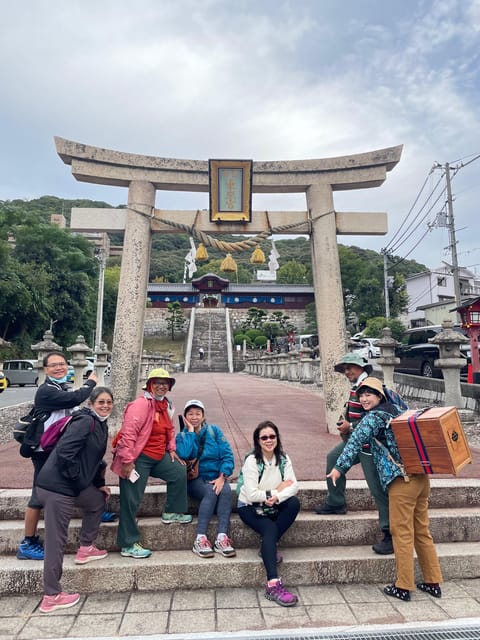
The hike is centered on Futaba Mountain, close to Hiroshima Station. You’re walking up through forested areas and shrine grounds, with several structured stops so the day doesn’t turn into one long grind.
Here’s the honest part: you need to go up 500 steps. Reviews and the tour details both point to steep stair sections and a “get your legs ready” feel. If you’re used to uneven streets and stairs, you’ll probably be fine. If not, you’ll still enjoy it, but you’ll want to slow your pace and let the breaks work for you.
One nice touch is that the tour doesn’t just say walk and suffer. You reach viewpoints, you get time for photos, and you end up with a tea ceremony and forest bathing that effectively act like recovery moments.
Hiroshima Toshogu Shrine: traditional architecture on the route
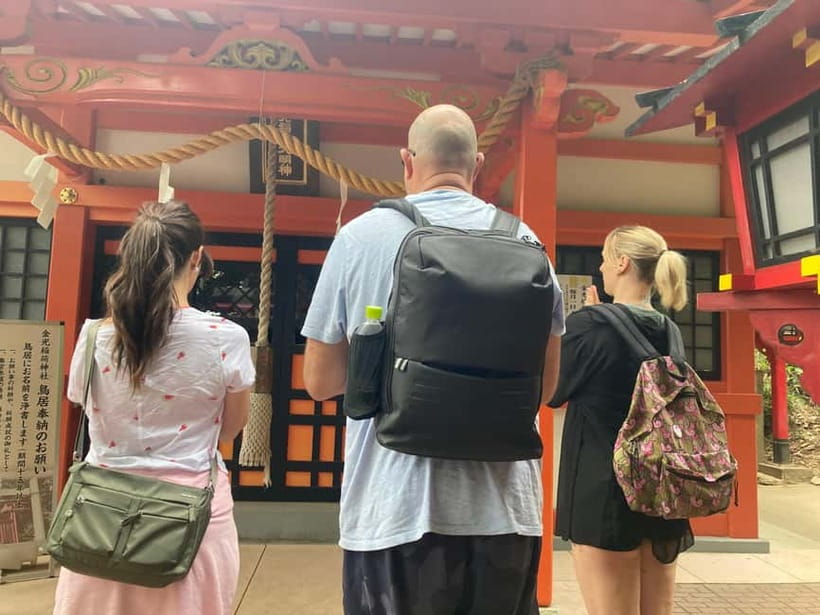
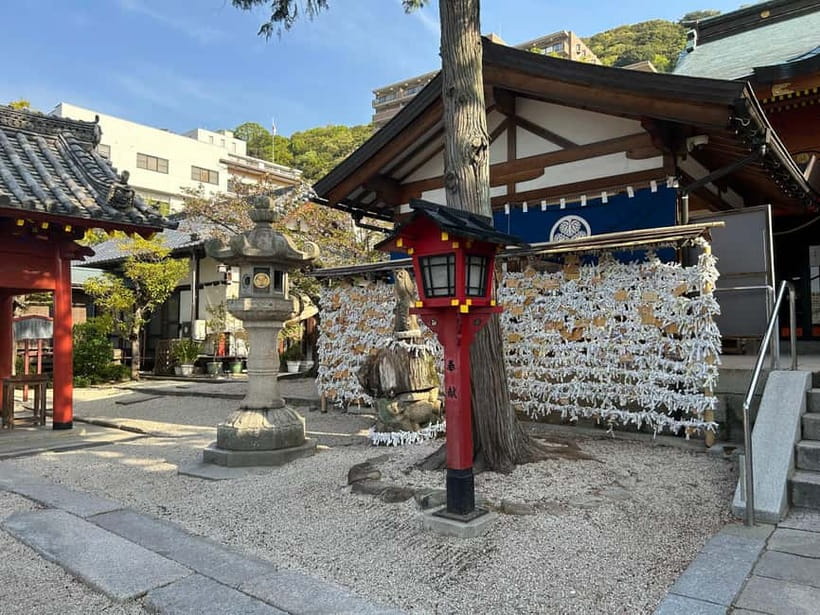
One of your first guided stops is Hiroshima Toshogu Shrine, with about 30 minutes there for visit and sightseeing. This isn’t just a quick glance at a gate and done. The guide shares cultural context and points out details around the shrine buildings and grounds.
What I like about starting with Toshogu is that it frames the rest of the hike. You’re not hiking “to hike.” You’re moving through places that are part of how Japanese religious and cultural life shows up in everyday spaces.
Even better, you’ll likely learn the kind of small, practical things that make visiting shrines feel less mysterious. People mention explanations, clear guidance, and time to look around rather than being rushed past.
Kinko Inari Shrine trail: a climb that turns scenic fast
After Toshogu, you head to Kinko Inari Shrine. The route includes a trek through the mountainside area, with about 25 minutes of walk time for the shrine visit and sightseeing segment.
This section is the “in-between” portion of the tour—less dramatic than a single big viewpoint, but it’s where the character of the morning really kicks in. You’re moving from one sacred point to another, surrounded by greenery and changing angles of Hiroshima in the distance.
Since Kinko Inari is part of the mountainous approach, it also helps set up the next big moment: the viewpoint area where you’ll pause for the Peace Pagoda views.
Peace Pagoda viewpoint: Hiroshima, Seto Inland Sea, and Miyajima in one frame
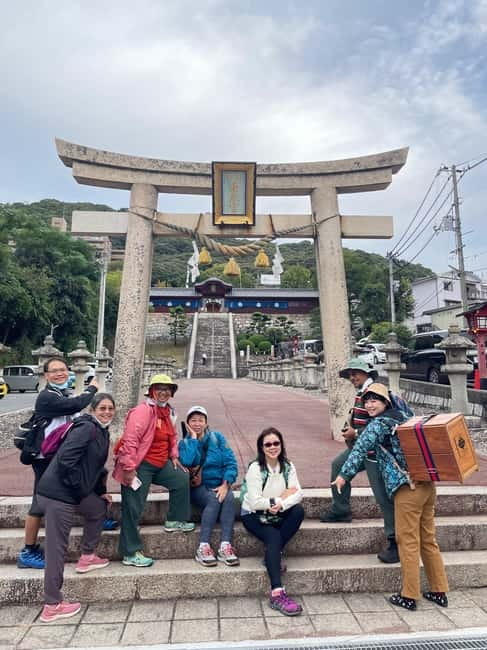
Your trip includes a stop at the Hiroshima Peace Pagoda area, including a photo stop, sightseeing, and a guided element with about 35 minutes total. From this height, the payoff is the big panoramic look: Hiroshima City, the Seto Inland Sea, and Miyajima are the key scenery targets.
The viewpoint is a great place to breathe and reorganize your energy. This tour is active, but it’s not only about movement. At the top, the day shifts into “notice what you’re actually standing in,” and the guide’s explanations help you connect what you see to the places you visited earlier.
If you want good photos, plan to slow down here. People mention having enough time for pictures, not just a quick stop. You’ll also appreciate the extra time before and after the tea segment, because the schedule isn’t purely linear sprinting.
Nodate open-air tea ceremony: green tea made outside
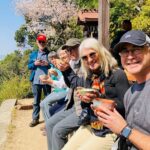
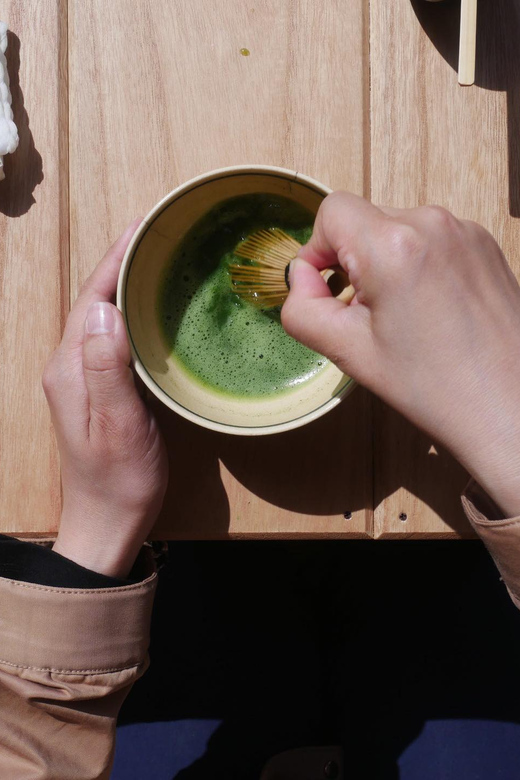
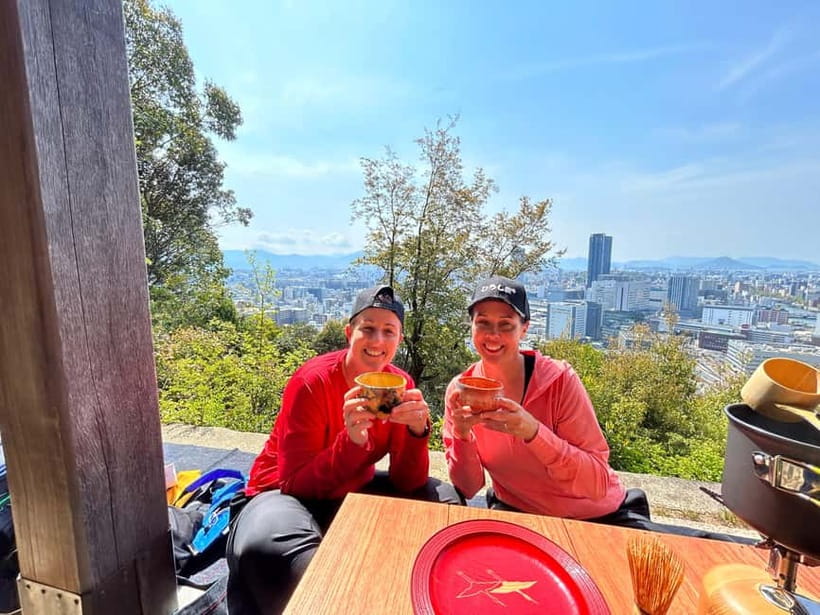
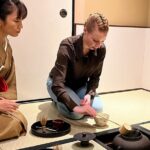
This is one of the signature parts of the experience: an open-air tea ceremony called Nodate, held outdoors as part of your mountain day. The guide makes the green tea outdoors, so you’re not sitting in a traditional indoor tea room setting.
From my perspective, that’s the point. You’re doing tea ceremony culture in context—weather, light, sounds of the mountain, and the view in front of you. Reviews highlight how guides (including Nana and Michiyo) explain the ceremony clearly and even help participants practice the steps so it’s not just watching.
The tea ceremony segment also includes a longer break at the Kinko Inari Shrine area, with tea and time for reflection and photos. One review notes small sweets alongside the tea, which fits the idea that this isn’t only about the drink—it’s about a calm pause after effort.
Dress for the outdoors. Even in spring, you’ll feel the morning air. Bring a layer if you run cold, and keep your water-sipping routine sensible, because the hike will warm you up more than you expect once you’re climbing.
Forest bathing on the mountain: sensory calm after the stairs
Then comes forest bathing, which you’ll want to treat as a mental switch, not an extra workout. One reviewer clarified it felt more like a sensory meditation session than what they expected, and that’s consistent with how forest bathing is usually framed: you use your senses to slow down and pay attention.
What’s smart here is that it lands after the tea. Tea relaxes you, and forest bathing gives you structure for that relaxation. Instead of eating your way into comfort or collapsing, you get guided prompts that help you settle.
This part is especially helpful if you want Hiroshima beyond its famous landmarks. You’re still in Hiroshima, but you’re seeing it through a quieter lens—trees, sound, and breath—while the guide helps you connect the experience to place.
Price and value: where $116 makes sense
At $116 per person for a roughly 3-hour outing, this isn’t a bargain-basement activity. But it’s also not just a guided walk with a photo stop.
You’re paying for:
- A guide for shrine history and route context (English and Japanese available)
- An open-air tea ceremony as a structured cultural moment
- Forest bathing time with guidance
- A small group size (up to 6), which helps you actually interact
- Optional breakfast if that option is selected
So the value equation is less about “miles walked” and more about “what you’re doing with the time.” The day blends physical activity, cultural learning, and a calm reset. If you like experiences where you come away with both photos and understanding, this price can feel fair.
If you only want viewpoints and don’t care about tea or guided shrine context, you might find a simpler hike elsewhere. But if you’re after the mix—views plus ceremony plus mindful nature—the structure justifies the cost.
Timing, pace, and what to expect from start to finish
Plan to start early, because the tour is designed around morning air and light. You’ll move from Hiroshima Station to Toshogu Shrine, then to Kinko Inari, and keep climbing toward the Peace Pagoda viewpoint.
The schedule includes multiple stops so you’re not walking continuously. You’ll have time at shrines, a viewpoint photo window, and then the tea ceremony with a longer break. After that, the forest bathing session gives you a “cool down” that feels intentional.
Even so, be prepared: the tour may run a bit long. One review noted it can go over 3 hours. That’s not a reason to panic, but it is a reason to keep your next plans flexible.
What to bring (and what to skip) for this Hiroshima morning
This is simple gear, but it matters.
Bring:
- Comfortable shoes for steep steps and uneven surfaces
Skip:
- Alcohol and drugs are not allowed
If you’re sensitive to cold mornings, consider a light layer. You’re outdoors for tea and nature time, and spring weather can shift quickly once you’re up on the mountain.
Also, pack a phone and charger. You’ll want photos at the Peace Pagoda viewpoint, and you’ll likely appreciate extra picture time during shrine stops.
Who should book this tour, and who should choose something else
This tour makes the most sense for you if you want a Hiroshima experience that isn’t only about major memorial sites. You’ll get:
- Cultural context from shrine visits
- A high, airy viewpoint over the city and water
- A distinctive open-air tea ceremony
- A guided nature practice in the form of forest bathing
It’s also a good fit if you like small-group guiding. Reviews repeatedly mention patient, passionate guides—people such as Nana, Michiyo, Naomi, Mimi, and Michi. That matters because you’ll likely have questions, and you’ll be able to ask them.
Avoid or rethink if:
- You have heart problems (it’s not suitable as listed)
- You can’t comfortably handle 500 steps
If you’re an early riser who can handle stairs and you love mixing culture with a bit of exertion, this is one of the more memorable ways to spend a morning near Hiroshima Station.
Should you book the Hiroshima Spring Hiking Tour with Open-air Tea Ceremony?
If you want a practical, meaningful morning in Hiroshima—one that combines Futaba Mountain views, shrine stops, and a real tea ceremony outdoors—I’d book it. The small group size and the structured stops make it feel like more than a workout with pretty scenery.
Skip it only if you’re looking for an easy walk, or if the idea of steep steps is a dealbreaker. Otherwise, this is exactly the kind of day that turns Hiroshima from a list of places into a sequence you can feel: climb, pause, sip, and breathe.
FAQ
Where do I meet the guide, and where does the tour end?
You meet your guide at the deck on the 2nd floor of Hiroshima Station, in front of the Shinkansen North Exit. The tour ends back at the same meeting point.
How long is the tour?
The tour runs for about 3 hours. Starting times vary based on availability.
Is the hike difficult?
You need to go up 500 steps. It’s described as not suitable for people with heart problems, and the route includes steep stair sections.
What happens during the open-air tea ceremony?
You’ll take part in the Nodate open-air tea ceremony, where your guide makes green tea outdoors as part of the mountain experience.
What is forest bathing like on this tour?
Forest bathing here is guided nature time designed for sensory calm and relaxation. It’s not described as swimming; it’s more like a sensory meditation-style experience.
Is breakfast included?
Breakfast is included only if you select the option for it. The tour includes the guide, open-air tea ceremony, and forest bathing regardless.
What’s included besides the guide and activities?
The tour includes the open-air tea ceremony and forest bathing with a live guide. Breakfast may be included depending on the option you choose.
What should I bring, and what’s not allowed?
Bring comfortable shoes. Alcohol and drugs are not allowed.
How big is the group, and what languages are available?
The group is limited to 6 participants. Guides offer Japanese and English.
Can I get a full refund if plans change?
Yes. The tour offers free cancellation up to 2 days in advance for a full refund.