REVIEW · HIROSHIMA
Cultural Activities :Kimono, tea ceremony, Calligraphy and Amulet
Book on Viator →Operated by Okeiko Japan · Bookable on Viator
One setting, three real Japanese traditions: calligraphy, tea, and an amulet. It all happens in and around Tokuju-ji Temple in Miyajima, where you’ll also get the fun bonus of wearing a provided kimono while you learn.
I love how this experience bundles three separate skills into one smooth 2-hour block, so you’re not burning a day hopping between studios. I also like the small, practical touch that your teachers take photos during the lessons and send them to you by email, which makes the whole thing feel like a keepsake rather than just a class.
The only catch to consider is the pace. With three activities packed into about 2 hours, you’ll learn the essentials (and do the main steps yourself), but it’s not the kind of long, slow tea or calligraphy session where you can perfect every stroke.
In This Review
- Key things that make this Miyajima culture class worth your time
- Stepping into Tokuju-ji: kimono time in a temple garden
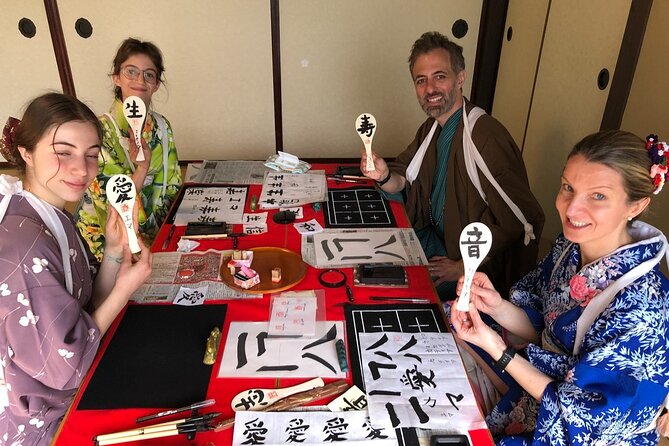
- Calligraphy your name: Japanese lettering, stroke by stroke
- Tea ceremony at the temple: matcha, manners, and attention
- Amulet making: the meaningful souvenir you actually keep
- How the temple setting connects Buddhism, culture, and everyday practice
- Value check: why one price for three lessons works
- Timing, pacing, and what to do before you go
- Who this experience suits best (and who might want something else)
- Should you book Okeiko Japan’s Miyajima kimono culture combo?
- FAQ
- Is this experience at a temple in Miyajima?
- What cultural activities are included?
- Do I get to wear a kimono?
- How long does the experience take?
- Does the experience include photos?
- What’s the minimum age?
- Is there a group size limit?
- What do I need to bring or plan for?
Key things that make this Miyajima culture class worth your time
- Kimono + apron for the full experience, not just a quick photo-op
- Name calligraphy so you walk away with something personal you can actually use
- Tea ceremony training with hands-on time (including matcha prep if you want it)
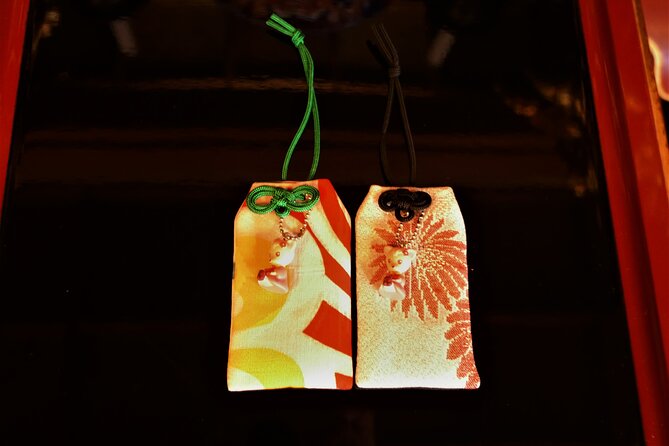
- Amulet-making for a tangible souvenir with meaning, not mass-produced craftwork
- Temple-garden setting in a centuries-old place, not a storefront classroom
- Group size capped at 10, which helps keep attention on you
Stepping into Tokuju-ji: kimono time in a temple garden
This experience is centered on Tokuju-ji Temple in Miyajima, a place with real spiritual context behind the calm gardens. The temple dates back about 300 years, and it’s part of the Soto-syu school of Buddhism. That matters, because you’re not just dressing up for a theme tour. You’re learning in the kind of environment that explains why these traditions exist in the first place.
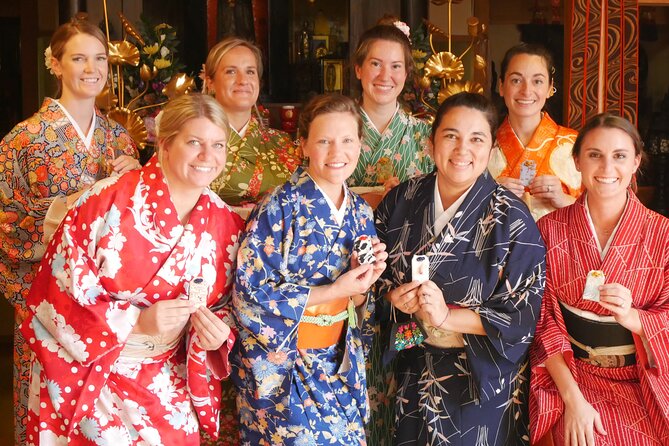
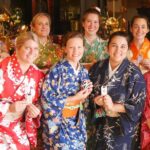
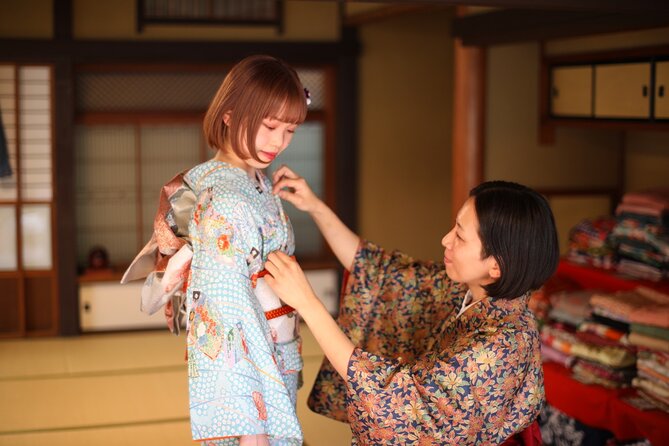
Before the lessons get rolling, you’ll put on the provided kimono and a traditional apron. This is one of the best ways to experience Japanese culture that people often skip: instead of only watching, you wear the clothing and move with the rhythm of the setting. The reviews also highlight how nice it feels to get commemorative photos while you’re in the kimono, especially if you arrive a little early and can settle in before the class begins.
One special detail here is the temple’s main Buddha, Kinseki jizo, associated with protection for children and pregnancy. There’s also an old story tied to that image: an old couple wished for a baby, prayed to Jizo, and later received a healthy boy. In a short cultural lesson, hearing that kind of story gives you a better reason to pay attention.
You can also read our reviews of more tours and experiences in Hiroshima.
Calligraphy your name: Japanese lettering, stroke by stroke
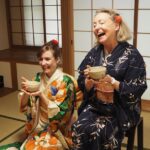
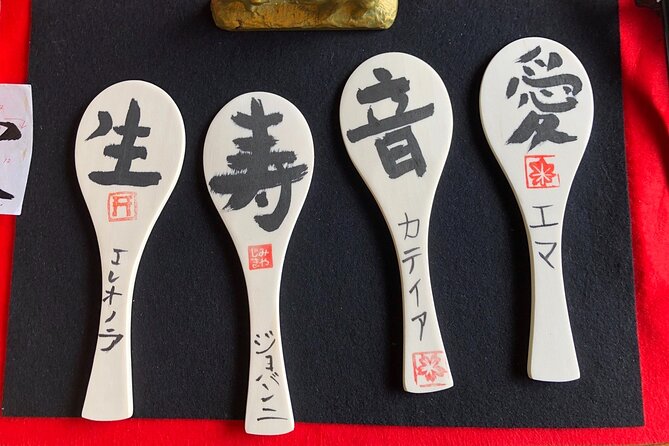
The calligraphy portion is about learning how to write your name in Japanese-style script. In practice, this usually means you’re working with the basic forms your teacher demonstrates, then copying with your own hand so your result looks intentional rather than random practice marks.
What I like about name calligraphy is that it’s immediately useful. You’re not waiting until you get home to “maybe try calligraphy again.” You’ll finish with something that feels like it belongs to you, because it literally includes your name. If you’ve never done calligraphy before, this is also a confidence builder. Teachers guide you through the motions, and you learn that good calligraphy is less about artistic talent and more about controlled movement.
Since this is happening in a temple setting, you’ll likely find the atmosphere nudges you to slow down. That’s where calligraphy becomes more than a craft. You start noticing posture, breathing, and the way small decisions (like where you place pressure) change the outcome.
A practical note: because the whole experience is only about 2 hours total for three activities, you should expect a focused introduction rather than deep practice. If you’re hoping for a multi-hour calligraphy marathon, this may feel short. But if your goal is to learn the basics well and leave with a personal piece, it hits a sweet spot.
Tea ceremony at the temple: matcha, manners, and attention
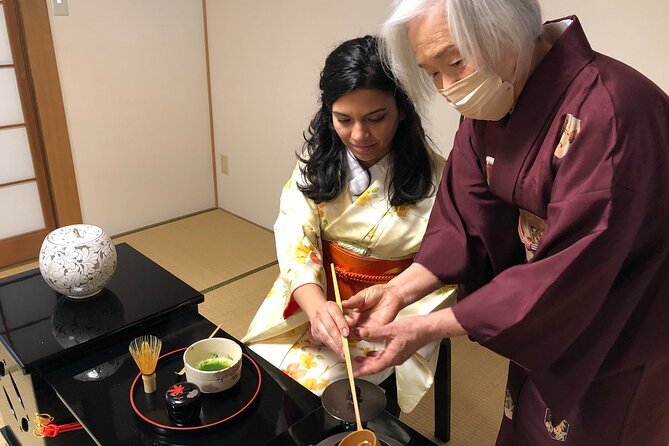
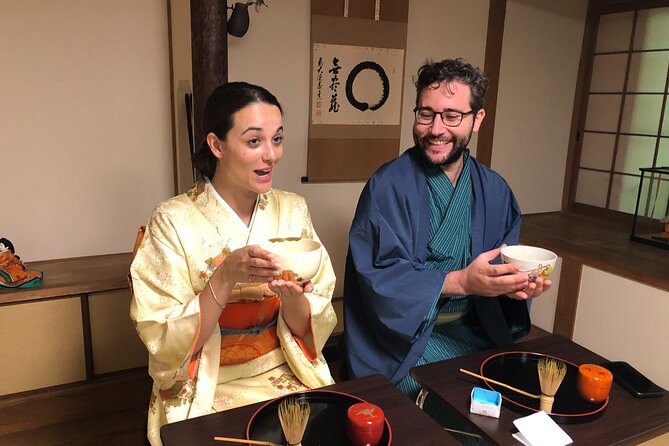
The tea ceremony segment is roughly half an hour and focuses on how tea is prepared and served in a traditional setting. Even when you only have a short lesson, tea ceremony training is valuable because it’s not just about taste. It’s about sequence, timing, and respectful gestures.
If you’ve never done a tea ceremony before, you may be surprised by how much of it is about careful order—doing each step on purpose. The reviews specifically mention matcha preparation, so you can expect some hands-on time rather than watching from the sidelines.
Here’s what you should watch for as you learn: the small pauses and the way teachers explain what each action is for. When you understand that, the ceremony stops feeling like a “performance” and starts feeling like a method for slowing your mind down. That makes it a great break in a travel schedule that’s usually full of walking, checking tickets, and snapping photos.
Also, because you’re inside a temple environment with gardens nearby, you’re not stuck in a rushed studio. You get a sense of why tea ceremony traditions often live alongside quiet religious spaces. That context is hard to recreate on your own later.
Amulet making: the meaningful souvenir you actually keep
The third activity is making an amulet. This is the one many people don’t expect, and it’s also one of the reasons the experience feels distinctive. Standard souvenir shops sell charms, sure. But amulet-making as an activity gives you a story and a purpose that’s tied to the ceremony atmosphere you experienced earlier.
In the amulet-making segment, you’ll learn what goes into the charm and create one yourself with guidance. The reviews call out that amulet making isn’t offered in many places in Japan, which is a big part of the value here. It’s not just “another craft.” It’s a way to bring home something you made as part of a traditional setting.
What makes this especially good for travelers is that the amulet is small and easy to pack. And it’s meaningful enough that you’ll actually want to keep it accessible in your home or travel bag rather than bury it in a drawer.
As with the other activities, the time is short. So you won’t become an amulet-making expert. But you will leave with a finished product and the feeling that you participated in something traditional, not just purchased a decorative token.
How the temple setting connects Buddhism, culture, and everyday practice
Miyajima is famous for Itsukushima Shrine, and the area’s religious tradition influences the kind of items and atmosphere you notice around temples too. In this experience, that connection shows up in a subtle way: the temple is Buddhist, but the setting reflects the broader Miyajima spiritual landscape, where you can sometimes spot things that would normally be associated with shrine traditions.
That blend is part of why cultural experiences like this are so effective. You’re seeing how religion shapes daily aesthetics, from the way garments are worn to the calm structure of tea ceremony and the symbolic intention behind amulets.
Also, remember that the temple’s focus includes protection for children and pregnancy through Kinseki jizo. So when you’re making an amulet and listening to the temple context, it’s not random decoration. It’s tied to a real belief system and a long memory.

Value check: why one price for three lessons works
At $171.73 per person, this isn’t a bargain-basement activity. But for your money, you’re paying for three different cultural workshops, a kimono fitting experience, and a setting that’s hard to replicate on your own without local help.
Here’s the value logic I’d use if you’re deciding whether to book:
- You save time: three lessons in one 2-hour window beats scheduling multiple experiences across different locations.
- You get guidance: calligraphy and tea ceremony are the kind of things where doing it wrong looks obvious. Having a teacher keep you on track matters.
- You get a tangible set of takeaways: a calligraphy result and an amulet, plus photos sent by email.
- You get the atmosphere: learning in a centuries-old temple garden changes the feel compared to a class held in a mall studio.
One more practical benefit: the group size is limited to 10 travelers. That usually means you’re not stuck competing for attention. And since you’re doing hands-on activities, smaller groups typically make it easier to get your questions answered.
If you’re the type of traveler who likes structured cultural stops rather than roaming for “maybe something interesting,” this format fits you well.
Timing, pacing, and what to do before you go
This experience runs about 2 hours and includes an admission ticket portion (listed as 20 minutes). Since the program takes place at the temple with lovely gardens, your arrival timing can affect how relaxed you feel.
If you can, aim to arrive early enough to settle into the location and get photos without stress. The reviews mention people who arrived a bit early to wear kimono first and get garden photos. That kind of head start makes the rest of the lessons feel more natural.
Also, plan to treat the day lightly around this time. When you’re in kimono, you’ll want comfortable shoes for walking in transit areas outside the lessons, but within the class you’re already in the traditional outfit routine. If your schedule is packed with long hikes immediately before, you might feel rushed.
Language tip: even if you don’t speak Japanese, hands-on cultural lessons tend to be visual. Still, listen carefully when the teacher demonstrates posture and sequence—those are the parts that lead to a good result.
Who this experience suits best (and who might want something else)
This is a great fit if you want a fast, high-quality cultural snapshot of Japan in one sitting. It’s also good for couples or friends who want shared activities, plus solo travelers who appreciate small-group attention.
It’s suitable for most travelers, and there’s an age minimum of 6, with children needing an adult along with them. So if you’re traveling as a family with kids old enough to participate, it can be a meaningful alternative to another “look and move on” sightseeing stop.
Where it may not fit as well is if you’re seeking deep mastery. Three activities in two hours means you’ll learn the basics and do the main steps, but you won’t spend hours refining calligraphy or doing multiple tea rounds. If you already know you love tea or calligraphy and want a longer practice session, you might prefer a longer workshop.
Should you book Okeiko Japan’s Miyajima kimono culture combo?
I’d book this if you want a compact, teacher-led way to experience multiple Japanese traditions in a real temple setting. The biggest reasons are the kimono + apron experience, the hands-on calligraphy that gives you something personal to take home, and the fact that you’re not just making an amulet—you’re making it as part of a meaningful temple visit.
If your calendar is tight and you want quality without juggling three separate bookings, this combo is a smart use of time. If you hate feeling rushed, then you’ll need to manage expectations: treat it as an introduction that leaves you with souvenirs and memories, not as a long, slow workshop.
FAQ
Is this experience at a temple in Miyajima?
Yes. The lessons take place at Tokuju-ji Temple in Miyajima, and the experience includes temple admission time.
What cultural activities are included?
You’ll take part in Japanese calligraphy, a tea ceremony, and amulet making.
Do I get to wear a kimono?
Yes. You wear a provided kimono and a traditional apron during the lessons.
How long does the experience take?
It runs for about 2 hours (approx.) total.
Does the experience include photos?
Yes. The teachers take photos during the lessons and send them to you via email.
What’s the minimum age?
The minimum age is 6, and children must be accompanied by an adult.
Is there a group size limit?
Yes. The tour/activity has a maximum of 10 travelers.
What do I need to bring or plan for?
You’ll use a mobile ticket, and the meeting point is at Okeiko Japan Miyajima (741-1 Miyajimachō, Hatsukaichi, Hiroshima). The activity is near public transportation.