REVIEW · KYOTO
Tea ceremony and kimono experience at Kyoto, Tondaya
Book on Viator →Operated by 冨田屋 · Bookable on Viator
A kimono and matcha in a real Kyoto house. I like that this experience happens in a working-style historic machiya townhouse at Tondaya–Nishijin Japanese Cultural Experience Museum, not in a big showroom. You’ll get fitted in a silk kimono, explore the wooden rooms, and then watch (and drink) a traditional tea ceremony with clear guidance.
I also love the fact that the house itself is part of the show. You’re shown seasonal details in the rooms, you can take photos around the property in kimono, and the tea moment is staged in a way that makes you slow down and pay attention. One consideration: it’s usually conducted in a group, and the seating/visibility can feel tight if the group is large, so the private option can be worth it if you hate crowd energy.
In This Review
- Key things to know before you go
- Arriving at Tondaya: what the machiya experience feels like
- Kimono fitting: silk, speed, and what to wear underneath
- Touring the townhouse: the house is part of the lesson
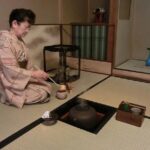
- The tea ceremony: matcha, sweets, and the pace you should expect
- Group vs private: when the room feels small
- Price and value: is $178.34 actually a fair deal?
- Practical planning: socks, timing, and finding the townhouse
- Who should book this (and who should skip it)
- Should you book Tondaya’s tea ceremony and kimono?
- FAQ
- What is included in the Tea ceremony and kimono experience at Kyoto, Tondaya?
- How long does the experience take?
- Do I get to wear a kimono?
- Do I need to bring socks?
- Are geta traditional sandals included?
- Where does the tour start?
- Is this experience in a group or private?
- Can I take photos during the visit?
- Is lunch included?
- Is free cancellation available?
Key things to know before you go
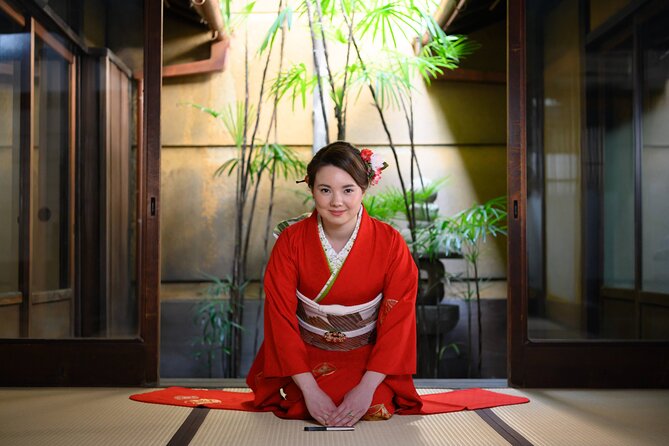
- Historic machiya setting: The ceremony and house tour are inside a traditional wooden townhouse.
- Silk kimono fitting: You’re dressed over your clothes, then you get time for photos.
- Photo time built in: You can take lots of pictures before and during parts of the experience.
- Tea ceremony is time-boxed: Plan for about 1.5 hours total, and the tea portion can feel brief.
- Bring socks: They’re recommended to protect cultural assets and keep the experience smooth.
- Group size matters: You’ll share the space with others unless you choose the private option.
Arriving at Tondaya: what the machiya experience feels like
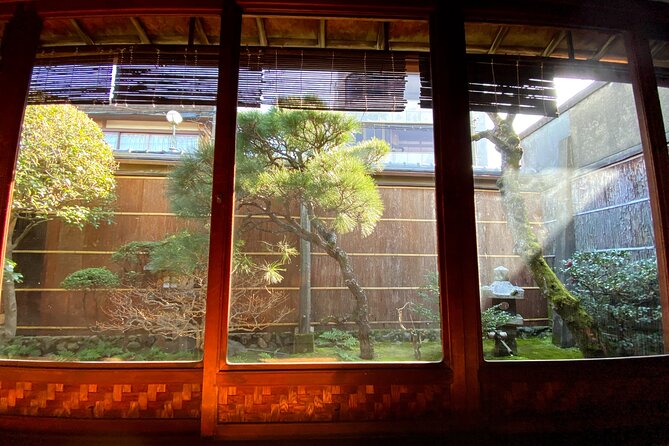
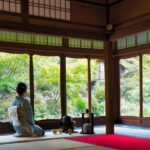
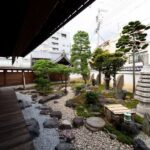
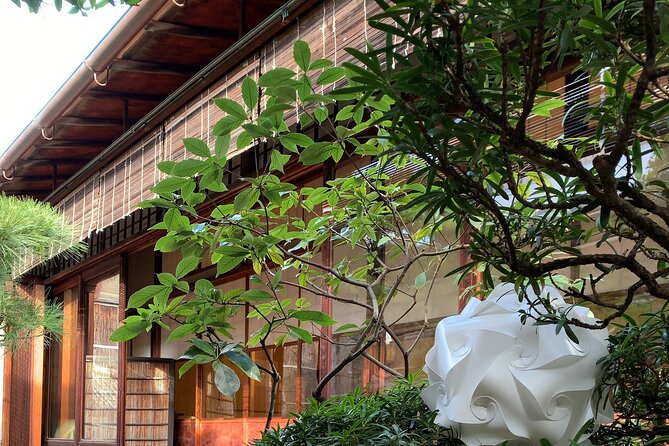
This is one of those Kyoto activities where the setting does half the work for you. Instead of walking into a modern cultural center, you’re stepping into a traditional wooden townhouse in the Kamigyo area. The address is at 697 Ishiyakushichō in Kamigyo Ward, and it’s near public transportation, so you can get there without stress.
The best way to think about the experience is simple: you’re renting time inside a historic home for tea culture. That means the pace feels different from a museum tour. You’ll pause for instructions, move room to room, and then settle into the tea moment. The whole thing is designed so you don’t have to worry about doing it wrong—because you’re not expected to perform. You’re expected to learn by watching, trying, and asking.
If you’re picky about signage, don’t assume the place will be obvious at street level. People often plan to find it with GPS or a taxi/cab, then walk the final stretch.
You can also read our reviews of more tours and experiences in Kyoto.
Kimono fitting: silk, speed, and what to wear underneath
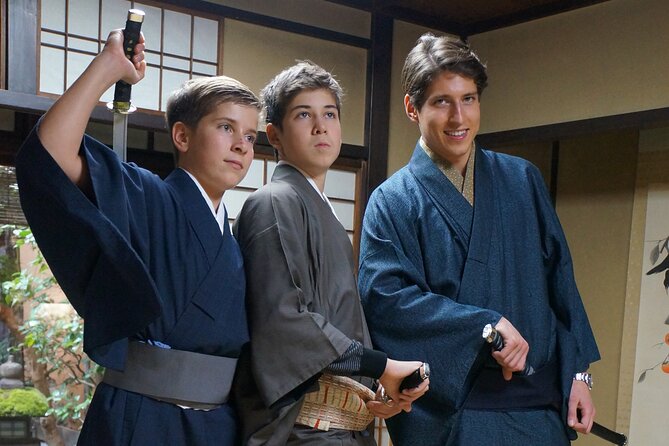
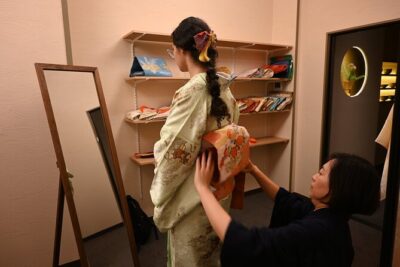
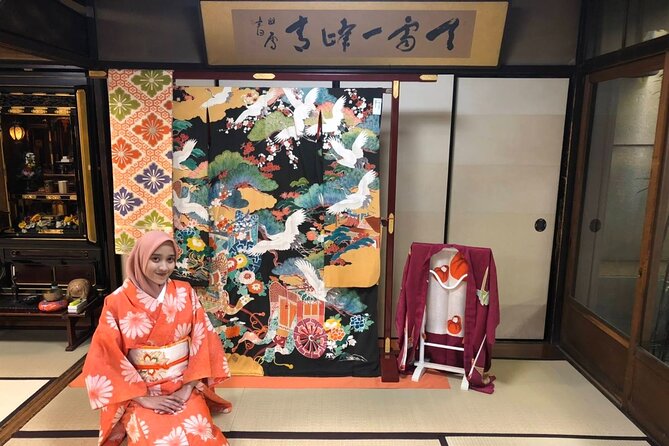
The first real “wow” moment is the kimono fitting. You’ll be fitted promptly when you arrive, and the kimono is described as authentic silk. In practice, the fitting is meant to be efficient and respectful, so you can transition from street clothes to traditional attire without turning the whole experience into a two-hour costume marathon.
A few practical points that matter:
- You wear the kimono over your own clothing.
- You’re expected to bring socks. They’re specifically recommended to protect cultural assets, and you can buy them on-site if needed.
- If you want to keep things comfortable, wear clothes that are easy to pull on/off and won’t tangle during the dressing process.
One small but useful detail: there’s an introduction video covering how to wear kimono and the tea ceremony process. That helps you understand what you’ll see next, especially if you’re visiting for the first time and don’t already know the basics.
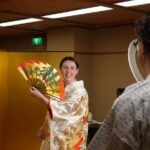
And yes, there’s a photography component. Once you’re dressed, you get time to take photos around the house. If you love the look of old wood corridors, sliding-paper doors, and that Kyoto quiet, this is where you’ll want to slow down and frame your shots.
Touring the townhouse: the house is part of the lesson
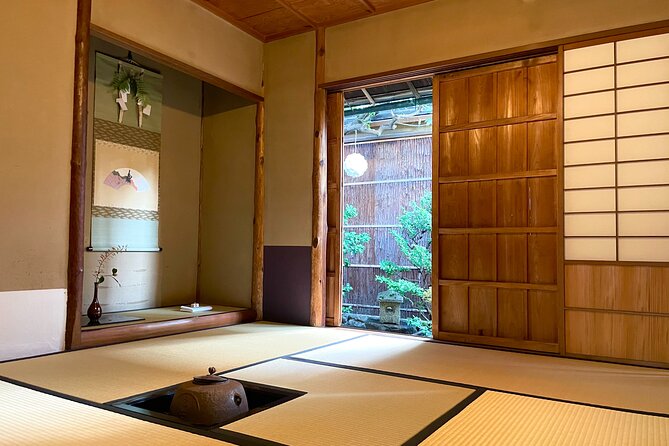
After kimono fitting, the experience turns into a guided look at the machiya itself. The townhouse is originally connected to the Meiji period, and it feels lived-in in the right way—not staged like a set.
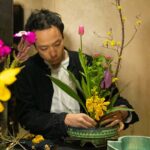
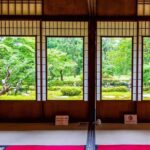
You’ll move through rooms and learn what to notice. For example, you can experience the feel of seasonal breezes inside the house, which is a neat way to understand how these homes worked with nature rather than against it. You’re also shown furniture and spaces that make the tea ceremony setting make sense. It’s hard to explain in a sentence, but once you’ve seen the rooms, you understand why the tea ritual is performed the way it is.
If you’re the type who likes “small details with big meaning,” this part is a solid reason to book. The tour doesn’t try to overwhelm you with facts. It gives you enough context so the tea doesn’t feel like a random performance.
The tea ceremony: matcha, sweets, and the pace you should expect
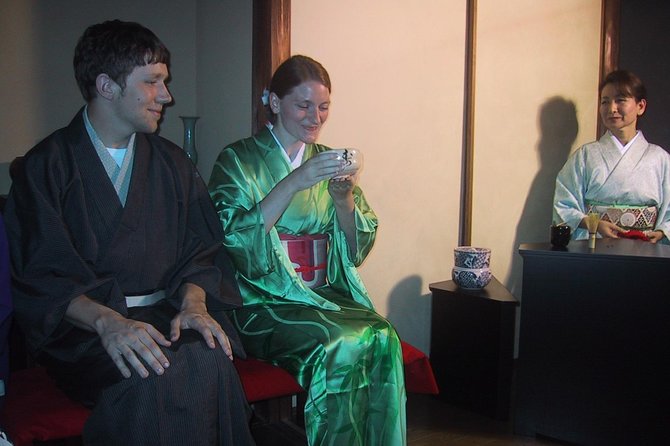
The tea ceremony portion is the main event, but it’s also the most time-sensitive part. The whole activity is set at about 1 hour 30 minutes (approx.), and the maximum experience time can vary depending on how crowded things are.
Here’s what you can realistically expect:
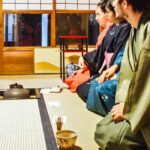
- You’ll watch the tea ceremony performance and learn how things are done.
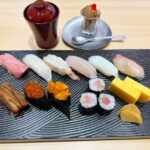
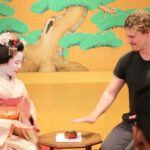
- You’ll get the chance to drink matcha along with a sweet.
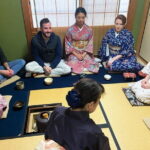
- The ceremony is conducted in a group setting, so timing can be tight.
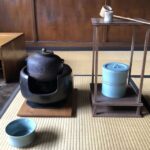
In terms of what you learn, it tends to focus on the flow: how the tea is prepared, what gestures and actions mean, and how to properly receive and drink the tea. One useful way to set your expectations: go in wanting an introduction. If you’re hunting for a deep lecture on the history and philosophical meaning behind every step, the session may feel short. If you’re curious and you’re willing to listen closely, you’ll probably leave with a clear sense of the ritual and why it’s treated with care.
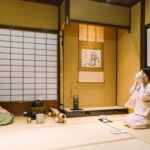
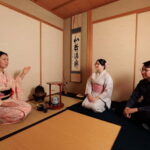
Also, the tea experience is described as happening in a traditional setting inside the townhouse. That’s a big deal. A quiet room inside an old wooden home is exactly the atmosphere a tea ceremony needs. If you end up in a seating setup that makes it harder to see, don’t panic—you can still absorb a lot just by watching the flow and listening during the key moments.
Group vs private: when the room feels small
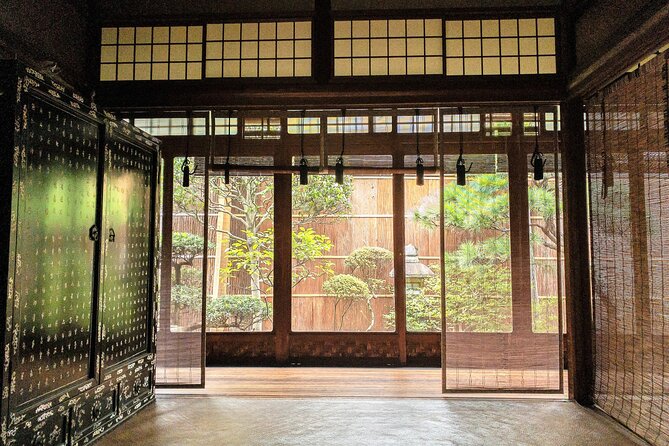
This is the area where you should be picky with your choice. The experience is offered as a group activity, and the max group size is listed as up to 20 travelers. That’s not huge on paper, but older Japanese houses have smaller rooms and stairways, and group movement can create bottlenecks.
Some people love the group format because it’s social and easy to get through without awkward logistics. Others find it loud or crowded enough to distract from the calm of the tea room. If you’re sensitive to noise, or you really want to focus on seeing and hearing every step clearly, you’ll probably like the private option better.
My practical advice: if calm is your main goal, choose private. If photos and kimono are your top priorities, the group format can still work fine—just know the tea room may not be as spacious as you’d expect.

Price and value: is $178.34 actually a fair deal?
At $178.34 per person, this isn’t a cheap “quick cultural hit.” The value is mostly in three places:
- Kimono included: You’re not just renting a robe for photos. You’re getting fitted in an authentic silk kimono.
- Tea ceremony included: You’re actually participating in the ceremony, not just watching a show from across a room.
- Historic townhouse access: You get time in a machiya setting that most people won’t see up close during a normal stroll.
That said, value depends on what you care about. If what you want is a longer, more in-depth tea lesson, you may feel disappointed by the time-boxed nature of the ceremony. If you want the full combo—kimono + house visit + matcha + a bit of explanation—then the price starts to make more sense.
A simple way to decide: if you’ll use the kimono experience and the house tour time to slow down and enjoy the setting, you’ll likely feel it was worth it. If you want a lengthy, highly detailed tea seminar, consider whether you should pay for a private format or a different type of tea class elsewhere.
Practical planning: socks, timing, and finding the townhouse
A few small things can make your experience smoother.
Bring socks
You’re asked to bring socks to protect cultural assets, and you can also buy them at the location. If you forget, you might lose time or feel awkward stepping in.
Allow a little extra time to find it
The location can be tricky to spot without help. Plan to use GPS and give yourself time to arrive before your slot. When you’re wearing a kimono, you’ll want your body and mind to be calm and on time—no rushing.
Respect the photo moments
There’s plenty of photo time, but treat it like you would at a real home: follow instructions, don’t block walkways, and keep your movement smooth. You’ll get great shots while still being considerate.
Plan for the total duration
With about 1.5 hours maximum, don’t schedule a tight next activity right after. You’ll need a few minutes for transitions: fitting, walking through rooms, then getting seated for tea.
Who should book this (and who should skip it)
You’ll love this if:
- You want a genuine Kyoto townhouse setting for tea culture.
- You’re excited to wear a kimono and take photos in a historic environment.
- You want a guided introduction to the ceremony without worrying about etiquette mistakes.
You might want to think twice if:
- You’re very uncomfortable with crowds in small indoor rooms.
- You’re expecting a long, highly detailed tea lecture.
- You’re mainly looking for the tea ceremony itself and don’t care about kimono or the house tour.
For many people, the best match is: kimono lovers, first-time tea students, and anyone who enjoys Kyoto at a slower, quieter tempo.
Should you book Tondaya’s tea ceremony and kimono?
If you want the full Kyoto package—silk kimono fitting in an actual machiya, plus matcha and a guided tea ceremony—this is a strong choice. The historic townhouse setting is a big part of the value, and the overall flow is designed so you won’t feel lost.
My call: book it if you can match your expectations to the format. Choose private if you want maximum calm and visibility. Choose group if you’re okay with some crowd energy and you mainly want a memorable, well-run introduction in a real Kyoto home.
FAQ
What is included in the Tea ceremony and kimono experience at Kyoto, Tondaya?
The experience includes a tea ceremony experience, a kimono experience, and an entrance fee.
How long does the experience take?
The maximum experience time is set at about 1.5 hours, and the time may vary depending on how crowded it is.
Do I get to wear a kimono?
Yes. You’ll be fitted for an authentic silk kimono and wear it during the townhouse visit and tea ceremony.
Do I need to bring socks?
Yes, socks are requested to protect cultural assets. You can bring your own socks, or you could buy one there.
Are geta traditional sandals included?
No. Geta (traditional Japanese wooden sandals) are not included.
Where does the tour start?
It starts at Tondaya – Nishijin Japanese Cultural Experience Museum, 697 Ishiyakushichō, Kamigyo Ward, Kyoto 602-8226, Japan.
Is this experience in a group or private?
It’s conducted in a group with other participants. A private experience option is available if you prefer a more private setting.
Can I take photos during the visit?
Yes. You can take photos around the house, and you can take as many photos as you’d like during your visit.
Is lunch included?
No. Lunch is not included.
Is free cancellation available?
Yes. You can cancel for a full refund up to 24 hours in advance of the experience start time.