REVIEW · PORTO
Porto: Tile Painting Workshop with Tea and Port Wine
Book on GetYourGuide →Operated by Francisco Pessegueiro · Bookable on GetYourGuide
Porto tiles stop being wallpaper and start feeling personal. I like the two souvenirs you paint yourself and then take home, and I also love the hands-on history lesson that explains why these patterns matter in Porto. One thing to keep in mind: the area near Campanhã isn’t great for car parking, so plan to walk or use public transport.
This is a small-group, 2-hour workshop where the pace stays friendly, the instructions are clear, and you’re guided without being rushed. If you want a no-wait souvenir you can leave with instantly, this won’t fit—your tiles need firing and you pick them up around 11h/12.30 the next morning.
In This Review
- Key things I’d prioritize before you go
- Azulejos in Porto: why this workshop feels more meaningful than a craft
- The two-hour flow: tea, history, technique, and your finished tiles
- Choosing your motifs: how stencils and coaching help you actually finish
- From your desk to the kiln: what happens after you paint
- What’s included in the $53 price (and why it’s decent value)
- Where to find it: Campanhã station-area directions
- Workshop setting: small group energy without feeling rushed
- Who should book this tile painting workshop—and who might skip it
- Should you book? My call
- FAQ
- How long is the tile painting workshop in Porto?
- How much does it cost?
- Where is the meeting point?
- What languages are available for the instructor?
- What’s included in the price?
- What isn’t included?
- When can I pick up my tiles?
- Do I need to bring anything?
- What’s the cancellation policy?
Key things I’d prioritize before you go
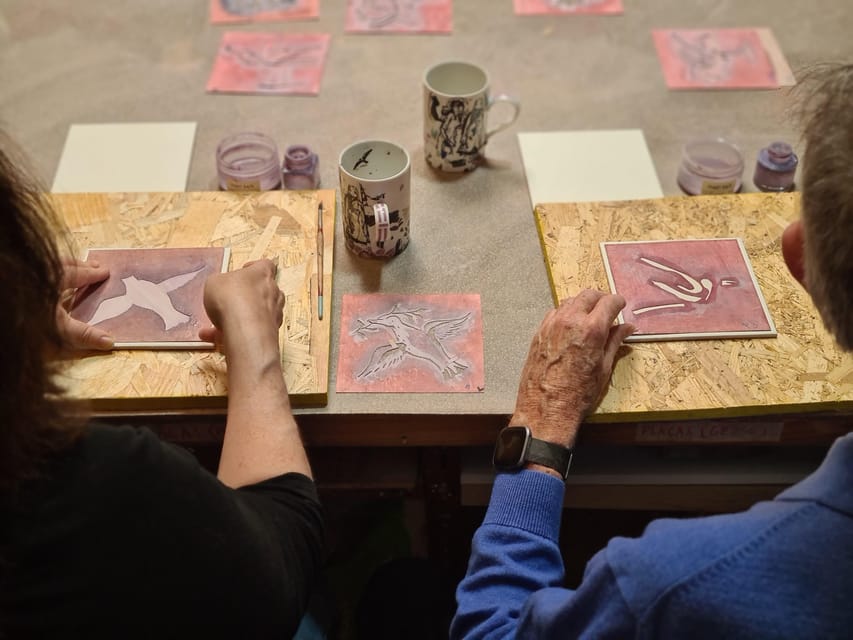
- You paint two traditional tiles and leave with a real, personal Porto keepsake
- The workshop explains what you’re seeing in the streets, not just how to hold a brush
- Firing happens after class, so your tiles come back ready, not raw paint
- Stencils and technique talk help you get results, even if you’re not an artist
- Small group sizes keep the guide’s attention on you when you get stuck
Azulejos in Porto: why this workshop feels more meaningful than a craft
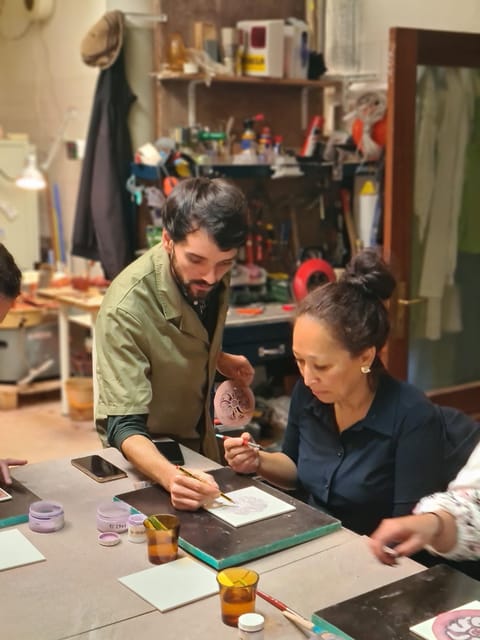
In Porto, tilework isn’t just decoration. It’s part of how people mark spaces, tell stories, and add color to everyday buildings. This workshop works because it connects the dots: you don’t only copy a motif, you learn what tiles have meant across Portugal and why you’ll spot them on facades, monuments, and houses.
What I liked most is that the guide frames tiles as a cultural language you can recognize as you wander Porto afterward. When you walk past a wall covered in patterned ceramics, you start noticing details—shapes, repeated motifs, and the logic behind classic styles—rather than seeing a blur of blue-and-white.
The two-hour flow: tea, history, technique, and your finished tiles
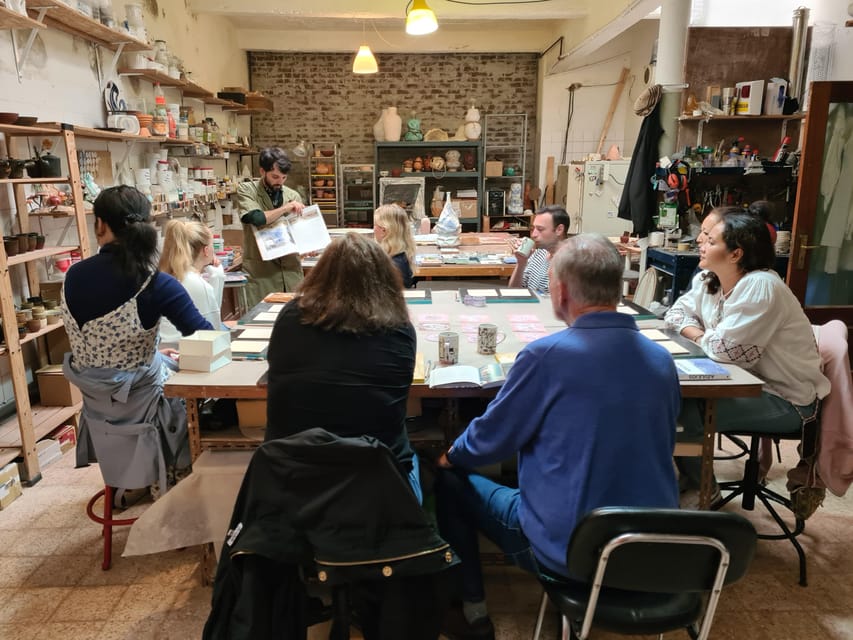
The class is designed in a simple sequence, and it stays efficient for a 2-hour slot.
First, you meet your guide at the atelier and settle in. Expect a short start with inspiration materials, plus tea and biscuits. Then comes the history portion: you’ll learn how Portuguese tiles developed and why they spread so widely, from public monuments to private homes.
Next you shift from story to technique. The guide talks through how traditional Portuguese tiles are produced and how painters approach pattern work. This is where the workshop becomes practical—less “sit and listen,” more “now watch and then try.”
Then it’s your turn: you paint two tiles inspired by traditional motifs. You’ll get guidance during the process, and you can use stencils, but you’re not meant to hand over the brush and watch someone else do the work. The goal is that your tiles look like you made them—because you did.
Choosing your motifs: how stencils and coaching help you actually finish
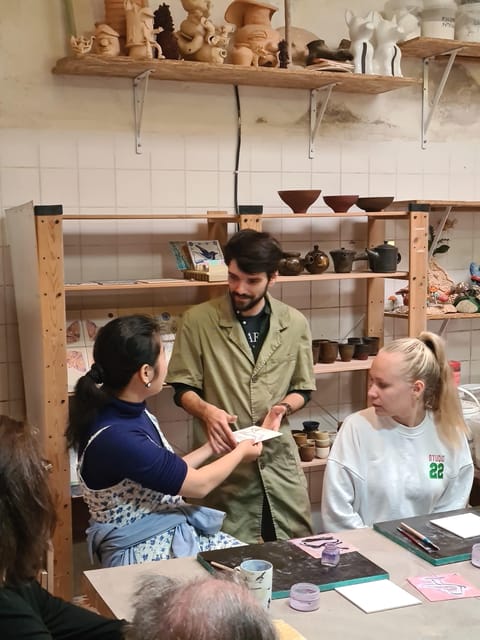
If you worry you’ll freeze at the blank tile, don’t. You’ll get a structured path: ideas to look at, stencils to reference, and instructions for technique so the work doesn’t turn into chaos.
Here’s how I’d think about it before you start painting:
- Pick a motif you can repeat cleanly. Traditional designs usually reward steady patterns more than wild freehand.
- Use the stencil as a guide, not a cage. You can still make choices with line thickness and small decorative touches.
- Work in phases. Do a first pass for outlines and big shapes, then go back for details once you’re happy with the overall balance.
This is also why people keep coming back to this style of workshop. It’s creative, but it’s not vague. You get feedback while you’re working, and the guide and assistant are there if you hit a problem—like a messy line or a color decision you’re unsure about.
From your desk to the kiln: what happens after you paint
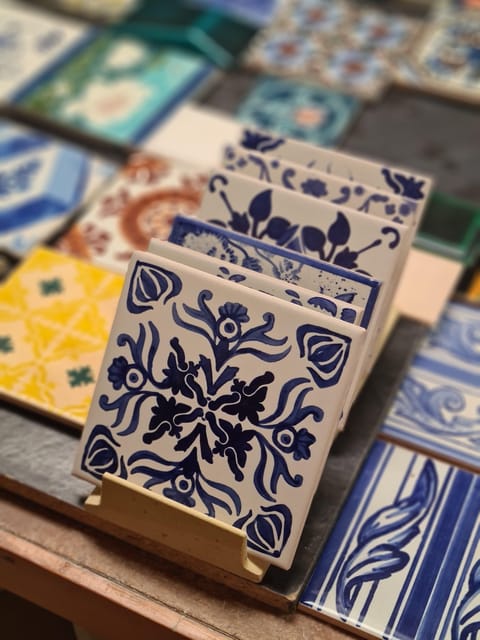
The big difference between this class and a typical souvenir-making session is the finishing step. Your tiles need to be fired, and that happens after the workshop. You won’t get a final, durable ceramic piece at the end of the 2 hours.
Instead, you leave your tiles for firing and then return the next morning to pick them up. The timing is about 11h to 12.30, and the atelier gives you proper packaging for transport.
That 24-hour gap matters for planning. It means you should avoid booking your day so tightly that you can’t swing by at pickup time. But it also means you’re not carrying something fragile or half-finished through Porto’s streets. You’ll get a souvenir that’s ready to travel once you collect it.
What’s included in the $53 price (and why it’s decent value)
At $53 per person for a 2-hour class, the value comes from what you don’t have to source yourself.
Your included items are:
- All materials needed for tile painting
- Tea and biscuits
- Firing of the painted tiles
- Packaging for the finished tiles
What you pay for is not only the instruction. You’re also paying for the firing process and the prep/packaging that makes the souvenir feasible to take home. That’s the part many DIY-style activities skip.
Not included:
- Transportation to and from the activity
- Food and drinks
So if you’re coming from the historic center, I’d plan food separately and think of the workshop as a focused 2-hour creative block plus a quick pickup the next morning.
Where to find it: Campanhã station-area directions
The meeting point is near the train station and near the new Bus station TIC at Campanhã (Terminal Intermodal de Campanhã). There’s a school and a taxi square right by the station, which makes it easier to orient yourself once you’re in the area.
One practical note: parking can be awkward here. If you’re driving, don’t assume you’ll find easy spaces right at the door. Walking from the station area is usually the smoother plan.
Workshop setting: small group energy without feeling rushed
This is set up as a small group workshop, and that changes the feel. With fewer people, you get more specific help and less “wait your turn” frustration while painting.
I also liked that the space feels like an atelier rather than a classroom. You’ll have time to browse inspiration materials, and the atmosphere stays calm while the guide explains what you’re doing and why.
That blend—history talk plus painting time—makes it work for both adults and families. If you’re traveling with kids or a teen who gets bored by lectures, the hands-on part helps keep momentum.
Who should book this tile painting workshop—and who might skip it
This workshop is a strong match if:
- You like Porto’s visual culture and want more than a photo stop
- You want a souvenir with a story attached to it
- You enjoy craft activities where instructions guide you to a finish
- You’re traveling with family and want something structured but fun
You might skip it if:
- You don’t want any schedule commitment the next morning for pickup
- You’re looking for a quick takeaway souvenir you can leave with immediately
- You’re expecting food/drinks as part of the experience (tea and biscuits are included, but not a meal)
If you’re the type who likes to understand what you’re seeing in a city, this workshop does a great job turning tile patterns into something you recognize later on your Porto walks.
Should you book? My call
Yes, book it if you want a real Porto keepsake you make with your own hands, plus a simple explanation of why azulejos show up everywhere. The best part is that you’re not just painting blindly—you’re learning what makes Portuguese tile motifs worth noticing.
If your schedule is tight or you hate the idea of coming back around 11h/12.30 the next day, then it might feel inconvenient. For most people, though, the combination of painting time, firing, and proper packaging makes the $53 price feel fair.
FAQ
How long is the tile painting workshop in Porto?
The workshop lasts 2 hours.
How much does it cost?
It costs $53 per person.
Where is the meeting point?
It’s near the train station and near the new Bus station TIC (Terminal Intermodal de Campanhã). There is a school and a taxi square right next to the station.
What languages are available for the instructor?
The workshop is offered in English, Japanese, and French. If your language is French or Japanese, you must state this when booking.
What’s included in the price?
Materials for painting, tea and biscuits, the firing of the painted tiles, and packaging for the finished tiles are included.
What isn’t included?
Transportation to and from the activity and food/drinks are not included.
When can I pick up my tiles?
Your tiles need to be fired, and they are ready about 24 hours after class. Pickup is typically around 11h/12.30 the next morning.
Do I need to bring anything?
Wear comfortable shoes and comfortable clothes. The materials are provided.
What’s the cancellation policy?
Free cancellation is available up to 24 hours in advance for a full refund. The experience can also be canceled if the minimum number of 2 participants isn’t gathered until one day before the experience.