REVIEW · MARRAKECH
Moroccan Hands on traditional pastries & Tea class in Marrakech
Book on Viator →Operated by Marrakech Cooking Class With Chef Khmisa · Bookable on Viator
Mint tea and pastries start in a home kitchen. This Marrakech class turns a daily Moroccan ritual into something you actually do, not just watch, with traditional tea and hands-on baking in a local family’s private medina home. I especially like the chance to learn filled classics like corne de gazelle and ghriba, then taste them warm.
The second thing I like is the small-group feel. This runs for about 3 hours with a maximum of 10 people, and you end with a take-home box of pastries plus a recipe. The main drawback to consider is simple but serious: there’s no hotel pickup, and you meet at Rue Bab Doukkala, so arriving on time matters.
In This Review
- Key Things You Should Know Before You Go
- A Marrakech Medina Kitchen, the Kind You Actually Want
- Meet Your Host: Tea Ritual Before the Dough
- Pastries in Your Hands: Corne de Gazelle, Ghriba, and More
- Learning the Technique Behind Moroccan Mint Tea
- How the 3-Hour Timing Works (and Why Being Early Matters)
- What You Take Home: Warm Bakes, Recipes, and a Box
- Price and Value for $40.65: What You Get for 3 Hours
- Who This Class Fits Best
- My Decision: Should You Book Moroccan Hands On in Marrakech?
- FAQ
- How long is the Moroccan pastry and tea class?
- Where does the class start and end?
- Is hotel pickup included?
- What is included in the price?
- Which pastries and drinks will we learn?
- Are there different time slots to choose from?
- How many people are in each group?
- What is the weather policy and cancellation window?
Key Things You Should Know Before You Go
- Private-home setting in the Marrakech medina instead of a workshop classroom vibe.
- Tea or coffee + warm pastries are part of the experience, not an afterthought.
- You’ll learn multiple Moroccan pastry styles, including corne de gazelle and ghriba.
- Mint tea gets taught step-by-step, so you can repeat it at home.
- Small group (up to 10 travelers) makes it easier to ask questions.
- You’ll get a recipe and a box of pastries to take home, which boosts the value.
A Marrakech Medina Kitchen, the Kind You Actually Want
The best part of this class is the location type: you’re invited into a local’s private home in the medina area, not herded through a showroom kitchen. That changes the mood fast. You’ll feel like you’re sharing time with a family, even though you’re there to learn.
Marrakech is loud and busy outside, but inside a home kitchen it’s more personal. You get to see how Moroccan pastries fit into daily life: tea first, conversation next, and then the dough work. If you like food experiences that feel normal instead of staged, you’ll probably enjoy this one.
It also helps that the format is built for hands-on learning. You’re not just sampling; you’re doing the shaping and learning the tricks that make Moroccan pâtisserie what it is. No industrial equipment is required, which is a big deal if you want to recreate the results later.
You can also read our reviews of more tours and experiences in Marrakech.


Meet Your Host: Tea Ritual Before the Dough
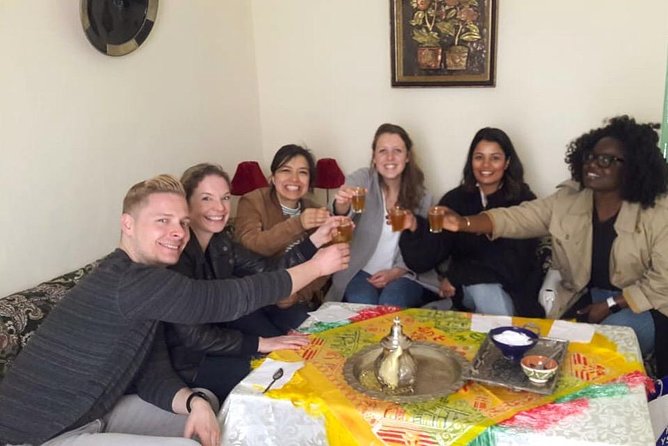
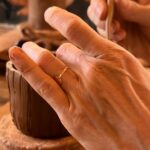
Expect a warm welcome from your host and her family, and then the experience starts the Moroccan way: with tea or coffee. You’ll be able to choose coffee or Moroccan tea, and it sets the tone for everything that follows. Tea isn’t a background drink here. It’s part of the timing, the atmosphere, and the rhythm of learning.
You’ll also get to slow down and connect. There’s time to chat about your trip to Morocco at the end, and the overall feeling is friendly rather than rushed. One small detail that matters: the class is designed so you leave with more than taste. You also leave with a clearer sense of why the flavors work, and how to talk about them.
If your guide is the English-speaking cook-guide named Spike, you can expect clear explanations. Even if you don’t have Spike, the class is structured to be understandable, since you’ll be doing the steps yourself.
Pastries in Your Hands: Corne de Gazelle, Ghriba, and More
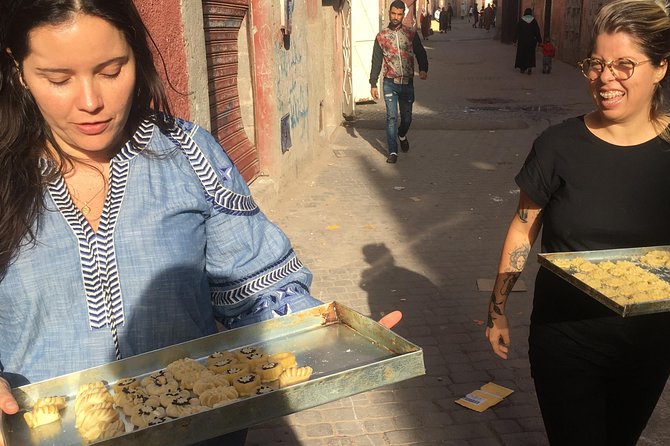
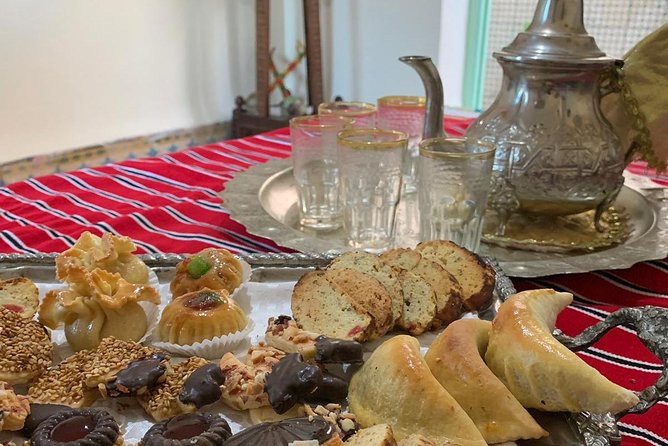
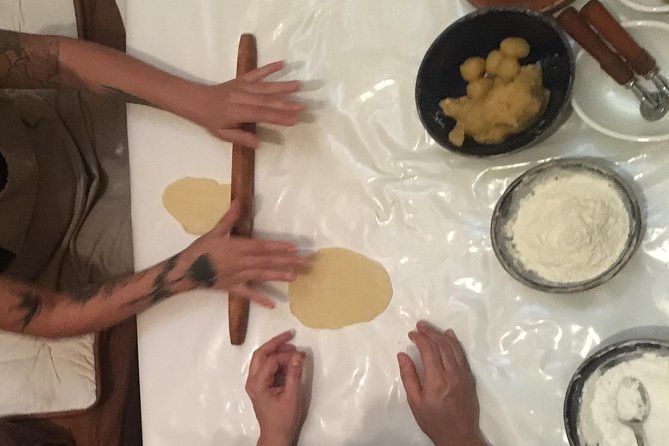
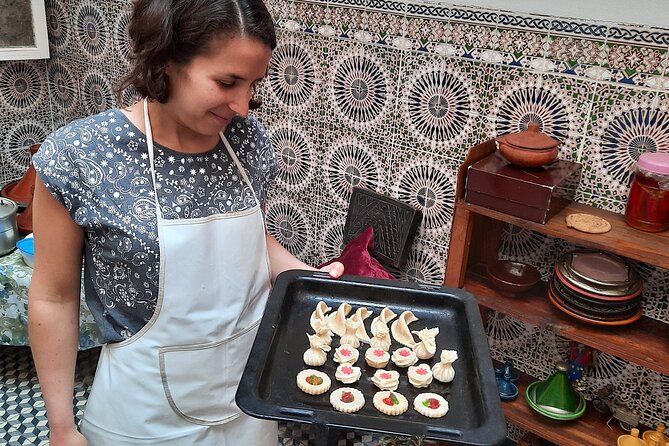
Moroccan pastries are famous for their textures. This class focuses on making those textures happen, with techniques you can repeat using ingredients you can find at home. The menu-style highlights include corne de gazelle and ghriba, plus other traditional pastries depending on the session.
What I like about this kind of lesson is that it doesn’t treat pastries as a single recipe problem. Moroccan pâtisserie is about precision: the right dough handling, the right filling texture, and the right shaping so the pastry bakes correctly. Even when the ingredients seem simple, the method is where the difference lives.
You’ll learn techniques for filled pastries and cookie-style treats, and you’ll get to taste what you make. The class also aims to give you practical guidance so you can impress family and friends later. If you love bringing back a “real skill” instead of a souvenir, this is the angle.
A fair note from a less-perfect perspective: some sessions may feel like you’re making only a smaller number of items, and certain parts can be prepared in advance so you mix, shape, and bake. If you’re hoping for a marathon of many different recipes or advanced pastry chemistry, you might want to set expectations for a more beginner-to-intermediate pace.
Learning the Technique Behind Moroccan Mint Tea
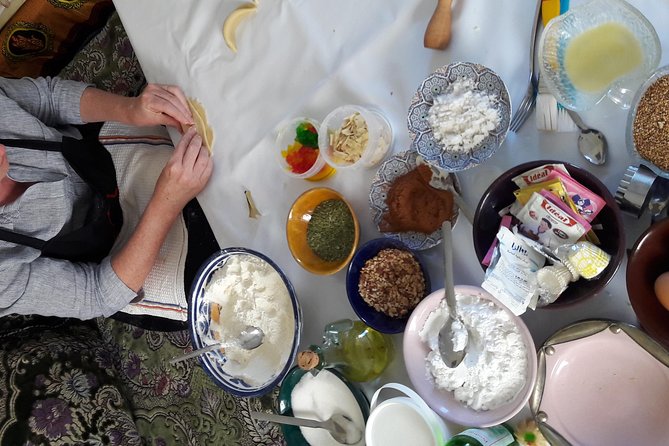
If you want one skill that travels well, Moroccan mint tea is it. This class teaches you how to make your own mint tea, not just how to drink it. That means you get the real “at-home version” you can repeat when you’re back in your kitchen.
Mint tea is often treated like a shortcut drink, but the method matters for balance and presentation. In a home setting, you’ll see the cultural way it’s served and how it fits into the meal timing. Then you’ll do it yourself, so it sticks.
The tea pairs with the pastries in a very practical way. You’ll take tastes together while the pastries are warm, which helps you understand what works with what. When you later make the same pastries at home, your memory of that pairing is a huge help.
And since the class includes coffee or tea, you’re not stuck choosing one beverage and hoping it matches. The point is to make the whole ritual make sense.
How the 3-Hour Timing Works (and Why Being Early Matters)
The class runs about 3 hours. That’s a sweet spot: long enough to learn, bake, and taste, but not so long that you feel trapped. You also get flexibility because different time slots are available.
The big logistics detail to plan around is that you meet at a specific spot in the medina area: Rue Bab Doukkala in Marrakech. There’s no hotel pickup. If you rely on taxis, walking, or public transport, give yourself extra time to arrive, get oriented, and find the right point.
This matters because the experience starts at the scheduled time. One harsh reality from similar experiences in this area is that being late can mean you miss the lesson entirely. You don’t want that stress on your food day.
Weather can also play a role. The experience requires good weather, and if it’s canceled for poor weather, you’ll be offered a different date or a full refund. So if you’re booking during a “maybe rain” week, keep an eye on forecasts.



What You Take Home: Warm Bakes, Recipes, and a Box
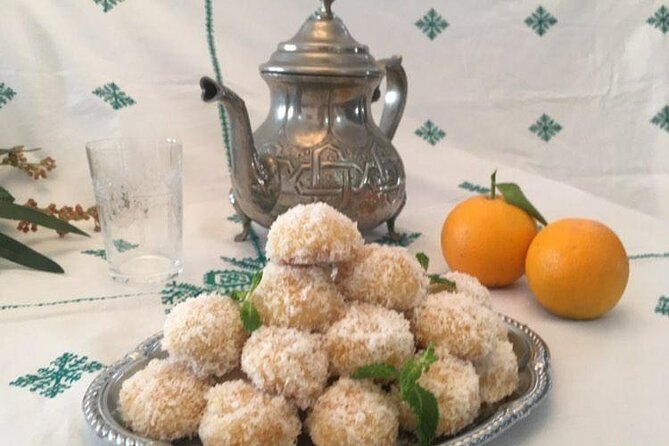
The course ends in the satisfying way: you taste what you’ve baked, chat with your host, and then leave with extra food. You’ll finish with a box of pastries to take home, so you can share immediately or save them for later.
You also get a recipe. For me, this is a key part of the value. It turns the class into a future cooking plan, not a one-day event. Moroccan pastries involve technique, but recipes plus what you learned in the moment make it far easier to reproduce results.
One detail that makes this feel like a complete experience: you don’t just taste. You bake and then taste while it’s fresh out of the oven. That’s when texture and flavor peak, and it helps you learn what “right” feels like.
Price and Value for $40.65: What You Get for 3 Hours
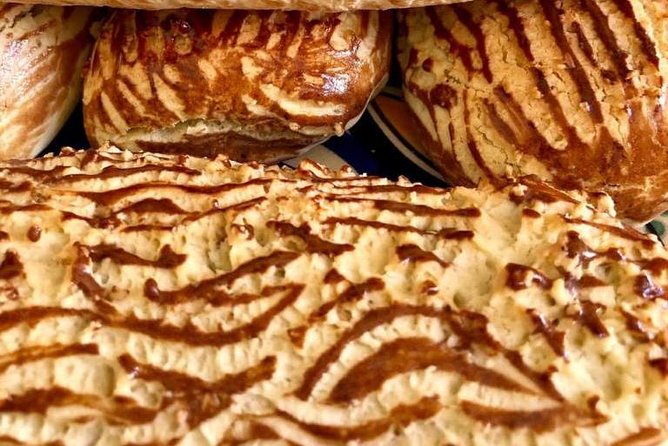
At about $40.65 per person for roughly 3 hours, this class sits in the “reasonable” zone for an activity that includes food and skill-building. What makes the math work is the set of inclusions: coffee and/or tea, pastries and tea, plus a recipe, and the take-home box.
The private-home part also adds real value. You’re not just paying for baking instruction; you’re paying for access to a home kitchen, family hospitality, and a cultural routine that’s usually not open to visitors. With a maximum group size of 10, you’re more likely to get attention and questions answered than in larger classes.
Another value factor is portability. If you make mint tea at home and can shape at least a couple of pastry types, you’ve effectively bought yourself a repeatable Marrakech souvenir. That’s more useful than many tours that fade after the photo.
One caution on value: if you’re an experienced baker expecting advanced technical depth and lots of different pastries, you may find the class focuses on a smaller set of items. Still enjoyable, but your “return on learning” might feel smaller than you hoped.
Who This Class Fits Best
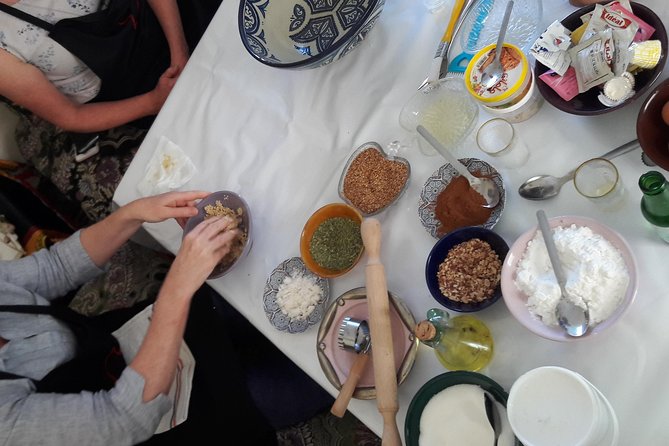
This class is a great match if you want a food day that feels personal and practical. It suits you if you like hands-on learning, you enjoy Moroccan tea culture, and you want the chance to make pastries you’ve actually seen around Marrakech.
It also fits well for couples and small groups who prefer a calmer setting. The group limit of 10 helps. You can pay attention without feeling like you’re competing for space.
If you’re a beginner in the kitchen, the structure can be friendly. Some sessions may include ingredients or portions already handled, so you can focus on the core steps like mixing, shaping, and baking. That’s useful if you want success without getting overwhelmed.
If you’re traveling with kids, manage expectations. One critical note in the experience style is that the hands-on work can be lighter, with only a couple of pastry types emphasized. That can be great for younger learners, but it won’t feel like a full pastry masterclass.
My Decision: Should You Book Moroccan Hands On in Marrakech?
I’d book it if your goal is simple: learn real Moroccan pastry methods you can repeat, and do it in a home setting with tea, conversation, and warm results. The combination of hands-on baking, mint tea instruction, and a take-home box makes the experience feel complete.
Skip it or reconsider if you need hotel pickup or you’re worried about navigating timing in the medina. This one expects you to show up right on schedule at the meeting point. Also, if you’re an advanced pastry person chasing lots of complex, deeply technical variations, you might find the class more beginner-friendly than you expected.
One more practical tip: plan your other medina activities with a buffer. Don’t stack this right after a long bus or a late dinner. Give yourself enough time to arrive calm and hungry, because the best part is eating what you made while it’s still fresh.
FAQ
How long is the Moroccan pastry and tea class?
It runs for about 3 hours.
Where does the class start and end?
The class starts at Rue Bab Doukkala, Marrakesh 40000, Morocco, and it ends back at the same meeting point.
Is hotel pickup included?
No, hotel pick-up is not included.
What is included in the price?
Coffee and/or tea are included, along with pastries and tea, plus a recipe.
Which pastries and drinks will we learn?
You will learn Moroccan mint tea, and you’ll make traditional Moroccan pastries such as corne de gazelle and ghriba, along with other traditional pastry varieties.
Are there different time slots to choose from?
Yes, there are different time slots available for flexibility.
How many people are in each group?
The group size is capped at a maximum of 10 travelers.
What is the weather policy and cancellation window?
The experience requires good weather. If it’s canceled due to poor weather, you’ll be offered a different date or a full refund. You can cancel for a full refund up to 24 hours in advance.