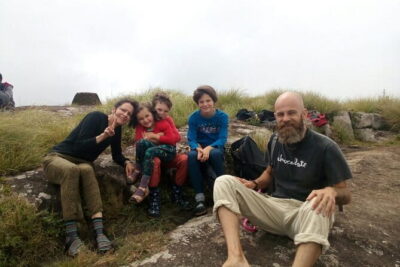
Sidi M’bark is where sea air meets desert walking. I like the mix of real countryside and local hospitality—first the walk past dunes and a quiet beach, then the mint tea in a Berber home. The only heads-up: the cascades can be low or dry during drought, so your best views might come from rock, sand, and the marabout setting rather than rushing water.
The trip also keeps things human-sized. With small groups (max 8) and a private vehicle that gets you out of town without fuss, you spend your energy on the walk—not on logistics. I do recommend planning for steady footing and some uphill moments, especially if you’re traveling with kids or you know your stamina is limited.
If you want a half day that feels both scenic and cultural, this is a strong pick. The loop style makes it easy to enjoy the coast, reach the spring/cascade area, and then slide back toward Essaouira with tea and a relaxed stop in Sidi Kaouki.
In This Review
- Key highlights you’ll actually feel
- Price and value: what you’re paying for
- Getting there from Essaouira: simple start, real detour
- The walk to Sidi M’bark: dunes, coast, and the slow build to water
- The cascade area: water depends on the season
- The marabout stop: why this place matters on the ground
- Walking uphill to the village: where the tea ceremony happens
- The traditional tea ceremony
- The return route: Sidi Kaouki tea with big beach views
- Optional argan oil cooperative: practical, local, and easy to like
- Who this tour suits (and who should choose differently)
- What to bring and how to walk smart
- How much time do you actually spend walking?
- Should you book Sidi M’bark to the Cascade and Marabout?
- FAQ
- FAQ
- How long is the tour?
- How far do we walk to reach the cascade and marabout area?
- Is the donkey available for kids or less-mobile walkers?
- Do we always see water in the cascade?
- What food and drinks are included?
- Is the argan oil cooperative visit included?
- What is the maximum group size?
Key highlights you’ll actually feel
- Cascade + marabout views: dunes, a small river, and a rock setting that frames a bay.
- Mint tea at a Berber home: a traditional tea ceremony after the walk, plus bread and dips.
- Beach-and-dunes route: a lonely stretch of sand, then dunes that can slow your steps.
- Argan oil cooperative option: learn how oil is made and taste products made from it.
- Kid-friendly workaround: a donkey can handle part of the strain for an extra cash supplement.
Price and value: what you’re paying for
At $52.34 per person for about 4 hours 30 minutes, this hike is priced like a focused local day: transport included, a guided walking plan, and tea is part of the package. You’re not paying for a big museum day—you’re paying for a small-group nature/culture combo with a real reason to go south of Essaouira.
The value gets stronger if you factor in what’s included:
- Private transportation (so you don’t waste your morning coordinating rides)
- Coffee and/or tea
- A traditional tea ceremony with a local family
And it gets even better if the argan stop is possible on your route. Argan cooperatives are the kind of place where you can see the process, then taste what comes out of it. You’ll also likely see the famous goats in trees somewhere in the area, though that part depends on conditions and timing.
You can also read our reviews of more tours and experiences in Essaouira.

Getting there from Essaouira: simple start, real detour
The tour begins at Labo Abdelkrim Khatabi d’Analyses Médicales, 287 Rue Oued El Makhazine, Essaouira 44000. From there, you’re loaded into a private vehicle and headed roughly 35 km south of town.
This is one of those small but important choices: you’re not starting the day with a long bus ride. Instead, you get dropped near the coastal edge and start walking where the scenery begins. Then, on the return, you come back to the same meeting point.
The experience is capped at 8 travelers, which matters. A small group means fewer stops to regroup, and it also makes the tea break feel more personal when you’re invited into someone’s home.
The walk to Sidi M’bark: dunes, coast, and the slow build to water
The heart of the day is the walk. Expect about 6 km / 2.5 hours of walking time, not counting breaks. The route is a mix:
- dunes walking through sandy areas
- a stretch along a lonely beach
- some small climbs as you head toward the cascade and marabout
Why I like this kind of route for Essaouira: it’s not the usual “just walk the beach” plan. You’re moving through different textures and colors—sand, sea air, dry earth, then that rare green-and-water contrast when you reach the spring-fed area.
The cascade area: water depends on the season
The cascade and the small river that feeds it can be very seasonal. During Morocco’s drought, you might find the cascades low or almost dry. That’s the one big variable on this outing.
But even when the water is reduced, the setting still does the job:
- you’ll reach a place where green, blue, and yellow mix naturally
- the stream (when present) is used to irrigate local crops
- the old marabout sits by rock, giving the village its identity
So if you’re the type who feels disappointed when water isn’t flowing, you’ll want to shift your mindset. Here, the real payoff is the meeting point of sand dune + rock + spring-fed stream + bay.
The marabout stop: why this place matters on the ground
Sidi M’bark includes a visit to an old marabout—a residence associated with the spirit of a saint or wise man. On paper, that can sound like a line in a description. On the ground, it’s more grounded than that: it gives the walk a clear purpose and places you in the local geography and belief system.
You’ll be standing in the right kind of spot to understand why people link place to meaning. The marabout rests in a dramatic position above the rocks, where the coast and the dry inland meet. It’s also a calm moment after sand and steps—just enough stillness to take photos and breathe.
If you enjoy when your guide connects nature to local life, this part is worth leaning into. Guides on this route—like Faycal and Malika—tend to bring stories and context that make the marabout and the spring feel less like a stop and more like a living landscape.
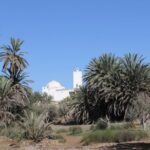
Walking uphill to the village: where the tea ceremony happens
After the cascade/marabout area, you walk uphill to the village. This is where the energy check comes in. Reviews and past experiences on this route show that the last stretch can feel harder if you’re tired, especially with rocks underfoot.
If you’re traveling with kids or anyone who might tap out early, there’s a practical solution: you can arrange a donkey to carry part of the strain. The donkey supplement is 150 Dhs, paid in cash on the day (booked by private message ahead of time).
The traditional tea ceremony
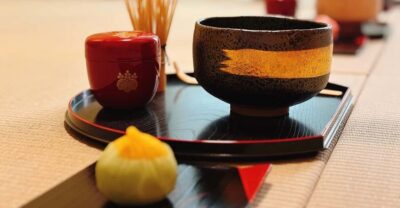
Once you reach the village home, you’re treated to a traditional tea ceremony. This is one of the most praised parts of the experience. You’ll get that classic mint tea vibe—sweet, strong, and served with care—plus bread and dips in the spirit of home hospitality.
In one recent experience, the tea break was a highlight after a long walk; in another, it became extra special because it fell around a holiday. Either way, the key point is the same: the tea isn’t a quick stop. It’s a social reset that turns your hike into a shared moment.
The return route: Sidi Kaouki tea with big beach views
On the way back toward Essaouira, the itinerary includes a relaxed stop at Sidi Kaouki. This is a surfers’ village, but you don’t need to be a surfer to enjoy it. What you’ll feel is the sea-breeze calm.
The stop includes tea or coffee, with views over the wide sandy beach. It’s a good way to end the day because the walk has you working—then you shift into watching waves and sand instead of stepping on them.
This part also adds a nice rhythm: walk, pause, walk, tea with locals, then a softer landing with another drink and a panoramic view.
Optional argan oil cooperative: practical, local, and easy to like
A lot of people come to Essaouira knowing argan oil is famous. This stop helps you understand why it’s not just a label.
Because the tour drives through the argan zone, you have the option to visit an argan oil cooperative. You can:
- learn about production
- see how the process works
- take a taste of products made with argan
You’ll also get that satisfying “now I get it” moment when you connect a small ingredient to an entire local economy. From the tone of guides like Hassan with his family welcome, this stop tends to feel friendly rather than rushed.
If you want the most value out of the day, don’t skip it—especially if you like hands-on learning and food culture.
Who this tour suits (and who should choose differently)
This is a good match if you want:
- a half-day escape south of Essaouira
- a walk that’s scenic without being an all-day mission
- a real local tea moment
- the option to add an argan experience
It might be less ideal if:
- you need a super-easy stroll with no uneven ground (there are small climbs and rocks)
- you’re traveling only with very young kids who can’t handle sand walking at all (the donkey helps, but it’s still a choice to plan)
- you’re hoping for heavy waterfall flow year-round (the cascades can be dry)
Group size helps a lot. With max 8 travelers, the pace can stay human, and guides such as Naïma, Haima, Claudia, and others mentioned for this kind of outing often adapt to the group’s rhythm.
What to bring and how to walk smart
This tour is outdoors, so pack like you’re going to be on sand and rocks:
- Water (even if you’ll have tea later)
- Sun protection (dunes + beach = quick burn)
- Good walking shoes for rocky uphill bits
- A light layer if the wind kicks up by the coast
And here’s a simple walking tip: on dunes, shorter steps save your legs. Don’t try to stride like it’s a sidewalk. You’ll feel silly for 30 seconds, then you’ll be grateful after 30 minutes.
How much time do you actually spend walking?
You’re looking at roughly:
- 2.5 hours / 6 km of walking time, including the dunes/coast and the climb segments
- plus stops for views and the tea ceremony
- the full tour time is about 4 hours 30 minutes
So yes, it’s a half day. But it’s not a “wander for an hour” kind of half day. It’s active enough that you’ll want breakfast before you leave.
Should you book Sidi M’bark to the Cascade and Marabout?
Book this tour if you want a day that feels like you left Essaouira for a real half-day adventure: dunes, a quiet beach, a marabout above the rocks, then tea in a local home. The pricing is fair when you consider the transport + tea ceremony + small group + optional argan tasting.
Skip or choose another option if waterfall flow is your only goal, because the cascades can be dry in drought. Also think twice if you want a stroller-friendly outing; the walk includes sand, rocks, and uphill segments, though a donkey option exists for children and anyone who needs help.
If you like practical cultural travel—good views, honest walking, and a warm tea stop—this is exactly that.
FAQ
FAQ
How long is the tour?
The tour lasts about 4 hours 30 minutes.
How far do we walk to reach the cascade and marabout area?
Walking time is around 2.5 hours total (about 6 km), plus time for stops.
Is the donkey available for kids or less-mobile walkers?
Yes. You can arrange a donkey in advance, and you pay 150 Dhs in cash on the day of the tour.
Do we always see water in the cascade?
Not necessarily. The cascade and stream depend on season and rainfall, and drought can mean the cascades may be dry.
What food and drinks are included?
You’ll have coffee and/or tea, and you’ll enjoy a traditional tea ceremony at a local home.
Is the argan oil cooperative visit included?
It’s optional. You can have the chance to visit an argan oil cooperative and taste the products.
What is the maximum group size?
This activity has a maximum of 8 travelers.