REVIEW · ESSAOUIRA
Argan Forest, tea time at a Berbers family & Visit of an Argan cooperative.
Book on Viator →Operated by Ecotourisme et Randonnées · Bookable on Viator
This walk through Essaouira’s argan forest is a real sensory change of pace. You’ll spend part of the morning on a leisurely ramble under endemic argan trees, then finish with hands-on insight into how argan oil is made at a women’s cooperative. I love that the guide connects the ecology to everyday life here, not just the scenery. I also love the human scale of the stops, especially tea with a Berber family and the cooperative visit where the process takes center stage.
One thing to plan for: you should wear shoes you don’t mind getting dusty, because even an easy forest walk can be uneven. And since the experience requires good weather, you may need to be flexible if conditions are poor.
In This Review
- Key highlights you should know
- Walking beneath the argan trees of southwest Morocco
- The guide experience: more than a stroll, less than a lecture
- Stop at the women’s argan cooperative (Cooperative Marjana)
- The village marabout: a 16th-century thread through everyday life
- Berber tea time: hospitality that feels local, not staged
- What the 3 hours 30 minutes really feels like
- Group size and pickup: small comforts that reduce stress
- Why this tour is great value at about $52
- Who should book this argan forest + cooperative experience
- Should you book this tour?
- FAQ
- How long is the tour?
- Where does the tour start and end?
- What’s included in the price?
- Is bottled water included?
- What do you do at the women’s cooperative?
- Is this walk strenuous?
- How big are the groups?
- What happens if the weather is poor?
Key highlights you should know
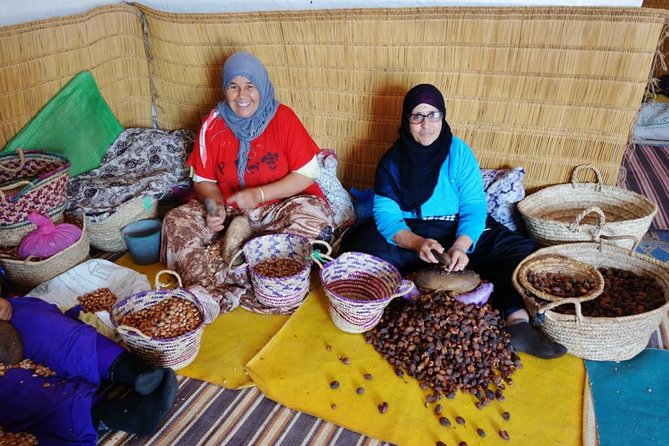
- Argan forest walk in Essaouira: endemic trees unique to southwest Morocco, with guide-led insights on life cycles and uses
- Berber tea time: traditional hospitality at a local family farm setting
- Marabout visit: a small saint’s temple in the village with elements dating back to the 16th century
- Women’s argan oil cooperative: see how the famous oil is produced and why it matters locally
- Small group size: maximum 12 travelers, which keeps the pace comfortable
- Clear time commitment: about 3 hours 30 minutes total with a mix of walking and cultural stops
Walking beneath the argan trees of southwest Morocco
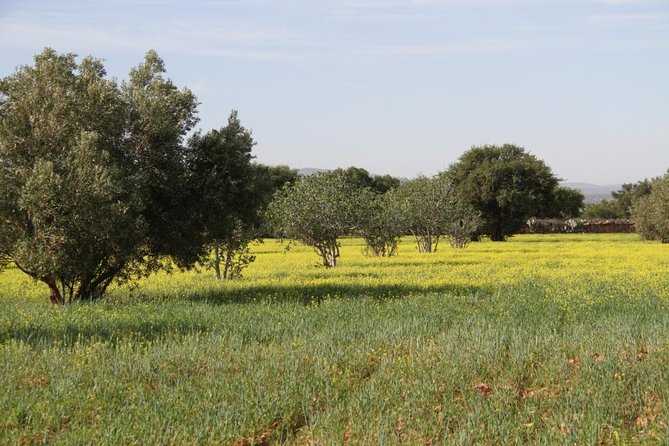
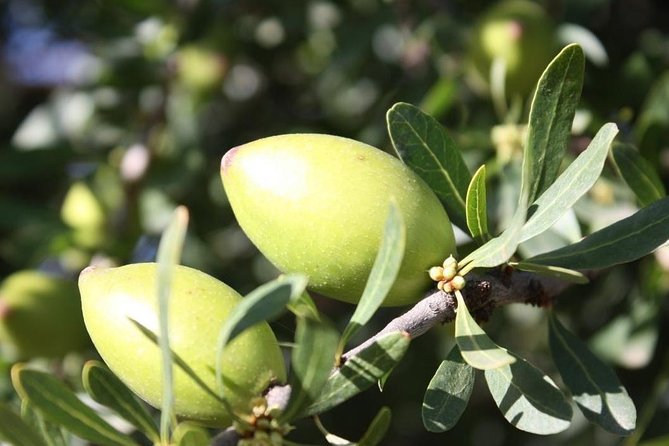
Argan trees are one of those places where geography turns into identity. These trees are endemic—found only in the southwest corner of Morocco—so when you walk among them in the Essaouira area, it feels less like “a forest” and more like a living local landmark. Expect a relatively easy walk that suits a leisurely pace, rather than a strenuous hike.
What makes the walk genuinely useful is how the guide frames the trees. You’ll hear about stages of the tree’s life cycle as it matures, plus what comes from the fruit: different argan products and their roles in local life. That means you’re not just looking up at branches—you’re learning how the landscape supports daily choices, from food to cosmetics.
If you’re the type who likes to understand how nature and people fit together, this format works. You’ll keep moving, but you’ll also keep learning. And with a small group (up to 12), you’re more likely to get answers tailored to what you notice as you walk.
You can also read our reviews of more tours and experiences in Essaouira.

The guide experience: more than a stroll, less than a lecture
A standout on this tour is how the guiding feels practical and responsive. In past groups, guides such as Naima, Faisal, and Malika have been praised for being friendly, patient with questions, and strong on local context. That matters because argan trees can sound abstract until someone ties them to real use.
You’ll also get a sense of Morocco beyond argan itself. The guide’s focus stays anchored in the forest and village stops, but questions often lead into broader daily life—how people farm, how traditions persist, and why the region’s identity is so tied to argan.
Here’s how I’d use that: go in ready to ask. If you see something during the walk—fruit, shells, growing conditions—ask what it means. The tone is set for a conversation, not just a timeline.
Stop at the women’s argan cooperative (Cooperative Marjana)
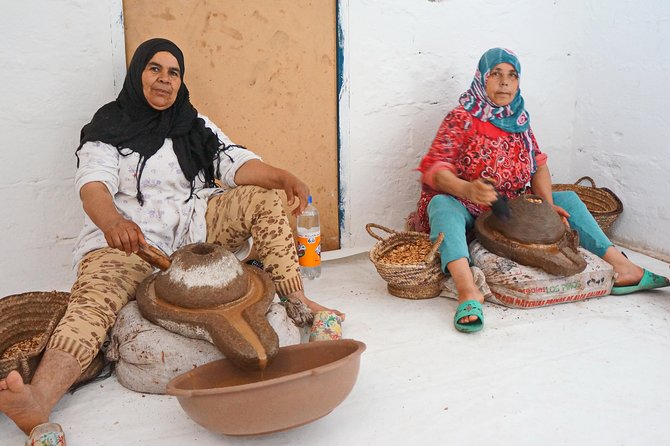
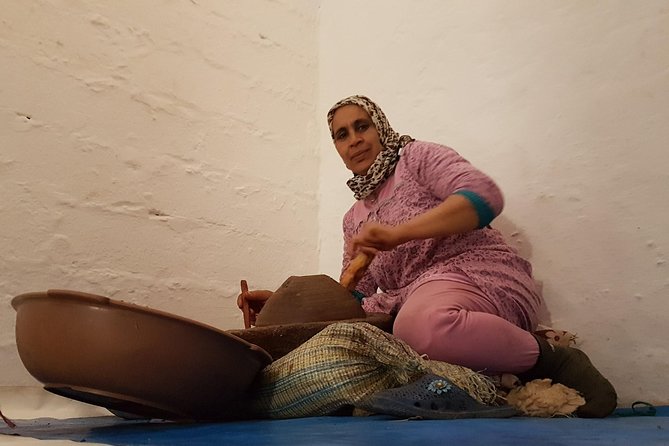
Your tour includes a visit to Cooperative Marjana (ARGAN OIL), where you’ll discover the secret of making argan oil. This is a key reason to book the tour instead of trying to do it on your own: the cooperative visit is built into a larger flow that starts in the forest and ends with understanding production.
What’s valuable here is the link between the tree you saw earlier and the final product. You’re not treated to a generic “this is argan oil” moment. Instead, you learn the process and why it’s tied to local livelihoods and culture. And because the cooperative is women-led, the visit also highlights how traditional knowledge and work translate into economic opportunity.
One practical note: oil-making activities can be sensory. Even if you don’t get messy, you may notice smells associated with processing and finished products. If you’re sensitive to strong odors, plan to keep your time there comfortable and don’t rush photos.
The village marabout: a 16th-century thread through everyday life
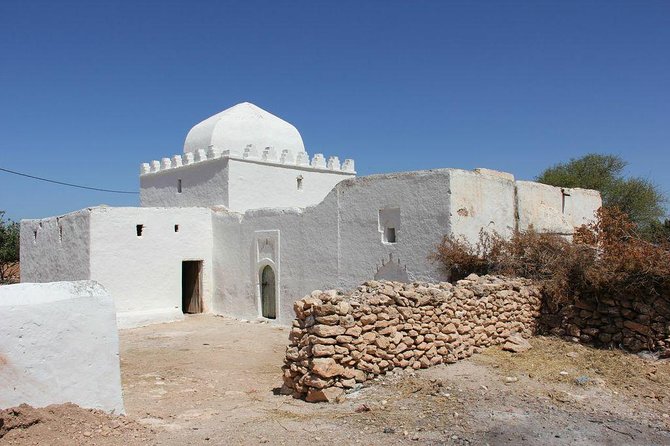
After moving through the argan landscape, you’ll walk through a small village and see a marabout, which is essentially a saint’s temple. Elements dating back to the 16th century make this stop feel extra grounded, because you’re not looking at a theme-park version of the past.
This part of the experience adds texture. The argan forest can be easy to frame as “nature,” but the marabout reminds you that the trees and the region live inside a human world with its own beliefs and traditions. The stop also helps you connect how sacred space and community life overlap—something you often miss when you only do beach or medina sightseeing.
Give yourself a few minutes to slow down here. A small structure can still carry big meaning, especially when you’re listening to what the guide explains.
Berber tea time: hospitality that feels local, not staged
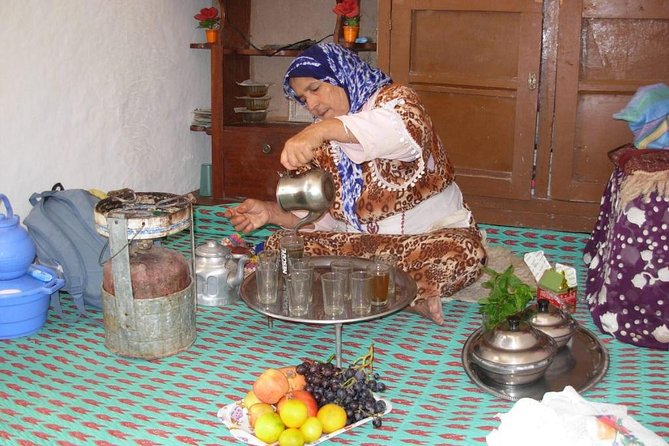
Tea with a Berber family is the emotional midpoint of the tour. You’ll be served Moroccan tea, and you’ll also have coffee and/or tea included, so you’re not leaving hungry or thirsty during the walking portions. This stop is where the experience turns personal: you’re welcomed into a farm setting rather than watching a performance from the outside.
What I like about this format is that it’s not only about drinking tea. It’s a cultural handshake. You’ll learn a bit about how daily life ties back to agriculture and local rhythms, and you’ll likely hear stories that make the argan conversation more human.
If you’re worried about comfort, don’t be. The tour is designed for most people to participate, and the overall pacing fits a relaxed morning.
What the 3 hours 30 minutes really feels like
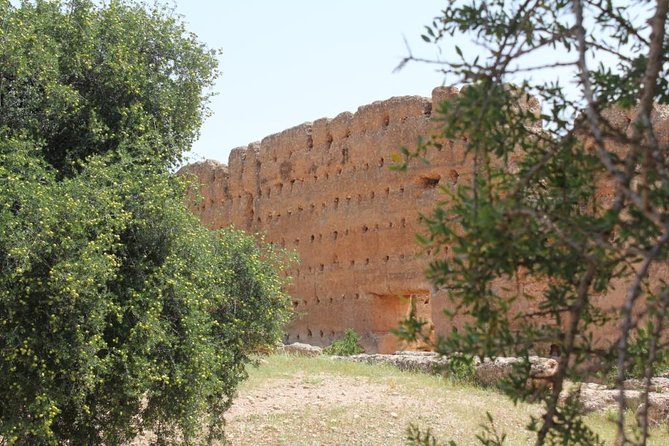
The tour duration is about 3 hours 30 minutes, and that time is used well. You’ll get a walk through the argan forest, a stop at the marabout in the village, tea time, and then the cooperative visit focused on argan oil production. It’s a full arc, so you come away with a start-to-finish understanding.
Still, pace matters. Even though the walk is described as relatively easy, it’s a walk. Wear shoes with traction and take your time at your own speed. If you’re the sort of person who likes to stop often for photos, just know that the group stays compact enough to keep things from feeling chaotic.
Also remember: bottled water isn’t included. It’s a simple thing, but it can make the difference between a comfortable morning and a dry-mouthed one. Bring water or plan to buy some nearby before you meet.
Group size and pickup: small comforts that reduce stress
With a maximum of 12 travelers, this tour is more manageable than the big-bus style experiences. In a small group, you’re less likely to feel rushed, and the guide can answer questions without yelling across the group.
The tour includes private transportation, and it starts at a specific meeting point in Essaouira: Labo Abdelkrim Khatabi d’Analyses Médicales, 287 Rue Oued El Makhazine, Essaouira 44000, Morocco. I’d recommend arriving a few minutes early so you can get your bearings fast.
And one more practical detail: you’ll receive confirmation at booking, and service animals are allowed. Those are small policy items, but they add comfort if you’re traveling with a companion who needs support.
Why this tour is great value at about $52
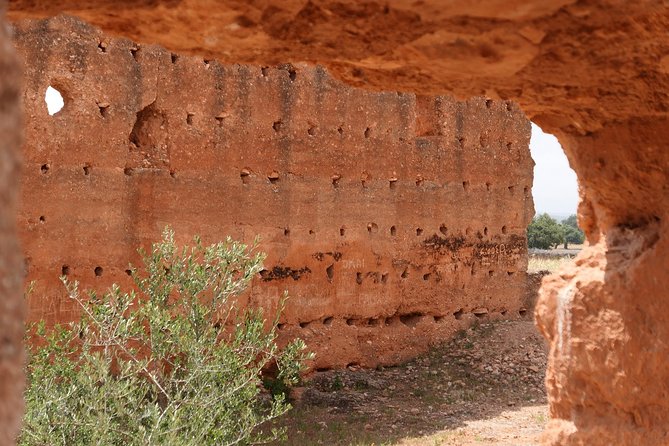
At $52.27 per person, this isn’t just a walk and a photo stop. You’re paying for an experienced guide, tea, and a structured visit to a women’s cooperative focused on argan oil making. That combination is often what makes the difference between a “nice outing” and a meaningful one.
You also get private transportation, which can save time and hassle—especially in Essaouira, where you’ll often be deciding between walking around on your own and using local logistics. If you’re trying to maximize your morning without stacking multiple separate activities, this format can be a good deal.
To judge value honestly, ask yourself: do you want to understand argan beyond surface-level facts? If yes, the cooperative visit and guide explanation are where your money goes.
Who should book this argan forest + cooperative experience
This tour fits best if you want:
- a relaxed morning in the Essaouira area with real local context
- a nature-cultural blend: forest ecology, village landmarks, and production at a cooperative
- a small-group experience where questions are welcome
It’s also a great match if you’re traveling with friends or family and want something that isn’t only medina browsing. The walk gives you a break from crowds and gives you a different side of Morocco’s everyday geography.
If you’re short on time but still want depth, this works as a compact “story arc” of argan—from tree to product to community.
Should you book this tour?
If your plan is Essaouira plus a couple of day moments you’ll actually remember, I think this is worth booking. The walk under argan trees, the Berber tea stop, the marabout visit, and the cooperative learning about argan oil create a flow that’s hard to replicate on your own without local guidance. And the fact that guides like Naima, Faisal, and Malika are consistently praised for their friendliness and patience is a strong sign you’ll feel comfortable asking questions.
Book it especially if you care about how places function—how ecology connects to culture and livelihoods. Just come with good shoes, a small appetite for learning, and a backup plan if weather changes.
FAQ
How long is the tour?
The experience lasts about 3 hours 30 minutes.
Where does the tour start and end?
It starts at Labo Abdelkrim Khatabi d’Analyses Médicales, 287 Rue Oued El Makhazine, Essaouira 44000, Morocco, and it ends back at the same meeting point.
What’s included in the price?
The tour includes private transportation, an experienced guide, tea on a farm with a Berber family, and Moroccan tea (coffee and/or tea). Admission ticket for the cooperative stop is included.
Is bottled water included?
No. Bottled water isn’t included.
What do you do at the women’s cooperative?
You visit Cooperative Marjana (ARGAN OIL) and learn how argan oil is made.
Is this walk strenuous?
No. A large section of the experience is a relatively easy walk suitable for a leisurely ramble, and most travelers can participate.
How big are the groups?
The tour has a maximum of 12 travelers.
What happens if the weather is poor?
If the experience is canceled due to poor weather, you’ll be offered a different date or a full refund.