REVIEW · JAKARTA
Jakarta: Volcano, Tea/Rice Fields, Hot Spring, Local Food
Book on GetYourGuide →Operated by Ekaputratour · Bookable on GetYourGuide
Java rewards you fast. One morning you’re staring into an active volcano crater with sulfur fumes and bubbling mud, then you’re sampling honey pineapple and other unusual fruits. I love that the day mixes big natural drama with small, tasty cultural details. The only real catch: it’s a long, early ride out of Jakarta, and some stops are more about photos than hands-on exploring.
This tour runs with a small group (up to 10) and an English-speaking guide. Guides like Tio, Rizky, Bryan, Nanda, and Isabella show up on this route and tend to focus on clear explanations and good timing. You’ll also have a patient driver, because those mountain roads can be a lot in a day packed with stops.
Plan around the schedule. You’re picked up around 7:00–7:25 AM and you’re back in Jakarta around 7:00–8:00 PM (sometimes later on weekends). Bring good walking shoes, and don’t leave towel and a change of clothes at home—especially if hot springs are a main reason you booked.
In This Review
- Key things I’d highlight before you go
- From Jakarta to the highlands: the long morning drive that pays off
- Subang fruit paradise: honey pineapple and the fun of tasting things you can’t pronounce
- Tangkuban Parahu volcano: sulfur scent, bubbling mud, and the sound of the mountain
- Lembang area coffee and tea stops: small lessons that make the cup taste different
- Coffee cultivation center (Lembang): plant, beans, and the Luwak question
- Tea plantation area: history and harvesting in active country
- The rice fields and village moments: real work, quick glimpses, good photos
- Lunch in the hills: good fuel, sometimes not the most interesting meal
- Sari Ater hot springs at Ciater: sulfur soak, relaxing foot massage, and one key reality check
- The “value” part: why this costs about $114 and still feels fair
- Timing and comfort: how to make the day feel easy instead of exhausting
- Who should book this Bandung volcano day trip
- Should you book it? My straight answer
- FAQ
- What time does pickup start and what time do I get back to Jakarta?
- How long is the tour?
- Is hotel pickup and drop-off included?
- How big is the group?
- Is the tour guide English-speaking?
- What’s included besides sightseeing?
- Do I skip the ticket line?
- What should I bring?
- Can I cancel for a full refund?
- Is the tour suitable for people with mobility impairments?
Key things I’d highlight before you go
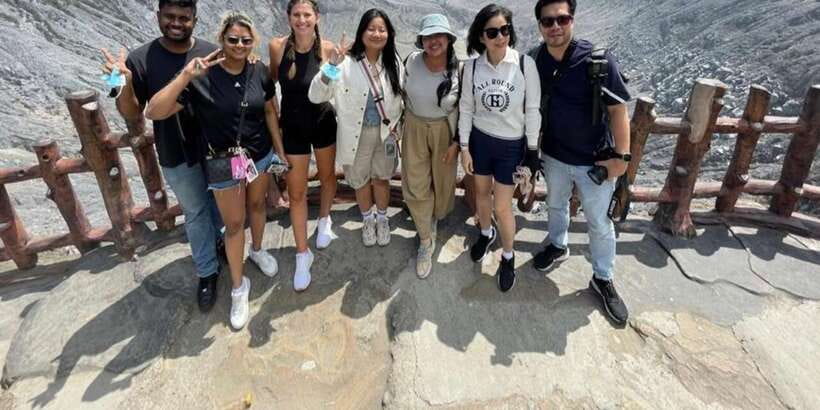
- Active crater time at Tangkuban Parahu: you get close enough to smell sulfur and see bubbling mud.
- Fruit tasting that actually feels local: honey pineapple, mangosteen, and more tropical surprises.
- Coffee and tea education in the hills: you’ll visit cultivation centers and learn how products go from plant to cup.
- Hot springs plus massage: a warm reset after volcano and walking.
- Small-group pace: easier conversations and more flexibility for photo stops and breaks.
From Jakarta to the highlands: the long morning drive that pays off
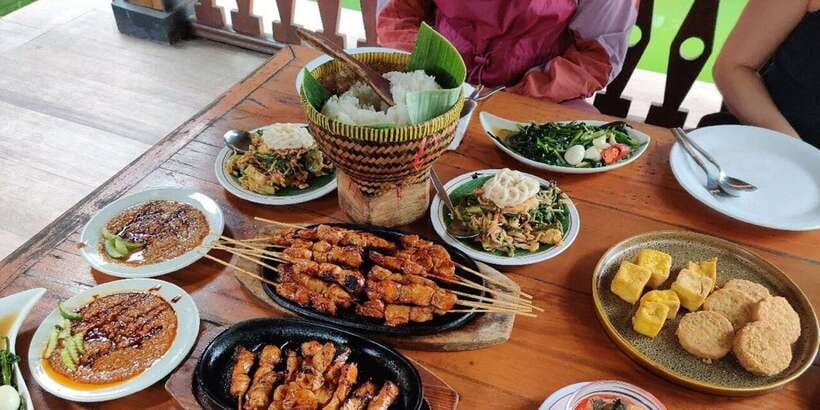
The day starts with pickup in the Jakarta area, usually between 7:00 and 7:25 AM. Then you’re on the road toward Subang and Bandung. Expect a 2.5 to 3-hour drive before you even reach the hills.
That drive matters more than you might think. By the time you climb higher, the air usually feels cooler, the pace slows down, and the whole day shifts from city noise to real Java scenery. It’s also why this works best as a day trip if you like being scheduled but not rushed at each stop.
One practical note: you’ll be in an air-conditioned van for hours. Bring something to layer up, because mountain breezes can feel colder than you expect once you’re out of the city.
You can also read our reviews of more tours and experiences in Jakarta.
Subang fruit paradise: honey pineapple and the fun of tasting things you can’t pronounce
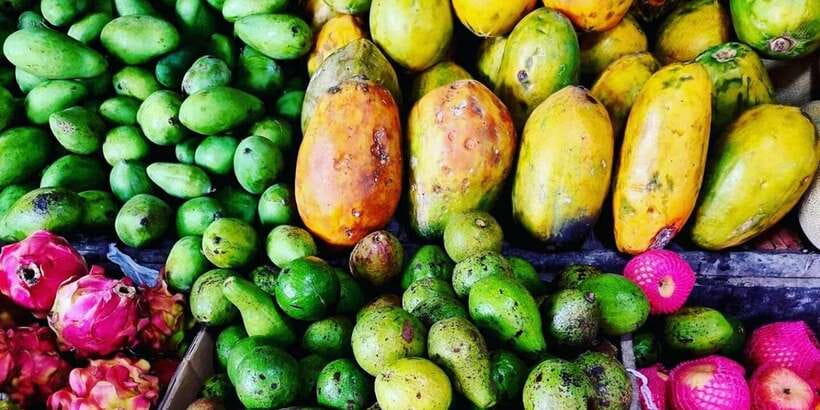
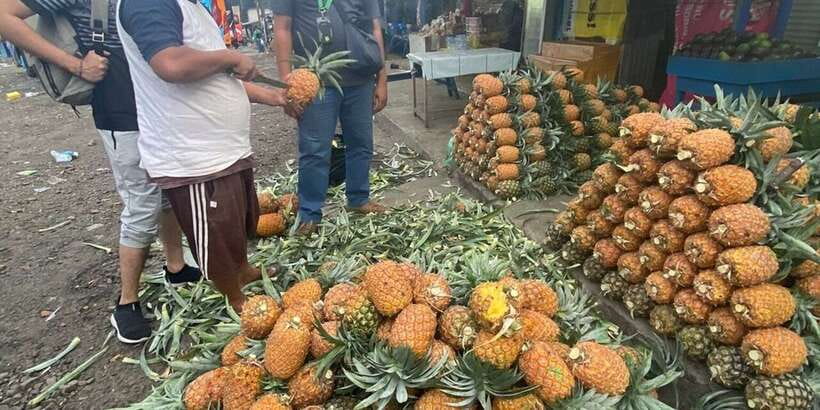
Before the volcano, you’ll get a fruit stop. Think of it as a guided taste test of Indonesia’s fruit world, with local names and quick context from your guide. This is where honey pineapple usually steals the show.
You might try fruits like:
- honey pineapple
- snakeskin fruit
- mangosteen
I like that the fruit break isn’t just a snack. It’s a reset before the day gets intense, and it teaches you what to look for when you spot similar fruit later.
Two tips if you’re serious about fruit:
- Bring water (you get bottled water) and pace yourself. You’ll have more tasting later and also be walking.
- If you’re not sure about snakeskin fruit, start with a small portion. It’s sharp in texture, and the guide can help you handle it.
Some guides also end the day by giving you honey pineapple to take with you. It’s a simple touch that makes the trip feel complete, not just “arrive and leave.”
Tangkuban Parahu volcano: sulfur scent, bubbling mud, and the sound of the mountain
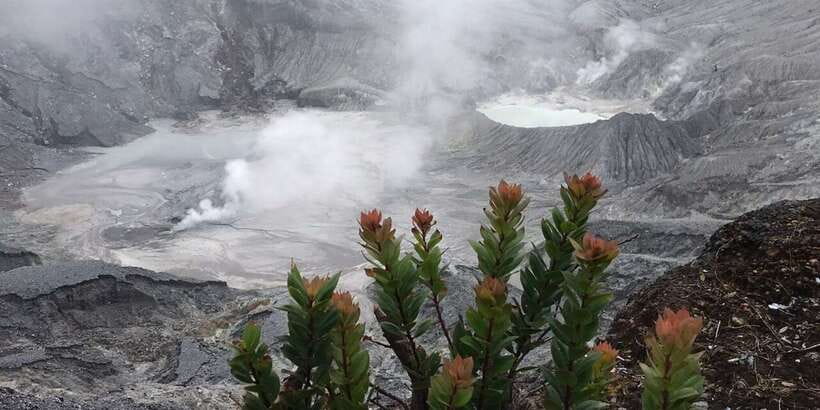
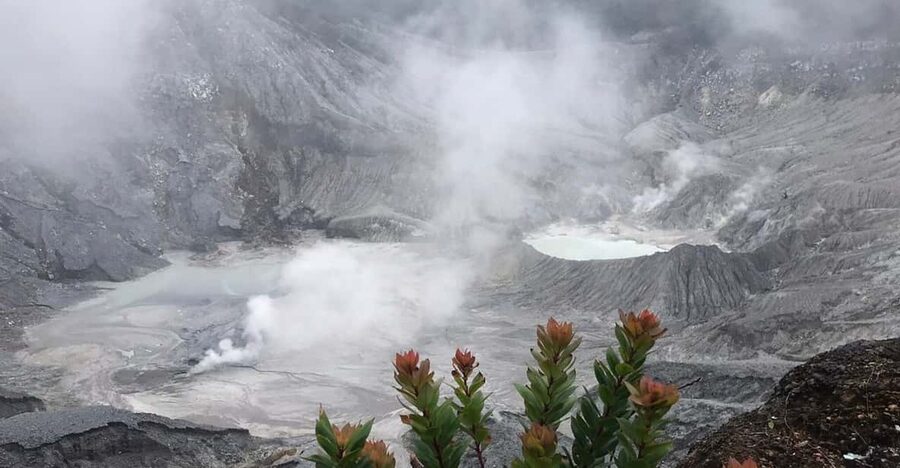
Now for the main event: Tangkuban Parahu. This stop is set in lush rainforest and focused on the crater views.
You’ll get a photo stop plus time to walk around and take in the scenery. The standout part here is being close enough to notice the details: sulfur smell, bubbling mud, and occasional rumbling. This is the kind of “real” volcano moment that doesn’t need a fancy explanation.
You may also see wildlife around the area, including wild monkeys in the surrounding rainforest. Don’t approach them. Keep your distance, keep your phone/camera secured, and let them do their own thing.
What to expect in terms of effort: comfortable walking shoes matter. You’re not doing a long trek, but you’ll still want solid grip and support, because you might be moving on uneven ground.
A small caution about people selling at the viewpoints: expect some pitchy vendors. If you’re firm and keep walking, it usually turns into a non-issue. If you’re uncomfortable with that style, treat this as “quick photo, quick move on.”
Lembang area coffee and tea stops: small lessons that make the cup taste different
After the volcano, the day keeps rolling toward Lembang. This is where you get the hands-on plant side of Indonesia: coffee and tea.
Coffee cultivation center (Lembang): plant, beans, and the Luwak question
You’ll visit a famous local coffee cultivation center in the Lembang area. The coffee topic is a big deal here, and your guide will show you the coffee plant and beans while explaining the process, benefits, and types of coffee.
You’ll often see references to kopi luwak, which can be controversial depending on how animals are treated. From the experience data I’ve been given, your stop may feel commercial to some people, and there are accounts where cages and the final coffee preparation felt less authentic. I can’t predict what you’ll see on your exact day, but you can walk in with your eyes open.
Practical way to handle it:
- Ask your guide what they’re using for the tastings (bean source and how it’s processed).
- If the animal setup doesn’t sit right with you, you can still enjoy the plant and bean explanation without turning the whole visit into a moral debate.
Also, keep expectations flexible about the final cup. Some days emphasize the story more than the final taste.
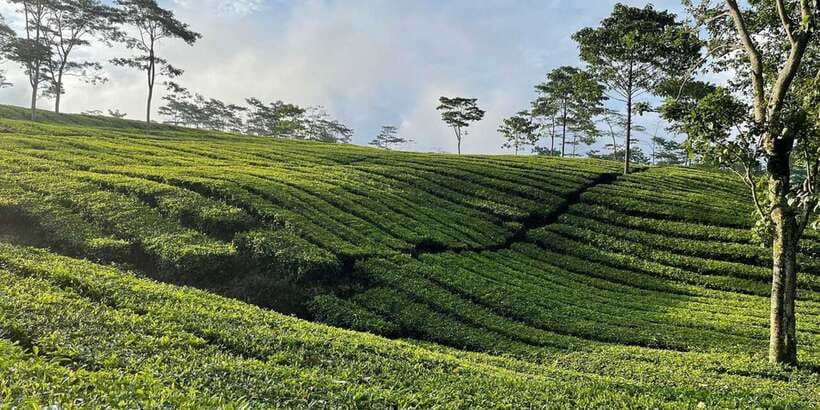
Tea plantation area: history and harvesting in active country
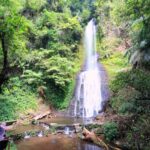
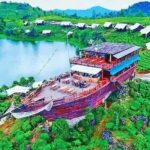
Later, you’ll visit a tea plantation located within an active volcano area. You’ll learn about tea history, cultivation, types, and harvesting. Then you’ll have time for photographs, because the views are often the reason people want to stop here for a while.
This portion feels best if you like slow observation. Watch how plants are managed, listen to the harvesting timing explanations, and take a few calm minutes even if the schedule is tight.
The rice fields and village moments: real work, quick glimpses, good photos
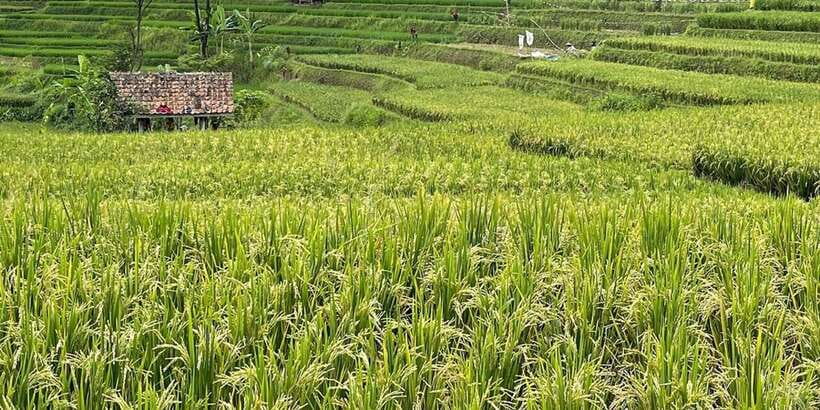
Between coffee and tea, you’ll also pass through scenic village areas and rice fields. You’ll have stops for photos and short walking segments, with chances to see local farmers at work.
Here’s the balance: you’re not in rural Java for weeks. You’re getting glimpses. Still, those glimpses can be meaningful because you’re seeing agriculture as daily labor, not as a staged background.
If you want more than photos, make use of small walking time and ask your guide how the farming works. Your guide’s job is to connect what you see to how people live.
Lunch in the hills: good fuel, sometimes not the most interesting meal
Lunch is included, usually in the Lembang area, and it’s set up as a 1-hour break. This is your energy moment before hot springs.
In the feedback I’ve been provided, lunch quality gets mixed. Some people loved it. Others found it more generic—more fried items and less flavor variety than they hoped for.
My advice: treat lunch as practical fuel, not the highlight of your day. If you’re picky, be ready for a simple meal. If you’re adventurous, it’ll do the job and keep you going.
If you can, try to eat a bit earlier in the lunch window. Mountain weather and traffic can stretch timing, and you don’t want to be hungry during the afternoon.
Sari Ater hot springs at Ciater: sulfur soak, relaxing foot massage, and one key reality check
At the end of the day, you hit the hot springs: Sari Ater Hot Springs Ciater.
This is where the tour shifts from active sightseeing to body reset. The waters are warm and sulfur-infused, and the hot spring part includes time for swimming (about 1 hour) and relaxing. Many people also enjoy the included foot massage.
Two things to know before you go in:
- You might find the pools are mostly shallow. Some hot-spring pools are reportedly only up to your calf, so full-body floating isn’t the point.
- The water is hot. It feels amazing after volcano walking, but go in slowly and don’t rush the first soak.
If you want this to feel worthwhile, treat it like a ritual: soak, breathe, and let your body cool down gradually after. It’s one of the best ways to end a long day.
The “value” part: why this costs about $114 and still feels fair
A $114 price tag sounds like a lot until you break down what’s inside. This trip runs about 14 hours, with:
- hotel pickup and drop-off in the Jakarta area
- air-conditioned transportation
- an English live tour guide
- volcano and hot spring entrance fees
- all other entrance fees
- bottled water
- fresh local fruit tasting
- lunch at a local restaurant
- toll and parking fees
- hot springs time plus massage
Add that up and you’re mostly paying for logistics and guide time, not just a couple attractions. The small-group limit (up to 10) also matters. It reduces the “herded group” feeling and makes it easier to get attention for questions, especially around volcano safety and what you’re seeing.
The other big value piece is time efficiency. Instead of planning separate trips for volcano, coffee, tea, and hot springs, you get one coordinated day with minimal hassle.
Timing and comfort: how to make the day feel easy instead of exhausting
This isn’t a light itinerary. You’re out around 7 AM and you’re back around 7 to 8 PM. Mountain roads and stop-and-go traffic can wear you out.
To make it smoother:
- Wear comfortable shoes. The volcano stop includes walking.
- Bring a change of clothes and a towel for hot springs.
- Plan for a late dinner. You’ll likely be hungry on the return ride.
If you’re sensitive to carsickness, take precautions before you go. The day is long and the road has curves.
Finally, note the pickup expectation: the guide will contact you shortly before reaching your hotel and wait outside the lobby, usually not more than about 10 minutes after the scheduled pickup time. Be ready at the front.
Who should book this Bandung volcano day trip
This tour is a strong fit if you want:
- one-day access to an active volcano crater, hot springs, and coffee/tea/agriculture
- food-focused stops (fruit tasting and local lunch)
- an English guide who explains what you’re seeing
It also tends to work well for solo travelers because the group stays small, and the guide helps keep things organized.
It may not be the best choice if:
- you use a wheelchair or have mobility limits (it’s not designed for that)
- you’re over 70 or over 80, since the walking and timing can be difficult
If you’re fit, comfortable on your feet for short stretches, and you like being out all day, this fits nicely.
Should you book it? My straight answer
Book it if you want a tightly packed day that connects three big themes: volcano geology, real plantation life, and simple local food. The best moments are the crater close-up with sulfur and bubbles, plus the fruit tasting that feels more cultural than touristy.
Think twice if you hate long drives, dislike animal-related controversies around coffee, or really want hot springs to be a deep, long swim experience. The hot spring setup may feel shallow, and the coffee stop may feel commercial on some days.
If you’re okay with “more stops, less lingering” and you come prepared, this tour is good value for the price. It’s the kind of day that gives you stories fast: volcano rumble, rainforest views, and a honey pineapple moment you’ll remember.
FAQ
What time does pickup start and what time do I get back to Jakarta?
Pickup starts around 7:00–7:25 AM. You return to Jakarta around 7:00–8:00 PM.
How long is the tour?
The total duration is about 14 hours.
Is hotel pickup and drop-off included?
Yes. Hotel pickup and drop-off are included for the Jakarta area.
How big is the group?
The group is limited to 10 participants.
Is the tour guide English-speaking?
Yes. You get a live tour guide in English.
What’s included besides sightseeing?
Entrance fees for the volcano and hot springs are included, along with bottled water, fruit tasting, and lunch at a local restaurant. Toll and parking fees are also included.
Do I skip the ticket line?
Yes, it includes skipping the ticket line.
What should I bring?
Bring comfortable shoes, a change of clothes, a towel, and comfortable clothes.
Can I cancel for a full refund?
Yes. Free cancellation is available up to 24 hours in advance for a full refund.
Is the tour suitable for people with mobility impairments?
No. It’s not suitable for people with mobility impairments or wheelchair users, and it also isn’t recommended for people over 70 or over 80.