REVIEW · JAKARTA
From Jakarta : Volcano, Tea & Rice Fields, Hot Spring
Book on GetYourGuide →Operated by PT. Trip Your Tour · Bookable on GetYourGuide
A volcano crater and warm sulfur water in one day is a good combo. I like the up-close Tangkuban Parahu experience for the real-smelling sulfur and bubbling mud, and I also like the hot springs break where you can swim or just soak your legs. The main drawback: it’s a long day of driving, and you’ll start early, so you’ll want to pace your energy from the start.
With an English-speaking guide, you’re not just moving between stops—you’re learning what you’re seeing, from fruit stalls to coffee and tea production. Guides like Budi, Nabila, and Enok (and drivers such as Samir) are clearly focused on making the route feel personal, not rushed. Bring a jacket for the morning, and be ready for a full 12 hours back-to-back.
In This Review
- Key highlights you’ll actually feel
- From Jakarta pickup to the West Java route
- Bandung fruit market: honey pineapple plus the fun of tasting
- Rice fields and the village rhythm between towns
- Tangkuban Parahu volcano crater: up close with sulfur and mud
- Lunch in Bandung: a real local reset
- Luwak coffee Cikole: learning the civet coffee story and tasting it
- Tea plantation in a volcano region: what you learn while you walk
- Sari Ater hot springs: sulfur warmth and the best kind of reset
- The honey pineapple send-off before you return to Jakarta
- Private guidance that makes the day feel personal
- Price and value: what you’re really paying for
- What to bring, and how to plan your day
- Who this tour is best for
- Should you book this Volcano, Tea & Rice Fields, Hot Spring tour?
- FAQ
- How long is the tour?
- What time does pickup start in Jakarta?
- Where does the tour start and end?
- What language is the live tour guide?
- Is this a private group tour?
- What is included in the price?
- What should I bring?
- Are tipping and gratuities required?
- Is the hot springs time included?
- Is free cancellation available?
Key highlights you’ll actually feel
- Tangkuban Parahu crater visit: walk in close to the active area, smell the sulfur, and watch bubbling mud
- Bandung fruit market tastings: honey pineapple, mangosteen, and other local fruits
- Luwak coffee at Cikole: learn how civet coffee is produced and taste it on the spot
- Tea plantation in a volcano region: see how tea farming works and what harvesting looks like
- Sari Ater hot springs: warm sulfur water for a reset before the long drive back
From Jakarta pickup to the West Java route
This tour is built around one big idea: pack in a volcano day without you planning anything. You’ll be picked up from your Jakarta hotel lobby around 7 to 7:25 am, then you’ll ride in an air-conditioned vehicle while the landscape changes from city to countryside.
The driving time is part of the experience, but it’s also the one thing to respect. You’re looking at roughly 2.5 to 3 hours toward Subang and Bandung before the first major stop, and then you’ll do that again later on the way back. If you’re the type who likes to bounce between sights only with minimal transit, plan to snack and settle in early rather than trying to be fully “on” from stop to stop.
You can also read our reviews of more tours and experiences in Jakarta.
Bandung fruit market: honey pineapple plus the fun of tasting
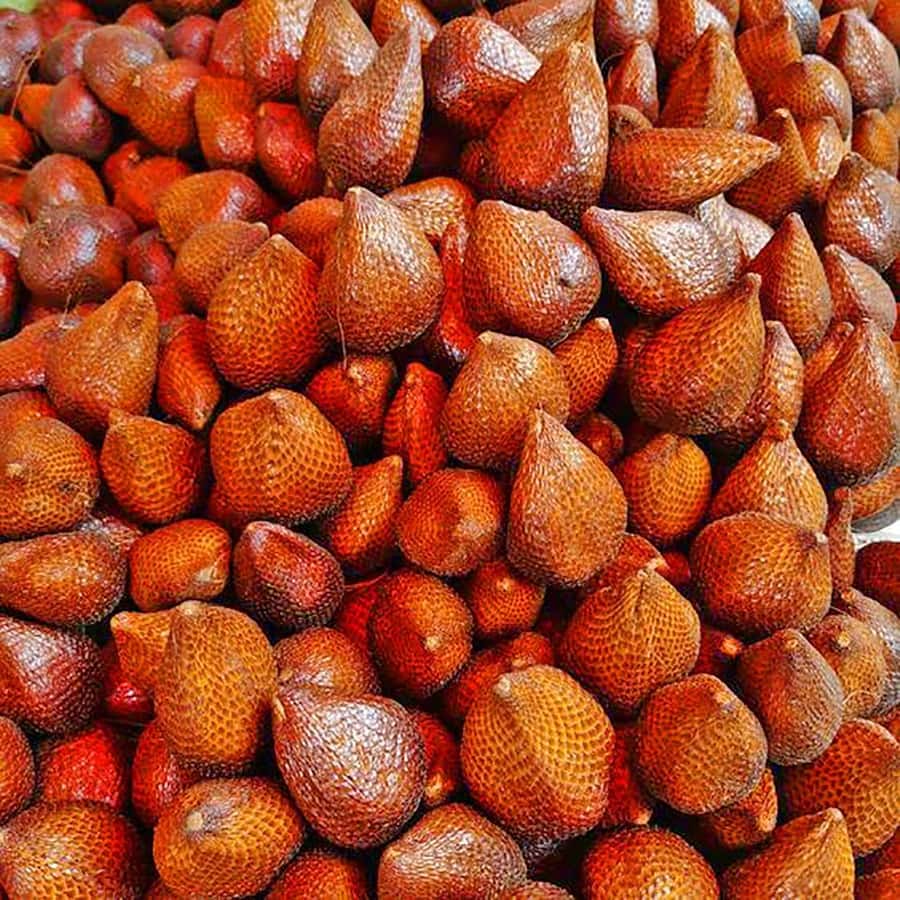
The day opens with a stop at Bandung’s largest fruit market, and that’s a smart way to start. It gets your senses working right away, and it’s not just photo bait. You’ll get to try local fruits like mangosteen, plus the standout honey pineapple that’s famous for being sweet and juicy.
Here’s why this matters: in places like Bandung, fruit isn’t a side quest—it’s part of everyday life, and tastings teach you what locals consider top quality. Your guide will usually point out what to look for, and it helps you make sense of the flavors you’re tasting instead of guessing.
One small timing note: market stops are often tight, so bring your appetite. If you want more fruit later, there’s a good chance you’ll want to remember which ones you liked most.
Rice fields and the village rhythm between towns
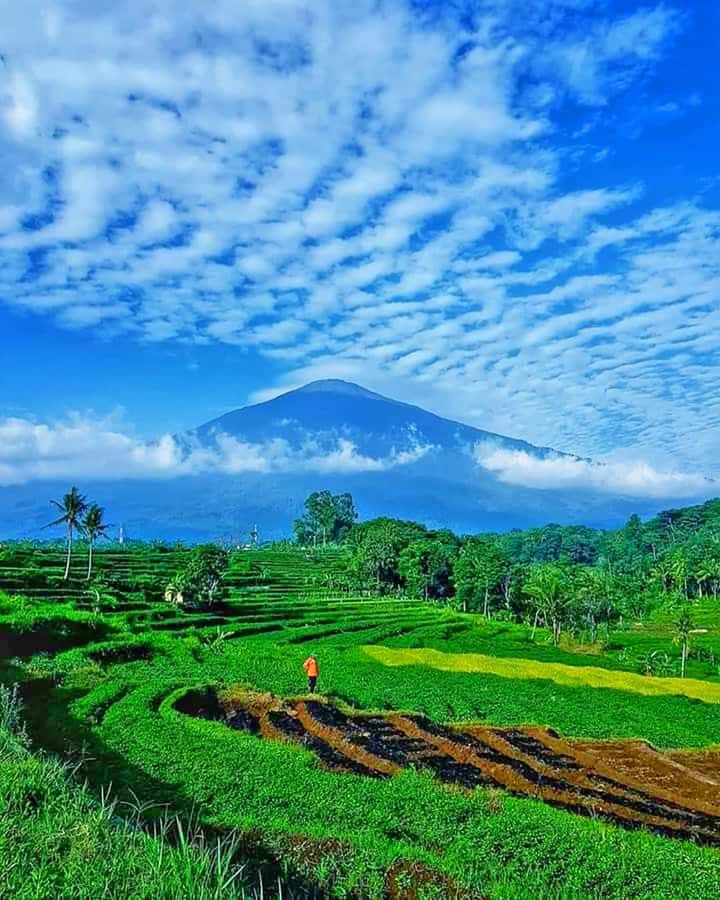
You’ll also get a pause near rice fields, where you can watch farmers at work. This is one of those moments that can feel simple—until you realize you’re seeing how food landscapes actually function.
This stop isn’t about walking miles or climbing viewpoints. It’s more about slowing down long enough to observe how people move through the day: fields, tools, and the practical pace of farming. If you like photography, you’ll have chances for nice shots, but the real value is the feeling of being in a real working area rather than a staging point.
If you’re prone to motion sickness, keep an eye on comfort during the drive sections before and after this. The roads to and from rural stops can be bumpy at times, even when the car is comfortable.
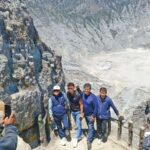
Tangkuban Parahu volcano crater: up close with sulfur and mud
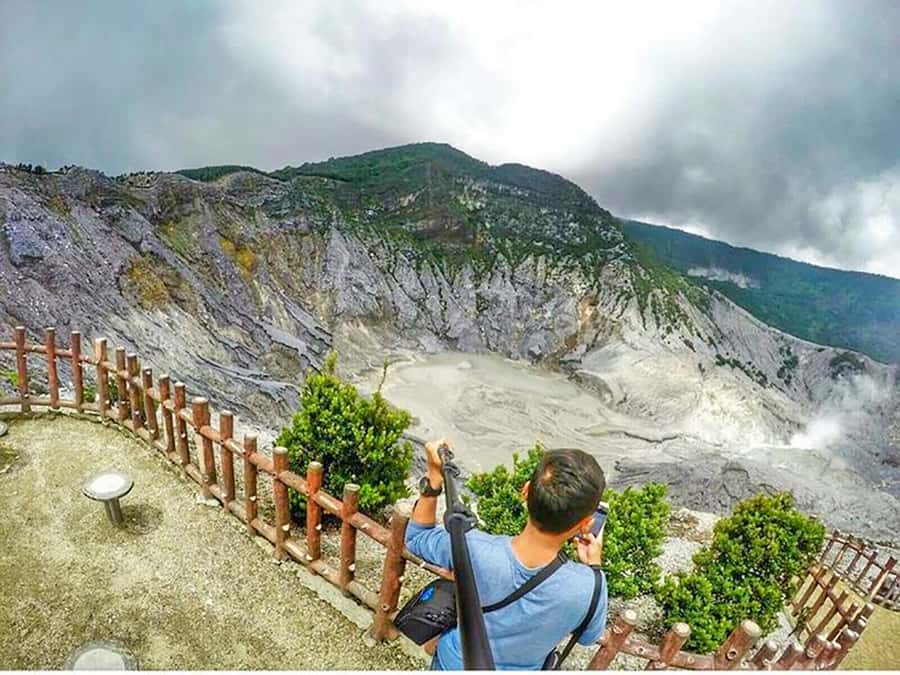
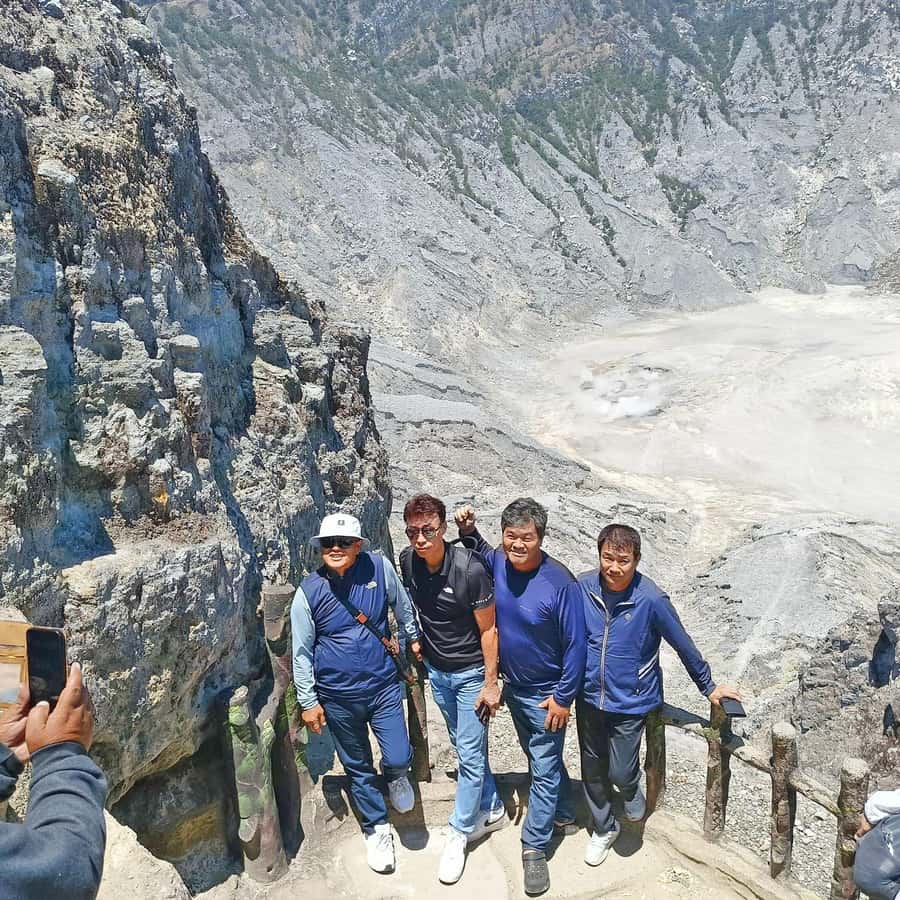
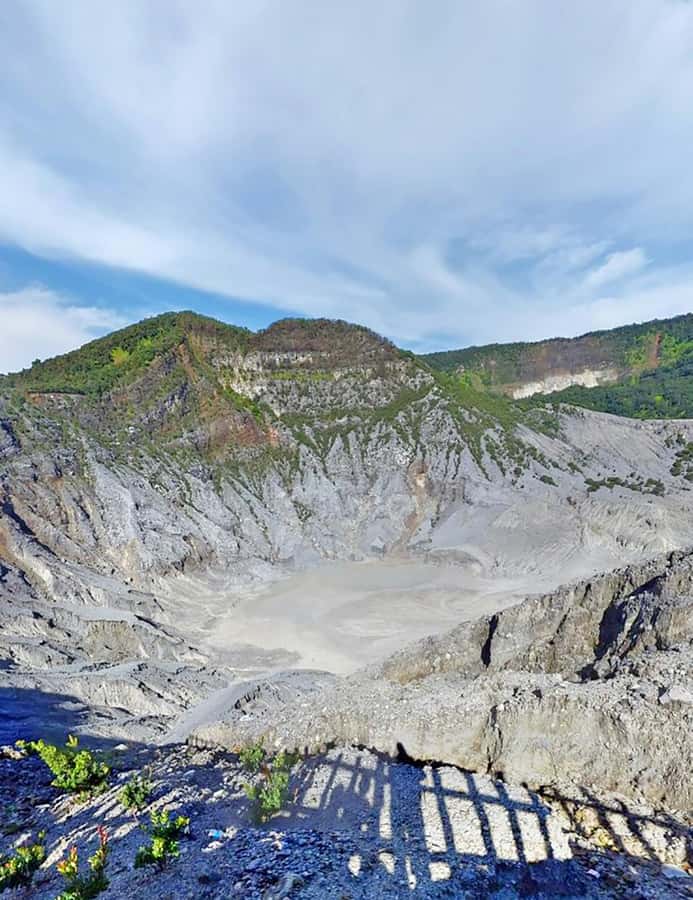
Now for the star. The Tangkuban Parahu volcano visit includes guided exploration and a dedicated 2-hour window. This is the kind of stop you remember by smell as much as by sight.
You’ll get close enough to see the crater area where sulfur hangs in the air, and you may notice bubbling mud. Sometimes you can even hear the volcano rumble, which adds a little realism that you don’t get from distant viewpoints. It’s dramatic, but it’s also educational: your guide can explain what you’re looking at and what signs of activity actually mean.
What to watch for:
- Wear what you can handle comfortably if it’s cooler and damp around the crater.
- Take your time at the viewpoints. The best moments often happen when you pause rather than when you speed through.
Because this is an active area, you’ll want to follow your guide’s instructions closely and keep your footing sure. A jacket helps here—West Java mornings can feel sharper than the Jakarta heat you left.
Lunch in Bandung: a real local reset
Between the volcano-adjacent stops and the next plantation experiences, you’ll have break time and lunch (about 1 hour). You’re eating at a local restaurant, which is usually a good trade-off on a tour like this: you avoid searching for food while also getting something filling enough to last through the next activities.
A practical tip: treat lunch as your energy anchor. After this, you’ll likely be walking and standing around more, including at the hot springs later. Even if you don’t eat much, drink water and keep your pace steady.
Luwak coffee Cikole: learning the civet coffee story and tasting it
After the morning intensity, the tour shifts into a calmer, more hands-on learning stop at Kopi Luwak Cikole. You’ll have about 1 hour here, including a break and a guided visit.
You’ll see how Luwak (civet) coffee fits into the production chain, and you’ll also taste the coffee. Then you’ll have time to browse and purchase coffee products if you want to take something home.
Two things I like about this kind of stop:
- You’re not only tasting a product—you’re hearing how it’s made and why it’s different.
- The tour format makes it easier to ask questions in plain English rather than guessing from a sign.
About the coffee itself: taste comes down to your preference. If you like strong, earthy flavors, you’ll probably enjoy it more than if you’re expecting something mild. Either way, the tasting is a fun way to end the morning’s sensory overload without losing the “learning” aspect of the day.
Tea plantation in a volcano region: what you learn while you walk
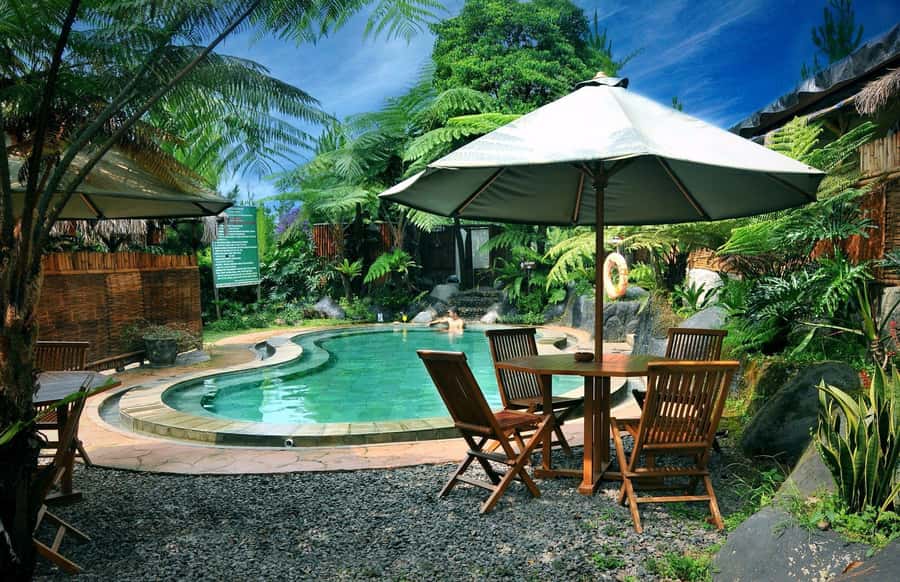
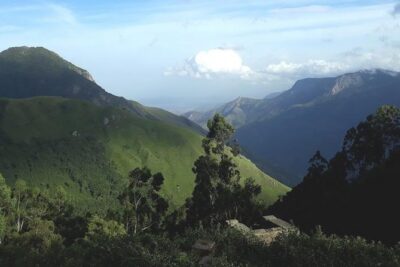
Next comes a tea plantation visit set within an active volcano area. The idea isn’t just to look at green plants—it’s to understand tea cultivation: history, cultivation methods, the kinds of tea you can find, and how harvesting works.
This is one of those stops that pays off if you enjoy connecting food to place. The “active volcano” location also helps explain why people talk about the region’s growing conditions. Even if you don’t become a tea expert, you’ll walk away with a clearer sense of what goes into a cup.
Photo lovers will enjoy this part, too, because you often get open sightlines and workable scenes for pictures. If it’s misty or cool, you may get that soft, fresh feel around the plantation—just remember you’ll likely want that jacket again.
Sari Ater hot springs: sulfur warmth and the best kind of reset
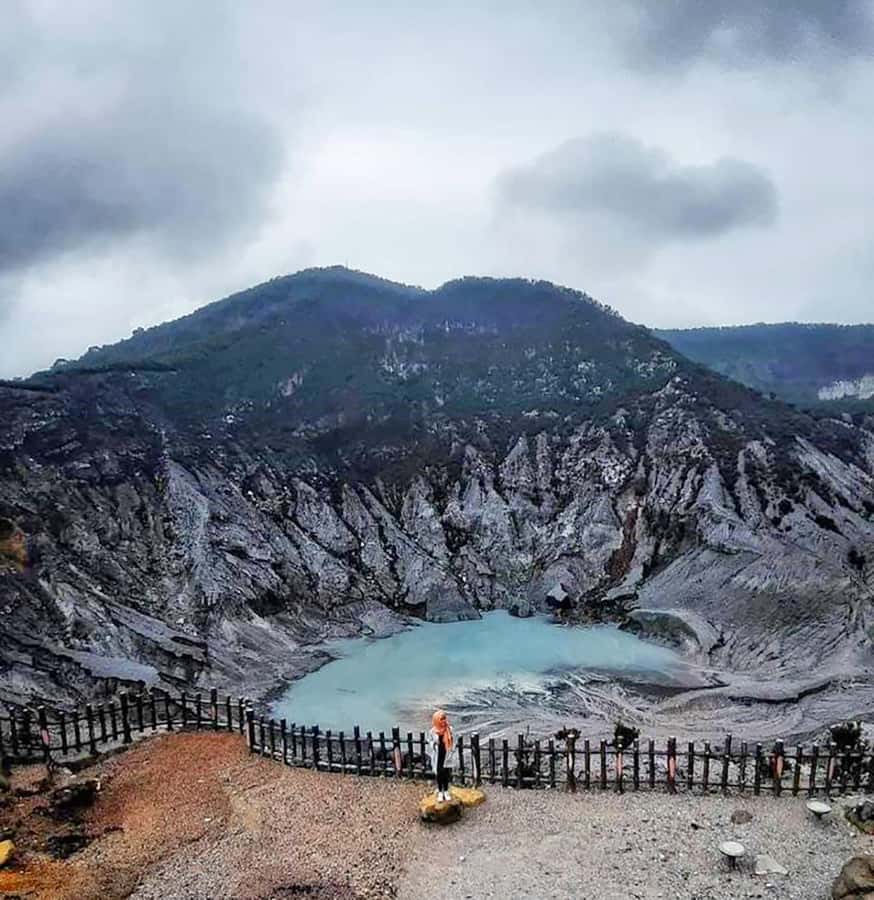
After coffee and tea, you reach Sari Ater Hot Spring Water. This is the release valve. You’ll have about 2 hours here for guided orientation and time to relax.
This hot spring is known for warm waters infused with sulfur. You can swim or just put your legs in, which is great if you’re not sure how “hot” you can handle. Either way, the water works like a reset for sore legs and a mental pause after the volcano and plantations.
A note on comfort: wear something you can change out of easily. Bring a towel if the operator doesn’t provide one (the data doesn’t confirm), and keep your phone protected. Sulfur water is part of the charm, but you don’t want regret over a wet device.
There’s also mention of a local body massage. The key point for you is that it’s a nice add-on during downtime. If you’re the type who likes to schedule recovery, ask your guide about options on-site.
The honey pineapple send-off before you return to Jakarta
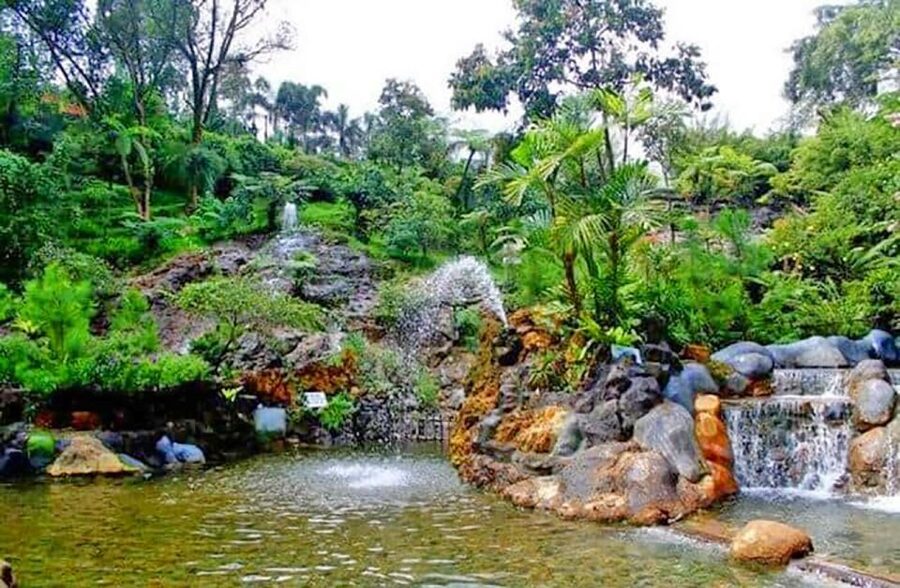
One of the nicer touches near the end of the day is the focus on fruit again. Before heading back, you’ll enjoy the unique Honey Pineapple, and it’s described as handpicked by your guide.
I like this because it ties the day together. You start with fruit tastings, you end with the same idea—but with a story, and with a sense that you’re taking home something you didn’t just buy in passing. If you’re traveling with picky eaters, this is also a safe souvenir choice since the fruit is famously sweet.
Then it’s the 3-hour drive back to Jakarta, typically landing around 7 to 8 pm. On weekends, it may run a little later. If you have any evening plans, keep them flexible.
Private guidance that makes the day feel personal
The best part of this tour isn’t just the list of stops. It’s the way a good guide turns each one into something understandable and less touristy.
I especially liked the examples from past experiences: Budi is described as kind and well prepared, while Nabila brought knowledge plus stories that made each stop feel more meaningful. Enok and Samir also show up in accounts as friendly, patient, and good at helping you through the day. Even if your guide isn’t one of those names, you’ll still want that same vibe: clear explanations in English and a calm confidence at each location.
This tour is also private group, which matters more than it sounds. You’re less likely to feel like you’re stuck in a rushing crowd. You can ask questions when you have them, and you can adapt your pace at places like the crater or hot springs.
Price and value: what you’re really paying for
At $135 per person for a 12-hour day, the value comes from what’s bundled.
You’re not just paying for a driver. You also get:
- Hotel pickup and drop-off
- An air-conditioned vehicle
- A tour guide in English
- Entrance fees (including volcano admission)
- Fresh fruit tastings
- Lunch at a local restaurant
- Toll and parking fees
- Bottled water
When those costs stack up, the final price starts to make more sense. The tour reduces your planning work and removes the risk of getting stuck with a “transport-only” day that doesn’t include key admissions.
Tipping isn’t compulsory, but it’s always a nice appreciation if your guide and driver take good care of you.
What to bring, and how to plan your day
The tour gives one direct packing tip: bring a jacket. Even if you’re arriving from hot weather in Jakarta, the morning near the volcano and open plantation areas can feel cooler.
Because you return around 7–8 pm, I strongly suggest you don’t schedule flights or “must be there by” appointments that same evening. This is a full-day plan, and delays happen with traffic and weather. If you’re going on the weekend, the chance of running late is higher, so build buffer time.
Also consider your water and snack strategy. Bottled water is included, but you’ll still want to feel comfortable through long drives and tasting stops.
Who this tour is best for
This works best if you want a single-day sweep of West Java without doing route research yourself. You’ll likely enjoy it if you:
- like volcano sights but also want the comfort of planned breaks
- enjoy food experiences (fruit tastings plus coffee/tea learning)
- want a calming hot springs finish
- prefer a private group feel with an English-speaking guide
It might be less ideal if you hate early mornings or you prefer to spend lots of time at just one location rather than experiencing many in a tight window.
Should you book this Volcano, Tea & Rice Fields, Hot Spring tour?
I’d book it if your idea of a great travel day is variety with structure: crater views in the morning, food and drink learning in the middle, and hot springs downtime to close the loop. The bundled admissions, fruit tastings, and lunch make it feel like more than just a road trip.
I’d pause if you’re very sensitive to long driving days, or if you need a slower pace with minimal movement. The day is full, and the start time is early.
If you go, pack your jacket, keep your evening schedule flexible, and lean into the guide’s explanations. This tour is at its best when you treat it like a story you’re learning along the way—from sulfur and mud to honey pineapple back in Jakarta.
FAQ
How long is the tour?
The tour lasts 12 hours from pickup to return.
What time does pickup start in Jakarta?
Pickup begins promptly between 7:00 and 7:25 am.
Where does the tour start and end?
It starts with hotel pickup in Jakarta and ends with a return to Jakarta (typically around 7–8 pm).
What language is the live tour guide?
The tour includes a live English tour guide.
Is this a private group tour?
Yes, it’s listed as a private group.
What is included in the price?
Included are hotel pickup and drop-off, an air-conditioned vehicle, tour guide, bottled water, volcano admission and entrance fees, fresh local fruit tasting, lunch, and toll/parking and local taxes.
What should I bring?
You should bring a jacket.
Are tipping and gratuities required?
Tipping is not compulsory, but it can be given as appreciation.
Is the hot springs time included?
Yes, the hot spring stop at Sari Ater Hot Spring Water is part of the tour with guided visit time.
Is free cancellation available?
Yes. You can cancel up to 24 hours in advance for a full refund.