REVIEW · TOKYO
Tokyo: Tea Ceremony Experience in a small tea room
Book on GetYourGuide →Operated by Travel Japan Together · Bookable on GetYourGuide
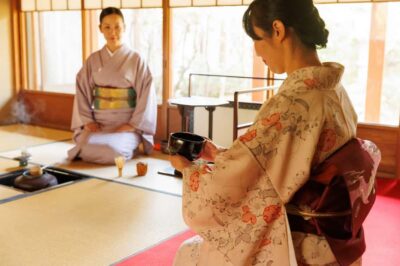
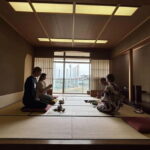
A calm hour beats Tokyo rush. This small tea ceremony near the Kamogawa Delta is all about slowing down and learning how matcha is made, step by step, with Mari, an English-speaking teacher with 20 years of experience. I especially love the hands-on matcha preparation, and I love how peaceful the setting feels even though you’re still in Tokyo.
One thing to think about: the tea room is accessed by two flights of narrow stairs, so it may be tricky if stairs are an issue for you. Also, since the location is in a residential area, it’s smart to confirm the exact room details before you head over.
In This Review
- Key Things You Should Know Before You Go
- Why This Tokyo Tea Ceremony Feels Like a City Reset
- The Location: Nishi-Nippori, Riverside Calm, and Old Tokyo Nearby
- Your 1-Hour Schedule: From Matcha Whisking to a Mindful Cup
- Meeting Mari: 20 Years of Tea Practice, Explained Clearly in English
- Matcha, Dried Sweets, and the Optional Kimono Choice
- Price and Value: Is $51 for an Hour Worth It?
- Practical Tips That Make the Difference
- Who Should Book This Tea Ceremony Experience
- Should You Book It?
- FAQ
- How long is the Tokyo tea ceremony experience?
- Where do we meet for the ceremony?
- Is the instructor available in English?
- How big is the group?
- Do I need prior experience with tea ceremonies?
- Can I make my own matcha?
- What’s included in the price?
- Is a kimono included?
- Is transportation included?
- Is the location easy to access?
Key Things You Should Know Before You Go
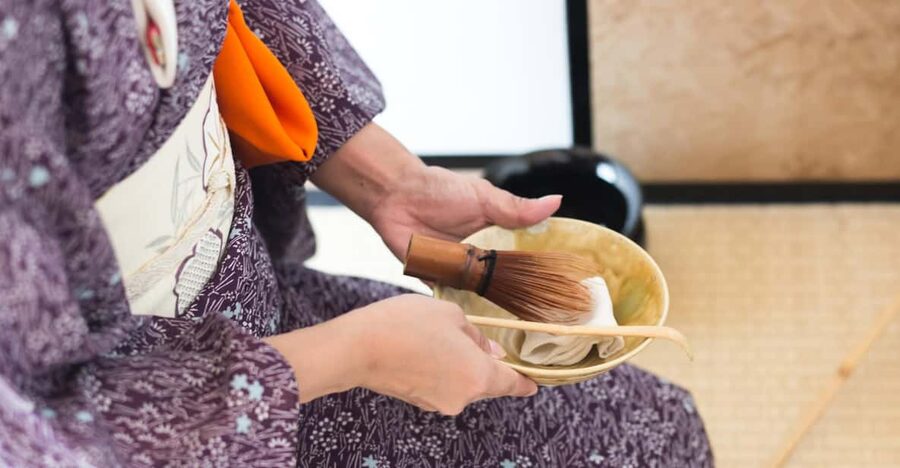
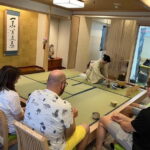
- A true small-room setup with a max group size of 6 for a quieter experience
- Matcha isn’t just watched: you can make your own under Mari’s guidance
- English instruction with a teacher who explains the meaning behind the steps
- Traditional sweets are included to round out the tasting moment
- Well-placed for a break from the city near Yanaka and Nezu Shrine
Why This Tokyo Tea Ceremony Feels Like a City Reset
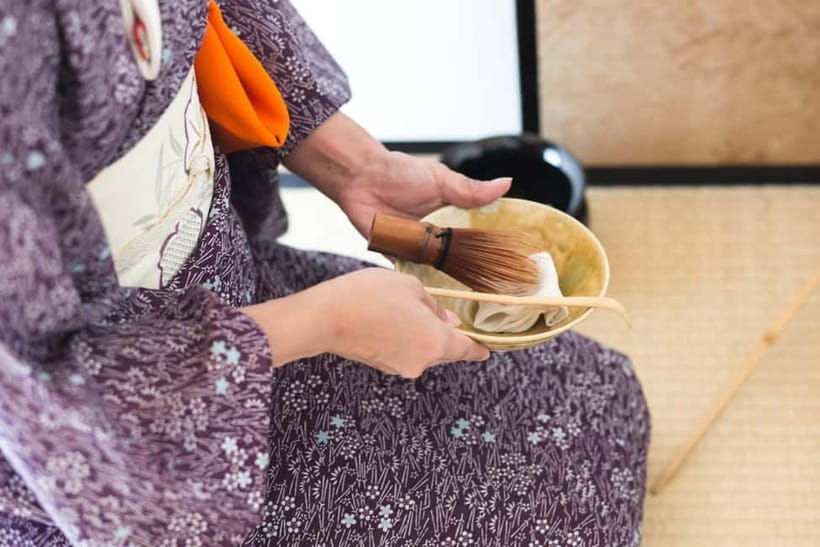
Tokyo can be loud and fast. This is a deliberate pause, built around a small tea room and a calm pace. In just one hour, you get the feeling of why tea culture is treated as more than a drink.
The best part is how practical it is. You don’t just sit through a lecture. You learn what to do with the whisk, how to approach the movements, and how to taste with attention.
And since Mari teaches in English and is used to welcoming complete beginners, you won’t feel lost if you’ve never done a tea ceremony before. The goal is to lower the barrier—so you can actually participate, not just observe.
You can also read our reviews of more tours and experiences in Tokyo.

The Location: Nishi-Nippori, Riverside Calm, and Old Tokyo Nearby
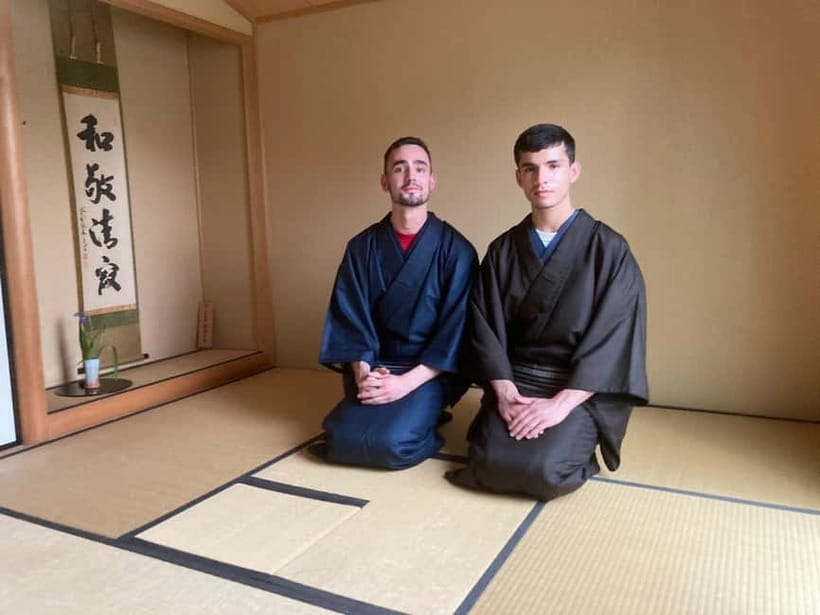
Your tea ceremony takes place near Nishi-Nippori station, about a 7-minute walk away. That’s a nice sweet spot: you get local scenery by the riverside without needing to fight cross-town logistics.
You’re also close to the Yanaka and Nezu Shrine area, which is a strong plan for before or after your session. If you like wandering older streets, small shrines, and neighborhood vibes, this location makes that easy.
A heads-up: because it’s a residential area, it can be harder for taxis to pinpoint the exact room. Plan to confirm the meeting details ahead of time, and give yourself a little extra buffer if you’re arriving for the start.
Your 1-Hour Schedule: From Matcha Whisking to a Mindful Cup
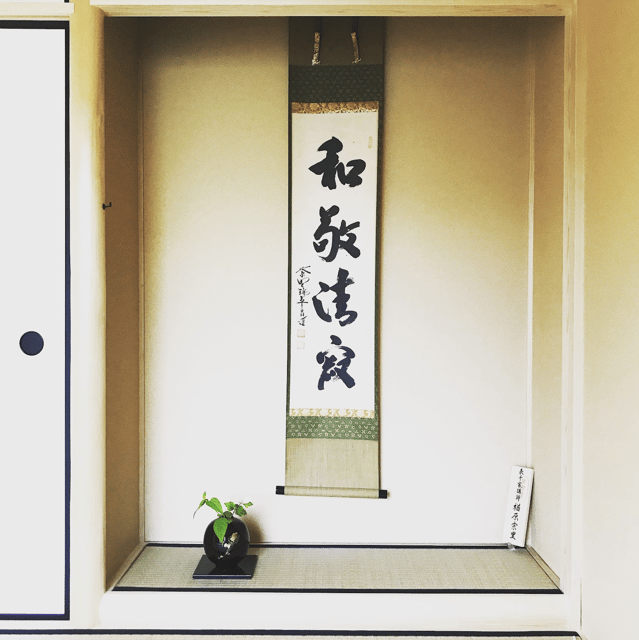
This experience runs 1 hour. That’s short enough to fit into a busy Tokyo day, but long enough to actually learn and do the key actions.
You’ll meet at Senraku-an about 10 minutes before the experience. That early arrival matters because it gives you time to settle in and get oriented before the ceremony begins.
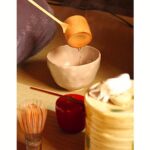
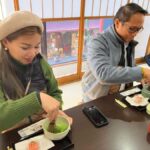
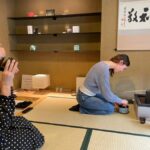
Once you’re seated, Mari guides you through the essentials of matcha preparation. The focus is on the steps and the feel of the process—especially the whisking. You learn the movements behind the ritual, and you’ll understand that the point isn’t speed or perfection. It’s attention and balance.
If you want to make your own tea, you’ll have that chance. The experience is designed to be welcoming, so even first-timers can participate in a real way. After you prepare, you’ll also taste in the proper spirit, with a quiet moment that actually lands, instead of turning into a rushed souvenir photo stop.
Meeting Mari: 20 Years of Tea Practice, Explained Clearly in English
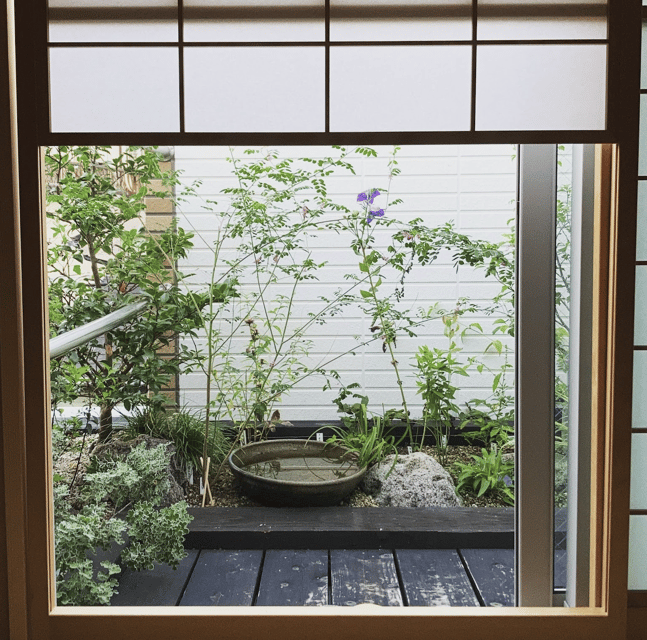
Mari is the name you’ll hear most. In English, she explains what’s happening and why it matters, not just the mechanical steps. The lesson includes cultural meaning too, with themes like hospitality (omotenashi), harmony, and purity.
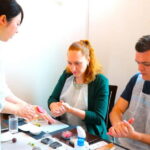
What makes this stand out is how patient the instruction feels. People with kids have been able to join and still feel supported, and it’s also set up so you don’t need prior tea knowledge. If you’re the type who likes to ask questions, this format works well because the teacher’s explanations are part of the experience, not a separate add-on.
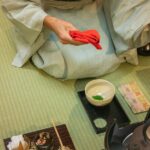
You may also practice small details more than once. One example: Mari can help with folding the tea towel so you can repeat the motion on your own. That kind of coaching turns a “show” into a skill you take with you.
Matcha, Dried Sweets, and the Optional Kimono Choice
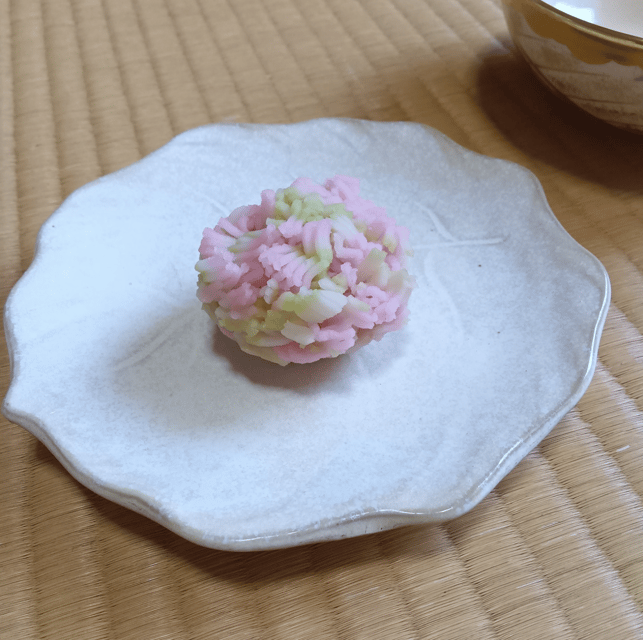
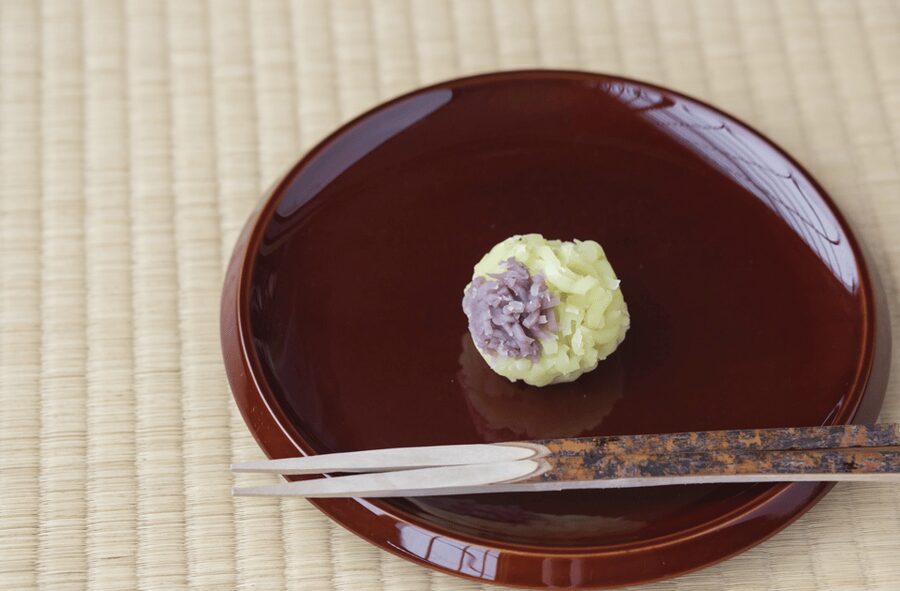
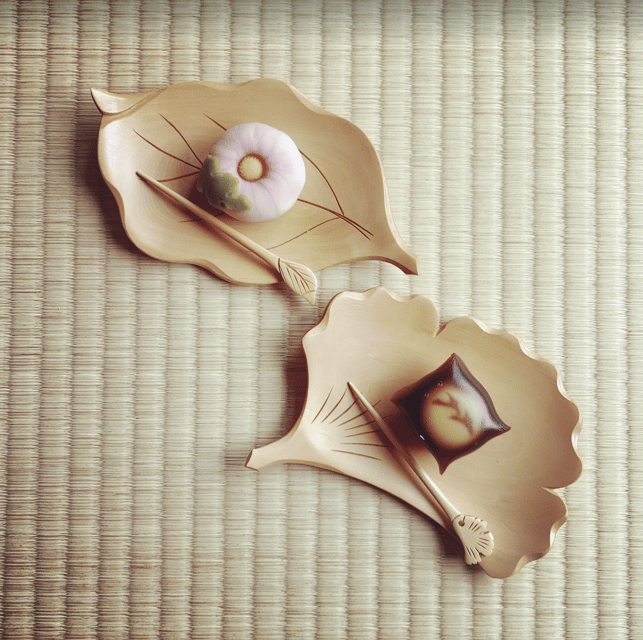
Included in the experience are matcha, traditional dried sweets, and the lesson with the tea ceremony teacher. That matters for value because you’re paying for the full cultural practice, not just a tasting.
The matcha is central, obviously. But the dried sweets are part of the pacing. They help you shift from outside Tokyo mode to inside tea mode, and they also give you something to pay attention to while the ritual unfolds.
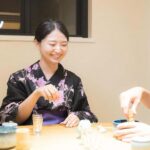
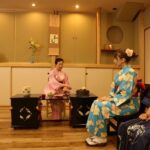
Kimono is not included, but it is available if you request it. Mari can dress you, and the experience is family-friendly in that sense, including options for children. One important practical note: there’s an upcharge for kimono, and it’s worth deciding based on your priorities. If you want the photos and the feeling, it can be a fun add-on. If you’d rather spend your money on more time in Tokyo streets, skip it and put that budget toward something local.

Price and Value: Is $51 for an Hour Worth It?
At $51 per person for a 1-hour session, this isn’t the cheapest thing on your Tokyo list. But it also isn’t just a quick demo.
Here’s what you’re buying:
- A lesson led by Mari with 20 years of tea expertise
- Small-group instruction capped at 6 people
- Hands-on matcha preparation if you choose to participate
- Matcha and traditional dried sweets included
- English guidance, so you’re not paying for a language barrier
For many visitors, the value comes from the learning plus the calmer pace. If you’ve ever felt like Tokyo activities rush you through the cultural part and focus only on photos, this is a different rhythm. You’re not trapped waiting in a large venue. You get direct attention.
Also, you skip the ticket line for the experience. That’s small, but on a travel day, anything that reduces friction helps you stay relaxed.
Practical Tips That Make the Difference
If you want your tea ceremony to feel smooth, do these simple things.
First, arrive on time for the meeting at Senraku-an. The instruction starts as the ceremony begins, and being early helps you settle without stress.
Second, wear shoes you can slip into easily. The ceremony setting is reached by narrow stairs, so comfortable footwear helps, especially if you’re carrying a bag. If you have mobility concerns, ask about the access route before you go and plan your day around a less-stressful return.
Third, travel light. You’ll be in a small space for an hour, and the calmer you are, the better the ritual feels.
Finally, consider pairing the ceremony with a nearby neighborhood walk. Yanaka and Nezu Shrine are close enough that you can extend the calm into an easy stroll afterward. It turns your tea hour into a bigger cultural block rather than a standalone stop.
Who Should Book This Tea Ceremony Experience
This is a great fit if you:
- Want an authentic, quiet cultural activity without needing prior tea knowledge
- Like hands-on learning, especially matcha preparation
- Prefer small groups and more personal instruction
- Want an English-guided explanation of tea culture and its meaning
It might be less ideal if:
- You can’t manage narrow stairs comfortably
- You want a super central, super obvious meeting location where taxis have no trouble
For couples, families, and solo travelers, the small-group size helps. For families, it’s also a good option because the atmosphere is supportive and structured, not hectic.
Should You Book It?
I think this tea ceremony is worth booking if you want a calm, meaningful hour and you’re open to learning something you can actually do at home later. The combination of English instruction, small-group format, and hands-on matcha makes it feel like a real lesson, not a performance.
But if stairs or finding the exact room are concerns, handle that early. Confirm the access details before you go, and plan your arrival with extra time. If you do that, this experience can be one of the most relaxing cultural stops you make in Tokyo.
FAQ
How long is the Tokyo tea ceremony experience?
The duration is 1 hour.
Where do we meet for the ceremony?
You meet at Senraku-an about 10 minutes before the experience starts.
Is the instructor available in English?
Yes, the instructor provides instruction in English.
How big is the group?
The group is small, limited to 6 participants.
Do I need prior experience with tea ceremonies?
No. The experience is designed to be welcoming for people regardless of prior knowledge.
Can I make my own matcha?
Yes. If you want, you can prepare your own tea with guidance.
What’s included in the price?
Matcha, traditional dried sweets, and a lesson by the tea ceremony teacher are included.
Is a kimono included?
Kimono is not included, but you can request it.
Is transportation included?
No. Transportation is not included.
Is the location easy to access?
The tea ceremony takes place in a residential area and the room is reached via two flights of narrow stairs, so it may be harder to find by taxi. It’s a good idea to confirm the room location details in advance.