REVIEW · KYOTO
A Unique Antique Kimono and Tea ceremony Experience in English
Book on Viator →Operated by Miyagawa Tokusaburo Shoten · Bookable on Viator
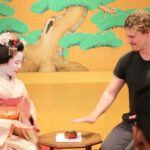
Antique kimono, matcha, and quiet Kyoto calm. This is a small-group tea ceremony at Miyagawa Tokusaburo shoten, set in a private house that’s said to be 100+ years old, near Katsura Imperial Villa. You’ll wear a rare antique kimono (over 80 years old) before learning the etiquette and the manners that make the ritual feel so controlled and gentle.
What I like most is how much care goes into the full experience: you get instruction from Toku (Mr. Miyagawa) and learn how matcha tea is made, step by step. I also love the small group size—maximum six people—which keeps the ceremony calm and helps you get real answers instead of getting swept along.
One consideration: if you’re expecting a big, “park garden” performance with lots of variety in teas, this is deliberately quieter and more residential. A few people felt the pacing or setting didn’t match their mental picture of what a tea ceremony should look like, so go in expecting a slow, personal lesson more than a show.
In This Review
- Key things to know before you go
- Miyagawa Tokusaburo Shoten: A tea ceremony in a quieter Kyoto corner
- Choosing an antique kimono: More than a costume moment
- Toku (Mr. Miyagawa) teaches tea manners in plain English
- Matcha-making, not just sipping: What you learn during the ritual
- The 90-minute rhythm: Calm pacing, lots of photos, and sitting skills
- Price and value: What $99.10 really covers
- Who should book this Kyoto experience (and who might not love it)
- Quick planning tips for a smoother experience
- Should you book this antique kimono and matcha ceremony?
- FAQ
- How long is the tea ceremony experience?
- What’s the group size limit?
- Is the tour available in English?
- What’s included in the price?
- Where does the experience start?
- What is the cancellation policy?
Key things to know before you go
- Small group (max 6): more time for explanations and fewer interruptions.
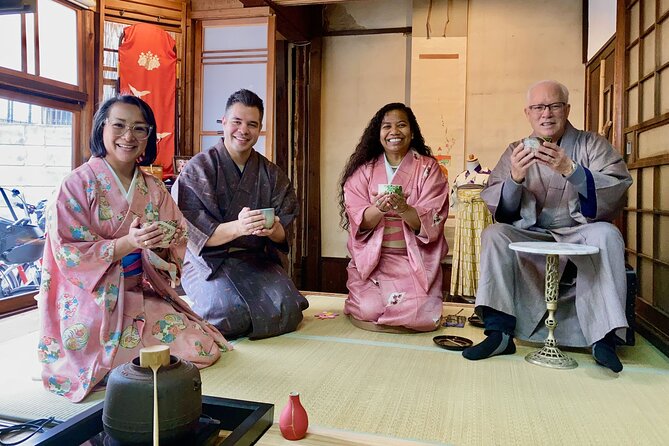
- Antique kimono rental included: you wear a rare kimono (over 80 years old) as part of the experience.
- English available: instruction is offered in English.
- 100+ year old private house setting: it’s calmer than most central Kyoto tea setups.
- Matcha-making lesson plus tasting: you learn how matcha is prepared and you’ll enjoy green tea and Japanese sweets.
- Tea etiquette with context: you’ll learn manners, etiquette, and even the samurai connection to tea culture.
Miyagawa Tokusaburo Shoten: A tea ceremony in a quieter Kyoto corner
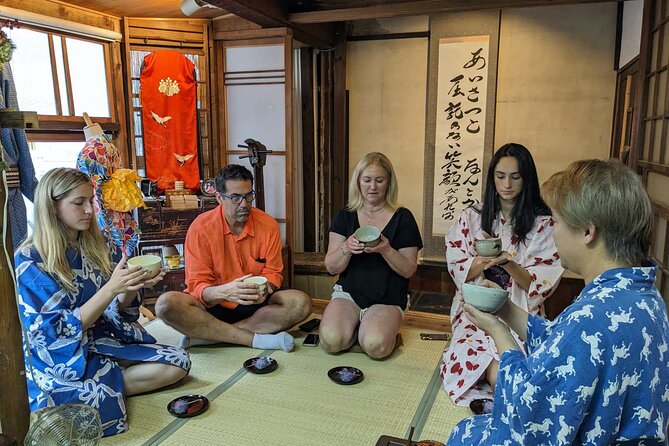
The meeting point for this experience is Miyagawa Tokusaburo shoten, at 32-4 Katsuranozatochō in Nishikyo Ward. It’s in Kyoto’s quieter zone near Katsura Imperial Villa, so the atmosphere doesn’t have that crowded, “everyone’s lining up” feeling you can run into elsewhere.
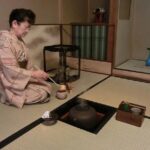
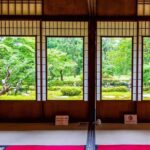
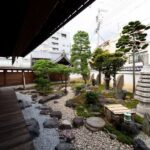
The tea ceremony happens in an old private house—described as over 100 years old. That matters more than it sounds. A calm room, soft light, and the sense you’re in someone’s home makes the rituals easier to understand, because you’re not trying to focus through noise, street traffic, and constant foot movement.
You can also read our reviews of more tours and experiences in Kyoto.
Choosing an antique kimono: More than a costume moment
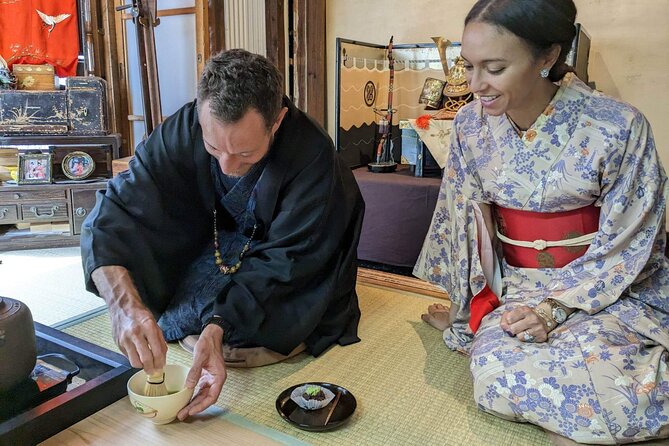
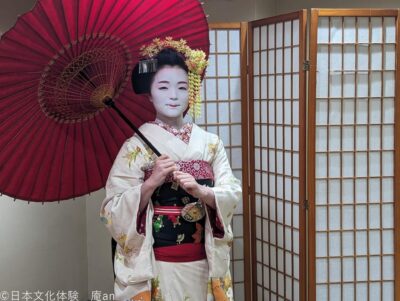
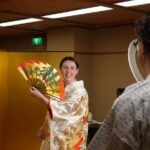
You don’t just wear a kimono for photos. You rent it as part of the activity, and the whole point is that it’s rare and antique—over 80 years old, according to the experience details.
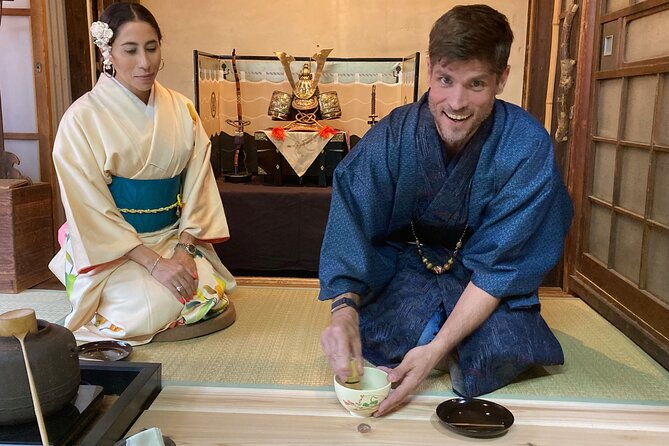
The process starts with picking what you like. In the feedback you can feel the emphasis on personal choice: people describe being helped to select a kimono and even accessories, plus time taken with hair. That attention shows up in the pictures too—many guests talk about getting lots of photos during the experience.
Practical angle: kimono styling takes a few minutes, and you’ll likely be sitting while helpers adjust layers and tie the obi (belt). If you’re used to moving fast on trips, this can feel slower at first—but that’s also what makes it feel special. You’re being prepared to take part in the ritual, not just dressed and sent on your way.
Toku (Mr. Miyagawa) teaches tea manners in plain English
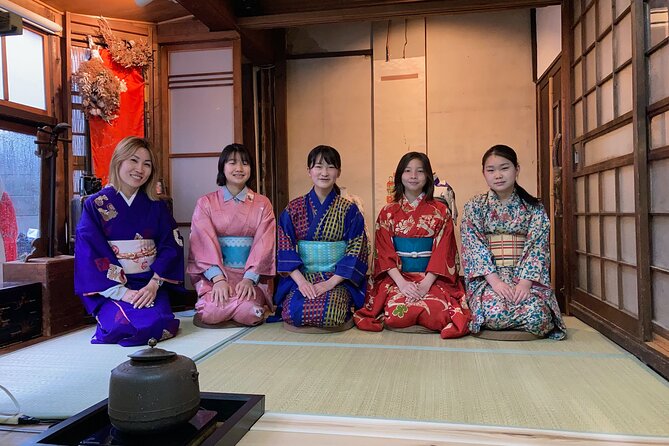
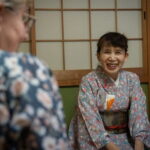
The host, Toku (also referred to as Mr. Miyagawa), is the kind of guide who turns a formal tradition into something you can actually follow. The experience lists over 20 years of tea ceremony experience, and the guests consistently highlight his welcome and how clearly he explains things in English.
Expect to learn etiquette and manners—how you handle yourself, how you receive and enjoy the tea, and how the ceremony’s structure creates a respectful rhythm. One especially interesting thread is the relationship between samurai and the tea ceremony. Tea isn’t only about the flavor; it’s a discipline tied to class, culture, and social behavior.
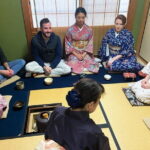
This is where the small group size pays off. With a maximum of six people, there’s room to ask questions and slow down if something feels unfamiliar—especially the first time you’re trying to follow a ritual with precise movements.
Matcha-making, not just sipping: What you learn during the ritual
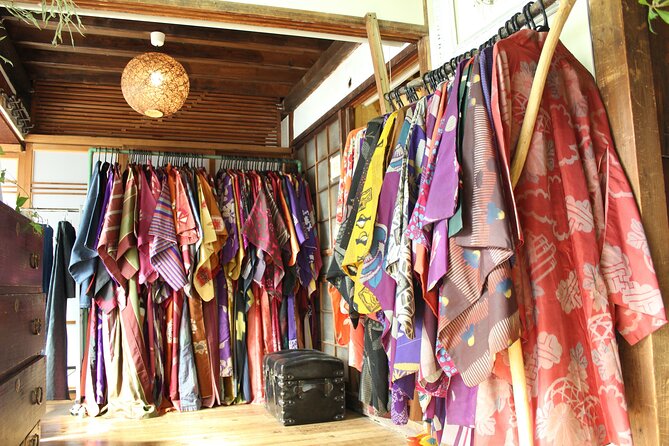
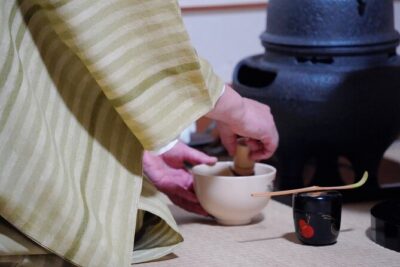
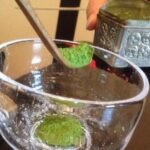
This is a matcha-focused experience. The highlights specifically call out a special opportunity to learn how matcha tea is made, and the structure of the ceremony supports that.
In practical terms, you can expect to be taught the preparation steps and then participate in the moment—so it’s not only watching someone else do it. You’ll also taste green tea and Japanese sweets as part of the fee. That pairing matters: it gives you a reference point right away, so you’re not left wondering what you just learned means on the tongue.
One reason this feels valuable: matcha culture is full of tiny actions—timing, handling utensils, and paying attention to the order of steps. Learning the rationale behind those actions makes the whole thing feel less like a performance and more like a practiced craft.
The 90-minute rhythm: Calm pacing, lots of photos, and sitting skills
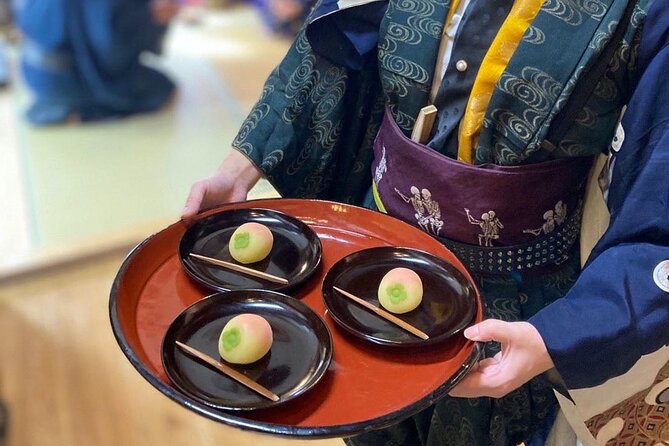
The ceremony runs about 1 hour 30 minutes. That’s long enough to include kimono dressing and instruction, but not so long that you feel stuck. A few guests describe the ceremony as solemn and peaceful—slow enough that they could actually process the meaning behind what they were doing.
You’ll likely spend time on:
- getting dressed in kimono and styled appropriately
- learning etiquette and watching/doing the steps
- tasting green tea and Japanese sweets
- taking photos
Photography is a big part of the experience. Many guests mention being encouraged to take photos, and the hosts taking pictures as well. If you’re planning to post or just want a souvenir that doesn’t look like a rushed “standing in front of a wall” shot, this is set up for that.
Comfort note: kimono plus formal sitting can be tricky if you have limited mobility. The experience includes anecdotes of the host adapting the ceremony for someone who couldn’t kneel. If kneeling or sitting directly on the floor will be hard for you, tell the host in advance so they can adjust the approach.

Price and value: What $99.10 really covers
The price is $99.10 per person, for a 90-minute experience in English. The big value point is that it wraps together two categories that are often separated in Kyoto: kimono rental and the tea ceremony experience.
What’s included:
- Antique kimono rental fee
- Tea ceremony experience fee, with green tea and Japanese sweets
What’s not included:
- Lunch and dinner
So is it worth it? For me, the honest way to judge is this: if you want the full package—wearing a rare antique kimono and learning a structured matcha ceremony in a quiet setting—this price is easier to accept because the kimono isn’t an extra add-on. If you’re only looking for a quick tea tasting, then you may feel like you’re paying for the wardrobe portion more than you expected.
Also, decide based on your preferred pace. The calm, traditional rhythm is part of the appeal for many people. If you prefer faster, more “hands-on every minute” activities, you might want to set expectations carefully.
Who should book this Kyoto experience (and who might not love it)
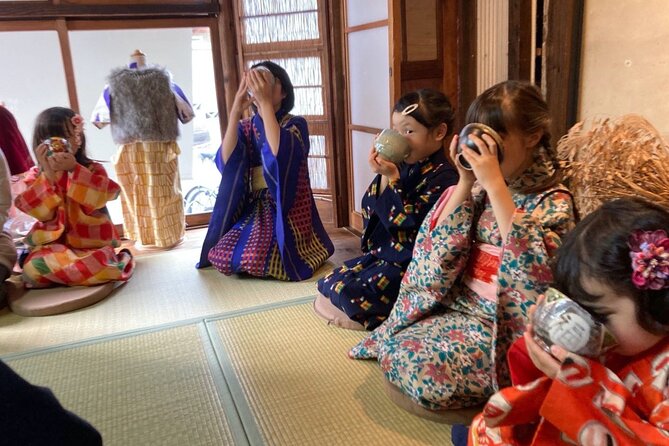
Book this if:
- you want a small-group tea ceremony (max six)
- you’re excited about wearing an antique kimono and getting help with styling
- you care about etiquette, not just drinking matcha
- you want instruction in English
- you prefer a quiet environment near Katsura Imperial Villa
You might think twice if:
- you expected a loud, theatrical tea performance with lots of visual spectacle
- you’re imagining a showy public-park setting every step of the way
- you’re hoping to taste many different special teas beyond what’s included (the experience specifically lists green tea and Japanese sweets)
This isn’t a theme-park version of tea culture. It’s a home-and-craft version—built for focus.
Quick planning tips for a smoother experience
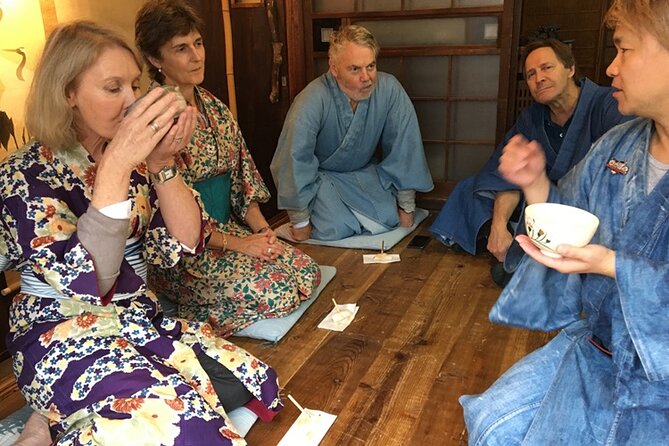
- Arrive a touch early so you’re not rushing through kimono selection and fitting.
- Wear easy shoes for the walk in and out; kimono dressing usually means you’ll be in “slow mode” once you start.
- If you have mobility needs (especially kneeling), plan to communicate that clearly. The host has shown willingness to adapt.
- Bring your curiosity. The ceremony isn’t just steps; it’s manners and context—especially the samurai connection theme.
Should you book this antique kimono and matcha ceremony?
If you want an authentic-feeling tea lesson in English, with an expert host (Toku / Mr. Miyagawa), plus the extra layer of an antique kimono rental, this is the kind of experience that’s easier to remember than another photo stop. The quieter house setting near Katsura Imperial Villa is a real advantage, and the small group size makes it feel personal without turning chaotic.
My recommendation is simple: book it if matcha etiquette and kimono styling are on your must-do list. If you’re chasing a high-energy “performance” or you need lots of additional tea variety, you may find it calmer—and possibly slower—than expected.
FAQ
How long is the tea ceremony experience?
It’s about 1 hour 30 minutes.
What’s the group size limit?
The experience is capped at a maximum of 6 travelers.
Is the tour available in English?
Yes, it’s available in English.
What’s included in the price?
Your price includes the antique kimono rental fee and the tea ceremony experience fee, with green tea and Japanese sweets.
Where does the experience start?
You’ll meet at Miyagawa Tokusaburo shoten, 32-4 Katsuranozatochō, Nishikyo Ward, Kyoto, 615-8073, Japan.
What is the cancellation policy?
You can cancel for a full refund if you cancel up to 24 hours in advance of the experience start time. If you cancel less than 24 hours before, the amount paid isn’t refunded.