REVIEW · KYOTO
Kyoto: Wazuma Magic Show & Tea Ceremony
Book on GetYourGuide →Operated by Traditional Japanese Magic Show & Matcha Experience · Bookable on GetYourGuide
Wazuma magic happens inches away. This Kyoto private show brings Wazuma, a 1,000-year-old Japanese illusion tradition now performed by fewer than ten masters, right into a small tea room in Gion. What I like most is the closeness (you’re not watching from across a hall) and the cultural care, including Uji matcha with clear English guidance afterward. The main thing to consider: the venue is in a traditional tea-room setup and is not suitable for wheelchair users.
You’ll get a calm, focused pace: 30 minutes of magic, then 30 minutes of tea. It’s set up so only one group goes at a time (just 6 seats), so the gestures, timing, and atmosphere stay personal, not hurried. Flash photography is not allowed during the performance, so plan to enjoy with your eyes and your questions instead.
In This Review
- Key highlights you’ll feel in the room
- Wazuma Magic in Kyoto’s Gion: what makes this one hour different
- Entering the tea room: your private show setup and what to watch for
- The 30 minutes of Wazuma magic: why it feels so hard to figure out
- The matcha tea time: Uji matcha with English guidance
- Price and value: is $77 a smart move in Kyoto?
- Timing, arrival, and how to make the hour go smoothly
- Who should book Wazuma and who should skip it?
- Small rules that protect the illusion (and keep it pleasant)
- Should you book this Kyoto Wazuma Magic Show & Tea Ceremony?
- FAQ
- How long is the Kyoto Wazuma Magic Show & Tea Ceremony?
- What does the ticket include?
- Is the show private?
- Where does it take place?
- How many people sit in the room?
- What language is the host in?
- Where do we meet the staff?
- Can I take photos during the performance?
- Is this experience wheelchair accessible?
- Is free cancellation available?
Key highlights you’ll feel in the room
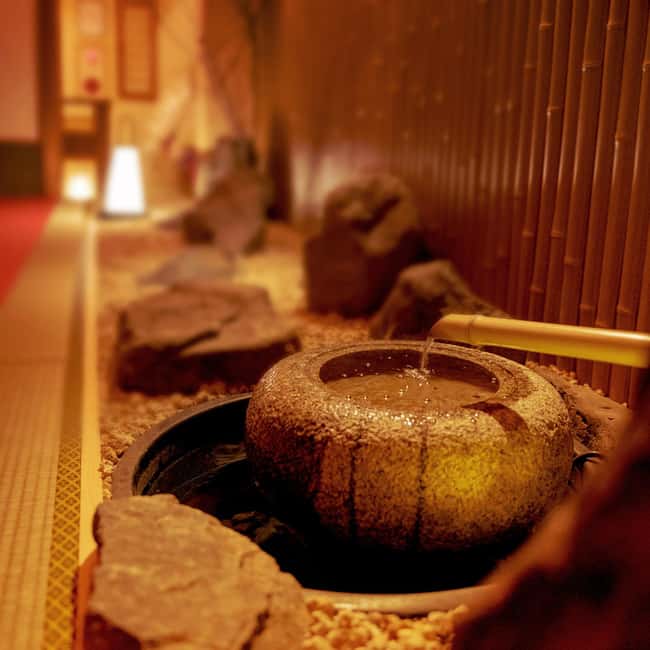
- Real Wazuma, performed up close in a small tea-room setting where the action stays within arm’s reach.
- One-group-only scheduling so your hour in Gion doesn’t get chopped up by strangers or constant resets.
- Uji matcha guided in English so you’re not just drinking tea, you know what you’re tasting.
- English host/greeter for smooth timing and easy conversation before the show.
- Only 6 seats available which changes the whole vibe from theater to conversation.
- Often ends with a small keepsake—a nice touch after the final illusion.
Wazuma Magic in Kyoto’s Gion: what makes this one hour different
Kyoto is full of experiences that look beautiful from the outside. This one works because it stops you from being an observer. Wazuma is a rare Japanese illusion art—Japan recognizes it as an intangible cultural heritage—and the presentation style makes you feel like you’re part of the craft, not just watching someone “do tricks.”
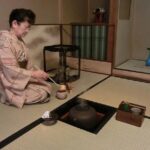
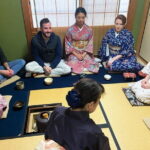
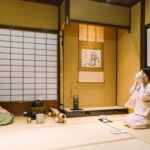
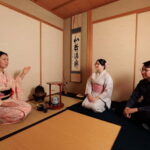
The setting matters. The show takes place in a traditional tea room in Gion, tucked into a quiet alley. The room is intentionally small: only 6 seats, and your group is the only one in the space. That’s why the hour feels refined instead of chaotic. You’re not competing with a crowd for sightlines, and you’re not distracted by the usual audience noise that can make even good performances feel distant.
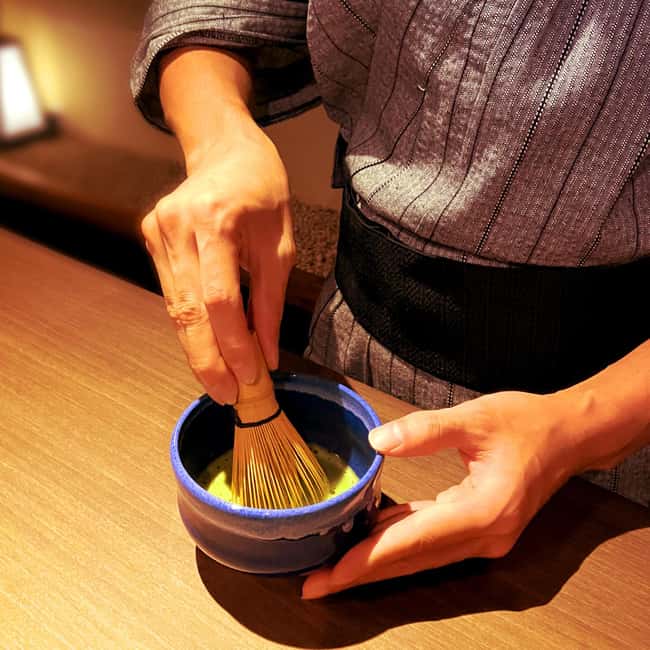
Another big reason I’d put this near the top of short Kyoto add-ons: the experience isn’t just entertainment. It finishes with Uji matcha in a tea-time format, with English guidance. It turns the magic hour into a cultural rhythm—movement and misdirection first, then stillness with tea.
You can also read our reviews of more tours and experiences in Kyoto.
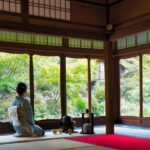
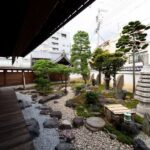
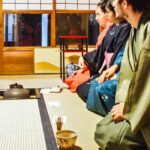
Entering the tea room: your private show setup and what to watch for
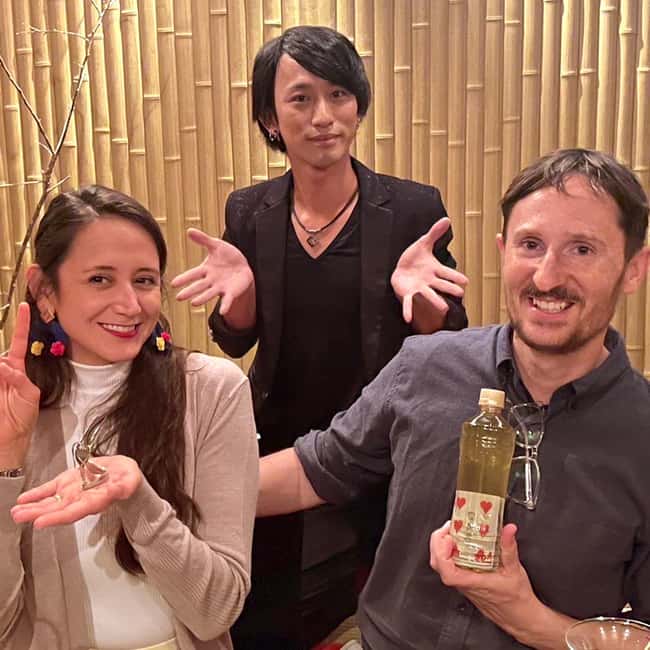
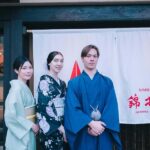
You meet a staff member in front of the building about 5 minutes before the start time. From there, you’ll be taken into a quiet tea-room environment where the show is designed to be close and controlled.
Here’s the practical part that sets expectations: because this is private and has only 6 seats, you’ll notice the pacing quickly. The performer doesn’t need big stage gestures. Wazuma is about precision—hands, timing, and attention to small details—so the performance style assumes you’re near.
Flash photography is not allowed during the performance. That rule isn’t just to protect the performer’s craft; it also keeps the room calm and helps maintain the illusion atmosphere. If you’re someone who instinctively grabs photos when you see something surprising, you’ll want to consciously pause and commit to watching.
Also, the experience is reservation-only, so the tea room is staged for your time slot. That’s a big quality-of-life win in Kyoto, where it’s easy to lose time to lines and crowd shuffle. This format is built to start on schedule and stay focused for the full hour.
The 30 minutes of Wazuma magic: why it feels so hard to figure out
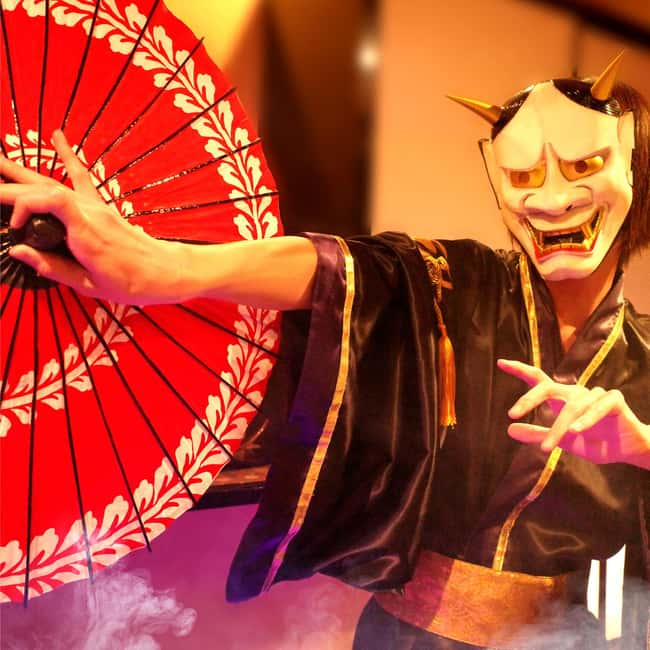
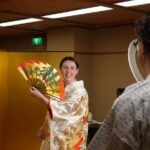
The show runs 30 minutes and is traditional Japanese magic focused on Wazuma’s illusion techniques. The key word here is illusion, not spectacle. With Wazuma, you’re watching a disciplined art form—one that’s been kept alive by a small number of masters and is now rare enough that many visitors never see it at all.
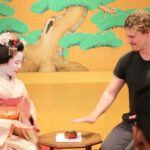
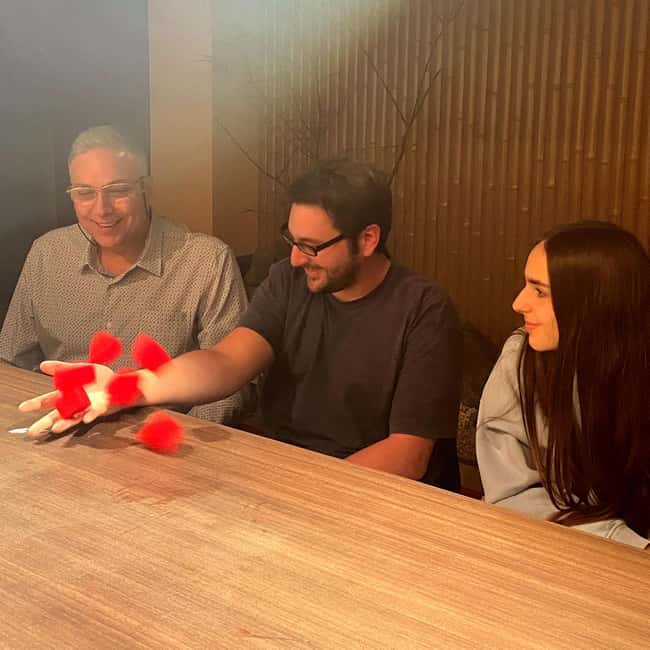
What makes it work at arm’s length is the way your attention gets managed. In typical magic shows, your eyes naturally go to the largest motion on stage. In this tea-room format, there’s nowhere for your gaze to hide. The performer’s gestures and objects sit close enough that you feel the turn of a moment. That’s why people end up staring a little harder than they thought they would.
In some performances, you’ll hear the style associated with performers like Masaya, and other sessions are noted with names such as Tamaki and Masaya. Either way, the format stays consistent: a refined, theatrical delivery where the “how did they do that?” feeling sticks around at the end.
A small but meaningful detail: the experience is designed for intimacy. The closeness changes how you experience misdirection. It’s less like spotting a hidden gimmick and more like trying to track a process you’re not trained to recognize. Even if you like puzzle-solving, you’ll probably find yourself switching from analyzing to reacting—watching, laughing softly, then trying again.
The matcha tea time: Uji matcha with English guidance
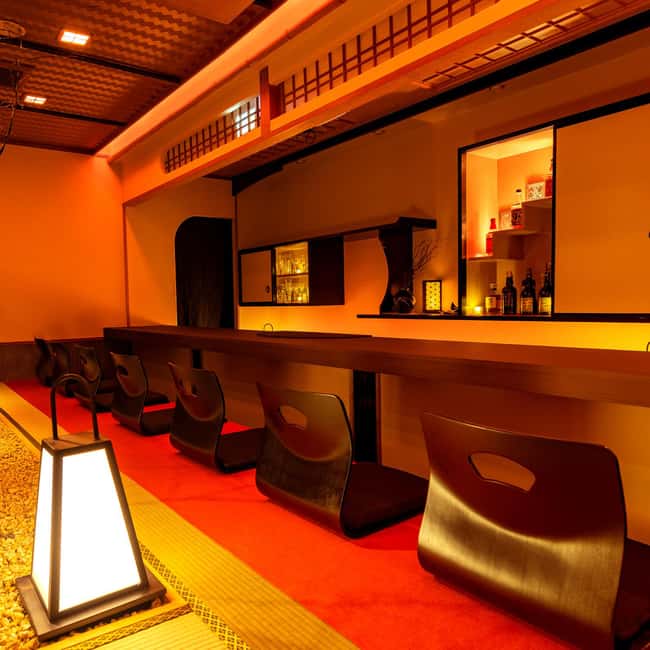
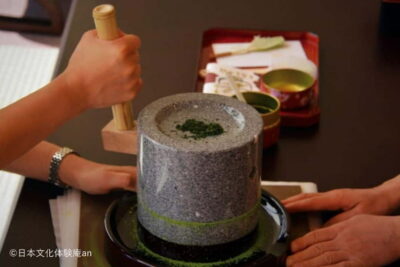
After the show, you transition into 30 minutes of Uji matcha tea time. This part isn’t an afterthought. It’s the calming contrast that makes the magic feel complete instead of abruptly ended.
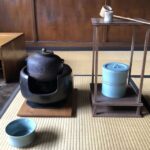
Uji matcha is known for its flavor profile, and here you’re not left guessing what makes it special. You’ll have English guidance, which helps you understand what you’re tasting and how to approach matcha properly in this tea context. If you’ve had matcha before, you’ll likely notice differences in preparation style and aroma once you slow down and focus.
Tea time is also where the experience becomes more human. Instead of staying in performance mode, you can settle into the rhythm of the room. That matters in Kyoto, where so many activities are “see it, move on.” This one gives you an intentional pause.
And yes, there’s often a small keepsake at the end—something people remember alongside the final trick. It’s not the main reason to go, but it’s a thoughtful finish to an hour that already feels unusual.
Price and value: is $77 a smart move in Kyoto?
At $77 per person, this isn’t a budget add-on. But it’s also not priced like a generic show. The value comes from three things you don’t get together very often:
First, you’re paying for rarity. Wazuma is ancient illusion art, now performed by only a handful of masters. That kind of cultural specificity is hard to replace with a different attraction.
Second, you’re paying for privacy and room scale. Only one group goes at a time, and the seating is limited to 6 seats. In Kyoto, smaller-format experiences usually feel more satisfying, because the host and performer can keep the pace and attention where it belongs.
Third, the hour includes two parts that connect: magic plus Uji matcha. You’re not just booking “watch magic.” You’re booking a combined performance-and-tea ritual that shifts your mood from surprise to calm.
If you’re trying to choose between a major paid attraction and a smaller craft experience, this is the type of option that can make your Kyoto trip feel less like a checklist. It’s short, focused, and culturally grounded—exactly the kind of use of time that feels worth it when you only have a few days.

Timing, arrival, and how to make the hour go smoothly
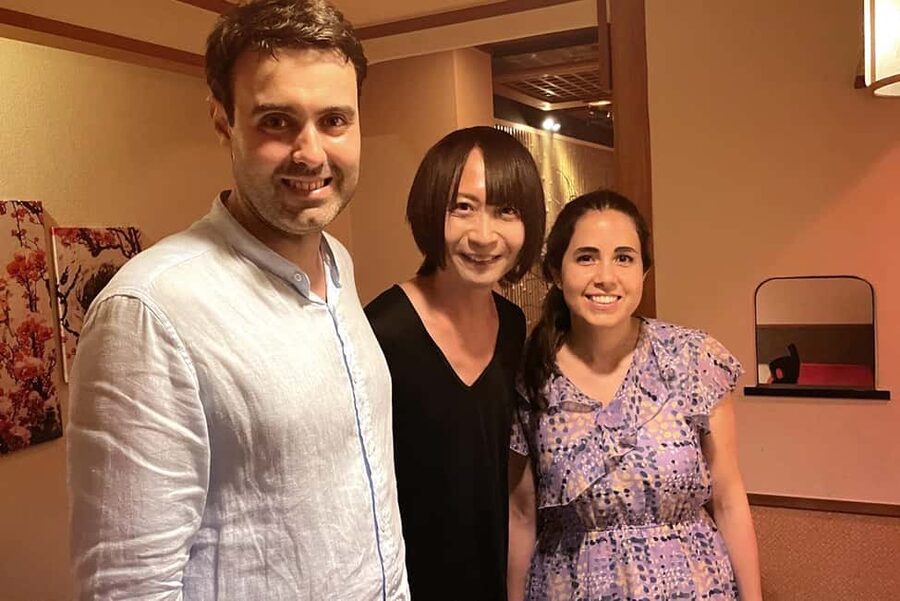
Plan your schedule around starting times. The experience runs 1 hour, with set show timing, so try not to stack it too tightly with other activities that require transit buffers.
When you arrive, look for the staff member positioned in front of the building about five minutes before the start. That early arrival window helps you avoid stress and gives you time to settle into the tea room before the show begins.
Because flash photography is not allowed during the performance, it’s also worth deciding how you’ll handle phones. A good approach: keep your phone away during the magic and only use it for a quick check-in moment outside, if you’re permitted.
If you’re late, the show is still designed to keep things flowing. In at least one case, the guide adjusted for a late arrival—so don’t panic if you’re running behind, but still try to be on time.
Who should book Wazuma and who should skip it?
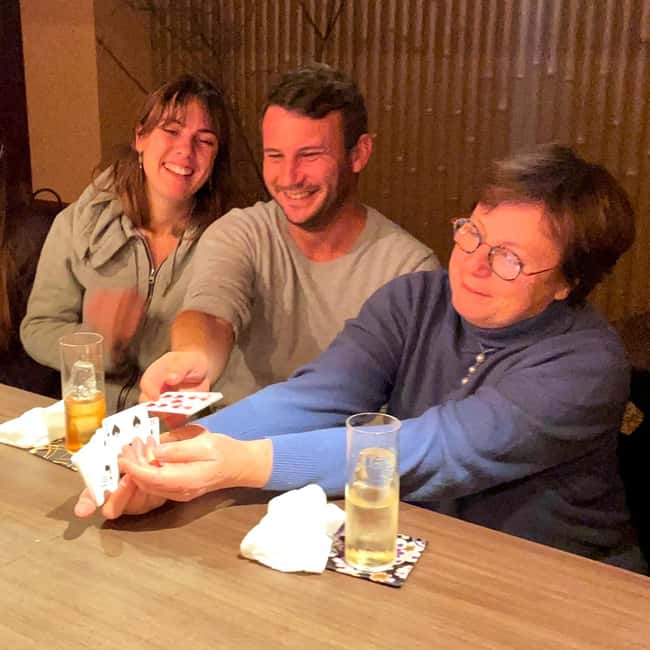
This is a great fit if you want a Kyoto experience that feels crafted, not mass-produced. It’s especially appealing if you:
- Like performances where you’re close enough to notice timing and technique.
- Want a cultural activity that includes tea, not just a dessert stop.
- Prefer smaller rooms and calmer atmospheres in the evenings.
It’s also a smart choice for couples, because the private format keeps it from feeling like a group tour. People often leave with that “we couldn’t figure it out” feeling, which is fun to talk through afterward—over your next cup of tea.
Who might want to skip it? The most clear limitation: the venue is not suitable for wheelchair users. Also, if you dislike short, structured experiences (some people prefer long wandering time), note that this is exactly one hour: magic, then matcha, then you’re done.
Small rules that protect the illusion (and keep it pleasant)
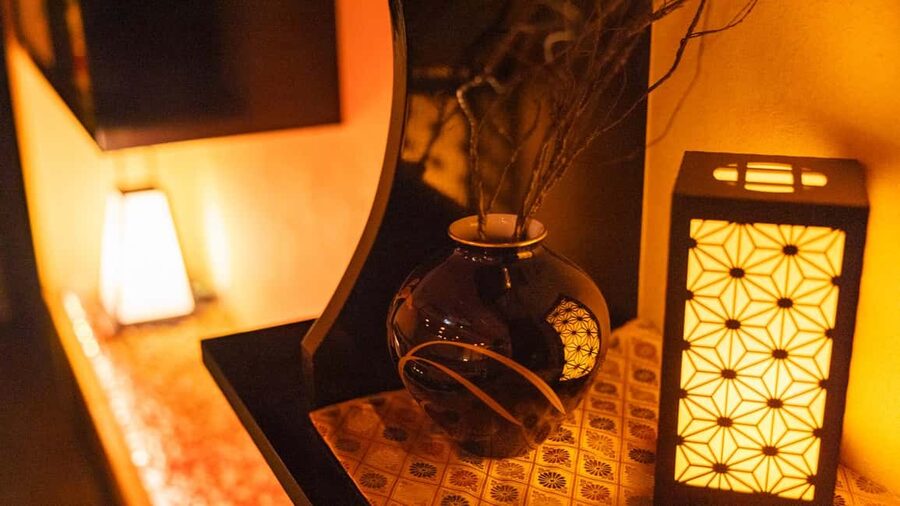
Some tiny details make the experience smoother for everyone. Here’s what you should know:
- No flash photography during the performance. It breaks the mood and can interfere with how the illusion is seen.
- Arrive about 5 minutes early so you’re seated and ready.
- Follow the host’s pace during tea time. Matcha isn’t just drink-and-run; the guidance helps you slow down and taste properly.
- Expect an intimate room. With only 6 seats, your movements and attention matter more than in a theater.
These rules aren’t there to control you. They’re there because Wazuma is a careful art form, and the room is part of the method.
Should you book this Kyoto Wazuma Magic Show & Tea Ceremony?
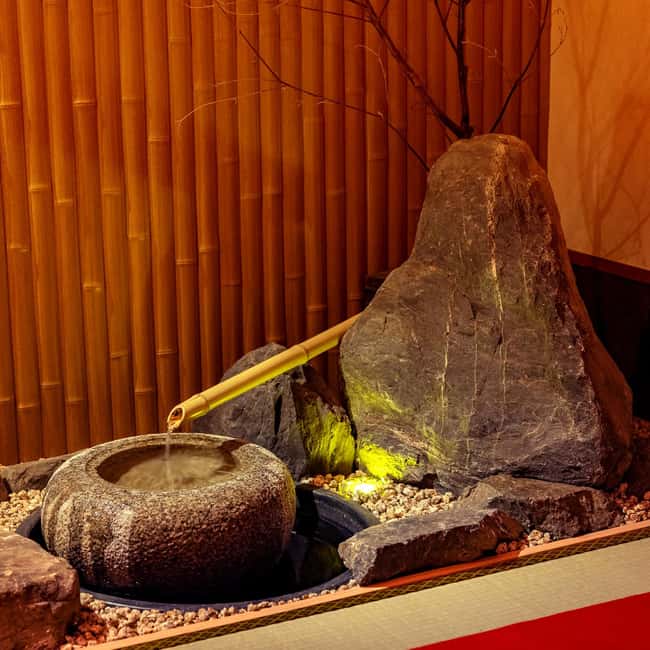
If you want a one-hour Kyoto experience that’s rare, close-up, and culturally linked to tea, I’d book it. The strongest reason is the format: Wazuma performed in a small tea room, one group at a time, followed by Uji matcha with English guidance. That combo is hard to find, and it’s the kind of experience that changes how you feel about Kyoto for the rest of your trip.
I’d think twice only if accessibility is a factor for you (wheelchair users can’t use the venue) or if you’re specifically looking for something more “hands-on” than “watch and taste.” This is built to be seen and felt, not workshop-style participation.
If your schedule is tight, this is also a nice fit: it doesn’t steal half a day. It gives you a focused cultural moment that you can pair with dinner in Gion afterward.
FAQ
How long is the Kyoto Wazuma Magic Show & Tea Ceremony?
The experience lasts 1 hour total, including 30 minutes of the traditional Japanese magic show and 30 minutes of Uji matcha tea time.
What does the ticket include?
Your price includes the 30-minute Wazuma magic show and the 30-minute Uji matcha tea ceremony.
Is the show private?
Yes. It’s a private group experience, with the setup arranged so you’re the only group in the tea room.
Where does it take place?
The show happens in a traditional tea room in Kyoto’s Gion area.
How many people sit in the room?
The tea room has only 6 seats available, which keeps the experience close and quiet.
What language is the host in?
The host/greeter provides English guidance.
Where do we meet the staff?
A staff member will be in front of the building five minutes before the meeting time.
Can I take photos during the performance?
Flash photography is not allowed during the performance.
Is this experience wheelchair accessible?
No. It is not suitable for wheelchair users.
Is free cancellation available?
Yes. You can cancel up to 24 hours in advance for a full refund.