REVIEW · KYOTO
Matcha Green Tea Plantation and Matcha Factory Visit
Book on Viator →Operated by WaRaiDo Guide Networks · Bookable on Viator
Matcha gets real when you see it made.
This 3.5-hour Kyoto experience takes you to Uji, the tea town famous for high-quality matcha, then pairs a behind-the-scenes plantation and factory visit with tasting and a stop for traditional sweets. You’ll travel from Kyoto Station by train with your guide, and you can choose a morning or afternoon departure.
Two things I really like: first, you don’t just hear about matcha—you get hands-on time at the plantation and factory, including how tea is handled and what different matcha varieties taste like. Second, the tasting includes an especially prized matcha paired with Japanese sweets in a tea hut setting, so it feels like a focused tea lesson rather than a quick stop-and-shop.
One watch-out: you’re not getting a full meal here. Most of the food is those included sweets with the tasting, so plan to eat before or after. Also, the experience requires good weather, and if it’s canceled for weather you’ll need to switch dates or get a refund.
Key Points at a Glance
- Uji, the matcha powerhouse: you go to the tea-region Kyoto locals associate with top matcha quality
- Factory + plantation access: you see how green tea is handled for matcha and learn what makes it different
- Tasting multiple matcha varieties: including a top-grade matcha with Japanese sweets in a traditional tea hut
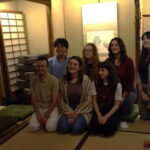
- Small group size: max 6 travelers, which keeps the questions flowing
- Guided train ride from Kyoto Station: less stress than figuring Uji transport yourself
In This Review
- Why Uji Is the Matcha Stop Worth Blocking Time For
- From Kyoto Station to Tea Country Without a Headache
- Tea Plantation + Matcha Factory: Watching the Process Up Close
- The Tasting That Makes the Differences Click
- Learning the Daily Green Tea Habit (and What to Ask)
- Shopping in Uji: What to Look For When You Want Real Tea Gear
- Price and Value for a 3.5-Hour Insider Session
- Who This Tour Is Best For (and Who Might Skip It)
- Should You Book This Matcha Plantation Visit?
- FAQ
- What is the duration of the tour?
- Where is the meeting point in Kyoto?
- How do I get to Uji from Kyoto?
- What’s included in the tour price?
- Is food or drink included besides the matcha tasting?
- How many people are in the group?
- What can I choose when booking?
- What happens if the weather is bad or I need to cancel?
Why Uji Is the Matcha Stop Worth Blocking Time For
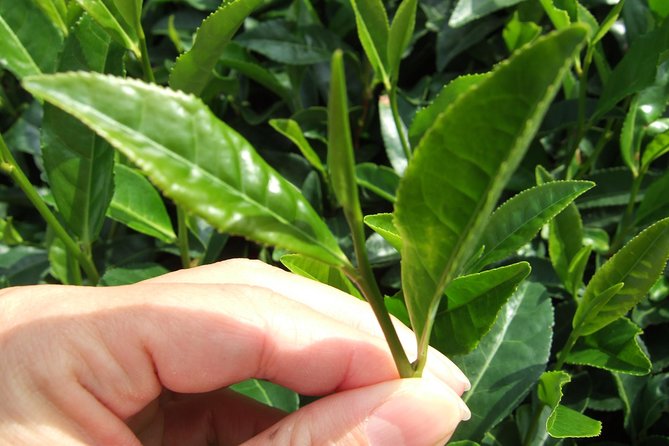
If you’ve only tried matcha from a cup or a packaged powder, you’ll miss half the story. Uji is the place where matcha reputation becomes reality: this is where Kyoto’s famous tea culture gets serious. And there’s a reason matcha is such a big deal here. The drink was introduced to Japan by a Zen monk in the 12th century, and the tradition stuck. Uji is one of the strongest links in that chain.
I like that this tour doesn’t treat matcha as just another souvenir flavor. You get context about why green tea matters—especially the health benefits you’ll hear discussed during the guided visit—and then you connect that to what you’re actually tasting. That makes the afternoon (or morning) feel useful, not random.
There’s also a practical side. The tour is built around a single, clear destination—Uji—and you’re not jumping across a dozen stops. For a 3.5-hour outing, that focus is a win.
From Kyoto Station to Tea Country Without a Headache
The meeting point is easy: Hotel Granvia Kyoto in the JR Kyoto Station building, at the Central Entrance. That matters more than it sounds. Kyoto Station can be confusing at first, and you don’t want your matcha morning eaten alive by map problems.
From there, you transfer to Uji by train with your guide. You’ll be traveling “like a local,” but in a low-stress way since the route is handled for you. You won’t be stuck decoding timetables mid-trip. The experience ends back at the same meeting point, so your day stays tidy.
Two details to keep in mind:
- The tour is small, with up to 6 travelers. That often means more time for questions and less waiting around.
- Hotel pickup/drop-off isn’t included, so make sure you’re comfortable getting to Kyoto Station on your own.
You can also read our reviews of more tours and experiences in Kyoto.
Tea Plantation + Matcha Factory: Watching the Process Up Close
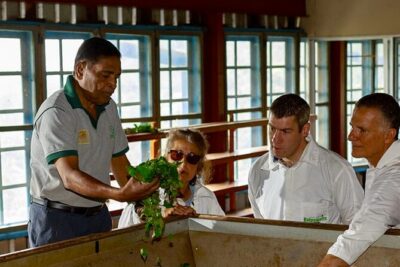
This is the part that makes matcha lovers sit up a little straighter. In Uji, you visit an old tea plantation and its matcha factory. The difference here is access. You get an insider look at how the tea is managed and how matcha fits into the production chain.
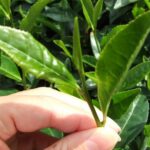
At the plantation, you’ll see the growing area and hear explanations about matcha—how it’s connected to the plants, the handling, and why quality isn’t accidental. The tour also includes discussion of the varieties of plants and what to look for, which is useful if you’ve ever wondered why one matcha tastes grassy while another feels smoother.
Then you move to the factory visit. You’ll get to experience the handling of the green tea mill and learn the basic manufacturing steps behind matcha. You’re not going to leave as a tea engineer, of course, but you will walk away with a mental map of the process—from leaf to powder—so the tasting later makes sense.
I especially like that this isn’t only about theory. You’re seeing and hearing in the same sequence. When the guide explains something, you can visually tie it to what you’ve just observed at the plantation or factory.
A small drawback to expect: because the tour is structured for about 3 hours 30 minutes total, you’ll get enough depth to understand the essentials, not so much that you’re trapped in one building for hours. If you want an all-day production deep dive, this isn’t that. Still, for most people, this length hits the sweet spot.
The Tasting That Makes the Differences Click
The highlight for many people is the tasting. And that makes sense. Matcha isn’t just one flavor. It’s a spectrum, and you’ll taste it that way on this tour.
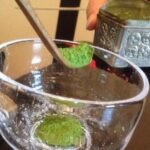
You’ll sample multiple varieties of matcha, not just one safe sample. That’s where your brain starts sorting the differences: aroma, bitterness, sweetness perception, and how the powder feels in the cup. The guide also connects what you’re tasting back to how the tea is grown and handled, which is what turns tasting into learning.
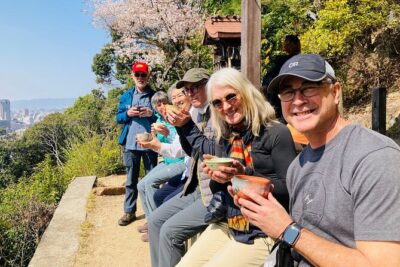
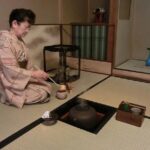
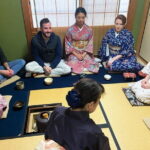
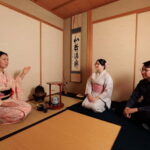
One tasting stands out: you’ll try the most expensive matcha available during the visit, paired with Japanese sweets. You’ll do this at a traditional tea hut, which changes the vibe. It’s not a cafeteria moment. The setting helps you slow down and treat the cup like a small ceremony rather than a quick sip.
This is also where those health-benefit discussions become more than trivia. You’ll hear why green tea (and matcha in particular) is so associated with wellness, and then you get to judge for yourself what kind of tea experience you actually prefer—strong and bold, or lighter and smoother.
Practical tip: if you tend to drink tea lightly, don’t assume your favorite matcha will match a top-grade one. On this kind of tasting, you might discover that the most prized matcha isn’t automatically the one you enjoy most. That’s a good surprise.
Learning the Daily Green Tea Habit (and What to Ask)
A tour like this works best when you leave with habits, not just photos. This experience includes guidance on how to incorporate the habit of drinking green tea into your daily life back home. That matters because matcha can be intimidating if you think it has to be made perfectly.
Your guide can help you translate what you learned into real-world choices: what to look for when buying, how to think about different matcha styles, and how to avoid ending up with a tin you don’t use.
If you’re the curious type, this is a great moment to ask specific questions while the guide is still in front of you. For example:
- Which matcha variety is best for starting your routine?
- What’s the main difference you notice between the samples?
- What kind of utensils help you get the right texture in a cup?
The tour is designed to give you enough context to ask those questions confidently.
And yes, you’ll also get the health-benefit angle from the guide. Just keep it balanced. Treat it as helpful context for why tea matters, not a reason to overcomplicate your life.
Shopping in Uji: What to Look For When You Want Real Tea Gear
After you understand the tea, shopping gets easier. You’ll have time to shop for green tea and tea utensils that are harder to find outside Uji. That’s one of the underrated advantages of doing a plantation-and-factory tour first. Your purchases suddenly have meaning, because you know what you’re buying and why it matters.
If you’re buying matcha, don’t just grab based on price. Use what you tasted as your baseline. Then think about how you’ll use it:
- for daily drinks where you want consistency,
- for trying traditional preparation,
- or for gifts when you want the tea to feel special.
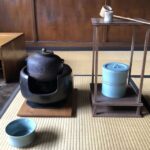
If you’re buying utensils, keep your expectations grounded. You’re not required to go full tea-studio. But if you want your matcha cup to taste closer to what you experienced on the tour, having the right tools can help a lot.
Also, the guide can be your cheat sheet for what’s worth carrying home versus what might not be necessary. Since your time in Uji is limited, ask those quick questions before you decide.
Price and Value for a 3.5-Hour Insider Session
At $154.84 per person, this tour isn’t a cheap snack-sized add-on. But it also isn’t overpriced for what you’re getting if you care about quality and guidance.
Here’s the value breakdown as you’ll experience it:
- You get a professional English-speaking guide
- Entry fees are included
- You receive matcha tasting plus Japanese sweets
- Transportation fees are included for the Kyoto-to-Uji transfer
- You’re in a small group of up to 6 people
What that means in plain terms: you’re paying for the combination of access + instruction + tastings + a guided route. In Japan, transportation and guided time add up quickly, especially when you’re outside the city center.
So the price makes sense if you fall into one of these categories:
- you’re a matcha lover and want to understand the difference in varieties,
- you want a guided factory/plantation experience rather than wandering Uji on your own,
- you like food education where you taste as you learn.
If you just want a souvenir and one basic cup of matcha, you could find simpler options. But if you’re paying for an insider look at production and then tasting the results, this is fairly aligned with the value you’re receiving.
Who This Tour Is Best For (and Who Might Skip It)
You’ll probably love this tour if you:
- already enjoy matcha and want to see where it comes from,
- want a structured half-day with a clear theme,
- enjoy learning through tasting, not through lectures,
- prefer small-group tours with lots of room for questions.
It’s also a good fit if you’re visiting Kyoto and want one day to feel less like commuting and more like experiencing a real local craft.
You might want to skip it (or treat it as optional) if you:
- need a big full lunch built into the plan,
- hate waiting in groups, even small ones,
- are only mildly interested in matcha and aren’t planning to buy tea.
Should You Book This Matcha Plantation Visit?
If matcha is on your must-do list, I think this is a strong booking. The best reason to go is simple: you get a plantation-and-factory view plus tastings that help you understand what you’re drinking. The small group size keeps it personal, and the Kyoto Station start means you don’t burn time on logistics.
Two final decision helpers:
- If you’re the kind of person who will remember the taste differences for weeks, book it.
- If you’re mainly chasing photos and don’t plan to buy or drink matcha afterward, you might find the focus too narrow.
FAQ
What is the duration of the tour?
The tour is about 3 hours 30 minutes.
Where is the meeting point in Kyoto?
You meet at Hotel Granvia Kyoto inside the JR Kyoto Station building, at the Central Entrance.
How do I get to Uji from Kyoto?
You transfer by train from Kyoto to the Uji region with your guide.
What’s included in the tour price?
The tour includes a professional English-speaking guide, entrance fees, matcha tasting with Japanese sweets, and transportation fees.
Is food or drink included besides the matcha tasting?
Only the matcha tasting and the included Japanese sweets are provided. Food and drink beyond that are not included.
How many people are in the group?
This tour has a maximum of 6 travelers.
What can I choose when booking?
You can choose flexible morning or afternoon departure times.
What happens if the weather is bad or I need to cancel?
The experience requires good weather. If it’s canceled due to poor weather, you’ll be offered a different date or a full refund. You can also cancel for a full refund if you cancel at least 24 hours before the start time.
If you want, tell me your travel dates and whether you’re more into tasting, history, or shopping—and I’ll suggest a smart order for pairing this with other Kyoto stops.