REVIEW · KYOTO
Traditional Tea Ceremony in Kyoto
Book on Viator →Operated by byFood · Bookable on Viator
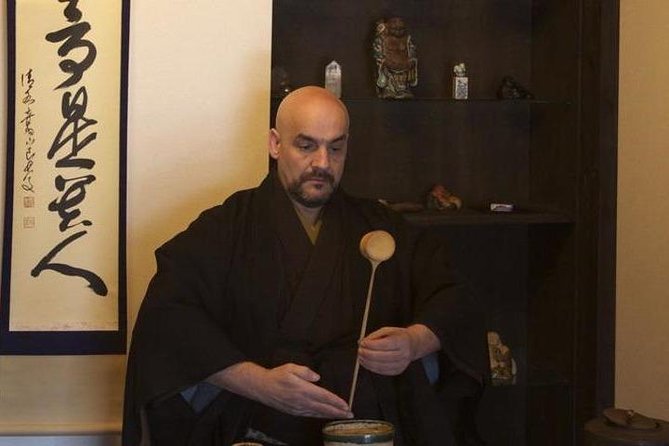
Kyoto tea turns hospitality into choreography. This ryurei tea ceremony shows you the formal side of chanoyu, led by Randy Channell Soei, one of the highest-ranked masters of tea ceremony from outside Japan. I like how the session is structured, so you don’t just watch tea being made—you learn the why behind each step.
Two things I genuinely like: you get a clear lesson on tea etiquette and you also make your own matcha bowl. You’ll taste Kyoto-grown matcha, try traditional Kyoto sweets, and learn how the tools and movements connect to respect, timing, and attention.
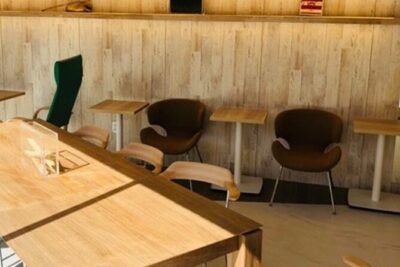
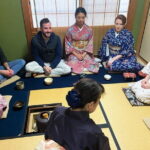
One consideration: you’re not seated on tatami mats or low tables. If you’re hoping for the full kneeling-on-floor look of classic tea rooms, you might find the seating setup a bit more modern and, in some moments, a little less theatrical.
In This Review
- Key highlights you’ll feel in this Kyoto matcha class
- Kyoto ryurei: formal hospitality, not just tea
- Your tea master: meeting Randy Channell Soei
- The starting point in Kyoto, and how long it really takes
- What you’ll actually do during the ceremony
- Matcha and Kyoto sweets: why the food matters
- Learning tea etiquette you can use, not just admire
- Seating note: not tatami, so adjust your expectations
- Kimono expectations: plan around what’s not included
- Group size, pacing, and the “feel” of the session
- Price and value: what $56.34 is buying you
- Who should book this Kyoto tea ceremony (and who might not)
- Tips to get more out of your ryurei experience
- Should you book this traditional Kyoto tea ceremony?
- FAQ
- How long is the traditional tea ceremony in Kyoto?
- Who leads the tea ceremony?
- What is included in the price?
- Is transportation or a kimono included?
- Will I sit on tatami mats or low tables?
- Can I cancel for a full refund?
Key highlights you’ll feel in this Kyoto matcha class
- Ryurei style from the 1870s: formal hospitality built into every movement
- Randy Channell Soei leads the ceremony, with a background that’s rare for foreign visitors
- Kyoto-grown matcha plus Kyoto’s traditional sweets, served as part of the flow
- Hands-on matcha: you prepare your own bowl, not just taste
- Group photo included, so you leave with something more than memories
Kyoto ryurei: formal hospitality, not just tea
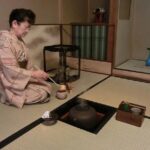
A tea ceremony in Kyoto can be a “look but don’t touch” show. This one is different. The focus is ryurei, a traditional style of Japanese tea ceremony designed for formal hospitality—historically used to welcome important visitors, including foreign dignitaries. That context matters because it turns a cup of matcha into a real lesson about respect and rhythm.
Ryurei also has a specific feel. It’s meant to be seen as careful and intentional, like etiquette that you can physically understand. If you’ve ever wondered why tea steps look so exact, you’ll get answers here: movements are communication, and the order of things keeps the whole moment calm.
You can also read our reviews of more tours and experiences in Kyoto.
Your tea master: meeting Randy Channell Soei
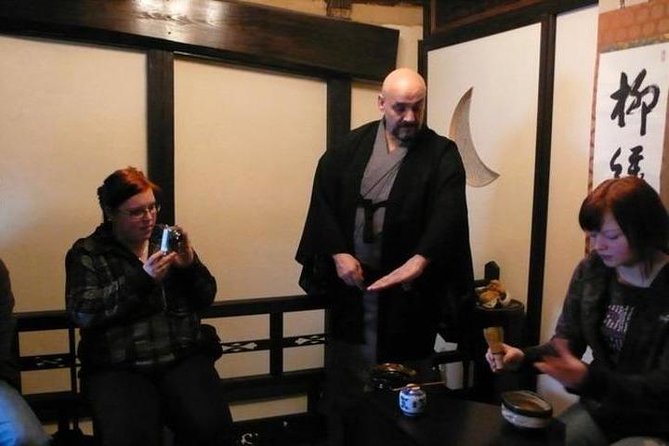
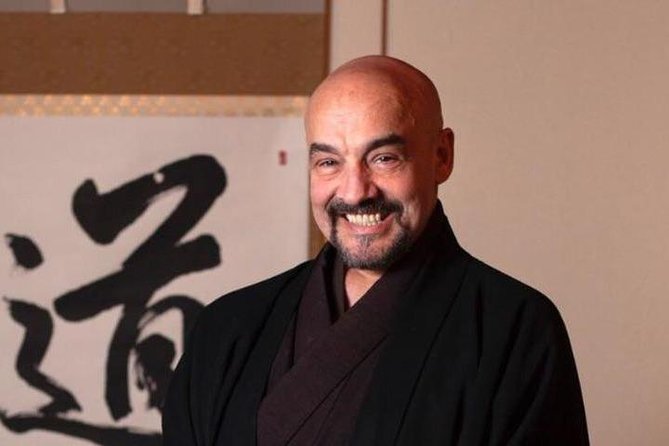
The experience centers on Randy Channell Soei, who’s described as the highest-ranked master of tea ceremony from outside Japan. Even if you’re new to chanoyu, having him at the center changes the tone. You’re not learning from a generic script. You’re learning from a teacher who can explain the formal style with clarity.
I like that the ceremony is framed as authentic training, not a performance for tourists. You’re guided through the details of a formal tea ceremony, then invited to participate. The result is that you finish with a sense of what to notice next time you see a tea room.
Also, this is a small group setting, with a maximum of 25 people. That matters more than you’d think. You still get a sense of ceremony, and you’re more likely to follow along with what the tea master wants you to do.
The starting point in Kyoto, and how long it really takes
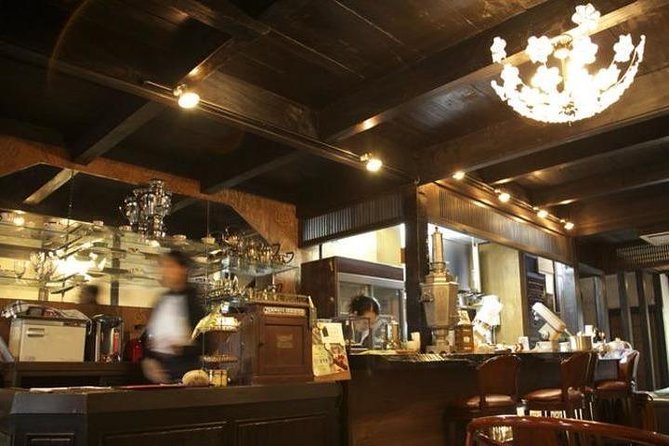
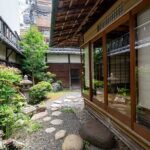
The session begins at ran Hotei, 64 Kamikawarachō, Nakagyo Ward, Kyoto 604-8374, Japan, and it ends back at the same meeting point. It runs about 1 hour 30 minutes, and you’ll use a mobile ticket. It’s also near public transportation, which helps if you’re hopping between Kyoto neighborhoods.
Since it’s a shorter format, you should think of it as an excellent primer rather than a full-day immersion. You’ll leave with enough structure to appreciate tea etiquette, but you won’t expect a multi-hour deep training course. If you want something you can fit into a sightseeing plan, this time window is practical.
What you’ll actually do during the ceremony
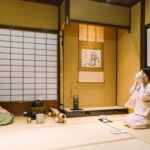
You’ll follow a full rhythm of a formal tea ceremony: greeting, preparation, serving, and etiquette. The key isn’t speed—it’s order. You learn how the ceremony works in practice, including the meaning behind careful actions.
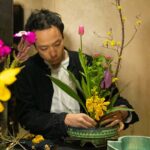
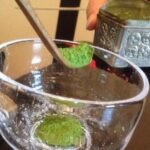
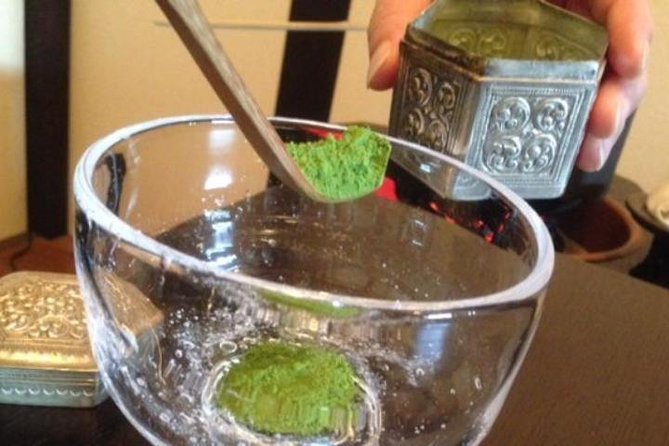
There’s a specific highlight: you get to try making your own bowl of matcha. That changes everything. When you whisk and handle the tea tools yourself, you suddenly understand why certain motions are so precise. The ceremony becomes more like a hands-on craft lesson, wrapped in respectful tradition.
You’ll also learn about matcha snacks and tea. That means you don’t just drink matcha and rush out. You taste the sweet component of the experience, which is part of how many formal tea occasions balance flavors and set the mood.
Matcha and Kyoto sweets: why the food matters
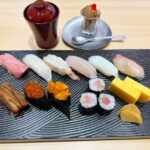
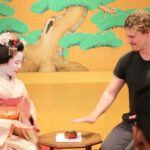
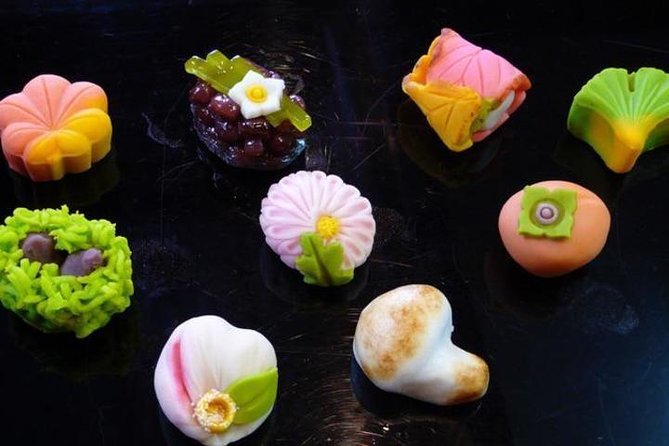
A lot of visitors come for matcha. What makes this session feel complete is the way the sweets are built into the experience. You’ll get traditional sweets from Kyoto’s famous sweet makers, served alongside the tea lesson. Then you get to experience how those flavors pair with matcha as part of the ritual.
Matcha tastes different depending on temperature, whisking technique, and the way you bring it into your mouth. The sweet helps set the stage, so when you move into the tea, the experience feels balanced rather than one-note. For me, that’s one of the best parts: you taste the ceremony as a sequence, not as a single moment.
And yes, the matcha is a major deal here. You’re using Randy Sensei’s original Kyoto grown matcha. If you’ve had mass-produced matcha before, you’ll likely notice a difference. Even if you’re not a matcha expert, the overall flavor experience tends to feel more intentional.

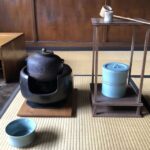
Learning tea etiquette you can use, not just admire
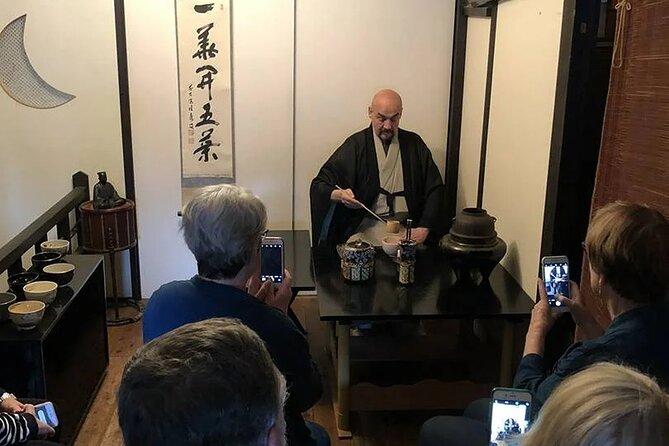
The etiquette lesson is one of the main reasons this kind of tour is worth it. You’ll study how a formal tea ceremony is conducted, including how participants are expected to behave during the experience. That might sound abstract, but it becomes practical fast.
When you watch the tea master demonstrate, you can start connecting the dots: respectful posture, careful timing, and the way serving is done with attention. Then you practice in your own small way when it’s your turn to prepare tea. You’re learning a code of conduct, but you’re also learning how to pay attention.
One of the most praised parts of this experience is how educational it feels. In plain terms, that education comes from doing. You’re not stuck memorizing rules. You’re seeing them in action, then getting a chance to reproduce the key steps.
Seating note: not tatami, so adjust your expectations
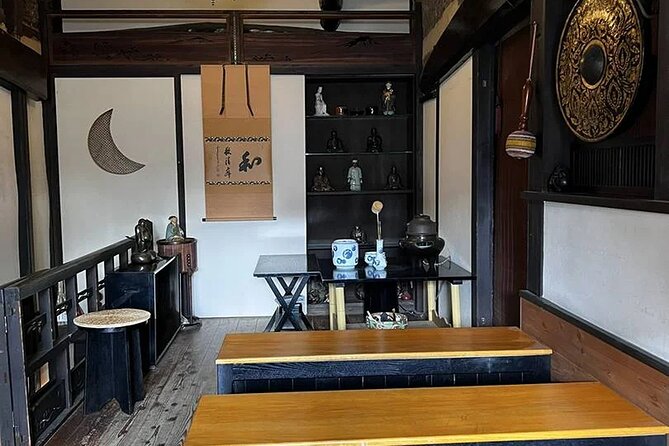
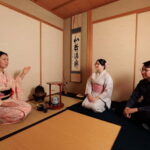
You are not seated on tatami mats or low tables. The experience also notes that the seating may be on benches rather than floor-level styling. This is important to know before you book, because the classic image of tea ceremony rooms is tied to tatami and low seating.
Does that make it less authentic? It depends on what you want. If your goal is to learn the why of ryurei—how hospitality and etiquette are expressed—this can still be a solid experience even without tatami. If your goal is the most theatrical, floor-level “Kyoto tea room” look, you might feel slightly shorted.
Still, being able to comfortably participate matters. In a 1.5-hour class, you need to stay engaged, and seating that helps you focus can actually improve the experience.
Kimono expectations: plan around what’s not included
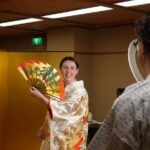
Kimono is not included. You’ll keep your own clothes on, and that’s fine. Many people come to Kyoto expecting to rent traditional outfits, so it’s worth deciding ahead of time if you want the added photo vibe.
If you care about wearing a kimono specifically for atmosphere, you’ll need to arrange that separately. If you don’t, don’t worry—your learning still stays centered on etiquette and matcha, not costumes.
Group size, pacing, and the “feel” of the session
With a maximum of 25 travelers, the group stays small enough for a guided ceremony flow. You’ll be part of the group experience, but it doesn’t feel like a crowded workshop where you can’t hear or follow. The pacing is also set for a complete overview in about 90 minutes.
This is the kind of tour where you benefit from showing up ready to focus. Keep your phone put away during key moments if the tea master is explaining etiquette. You’ll get more out of it when you watch first, then participate. If you rush your attention, you miss the rhythm that makes a formal ceremony feel different from casual tea.
Price and value: what $56.34 is buying you
At $56.34 per person, this isn’t the cheapest activity in Kyoto. But it’s also not priced like a souvenir stop. You’re paying for a guided formal tea lesson with a high-level tea master, plus tangible inclusions.
Here’s what you actually get for the money:
- A tea ceremony with the tea master
- Randy Sensei’s original Kyoto grown matcha
- Traditional Kyoto sweets
- Time to make your own bowl of matcha
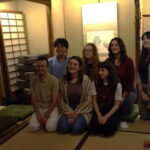
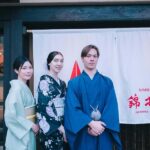
- A group photo
When you price it like that, the value becomes clearer. You’re not just tasting tea—you’re learning a cultural practice with hands-on practice and included food. For many people, that “make it yourself” part is worth more than a simple tasting.
Also, group discounts are mentioned. If you’re traveling with friends, it can make the per-person cost easier to swallow while still keeping the group size small.
Who should book this Kyoto tea ceremony (and who might not)
This is a strong fit if you want:
- A formal, structured lesson on chanoyu etiquette
- Hands-on matcha preparation
- A teacher with serious tea credentials who can explain the ceremony clearly
- A Kyoto cultural activity that fits within a short window
You might think twice if:
- Your main goal is floor-level tatami seating and a full theatrical tea-room look
- You want something longer and more in-depth than 1 hour 30 minutes
- You’re expecting kimono included or a costume-based photo session
For most visitors who want authentic Kyoto culture without turning it into a long production, this sits in a sweet spot.
Tips to get more out of your ryurei experience
If you want the ceremony to stick with you after Kyoto, come with a simple mindset: watch, then participate. The tour works best when you treat it like training, not like a casual snack break.
A few practical ideas:
- Arrive a bit early so you’re not rushed when you start.
- Listen to the etiquette explanations even if you think you already know tea basics.
- When it’s your turn, focus on consistency of motion, not perfection.
- Try the sweets slowly—don’t treat them like an afterthought.
One more tip: even if you’re short on time in Kyoto, this can change how you experience matcha later. You’ll start noticing how whisking and serving affect texture and taste.
Should you book this traditional Kyoto tea ceremony?
I’d book it if you want a real, formal introduction to ryurei with a serious tea master, and you care about learning etiquette you can actually understand—not just taking photos. The hands-on part is the biggest reason this works. Making your own matcha turns the experience from a viewing into a skill you carry home.
I’d also book it with eyes open about seating and the lack of tatami. If you’re chasing the classic floor-level scene, this won’t fully match that fantasy. But if you want an educational, structured tea ceremony experience with included Kyoto matcha and sweets, this is a good value.
If you’re in Kyoto and you want one cultural activity that feels both traditional and practical, this is the kind of stop that gives you something to remember.
FAQ
How long is the traditional tea ceremony in Kyoto?
The experience lasts about 1 hour 30 minutes.
Who leads the tea ceremony?
The ceremony is led by Randy Channell Soei, a tea master specializing in the ryurei style.
What is included in the price?
You get the tea ceremony with the tea master, Randy Sensei’s original Kyoto grown matcha, traditional Kyoto sweets, the chance to make your own bowl of matcha, and a group photo.
Is transportation or a kimono included?
Transportation and kimono are not included.
Will I sit on tatami mats or low tables?
No. You are not seated on tatami mats or low tables.
Can I cancel for a full refund?
Yes. You can cancel for a full refund if you cancel up to 24 hours in advance of the experience start time. If you cancel less than 24 hours before, the amount paid is not refunded.