REVIEW · TOKYO
Matcha table tea ceremony experience in Tokyo
Book on Viator →Operated by Shuminavi Inc. · Bookable on Viator
A quiet tea ritual at a real table.
This Tokyo table matcha ceremony puts you close to the action: a master instructor guides you through matcha etiquette, then lets you make and serve your own cup. It’s hands-on Japanese culture without the usual floor-sitting drama.
I especially like two things here: the lesson is led by Masumi Matsumoto, a Master Instructor with the Japan Table Tea Ceremony Association, and the format is interactive, not just watch-and-clap. You’ll get to use the special whisk and try the motions yourself, plus learn what’s behind the manners and the history of matcha.
One consideration: the experience runs about 2 hours and is designed as a small-group activity, so if you want a long, slow, private ceremony, this may feel a bit time-boxed.
In This Review
- Key things to know before you book
- Why this table ceremony feels different (and why you’ll like it)
- Meet Masumi Matsumoto and set the tone
- The 2-hour flow: tasting first, then making your own matcha
- Part one: explanation plus matcha and seasonal sweets
- Part two: whisk technique, then serve your tea
- What you’ll learn (beyond the matcha itself)
- Value check: is $65.04 worth it?
- Location reality: Meguro access without hassle
- Who this fits best (and who might prefer something else)
- Tips to get the most out of your lesson
- Quick note on comfort and small logistics
- Should you book the Matcha Table Tea Ceremony in Tokyo?
- FAQ
- How long is the matcha table tea ceremony experience?
- Where does the experience meet and how do I get there?
- Do I have to sit on the floor?
- How big is the group?
- What will I do during the lesson?
- Is the lesson in English?
- What is the cancellation policy?
Key things to know before you book
- Master Instructor Masumi Matsumoto guides you through matcha history, spirit, and etiquette in English
- Chair-at-a-table format helps you join comfortably even if floor sitting is a no-go
- Two-part structure: first tasting and explanation, then hands-on making and serving
- Small group size (max 5) keeps it intimate and beginner-friendly
- Seasonal wagashi changes by time of year, so your sweets will be fresh and local
- Meguro access is easy: a short walk from Toritsudaigaku Station
Why this table ceremony feels different (and why you’ll like it)
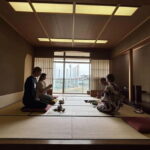
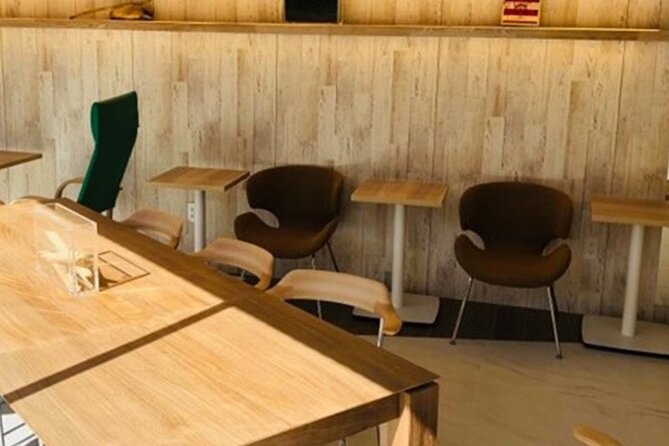
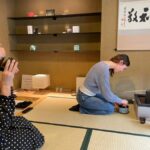
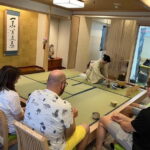
If you’ve seen photos of tea ceremonies, you probably picture formal rooms and floor mats. This is that same spirit, but with a practical twist: it’s the table tea ceremony, where you sit on chairs at a table instead of on the floor. That matters more than you’d think. You can focus on the tea and the rhythm of the lesson, not on trying to survive an awkward kneeling position.
The other reason you’ll enjoy this is the teaching style. Masumi Matsumoto doesn’t just hand you a script. The flow is explanation first, then you taste what’s being taught, and then you practice the key movements using the whisk. The goal is not to make you into a tea master in one lesson. It’s to help you understand the logic—how to mix matcha smoothly and how to behave respectfully—so you can recreate the experience at home.
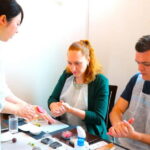
This also isn’t a giant crowd situation. With a maximum of 5 travelers, you’re more likely to ask questions, and the instructor can keep an eye on your technique. For a first-timer, that’s a big deal.
You can also read our reviews of more tours and experiences in Tokyo.

Meet Masumi Matsumoto and set the tone
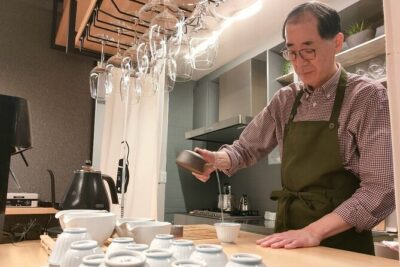
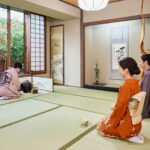
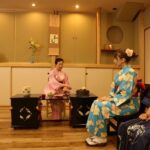
The provider lists the instructor as Masumi Matsumoto, a Master Instructor of the Japan Table Tea Ceremony Association. In practice, that means you’re not getting a generic demo. You’re getting a lesson with roots in a real tradition.
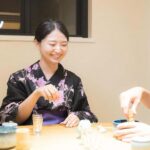
From the way the ceremony is described, you can expect a warm, guided atmosphere where beginners feel at ease. The instructor explains the history and manners of the tea ceremony clearly in English, and keeps it light with humor. That combo is ideal if you’re traveling with kids or anyone who worries about a language barrier.
There’s also a strong emphasis on the mood of the tea room—silence, attention, and the aroma of tea. Even if the setting is comfortable (chairs at a table), the lesson encourages you to slow down. That’s one of the best ways to get more from a culture experience: less rushing, more paying attention to small actions.
And yes, the group stays small, so you’re not likely to disappear into the back row.
The 2-hour flow: tasting first, then making your own matcha
This experience is about 2 hours total, and it runs in two clear halves. That structure helps you learn without feeling overwhelmed.
Part one: explanation plus matcha and seasonal sweets
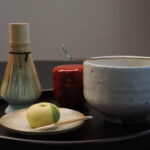
In the first half, you get an introduction to how to enjoy tea—what to focus on, how to handle utensils, and the basic manners that shape the ceremony. Then the instructor serves matcha green tea along with seasonal Japanese sweets (wagashi).
Two details make this part more valuable than it sounds. First, you taste before you practice. That helps your brain understand what the “right” result should feel like in terms of aroma, color, and texture. Second, you pair the tea with wagashi that changes by season. That seasonal pairing is part of why matcha ceremonies feel local and grounded rather than touristy.
It’s a good approach for first-timers: you’re learning from a real cup in real time, not from a dry lecture.
Part two: whisk technique, then serve your tea
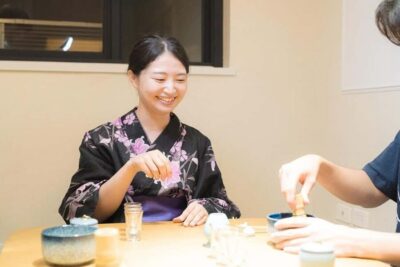
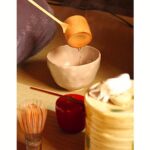
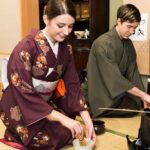
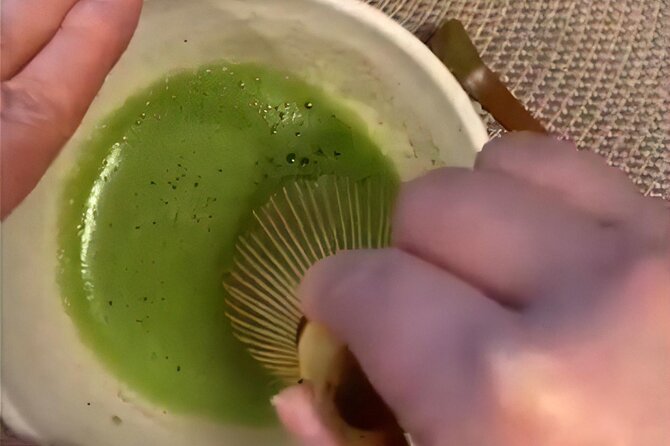
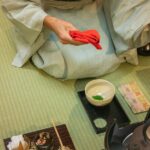
In the second half, you switch from observer to doer. You’ll actually experience making and serving tea using the matcha whisk.
This is where the lesson becomes practical. You learn how to use the special whisk and you practice until you can do the basic steps with confidence. Even if your first attempt isn’t restaurant-perfect, the point is that you leave with a repeatable method.
Serving your own tea also matters. Tea ceremony isn’t only about drinking. The way you present the cup, and the care you show in serving, is part of the etiquette being taught. A good instructor keeps it simple enough for beginners, while still respecting the tradition.

What you’ll learn (beyond the matcha itself)
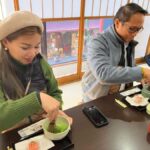
The tea ceremony’s value is not just that you drink matcha in Tokyo. It’s that you learn the logic behind the movements—why they exist, and how to recreate the vibe at home.
Here’s what you should expect to come away with:
- How to use the whisk properly to mix matcha (so it tastes right and doesn’t turn clumpy)
- Basic tea-prep manners that shape the experience, including how to handle things carefully
- A sense of the spirit of tea, including hospitality and respectful focus
The instructor is also explicitly teaching the history and spirit of matcha tea, not just the technique. That context is useful when you’re later buying matcha at a store or trying it at a friend’s house. You’ll know what you’re aiming for and why.
And there’s another subtle benefit: sitting comfortably on a chair at a table means you’re less likely to multitask with your discomfort. That lets you pay attention to aroma and texture—the stuff you can’t fully get from a quick café drink.
Value check: is $65.04 worth it?
At $65.04 per person for roughly 2 hours, the price isn’t the cheapest thing you can do in Tokyo. But it’s also not just a ticket to watch something. You’re getting:
- a master instructor lesson
- seasonal wagashi
- hands-on whisk practice
- matcha served twice (tasting first, then making/serving in the second half)
- a small group capped at 5 people
In other words, you’re paying for time, teaching, and an experience you can reuse later. If you’ve ever tried to copy a tea ceremony video at home, you know how hard it is without a teacher correcting your technique. This gives you that correction in a short, friendly format.
Also, group discounts are mentioned in the tour features. If you’re traveling with a family or friends, that can make the per-person cost feel more reasonable.
One practical point: the experience is commonly booked about 98 days in advance, which suggests it can sell out. If your dates are firm, book earlier rather than hoping.
Location reality: Meguro access without hassle
This takes place in Meguro-ku, Tokyo, and the meeting point is listed at 1-chōme-9-1 Nakane, Meguro City, Tokyo 152-0031. The good news is the access is simple: it’s about a 2-minute walk from Toritsudaigaku Station.
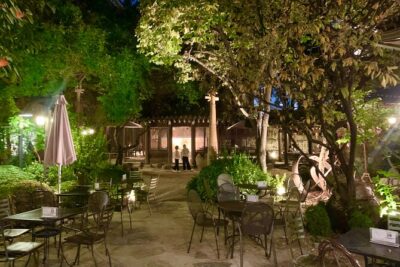
After, you’re not stuck in a random industrial block with nothing nearby. Meguro area connections include the Meguro River, the sweets-focused area around Jiyugaoka, and Nakameguro Park. Even if you only have an hour, you can pair the ceremony with a relaxed stroll, especially if you like wandering neighborhoods rather than lining up for the next big attraction.
If you like planning your day around walking, this location works. It’s close to public transport, and it doesn’t require a long commute.
Who this fits best (and who might prefer something else)
This table tea ceremony is a strong match for:
- First-time visitors who want authentic Japanese culture without being overwhelmed
- Families, since the format is comfortable and the instructor explains clearly in English
- Anyone who wants a hands-on skill to take home, not only photos
It’s also a good option if you’re worried about sitting on the floor. The chair-at-a-table setup is built for real people with real knees.
You might prefer a different kind of tea experience if you’re looking for a very long, traditional, highly ceremonial program or if you’re expecting lots of free time to explore inside a tea room. This experience is focused, structured, and time-efficient.
Tips to get the most out of your lesson
A tea ceremony rewards attention. Here are a few practical ways to make it click:
- Arrive a few minutes early so you can settle without rushing.
- When you taste the first cup, pay attention to aroma and texture. That’s your reference for your own mix later.
- During the whisk practice, focus on consistency rather than speed.
- Ask small questions as they come up. With a group size capped at 5, you have a better chance of getting a helpful answer.
Also, if you’re traveling with kids, this kind of calm, guided structure often works better than loud activities. The instructor’s friendly explanations can keep energy levels steady.
Quick note on comfort and small logistics
This is a chair-based ceremony, so you shouldn’t need floor-sitting flexibility. The tour ends back at the meeting point, and it’s near public transportation, which keeps it easy to slot into a day.
The experience also uses a mobile ticket, and you receive confirmation within 48 hours of booking depending on availability. Free cancellation is available up to 24 hours in advance for a full refund, so you’ve got some flexibility if your schedule shifts.
Should you book the Matcha Table Tea Ceremony in Tokyo?
Book it if you want a small-group, instructor-led culture experience that’s practical, comfortable, and genuinely interactive. The standout reasons are the master instructor teaching in English, the chair-at-a-table format, and the fact that you make and serve your own matcha with a whisk you can learn to use at home.
Skip it only if you prefer a longer, more formal ceremony with lots of downtime, or if you’re hunting for something more free-form than a structured 2-hour lesson.
If you want one Tokyo experience that’s both meaningful and repeatable, this is a strong choice.
FAQ
How long is the matcha table tea ceremony experience?
It lasts about 2 hours.
Where does the experience meet and how do I get there?
The meeting point is 1-chōme-9-1 Nakane, Meguro City, Tokyo 152-0031, Japan. It’s about a 2-minute walk from Toritsudaigaku Station.
Do I have to sit on the floor?
No. This is a table tea ceremony where you can sit on a chair.
How big is the group?
The experience has a maximum of 5 travelers.
What will I do during the lesson?
You’ll first enjoy matcha green tea and seasonal wagashi with explanation, then you’ll make and serve tea using a matcha whisk.
Is the lesson in English?
The instructor explains in English.
What is the cancellation policy?
You can cancel for a full refund if you cancel at least 24 hours before the experience’s start time. If you cancel less than 24 hours before, the amount paid is not refunded.