REVIEW · TOKYO
Walking Tour: Yanaka,Nezu& Sendagi: Tea Ceremony & Old Tokyo
Book on GetYourGuide →Operated by Machinovate Japan Ltd. · Bookable on GetYourGuide
Old Tokyo comes in small streets.
This Yanesen walk through Yanaka, Nezu and Sendagi is a rare chance to see Tokyo’s Shitamachi mood up close, not just from a train window. I love how the day mixes quiet neighborhood lanes with major cultural stops, and I really like the way the tea ceremony lands as a real moment of slower, older Tokyo thanks to the chance to drink from antique tea bowls. One thing to consider: it’s a full day on foot with multiple guided segments and free-time blocks, so comfortable shoes matter.
You’ll meet your English-speaking guide at Nippori Station (West exit) at 10:30, so your day feels organized from the start. And it ends back at Nippori, which is handy if you’re planning dinner or a train ride later. If you want Tokyo that feels local—old architecture, shrines, temples, and a museum terrace view—this is a strong fit.
In This Review
- Key things to look forward to
- Why Yanaka, Nezu and Sendagi still feel like Shitamachi
- Starting smart at Nippori: the 10:30 West-exit meeting
- Yanaka Cemetery: a calm, guided look at Tokyo’s past
- A “secret stop” with food tasting: where the day gets personal
- Yanaka District free time: use it to walk like a local
- Asakura Museum of Sculpture: art, structure, and a rooftop view
- Lunch in Yanaka: make your one-hour break work for you
- Sendagi temples and park: the Shitamachi mood gets spiritual
- Nedu-jinja Shrine: the closing cultural moment
- Tea ceremony and antique tea bowls: the moment that slows everything down
- Value check: is $135 for a day in Yanesen fair?
- Who this tour suits best (and who might want to skip it)
- Should you book the Yanaka, Nezu & Sendagi tea ceremony walking tour?
- FAQ
- What is the duration of the tour?
- Where does the tour start?
- What time does the tour begin?
- What happens if I accidentally go to the wrong station?
- What is included in the price?
- Do I need to pay separately for the museum?
- Is the tour guided in English?
- Is there a tea ceremony?
- What is the cancellation and payment flexibility?
Key things to look forward to
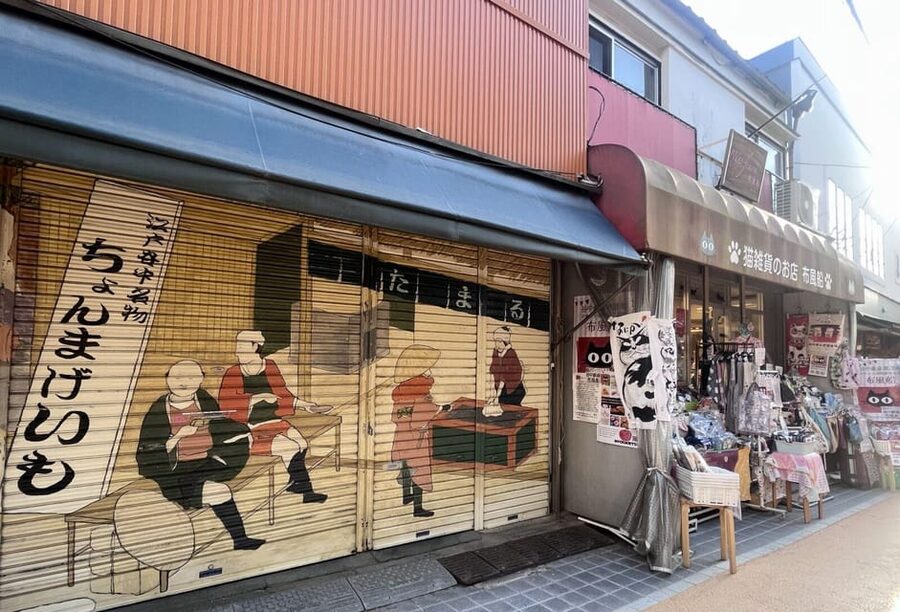
- Yanesen focus: Yanaka, Nezu and Sendagi as one connected old-town experience
- Tea ceremony with antique tea bowls: plus sweet accompaniments described by past guests
- Asakura Museum of Sculpture: guided visit with a rooftop terrace for Tokyo views
- A structured day, with real breathing room: free time in Yanaka for exploring at your pace
- Shrines and temple area walking: including a full visit to Nedu-jinja Shrine
Why Yanaka, Nezu and Sendagi still feel like Shitamachi
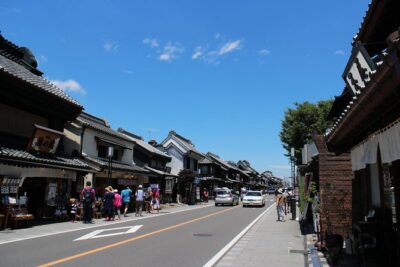
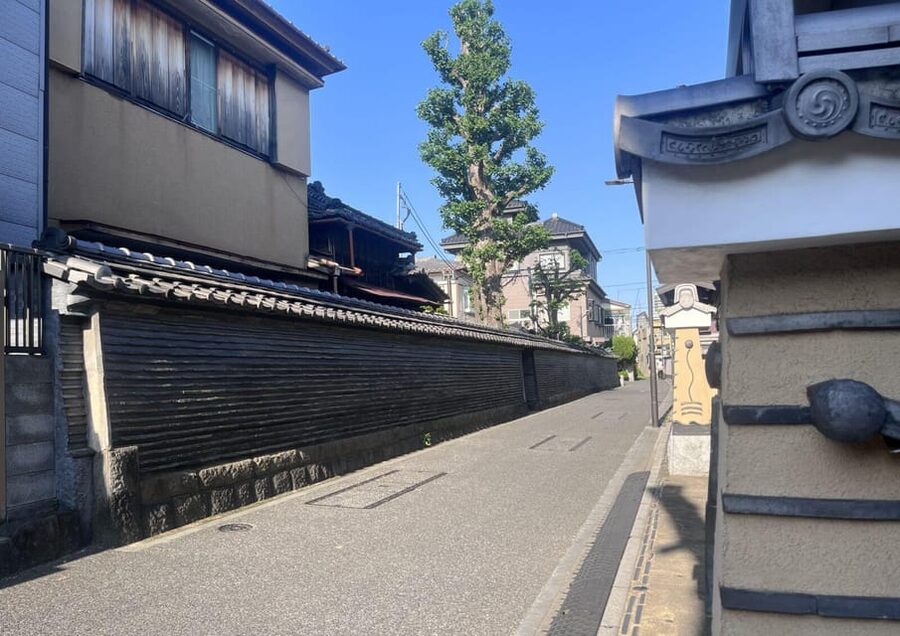
Yanaka, Nezu and Sendagi are grouped as Yanesen, and that name matters. It’s Tokyo’s “old lower city” style—think smaller streets, older architectural forms, and a neighborhood rhythm that doesn’t feel designed for mass tourism. Even though you’re still in Tokyo, the vibe is noticeably more human scale.
What I like about this tour’s approach is that it doesn’t treat Yanesen like a museum piece. You move through lived-in areas where local life is still part of the scenery. You also get enough context from your guide to understand what you’re seeing: Shitamachi wasn’t just a visual style; it was the shape of how people worked, shopped, and gathered.
If you’re tired of one big sight after another, this kind of walking day can reset your Tokyo expectations fast.
You can also read our reviews of more tours and experiences in Tokyo.

Starting smart at Nippori: the 10:30 West-exit meeting
The tour begins at 10:30 outside Nippori Station’s West exit. Your best move is simple: aim to arrive a bit early so you’re not scanning signs while everyone else is already checking out.
A couple of details that matter:
- Make sure you’re at Nippori Station, not Nishi-Nippori.
- Meet directly outside the gates where you’ll see a red information board and a post box.
This is the kind of tour where being at the right entrance helps everything flow. If you’re coming from another station, double-check your route before you leave your hotel—Nippori and Nishi-Nippori sound similar, and you don’t want that stress at the start of your day.
Yanaka Cemetery: a calm, guided look at Tokyo’s past
Your morning starts with Yanaka Cemetery, with a guided visit (about 30 minutes) and a bit of time to pass by areas along the way. A cemetery in a city might sound strange until you slow down and remember what it is in Tokyo: part history lesson, part cultural space, part way people honor memory.
The value here isn’t just the setting. It’s that the guide can frame it in Shitamachi terms—how older Tokyo expresses itself through everyday landmarks and respectful quiet places.
What could be a drawback? If you’re expecting lively street entertainment right away, this first stop is more reflective. It’s meant to set the tone: older Tokyo, slower pace, and a kind of calm you can carry into the busier areas later.
A “secret stop” with food tasting: where the day gets personal
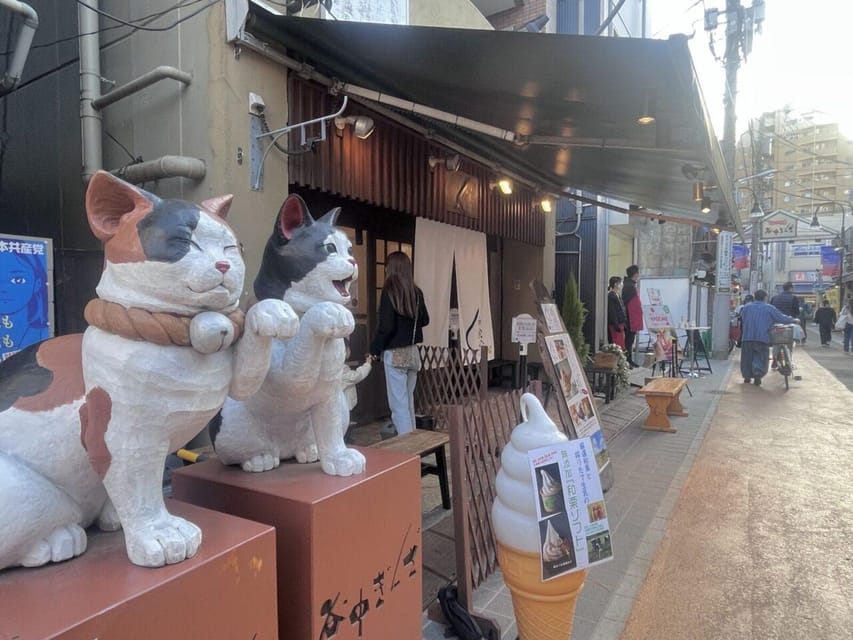
Next comes a secret stop, with a guided visit and food tasting for around an hour. The exact location isn’t listed in the details you get ahead of time, which is part of the charm. You’re not just following a generic route; you’re joining an experience someone chose for the group.
For you, that hour is valuable because it’s low-pressure. Food tasting gives you a concrete way to understand local flavor without requiring planning or a reservation on your own. It also gives you a chance to ask questions in real time—one of the best ways to turn Tokyo from confusing to familiar.
Since this stop is intentionally unspecific, don’t expect a shopping spree. Plan on a tasting-focused break: enough to sample and learn, not enough to fill you up like a full meal.
Yanaka District free time: use it to walk like a local
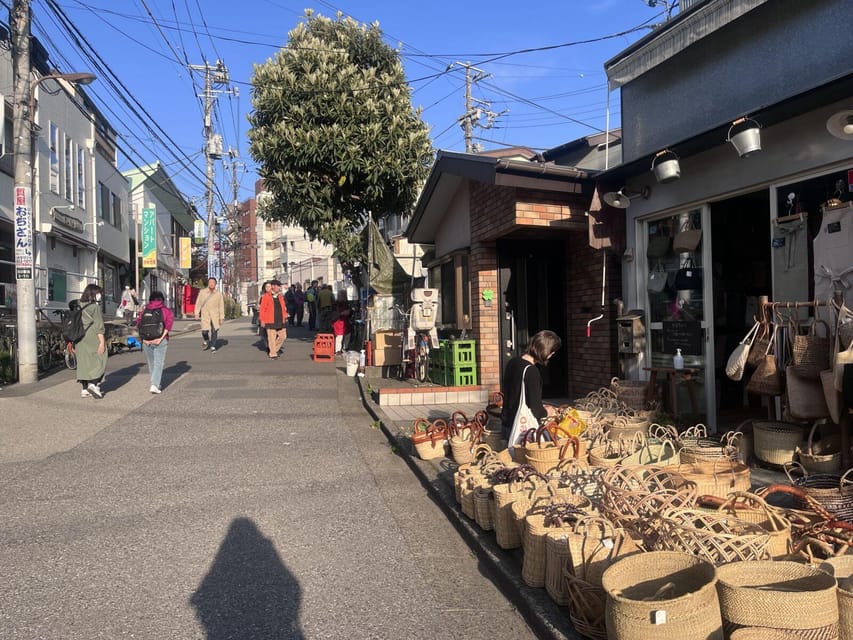
Then you get time in the Yanaka District with guided context plus free time for about 80 minutes. This is where the tour turns into your Tokyo. Your guide has already shown you what to notice, so your free time can be about exploring with intention.
In this neighborhood, you’ll likely want to do two things:
- Wander side streets and slow down at intersections where the older streets keep their shape.
- Look for small craft and neighborhood storefronts rather than chasing big-brand names.
The other advantage of this free-time block is timing. You won’t be stuck moving at a constant pace all day. You can grab a snack, check photos, or simply sit for a few minutes if you’re tired.
If you tend to over-plan, set yourself a simple goal: one shop you want to find, one street you want to photograph, and one place to rest. That keeps the freedom from turning into decision fatigue.


Asakura Museum of Sculpture: art, structure, and a rooftop view
The day includes a guided visit to the Asakura Museum of Sculpture (about 1 hour), and museum admission is included. This stop adds something important to the Yanesen theme: it’s not only about old streets, shrines, and atmosphere. It’s also about how Tokyo expresses culture through design, sculpture, and the built environment.
Past guests highlight the payoff: the museum’s rooftop terrace views of Tokyo. That rooftop angle is a smart contrast to street-level walking. You see the city’s scale, but you also understand where Yanesen sits inside that larger Tokyo picture.
A possible drawback: if you’re short on museum interest in general, you might feel the time at the museum more than the neighborhood streets. But even then, the rooftop terrace view gives you a strong reason to include it.
Lunch in Yanaka: make your one-hour break work for you
Lunch comes with another free time block of about 1 hour in Yanaka. This is where you can steer your day toward your tastes: something simple, something regional, or a place that feels local rather than engineered.
My practical tip: use the guide’s direction before you split for lunch. Ask where they would go for something quick and easy, or where to find a sit-down option versus a snack-stop option. That way you don’t burn your lunch hour hunting.
Also, since the day includes a tea ceremony later, go for lunch that won’t ruin the rest of your afternoon. Think lighter if you tend to snack and drink tea easily.
Sendagi temples and park: the Shitamachi mood gets spiritual
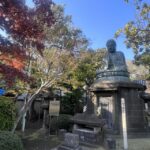
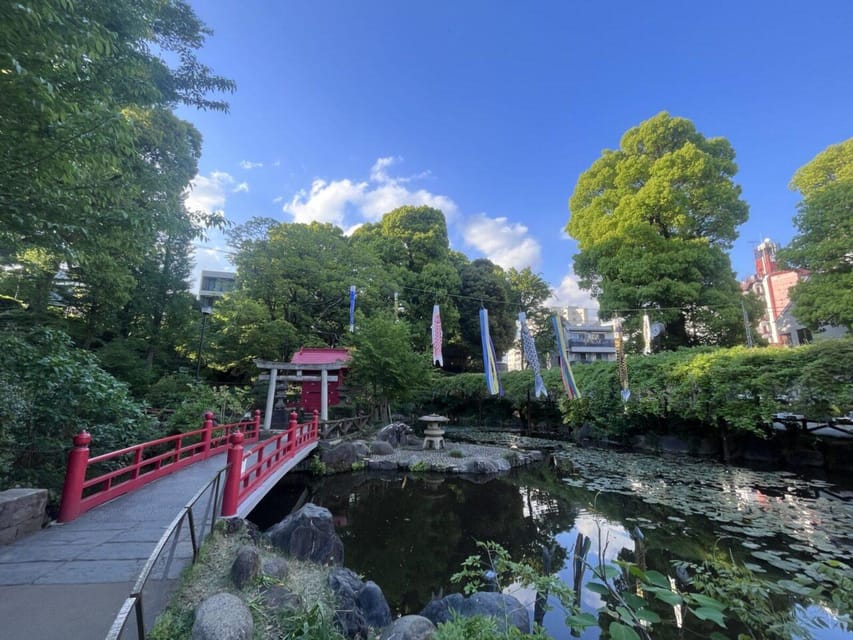
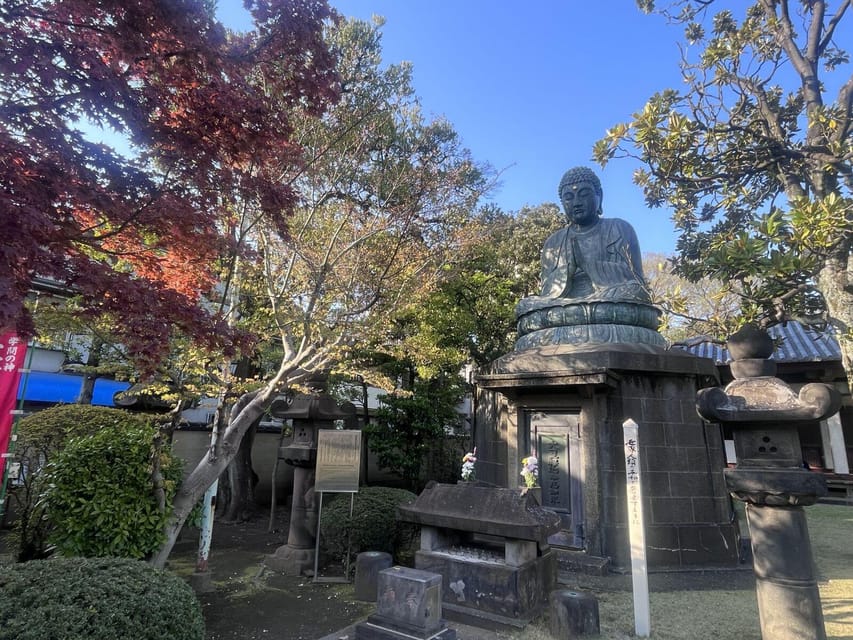
Next you move toward Sendagi, with a guided visit and a walk (about 40 minutes) through the area. Sendagi is known for temples and park space, and that mix matters. You’re not only seeing religious sites; you’re also experiencing the green and open pauses that make the area feel breathable.
This part of the tour is valuable because it connects architecture to feeling. Temples and parks in older districts often function like community anchors. They’re places where the neighborhood’s rhythm becomes visible—when you walk through, you can sense how people gather and how the day’s pace changes.
If you’re photographing, keep your expectations realistic. You’ll want to look for details—entrances, stonework, and pathway compositions—rather than only chasing the single “postcard” frame.
Nedu-jinja Shrine: the closing cultural moment
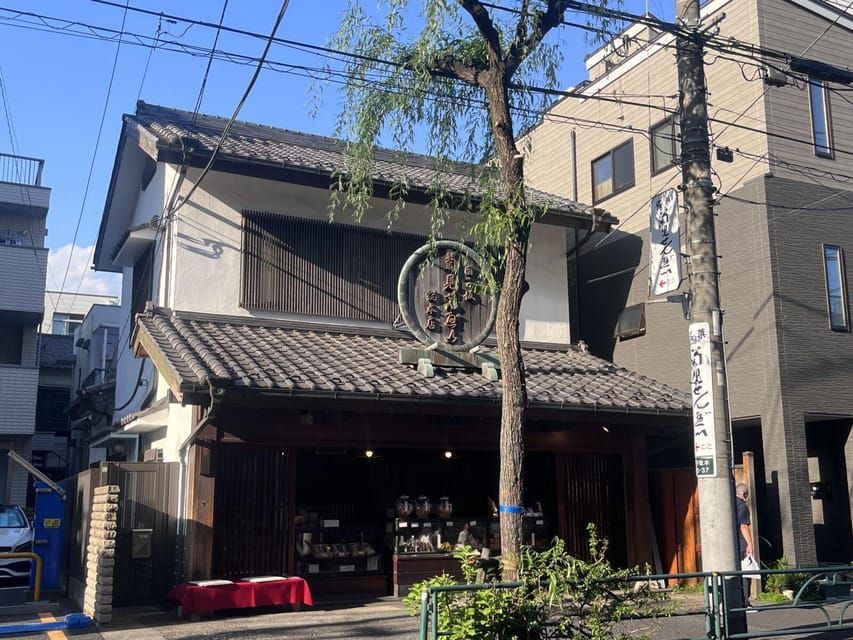
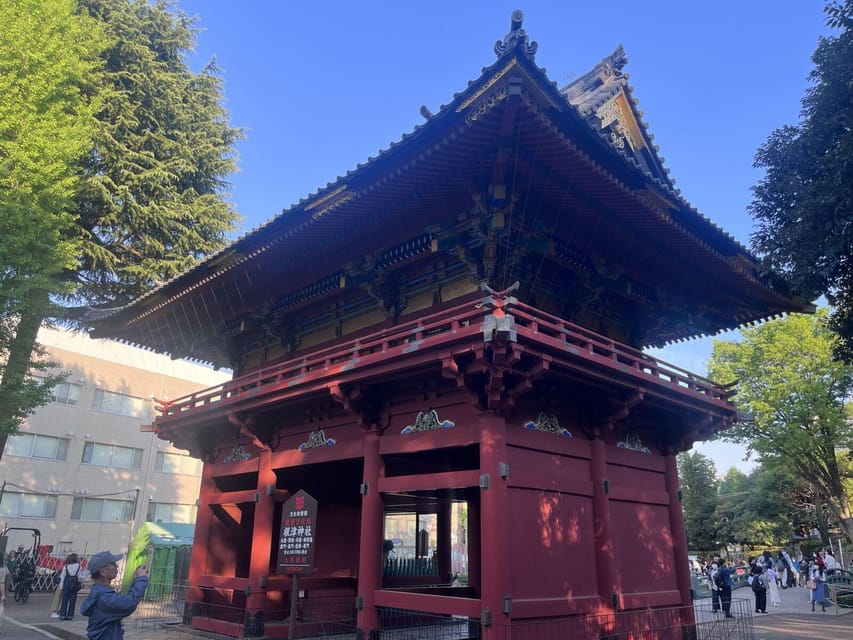
The finish includes a visit to Nedu-jinja Shrine with guided time (about 1 hour). A shrine stop is more than photos. With a guide, you’re more likely to notice the things people learn to read: how the space is arranged, what rituals mean in context, and why specific shrine features matter.
I like ending the day this way because it’s both a cultural capstone and a visual “reset.” By the time you reach Nedu-jinja, your brain has already walked through several layers of Yanesen. The shrine gives you something focused to hold onto before heading back.
Tea ceremony and antique tea bowls: the moment that slows everything down
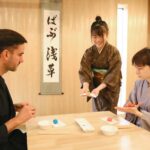
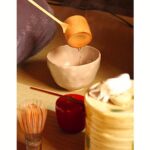
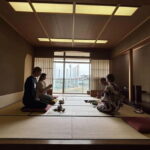
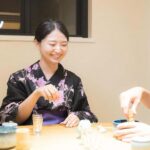
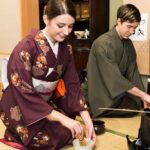
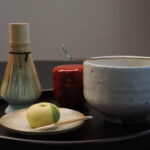
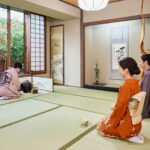
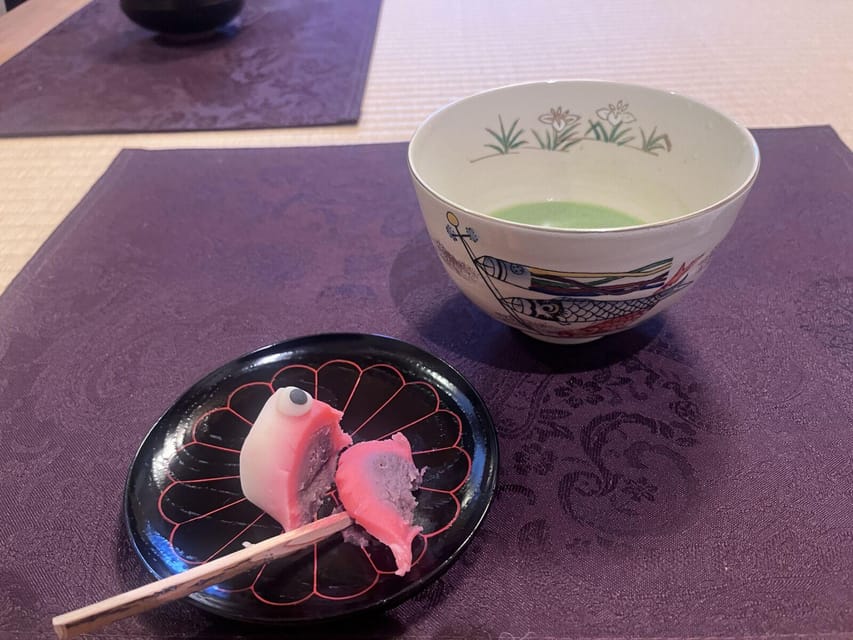
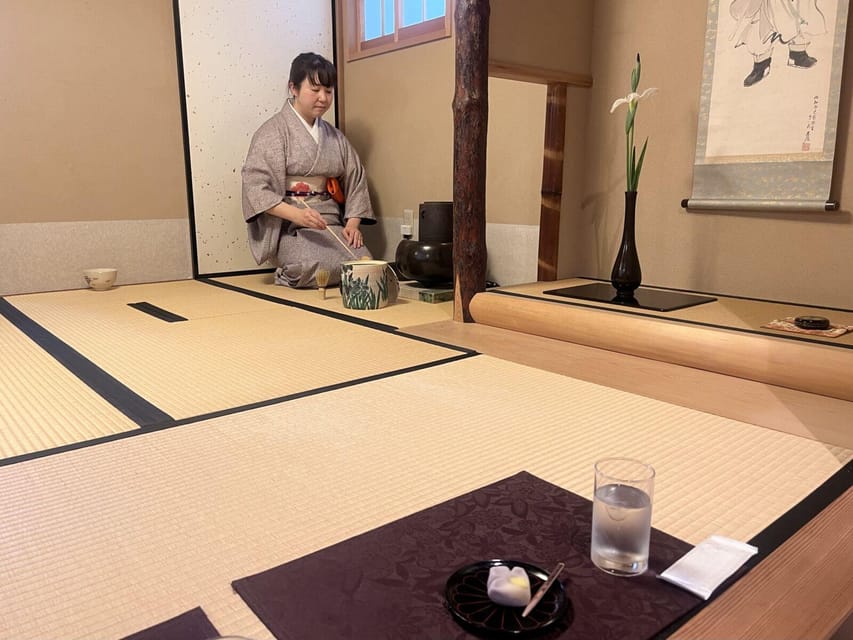
This tour’s title isn’t decoration. A traditional tea ceremony is included, and you’ll drink from antique tea bowls—the kind of detail that turns tea from a drink into a cultural lesson you can actually feel.
Why this part matters for your trip: in Tokyo, it’s easy to rush from place to place and end up collecting photos but not collecting meaning. Tea ceremonies force the opposite. You pay attention to the objects, the pacing, and the way the host frames the experience.
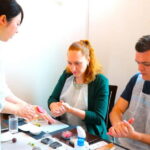
One guest described the ceremony atmosphere as a highlight, especially the pairing of sweets and the antique bowl presentation. Another shared that their guide made the experience feel friendly and conversational, and they even enjoyed a portrait drawing connected to the tea-house owner and the selection of antique teacups. That’s the kind of detail that makes the ceremony feel personal rather than scripted.
You don’t need to know tea etiquette in advance. The value is in the guided explanation and in how the antique bowls make the past feel tangible.
Value check: is $135 for a day in Yanesen fair?
At $135 per person for a full day, the price feels worth it when you look at what’s included:
- a guided English-language walking day through multiple neighborhoods
- tea ceremony experience
- admission fees for the Asakura Museum of Sculpture
- a structured route that includes cemetery, district time, shrine time, and a museum with terrace views
The main value isn’t just the list of stops. It’s the guidance. Without a guide, Yanesen can still be enjoyable—but you’d spend extra time figuring out what you’re looking at, and you’d probably miss the “why” behind the places. Here, you get context built in, plus the cultural time of the tea ceremony.
If your Tokyo plan is packed and you want one day that feels like an honest slice of old Tokyo rather than a nonstop checklist, this is a good use of your time.
Who this tour suits best (and who might want to skip it)
This is a strong match if you:
- want old Tokyo without the busiest tourist hubs
- enjoy guided walking and cultural stops
- want at least one indoor experience (the sculpture museum) and one slower cultural moment (tea ceremony)
- like neighborhood-scale Tokyo where you can actually see details
You might think twice if you:
- dislike structured walking days with multiple segments
- only want the biggest “headline” attractions and feel museums feel like a detour
For most people craving depth over speed, this lands in the sweet spot.
Should you book the Yanaka, Nezu & Sendagi tea ceremony walking tour?
Yes—if your goal is to experience Yanesen as a lived-in Tokyo district and not as a quick sightseeing stop. The mix of Shitamachi streets, shrine and temple atmosphere, the Asakura Museum rooftop views, and the tea ceremony with antique tea bowls gives you both variety and focus.
If you want a Tokyo day that feels like a friendly conversation paired with real places, this kind of tour can be exactly the tone you’re looking for.
FAQ
What is the duration of the tour?
It runs for 1 day.
Where does the tour start?
You meet outside Nippori Station’s West exit.
What time does the tour begin?
The tour starts at 10:30.
What happens if I accidentally go to the wrong station?
You should make sure you’re at Nippori Station, not Nishi-Nippori.
What is included in the price?
The price includes admission fees for the Asakura Museum of Sculpture, the tea ceremony experience, and a local English-speaking guide.
Do I need to pay separately for the museum?
No. Asakura Museum of Sculpture admission fees are included.
Is the tour guided in English?
Yes. The tour includes a live English guide.
Is there a tea ceremony?
Yes. A traditional tea ceremony is included, and you drink from antique tea bowls.
What is the cancellation and payment flexibility?
You can cancel up to 24 hours in advance for a full refund. You can also use reserve now & pay later.