REVIEW · KYOTO
Kyoto Private Tea Ceremony at a Japanese Inns
Book on GetYourGuide →Operated by Matsuda Shouten · Bookable on GetYourGuide
A calm room, a warm cup, and a kimono on. This is a private Kyoto tea experience in a traditional ryokan near Honganji, scheduled for the evening so you get candlelight, quiet, and a slower pace than day tours.
What I like most is the mix of Zen meditation plus a full tea ceremony, so it’s not just a performance. You also get a kimono fitting (with outfit options) and a guided photo moment with props, all inside a historic 20-mat tatami room.
One thing to consider: flash photography isn’t allowed, so if you love “grab-and-go” nightlife photos, plan for lower-light shooting and let the host guide the timing.
In This Review
- Key moments you’ll care about
- Kyoto at night: why this tea ceremony feels different
- Check in on the 4th floor: how the evening starts
- Zen meditation: a calm start before the tea
- Tea ceremony in candlelight: what you’ll notice beyond the cup
- Kimono fitting: bridal kimono or men’s haori
- Commemorative photos with props: fans and replica swords
- Communication help: translation devices make it feel personal
- Price and value: is $161 per person worth it
- Who should book this Kyoto ryokan tea ceremony
- Small practical tips before you go
- Should you book Kyoto Private Tea Ceremony at a Japanese Inns?
- FAQ
- How long is the Kyoto private tea ceremony experience?
- Where do I check in, and where is the venue?
- What activities are included?
- Do I get to wear a kimono?
- Are translation devices available?
- Is flash photography allowed?
- Is transportation included?
- What is the price and payment style?
- Is there a cancellation policy?
- Is the venue wheelchair accessible?
Key moments you’ll care about
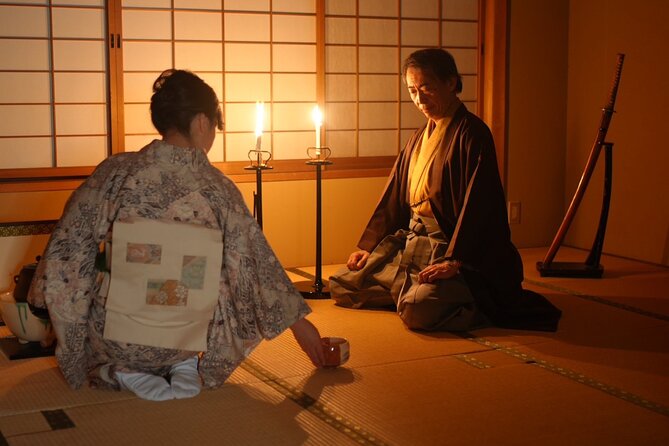
- Private Kyoto ryokan setting near Higashi Honganji Temple for an evening atmosphere
- Zen meditation first, so the tea ceremony lands differently (quieter mind, slower movements)
- Kimono fitting choice: bridal kimono or men’s haori, sized and styled for you
- Commemorative photo session included with authentic props like fans and a replica Japanese sword
- Multilanguage translation devices to keep the conversation natural, regardless of your language
- No flash photography, which helps keep the room’s mood intact
Kyoto at night: why this tea ceremony feels different
Kyoto at night has a particular rhythm. Streets cool down, people thin out, and candlelight does what city lights can’t: it makes everything feel intentional. In this experience, you’re not rushing between sights. You’re guided through a cultural sequence in a traditional ryokan space, starting with a greeting and moving into Zen meditation, then tea, then kimono and photos.
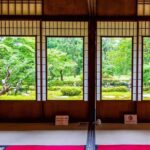
The location matters too. You’ll be in a venue near Higashi Honganji Temple (and close to Honganji), which puts you in the Kyoto where temples, courtyards, and quiet interiors still shape daily life. Even if you’re used to temples by day, night creates a different mood. Think softer sound, slower transitions, and more focus on small details.
The duration is also a smart fit: 75 minutes. Long enough to feel like an event, short enough that it doesn’t eat your whole evening. If you’re visiting Kyoto and want one “true culture” stop without adding a half-day commitment, this format works.
You can also read our reviews of more tours and experiences in Kyoto.
Check in on the 4th floor: how the evening starts
You don’t meet your host on a street corner with a big group. You register at the front desk, then proceed to the 4th-floor venue. That matters because it signals what kind of experience this is: indoors, private, and designed for calm.
Once you reach the venue, you’ll get a greeting and introduction. Your host will set expectations first, which is especially helpful if you’ve never worn a kimono or participated in a formal tea ceremony before. Then you move into the guided flow: Zen meditation experience, followed by the tea ceremony experience, and then the kimono fitting and photo session.
This setup also helps you settle quickly. Instead of searching for directions in a large building, you’re guided step-by-step. And because it’s a private group, the pace stays comfortable for you—not “everyone follow the leader.”
Zen meditation: a calm start before the tea
Zen meditation can sound intimidating if you’ve never done it. Here’s the good part: the experience is staged as the first major activity of the evening, so it functions like a mental warm-up. You arrive, you’re introduced, and then you’re guided through a Zen meditation segment before anyone pours tea.
Why that sequence is valuable: tea ceremonies aren’t only about the drink. The movements, the waiting, the quiet pauses—all of it makes sense better when your body and attention are calmer. Even if meditation isn’t your usual thing, you’ll likely appreciate the structure. It gives your brain a job besides sightseeing.
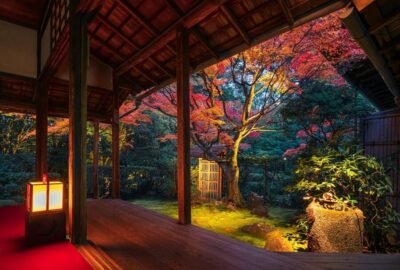
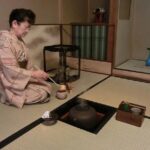
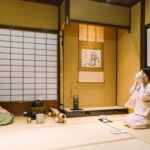
Also, the venue is described as a historic 20-mat tatami room. Tatami changes the whole feel of a space. You can’t treat the moment like a casual photo stop. It asks you to slow down, sit properly, and be present.
One practical note: meditation experiences can mean you’re seated for a bit. The venue is listed as wheelchair accessible, so you can ask what the seating arrangement will look like for your body and comfort level.
Tea ceremony in candlelight: what you’ll notice beyond the cup
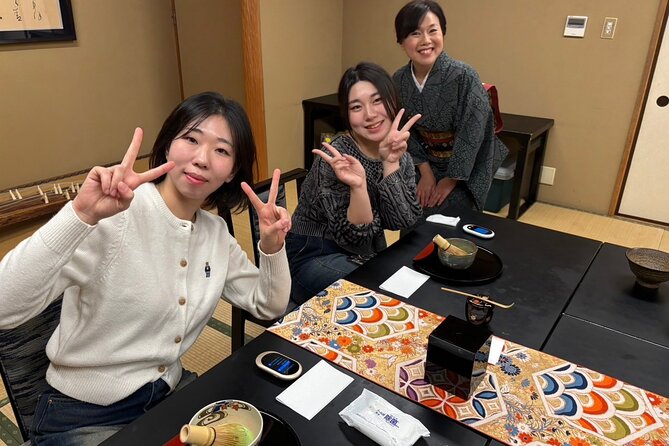
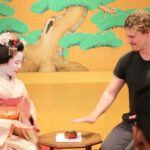
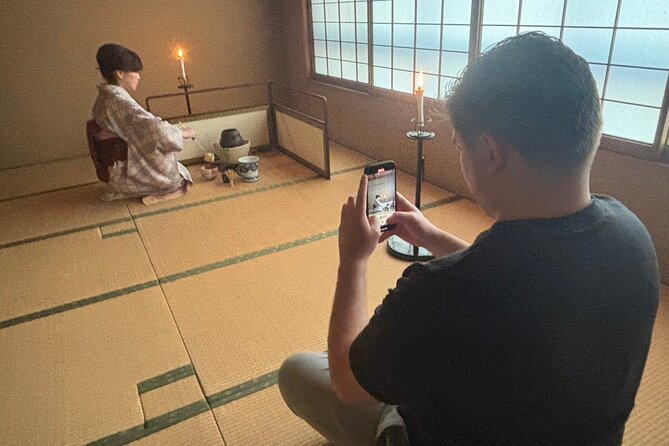
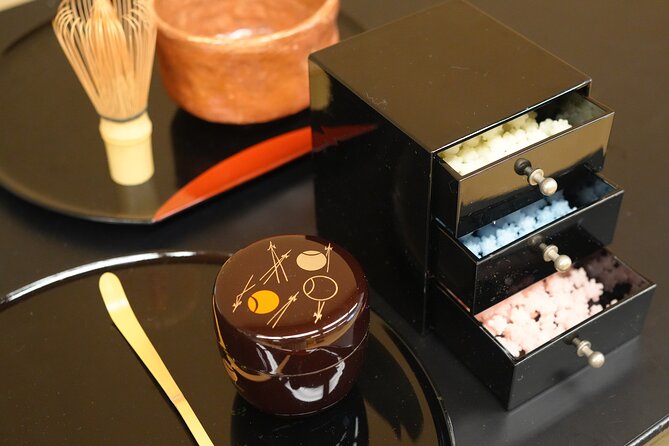
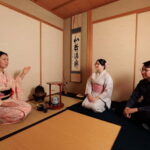
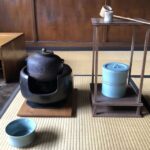
After the meditation, the evening shifts into the tea ceremony. You’ll stay in that calm, tatami setting, and the room is lit by the soft glow of traditional Japanese candles. That candlelight is not just decoration. It shapes everything—timing, mood, and the way you notice small motions.
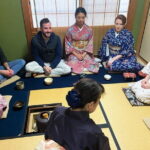
A lot of tea ceremonies on tours turn into a “watch and clap” situation. This one is designed as a cultural interaction. You’re part of the event. Translation support helps you understand what’s happening, and you’re guided through the tea steps instead of being left to guess.
What you’ll likely pay attention to:
- The pacing—how long you pause before each step
- The quiet rhythm—how everyone keeps the room calm
- The focus—how the tea ceremony teaches through repetition and restraint
If you’re the kind of person who likes “hands-on” travel, this is where it shines. Tea ceremonies are simple on the surface, but they’re detailed in execution. Even in 75 minutes, you can walk away feeling like you learned something real, not just watched something.
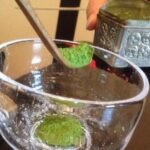
And yes, the tea is the centerpiece. But the experience design is the real value.
Kimono fitting: bridal kimono or men’s haori
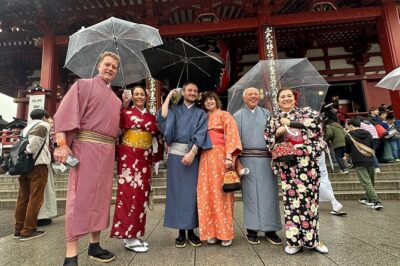
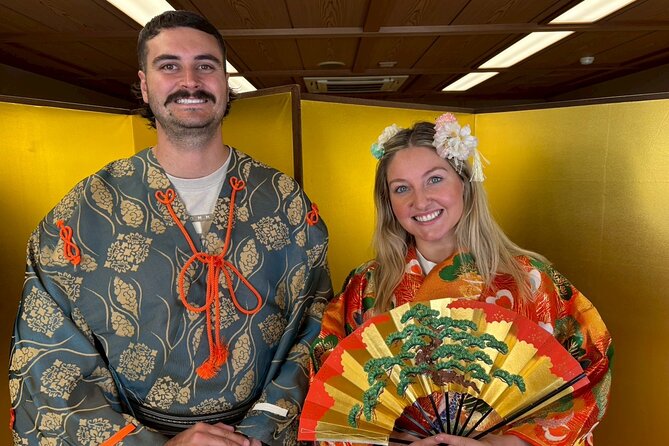
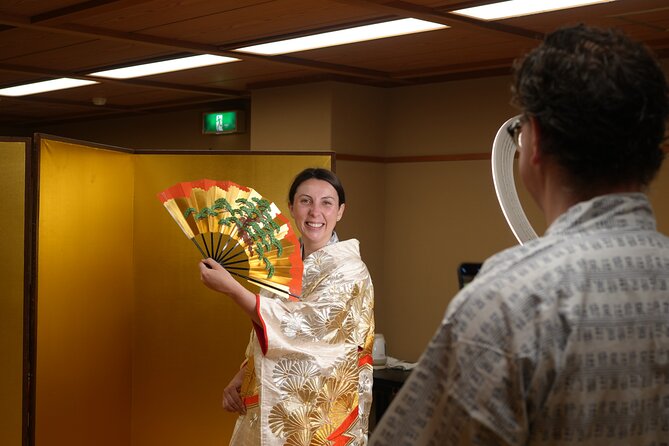
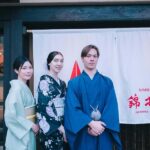
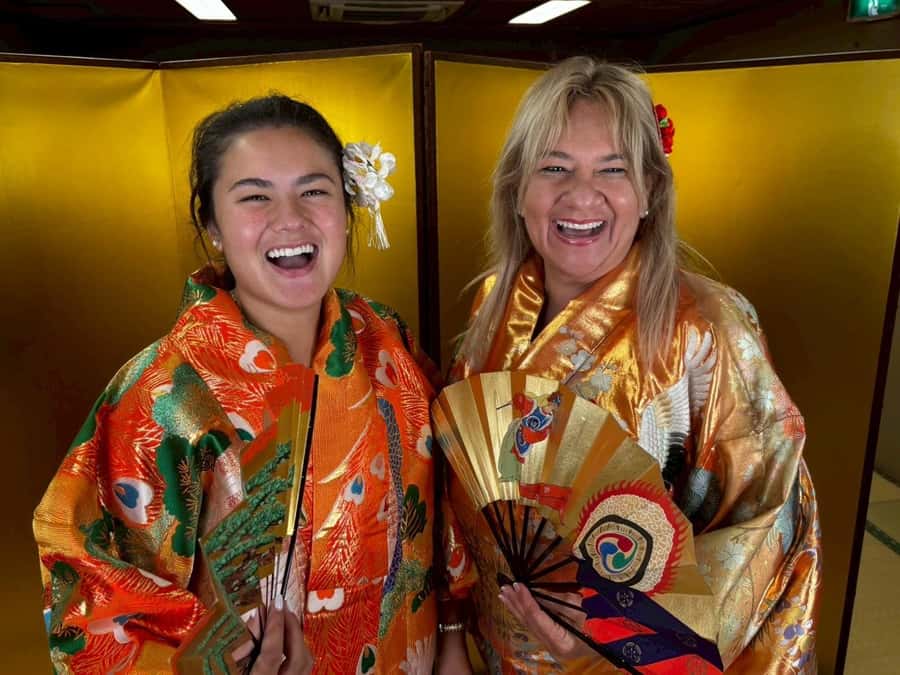
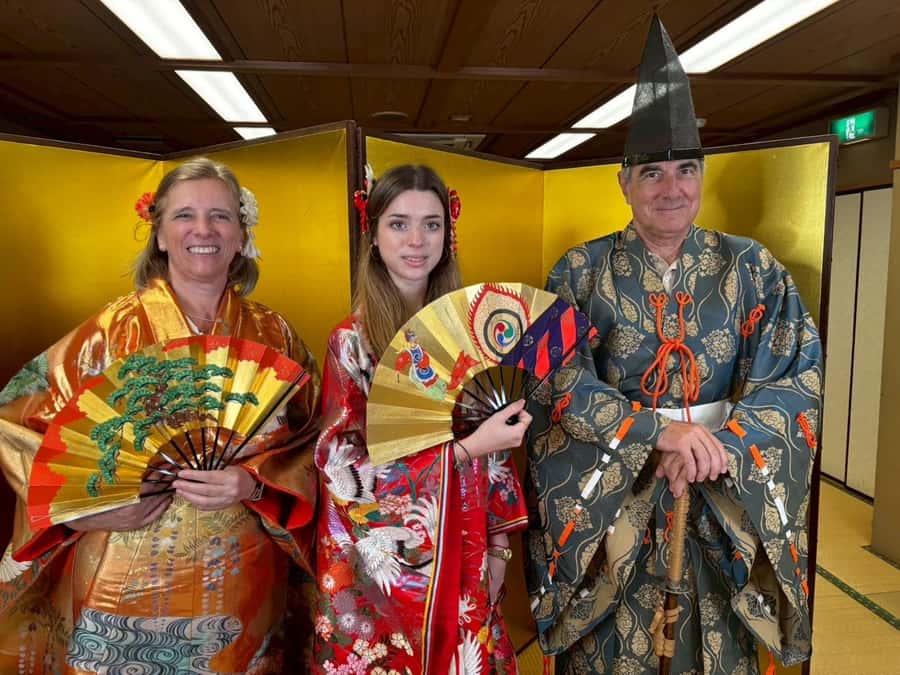
This is one of the most fun parts of the night, and it’s also more meaningful than people expect. You’ll choose from bridal kimono or men’s haori, which means the experience isn’t one-size-fits-all. Your outfit is selected and fitted for you, so you’re not just wearing a costume—you’re getting styled for the moment.
Kimono fitting also changes the way you move. Your posture, your pace, your hand position—everything shifts slightly. That’s part of the cultural lesson, even if you don’t know the details ahead of time. The host guides you, and the room context (tatami, candles, quiet) makes it feel respectful rather than theatrical.
What I like about having this after the meditation and tea: you’re already in the right frame of mind. You don’t rush into photos first. You earn the moment. Then you wear the clothing while the evening is still calm and coherent.
Practical tip: wear something you can get into and out of easily underneath. If you’re wearing layers, consider how long it might take to adjust. Small planning here makes the fitting smoother and less stressful.
Commemorative photos with props: fans and replica swords
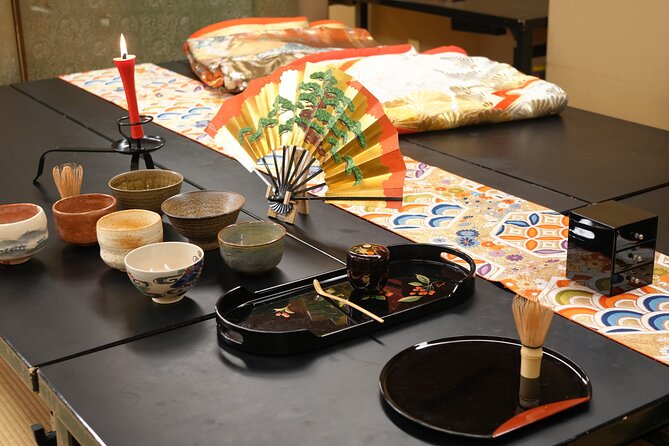
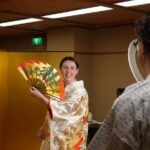
After your kimono fitting, you’ll get a commemorative photo session. And unlike some photo moments that feel random, this one comes with authentic props like folding fans and a replica Japanese sword. The idea is to help you pose in a way that matches the setting and the traditional look.
Here’s what to keep in mind: flash photography isn’t allowed. That means you’ll need to rely on ambient candlelight and the indoor lighting the host provides. You might find your phone camera does a better job if you enable night mode (if you have it) and keep your hands steady. Let the host tell you when to pose—timing matters.
Also, the experience is designed in a historic tatami room, so you’re photographing in the same atmosphere where the meditation and tea took place. That gives your photos a sense of place. Not just “standing in front of something,” but actually sharing the room’s mood.
If you’re worried about how to hold the fan or where to position the sword, don’t. The host will guide. Your job is to follow instructions and enjoy the moment.
Communication help: translation devices make it feel personal
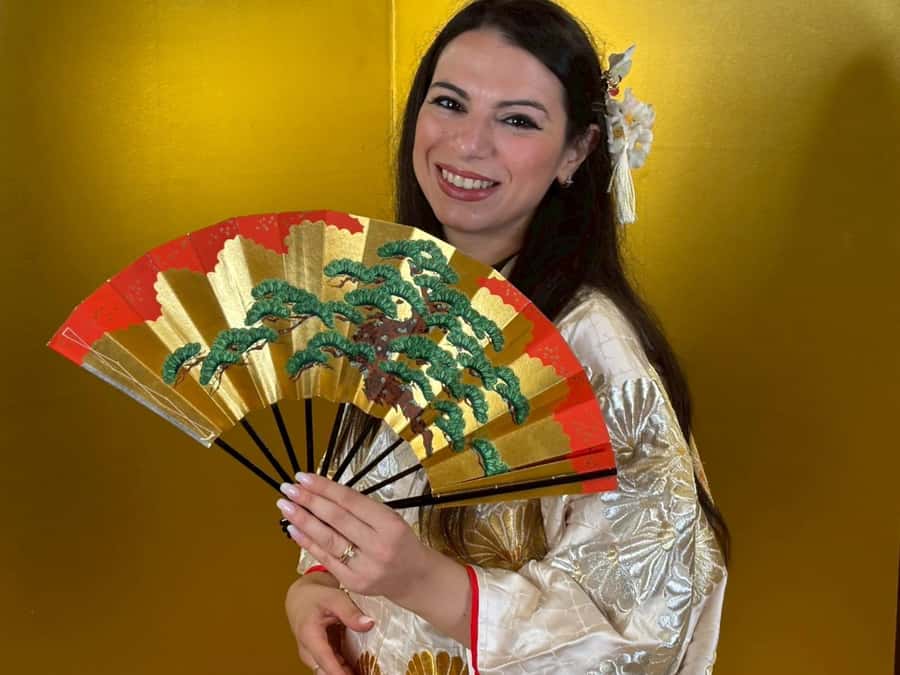
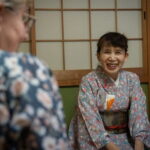
Your host is Japanese, but you’re provided multi-language translation devices. That changes the experience from “culture performance” to “culture conversation.”
In a private setting, communication matters because you can ask questions. You can also understand what you’re doing—why a step matters, what to expect next, and how to behave in the room.
If you’re traveling solo, this is especially helpful. It helps you connect without guessing. And because it’s a private group, you’re less likely to get stuck waiting while others catch up. The translation support keeps the pace smooth for you.
Price and value: is $161 per person worth it
At $161 per person for a 75-minute private experience, you’re paying for several things at once: the venue, the host time, the tea ceremony guidance, the Zen meditation segment, kimono fitting, and the included photo session with props. That’s a lot bundled into one evening, which is exactly how cultural experiences become good value.
Here’s how I’d evaluate it:
- If you want kimono styling plus tea plus Zen, doing each separately would almost certainly cost more in both money and time.
- If you’re only interested in the tea ceremony, this might feel like more than you need. But the structure is designed so each part supports the next.
- If you care about photos but also want authenticity, the included props and tatami room setting help the photos feel earned, not pasted on.
The biggest “value advantage” here is concentration. You’re not spending your evening crossing town. You’re entering a traditional ryokan atmosphere and finishing with kimono photos—all in one block of time.
One small note: transportation to and from the venue isn’t included. Plan how you’ll get there so you don’t end up stressed right before check-in.
Who should book this Kyoto ryokan tea ceremony
This experience is best for you if:
- You want a private cultural activity, not a busy group schedule
- You’re curious about how Zen and tea connect through calm routine
- You’d like to wear a kimono, with a real fitting process and guidance
- You want photos that fit the setting, including props and a replica sword
It may be less ideal if:
- You hate sitting for short guided segments (meditation is part of the program)
- You rely on flash photography to capture low-light images
- You want a walk-around “see sights” evening instead of an indoor ritual
Small practical tips before you go
A few things make this smoother:
- Wear easy layers under your outfit so fitting feels fast and comfortable.
- Bring a power bank if you’re planning lots of photos, since you may use your phone longer in a dim room.
- Expect a quiet, respectful environment. This isn’t a loud show. Follow the host’s lead.
- If you want specific photos (with the fan, for example), tell yourself you’ll get a pose-and-shoot flow, not a free-for-all.
And remember: the magic here is the order of activities—meditation first, then tea, then kimono and photos.
Should you book Kyoto Private Tea Ceremony at a Japanese Inns?
If you’re choosing one “real Kyoto” cultural moment, I’d say this is a strong pick—especially for an evening. The combination of Zen meditation + tea ceremony + kimono fitting + included photo session is rare to find in one tight 75-minute, private format.
Book it if you want calm, structure, and a hands-on cultural experience you can feel in your body, not just see with your eyes. It’s also a great fit if you like photography but care more about atmosphere than flash-and-go snapshots.
Skip it (or consider a simpler option) if you mainly want a tour of sights or if you’re uncomfortable with seated meditation and candlelit indoor low-light conditions.
If you’re excited by the idea of learning the tea ritual in the same room where you’ll later wear a kimono, then yes—this is the kind of night you’ll remember.
FAQ
How long is the Kyoto private tea ceremony experience?
It lasts 75 minutes, from greeting and introduction through Zen meditation, the tea ceremony, kimono fitting, and the commemorative photo session.
Where do I check in, and where is the venue?
You register at the front desk, then proceed to the 4th-floor venue.
What activities are included?
The experience includes a private cultural experience, Zen meditation, a tea ceremony, kimono fitting, and a commemorative photo session. Multi-language translation devices are also provided.
Do I get to wear a kimono?
Yes. You can choose from bridal kimono or men’s haori, and you’ll have a kimono fitting as part of the experience.
Are translation devices available?
Yes. Multi-language translation devices are provided to help you communicate with your host.
Is flash photography allowed?
No. Flash photography is not allowed.
Is transportation included?
No. Transportation to and from the venue is not included.
What is the price and payment style?
The price is $161 per person. The option to reserve now and pay later is available.
Is there a cancellation policy?
Yes. You can cancel up to 24 hours in advance for a full refund.
Is the venue wheelchair accessible?
Yes. The experience is listed as wheelchair accessible.