REVIEW · KYOTO
Kyoto: Nighttime Zen Meditation and Matcha Tea Experience
Book on GetYourGuide →Operated by Cultural Edu-tourism Council · Bookable on GetYourGuide
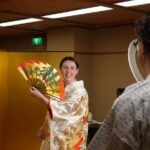
Waking up the mind at night can be powerful. This 90-minute visit to Keishunin Temple (a sub-temple of Myoshinji) slows you down in the best way, with four illuminated gardens, a tour of the tea room Sehakuan, and guided zazen. I especially like how the evening light makes the gardens feel calmer and more personal, and I like that you get served matcha and Japanese sweets right after meditation.
One thing to plan for: it’s a night experience, so you’ll want to dress for cold temple air and sit still for zazen. Also, this isn’t set up for wheelchair users, and children under 12 aren’t the target audience.
In This Review
- Quick hits: what you’ll remember
- Keishunin after dark: why the light matters
- Meeting the guides and settling into a 90-minute rhythm
- The four gardens: a guided look you can actually follow
- Sehakuan tea room: history you see with your own eyes
- Zazen at Keishunin: what guided stillness feels like
- Matcha and sweets with Deputy Chief Priest Yasumasa Arashima
- Price and value: is $206 per person worth it?
- What to wear, and the small rules that keep the mood right
- Who this fits (and who should skip it)
- Should you book Keishunin nighttime Zen and matcha?
- FAQ
- How long is the Kyoto Nighttime Zen Meditation and Matcha Tea experience?
- Where is this experience located?
- What languages are available for the live tour guide?
- What’s included in the experience?
- What should I bring?
- Are smoking or flash photography allowed?
- What cancellation options do I have?
Quick hits: what you’ll remember
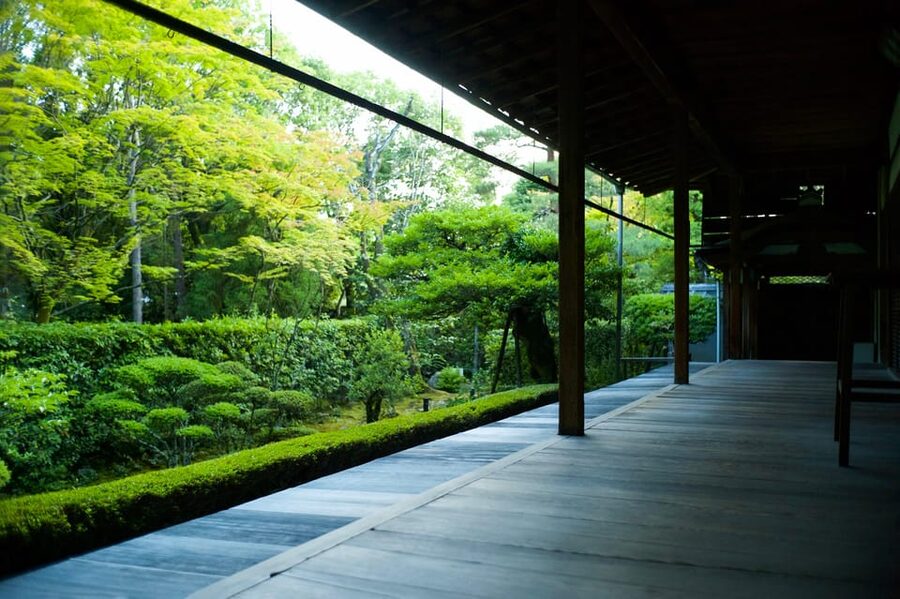
- Keishunin at night with light-lit gardens that let you actually see the space instead of rushing through it
- Zazen guided by the VP Monk, with practical coaching so you can follow along without guessing
- The hidden tea room Sehakuan, plus viewing Kano Sansetsu fusuma paintings
- Matcha tea and Japanese sweets tasting served after meditation, with time to reset
- A small, private-group feel, with English or Chinese live guidance
Keishunin after dark: why the light matters
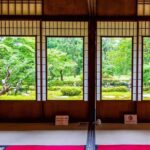
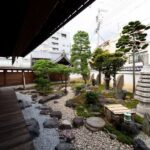
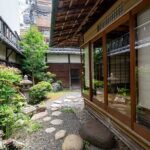
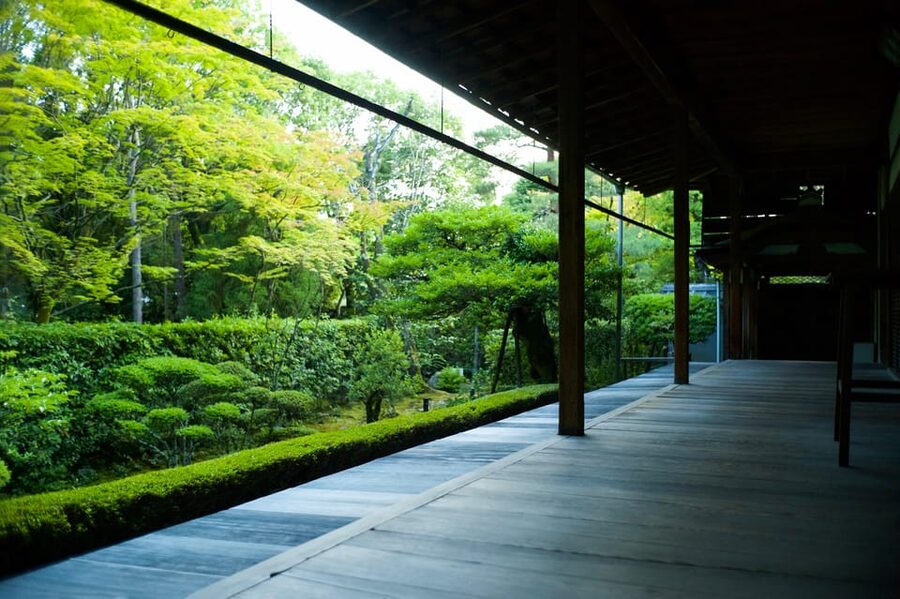
Keishunin is the kind of place that works in the daytime, sure. But at night, the whole experience shifts. The four gardens—designated nationally as historical sites and scenic spots—get illuminated by lights, so you’re not just looking at rocks and paths. You’re watching a mood form. In practice, that means less “photo stop, next” and more “walk slower and notice.”
I like that the pace supports the setting. You’re guided through the gardens and then pulled into zazen. That order matters. If you start with meditation and then wander, it can feel like you’re trying to turn your brain off and on fast. Here, the lighting and guided viewing set the tone, so the stillness afterward lands better.
Also, because it’s a special night visit, the temple feels quieter and more intimate than a typical daytime sightseeing loop. Expect a slower kind of attention, where the details—wood, paper, stone, and shadow—feel part of the lesson.
You can also read our reviews of more tours and experiences in Kyoto.
Meeting the guides and settling into a 90-minute rhythm
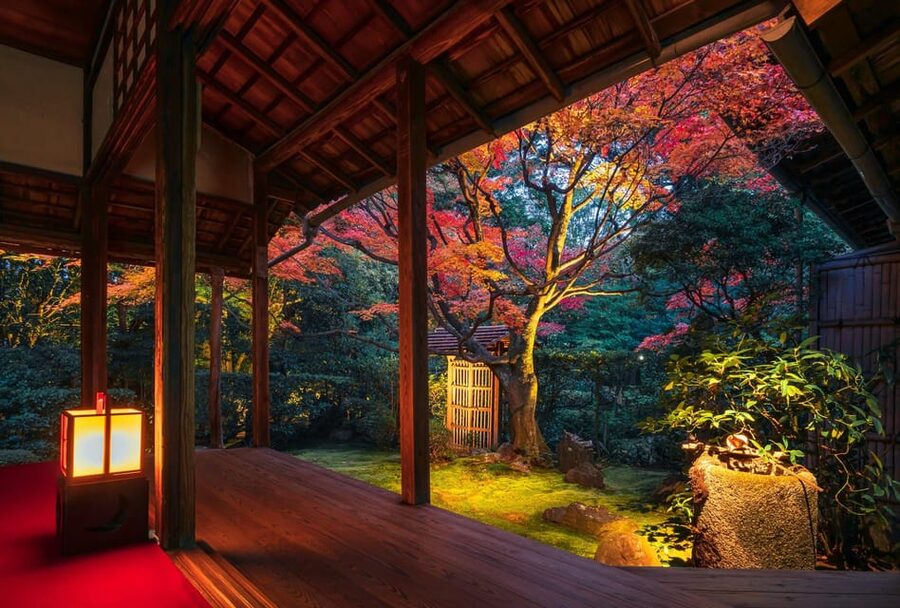
This experience runs 90 minutes, and the timing is part of the design. You meet your guide at the temple, then you move through a structured flow: gardens → tea room and art viewing → meditation and tea tasting. It’s long enough to learn something real, but not so long that you feel cooked in the cold.
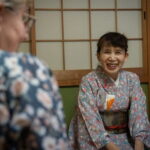
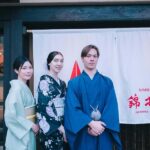
Your guide team provides live interpretation in English or Chinese. In past sessions, guides have also shown a lighter sense of humor while keeping things respectful, which can help if you’re nervous about meditation etiquette.
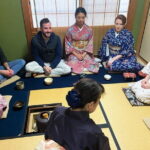
This is a private group format, so you’re not squeezed into a noisy crowd. That matters for zazen. You’ll benefit more if you can actually hear instructions and not spend the first few minutes translating them in your head.
The four gardens: a guided look you can actually follow
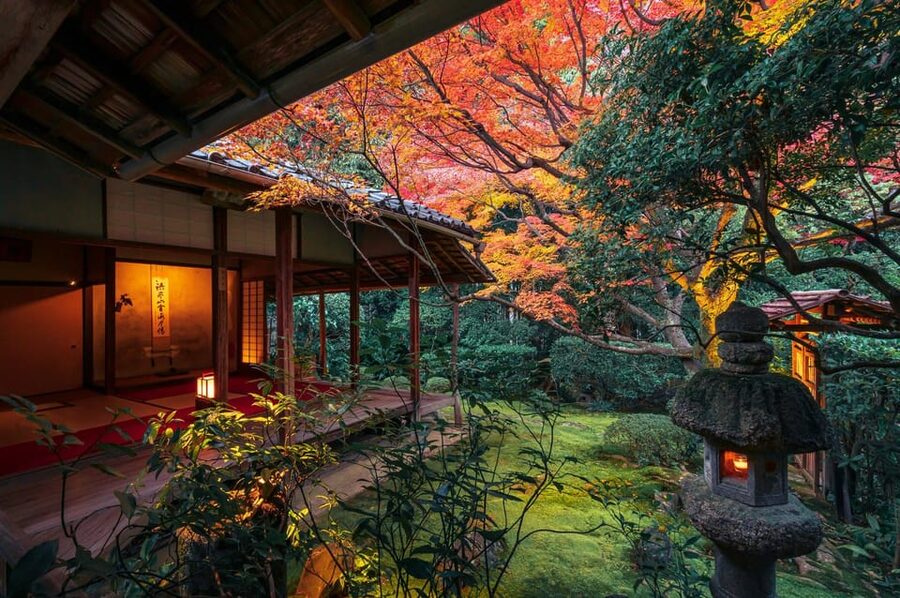
You’ll spend time looking at the four gardens of Keishunin. The gardens are known for being nationally designated historical sites and scenic spots, but what you’ll care about is how the guide helps you read them. At night, the “what am I looking at?” question is common—especially if you don’t have a background in Japanese garden design.
A good guide bridges that gap. In this experience, you’re not left alone with information cards. You’re shown around, and the tour frames what to notice as you walk—paths, viewpoints, and the way the illumination changes the feel of each garden section.
Practical note: wear comfortable clothes you can move in. Temple walking on stone paths can be a little slippery when it’s cold and dim, and you’ll likely pause for quiet moments.
Sehakuan tea room: history you see with your own eyes
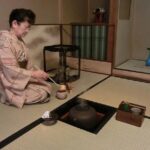
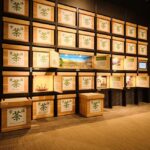
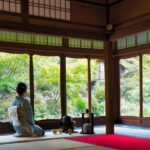
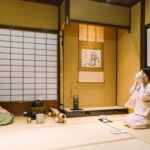
A standout element is the tour of the hidden tea room, Sehakuan. This is the part that turns the experience from “views and pictures” into “craft and culture.” You’re not just told that tea ceremony matters—you’re shown a space built for it.
The tour also includes Kano Sansetsu fusuma paintings. Fusuma are sliding doors covered with painted panels, and when you see them indoors—at night, in a temple context—they feel less like “art on a wall” and more like a deliberate environment. The guide helps connect the paintings to what you’re experiencing in the moment: quiet attention, restraint, and respectful observation.
If you’ve never been in a tea room before, expect a few gentle cues about how spaces like this are meant to be treated. If you have been, you’ll still appreciate seeing how Sehakuan is presented as part of the temple’s spiritual atmosphere rather than as a staged show.
Zazen at Keishunin: what guided stillness feels like
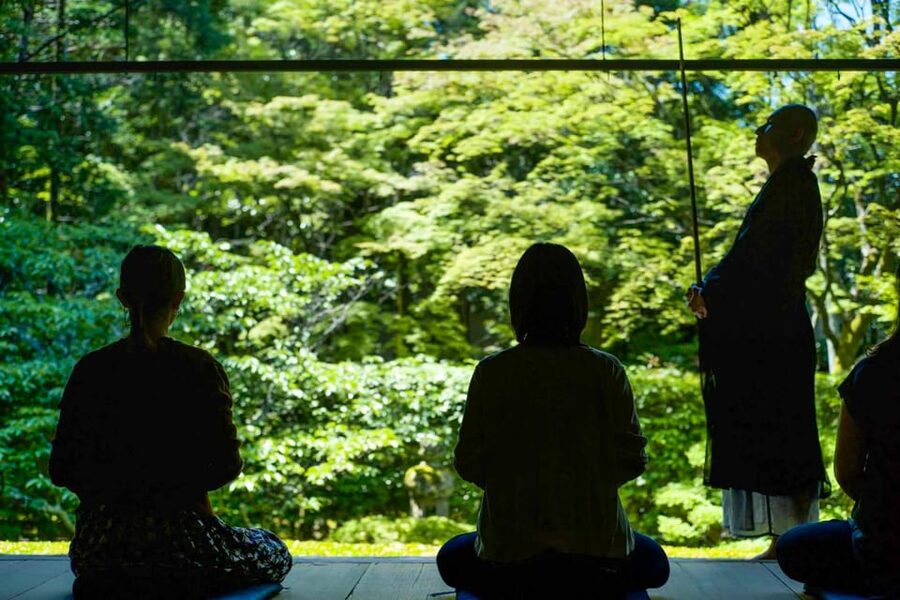
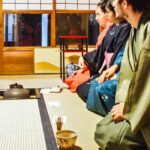
The core of the night is zazen meditation. You’ll practice with guidance from the VP Monk. That’s important because zazen isn’t just “sit and don’t think.” The body has to be placed, and the posture has to feel stable enough that you’re not fighting yourself the whole time.
This session is structured so you can follow. You’ll receive instructions during the meditation, and the tone tends to stay calm and respectful. One helpful detail: the guidance also covers customs for practitioners when they feel too tired and need a refreshing reminder to keep going. Even without dramatic details, that alone helps you relax. You’re not expected to be a statue.
Also, you’ll want warm layers. Meditation involves sitting still for a stretch, and the temple air at night can bite. Comfort keeps you present.
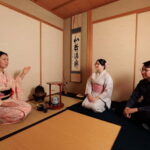
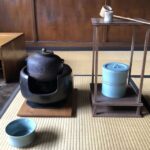
Matcha and sweets with Deputy Chief Priest Yasumasa Arashima
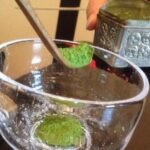
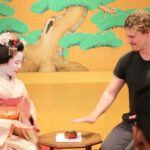
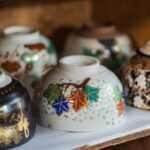
After meditation, you’ll enjoy matcha tea and Japanese sweets tasting. This part is guided by Keishunin’s Deputy Chief Priest Yasumasa Arashima, which adds weight to the tea ceremony side of the evening. It’s not just refreshments. It’s part of the same “attention” theme you practiced in zazen.
The tea and sweets tasting is also a smart way to end. When you finish meditation, your mind may still be quiet, but your body often wants a signal that the session is safe to move out of. Tea does that. You get a gentle transition from stillness to normal conversation.
In past experiences of this style, people have appreciated a short, natural talk afterward, where you can share how you felt during meditation. If you’re curious, this is where you can ask simple questions—how to think about fatigue, what to notice next time, or what the tea means in this context.
Price and value: is $206 per person worth it?
At $206 per person for 90 minutes, this isn’t a bargain. You’re paying for access and atmosphere: a special night visit, guided interpretation, temple interiors, zazen coaching, and tea plus sweets. In other words, you’re not only buying “a ticket.” You’re buying a structured, culturally grounded experience that typically requires trained staff and careful pacing.
Where this price starts to make sense is when you add up what’s included:
- A guided night visit in a working temple setting
- Tour of the four illuminated gardens
- Access to Sehakuan tea room and viewing of Kano Sansetsu fusuma paintings
- Guided zazen with the VP Monk
- Matcha tea and Japanese sweets tasting guided by Deputy Chief Priest Yasumasa Arashima
- Skip-the-ticket-line entry
If you’re in Kyoto for multiple days and you’re trying to balance “see sights” with “do something,” this category of experience is one of the few that gives you both. You’ll leave with a skill (how to sit) and a memory tied to sensory cues (light, incense-like calm, the taste of matcha after stillness).
If you only want quick sightseeing and you hate sitting still, you may find the cost harder to justify. This works best when you’re willing to slow down.
What to wear, and the small rules that keep the mood right
You’ll want warm clothing and comfortable clothes. Even if Kyoto isn’t freezing, temples at night can feel colder than you expect. Layering helps. Avoid anything too restrictive—zazen posture is easier when your clothing lets you sit comfortably.
A couple of rules keep the experience respectful:
- No smoking
- No flash photography
Also, come ready to be in a quiet cultural setting. Even if you’re chatty by nature, this night rewards a quieter mindset. Your best “souvenir” here is attention.
Who this fits (and who should skip it)
This activity is intended for primary school students and above. There’s also an age rule: each guest under junior high school age must be accompanied by one parent or guardian.
The tour is not suitable for children under 12, and it’s not suitable for wheelchair users.
Who it’s perfect for:
- Adults who want something more meaningful than another temple photo run
- Families with older kids who can handle a calm, seated experience
- People who like structured guidance (not just “go look at things”)
- Travelers who enjoy tea culture and want the tea to connect to the meditation
Who might struggle:
- Anyone who needs constant movement during the whole session
- Travelers who find silence uncomfortable
- People who have difficulty sitting still for the duration (zazen is part of the deal)
Should you book Keishunin nighttime Zen and matcha?
I’d book it if you want a Kyoto experience that feels personal instead of performative. The combination of light-lit gardens, access to Sehakuan, guided zazen with the VP Monk, and matcha with Deputy Chief Priest Yasumasa Arashima is rare. It’s also one of those activities that gives you a “now I get it” feeling: not just seeing culture, but learning how it’s practiced.
Skip it if you’re looking for short, casual sightseeing or if cold + sitting still will make you miserable. This isn’t designed as a quick tour. It’s designed as a reset.
If you do book, dress warmly and mentally prepare for quiet. You’ll get more out of it.
FAQ
How long is the Kyoto Nighttime Zen Meditation and Matcha Tea experience?
It lasts 90 minutes.
Where is this experience located?
It takes place in Kyoto at Keishunin Temple, a sub-temple of Myoshinji Temple.
What languages are available for the live tour guide?
The live tour guide offers English and Chinese.
What’s included in the experience?
You’ll get a special night visit to Keishunin, tours of the four gardens, the hidden tea room Sehakuan, viewing of Kano Sansetsu’s fusuma paintings, a zazen meditation experience, and matcha tea with Japanese sweets.
What should I bring?
Bring warm clothing and comfortable clothes.
Are smoking or flash photography allowed?
Smoking is not allowed, and flash photography is not allowed.
What cancellation options do I have?
You can cancel up to 3 days in advance for a full refund. The details also state that cancellation within 72 hours is free, then from 3 days before to the day before is 20%, on the day is 50%, and no-show/no participation without notice is 100%.