REVIEW · KYOTO
Kyoto Tea ceremony with Japanese Flower Arrangement Ikebana
Book on Viator →Bookable on Viator
Quiet flowers, calm tea, and you at the center. This Kyoto experience pairs ikebana with tea ceremony in a renovated, 100-year-old townhouse near Kinkaku-ji and Daitoku-ji—small-group and slow-paced.
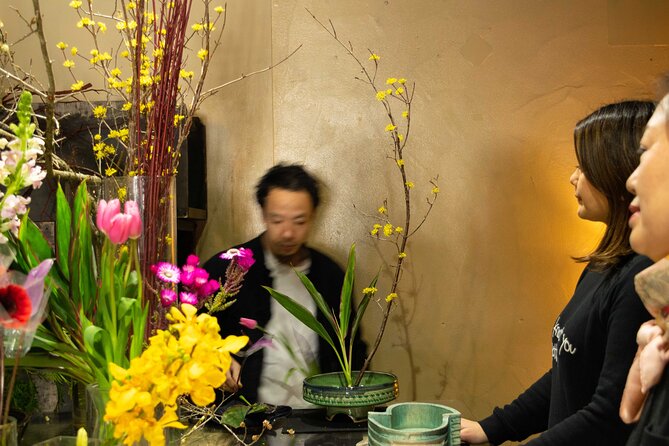
I love that you start by choosing your own seasonal blooms at the flower shop, then you build an arrangement with patient guidance, even if you’re new to Japanese design.
One thing to consider: the owner’s approach can be a bit more free-form and wabi-sabi-leaning than classic strict styles, so set your expectations to focus on natural beauty, not a rigid recipe.
In This Review
- Key highlights at a glance
- Where You Meet: A 100-Year Kyoto Townhouse Near the Temples
- Step One: Choose Your Seasonal Flowers at the Shop
- Ikebana Workshop: Guided Design With a Natural-Focused Style
- Moving to the Tea Room: Your Arrangement Becomes Part of the Ceremony
- You May Get a Role as Tea Master
- What Makes It Feel Warm and Individual
- Value and Price: Does $61 Make Sense for 90 Minutes?
- Can You Take Your Ikebana Home?
- Who This Kyoto Tea Ceremony and Ikebana Class Fits Best
- Should You Book This Kyoto Tea Ceremony With Ikebana?
- FAQ
- How long is the Kyoto ikebana and tea ceremony experience?
- What does the experience cost?
- Where does the experience start?
- Is the group size small?
- Is it suitable for beginners?
- Can I take my ikebana creation with me?
- What happens during the tea ceremony?
- Is a mobile ticket used?
- What is the cancellation policy?
- Are service animals allowed?
Key highlights at a glance
- Pick seasonal flowers first so your ikebana feels personal from minute one
- Small group size (max 6) keeps the pace gentle and the instruction focused
- Ikebana in a tokonoma alcove during tea ceremony makes your work part of the atmosphere
- You may get a role as the tea master after watching the tea ceremony
- A calm, family-like workshop vibe rather than a rushed, production-line class
- Optional takeaway: you can take your floral creation to your hotel if you want
Where You Meet: A 100-Year Kyoto Townhouse Near the Temples
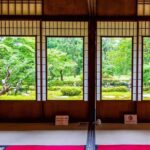
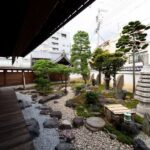
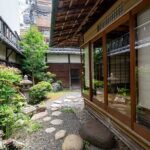
You’ll meet at 44-4 Murasakino Kamimonzenchō in Kita Ward. The setting matters here: the class runs in a renovated traditional townhouse that’s about 100 years old, and that “old Kyoto” feeling shows up in the room, not just the photos.
This area sits conveniently for temple lovers, roughly near Kinkaku-ji and Daitoku-ji. The practical upside is you’re not far from the big names, but the workshop itself is in a quieter, more lived-in neighborhood mood than the busiest sightseeing streets.
You can also read our reviews of more tours and experiences in Kyoto.
Step One: Choose Your Seasonal Flowers at the Shop
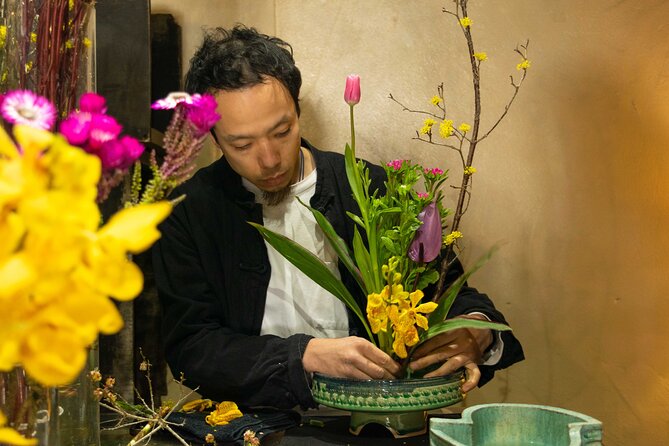
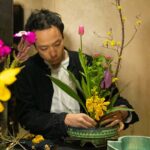
Before you touch any tools, you go into the flower shop and select your favorite seasonal flowers. That simple choice is the beginning of the whole experience, because ikebana isn’t just decoration—it starts with noticing form, color, and what the plants already want to be.
Expect a selection that reflects the seasons, so your arrangement won’t feel generic. The class also frames this as more than craft time: it’s a quiet way to slow down and pay attention, the kind of practice that suits people who like reflective, mindful activities.
If you’re a beginner, this part is especially friendly. The instruction starts from basics, and because you chose the materials yourself, you already have something meaningful to build on.
Ikebana Workshop: Guided Design With a Natural-Focused Style
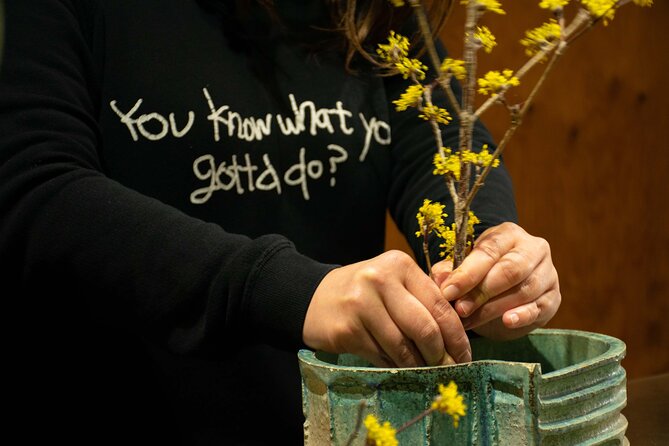
After selecting your flowers, you move into the ikebana workshop portion. You’ll learn the history and art behind Japanese flower arrangement while the instructors help you make decisions—what goes where, how to balance height and emptiness, and how to work with the natural shape of the plant.
Here’s what I’d pay attention to: the owner’s style is described as slightly away from strict classic forms. Instead, the goal is to bring out beauty while respecting the plants’ natural form, in a way that can feel almost primitive at first glance—yet grounded. People often connect this to wabi-sabi, where imperfection and natural character are part of the point, not a mistake.
For you, that means you’re not being pushed to copy an exact template. You’re being guided toward an outcome that looks intentional and “alive,” even if your personal taste leans modern or minimal.
Moving to the Tea Room: Your Arrangement Becomes Part of the Ceremony
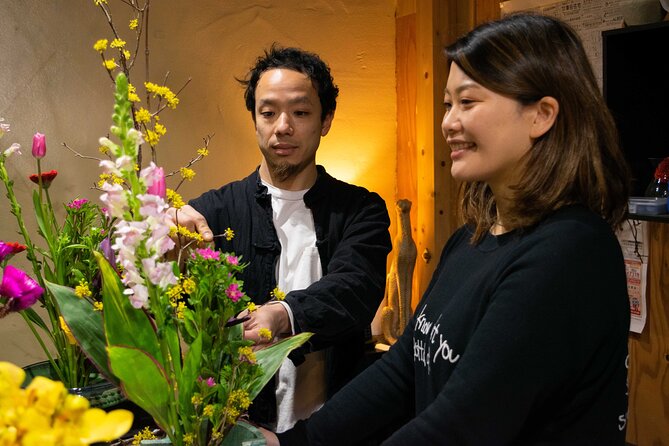
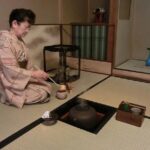
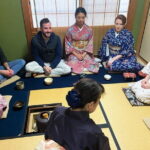
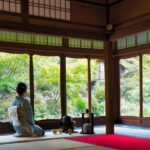
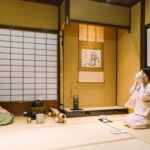
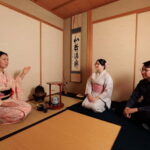
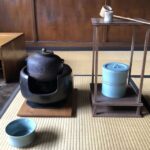
Once the ikebana is finished, the group moves into a traditional Japanese room where the tea ceremony takes place. This is where the experience turns from “class” into “occasion.”
Your arrangement gets displayed in the tokonoma (the alcove) in front of you. Seeing your flowers placed in that ceremonial context changes the experience quickly. It stops being just something you made and becomes something you respect—almost like the room is presenting you back to your work.
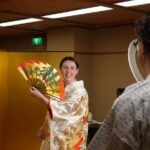
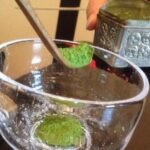
You’ll also get to watch how the tea master handles the ceremony. The tone is calm, and you’re given time to observe rather than just follow steps blindly.
You May Get a Role as Tea Master
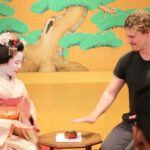
If you want to participate, you can take a role as a tea master after watching the demonstration. This is one of the most memorable parts of the experience because you’re not only learning about tea ceremony etiquette—you get to feel what it means to slow your actions down.
Even if you’re not fully comfortable with the movements, you’re still part of the flow. For many people, that’s the win: the ceremony becomes experiential instead of purely instructional.
And because your ikebana sits in the tokonoma, you’re experiencing the link between arts—flowers and tea—rather than treating them as separate activities.
What Makes It Feel Warm and Individual
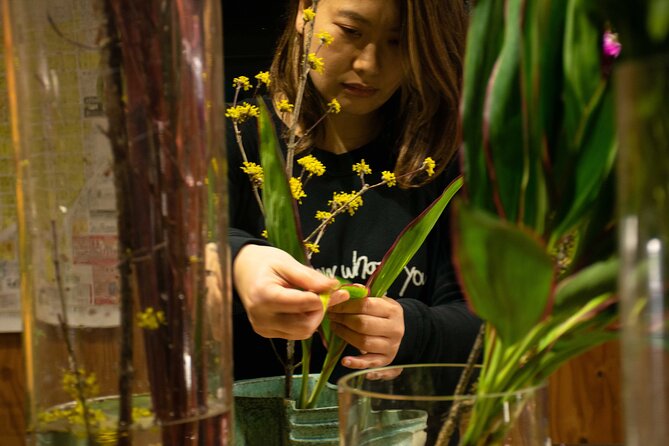
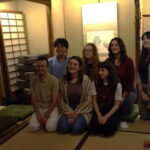
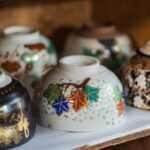
This class caps at a maximum of 6 people, and you feel that right away. Smaller groups usually mean more attention, less waiting, and a more comfortable pace—especially when you’re doing hands-on work with natural materials.
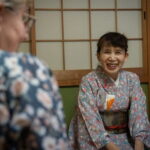
The workshop also has a family-like atmosphere. The guidance tends to be patient, and the vibe leans toward personal teaching rather than strict correction. That’s a big deal if you’re traveling solo and want something that doesn’t feel crowded or performative.
The tea ceremony portion also stays reflective. Several aspects point to peace as the main goal: the room setting, the flower display, the calm demonstration, and the chance for hands-on participation if you’re willing.
Value and Price: Does $61 Make Sense for 90 Minutes?
At $61 for about 90 minutes, this is priced like a focused cultural workshop with real instruction—ikebana first, then tea ceremony in a traditional setting. Where the value comes from is not just the activities; it’s the structure.
You get:
- hands-on guidance to create an ikebana piece
- educational context about the art form
- a tea ceremony that uses your ikebana in the tokonoma
- the opportunity (for those who want) to take a tea master role
If you were to do these separately on your own, you’d likely spend more once you factor in guided instruction and access to a proper tea room setup. For a short window in Kyoto, this format is also efficient: you see two major Japanese arts in one sitting without the logistical overhead of hopping between different venues.
Can You Take Your Ikebana Home?
Yes. If you want, you can take your floral creation back to your hotel. This is a practical bonus because it turns the class into something you can live with, not just something you do once and forget.
Even if you treat it as a one-time display, placing it in your room gives you a daily reminder of the steps you practiced and the choices you made. It’s also a thoughtful way to bring a piece of Kyoto home without relying on mass-market souvenirs.
Just keep in mind that flower arrangements involve delicate materials. Handle your piece gently when you move it, and plan on treating it as something special, not throw-it-in-the-bag casual.
Who This Kyoto Tea Ceremony and Ikebana Class Fits Best
This experience is a strong match if you want:
- a peaceful, hands-on cultural activity in Kyoto
- Japanese flower arrangement instruction starting from beginner-friendly basics
- a tea ceremony that’s connected to your own work, not just a show
It’s also ideal for solo travelers who want a smaller, warmer setting. If you like quiet attention and don’t need to cram in ten stops in one day, you’ll probably feel right at home.
If you’re only interested in a strict, textbook-perfect school of ikebana, you might want to temper expectations. The instructor approach described here puts a lot of weight on natural plant character and respectful presentation, which may not match the most formal patterns.
Should You Book This Kyoto Tea Ceremony With Ikebana?
I think you should book it if you want a genuine-feeling Japanese arts moment that’s short, guided, and not overly commercial. The combo works well: picking seasonal flowers, creating your own arrangement, then watching and participating in tea ceremony with your flowers in the tokonoma is the kind of connection that’s hard to recreate on your own.
Skip it only if you’re chasing a high-energy spectacle or you need a very rigid, standard-style ikebana template. Here, the emphasis is on natural beauty, patient guidance, and calm participation.
FAQ
How long is the Kyoto ikebana and tea ceremony experience?
It lasts about 1 hour 30 minutes (approx.).
What does the experience cost?
The price is $61.
Where does the experience start?
The meeting point is 44-4 Murasakino Kamimonzenchō, Kita Ward, Kyoto, 603-8217, Japan.
Is the group size small?
Yes. The class has a maximum of 6 people.
Is it suitable for beginners?
Yes, beginners are welcome.
Can I take my ikebana creation with me?
Yes. If you wish, you can take your floral creation to your hotel.
What happens during the tea ceremony?
You’ll move to a traditional Japanese room, your ikebana is displayed in the alcove (tokonoma), you can watch the tea ceremony, and you may be able to play a role as a tea master.
Is a mobile ticket used?
Yes, the experience uses a mobile ticket.
What is the cancellation policy?
Free cancellation is available. You can cancel up to 24 hours in advance for a full refund; within 24 hours there’s no refund.
Are service animals allowed?
Yes, service animals are allowed.