REVIEW · KYOTO
Uji Walking Tour – Byodo-in temple and Tea Ceremony from Kyoto
Book on Viator →Operated by JTB Global Marketing & Travel Inc. · Bookable on Viator
Uji hits different from the train window. This Kyoto to Uji walking tour strings together iconic river views, a guided tea moment at Taihoan, and a serious temple stop at Byodo-in. You get to see classic Uji scenes without figuring out connections on your own.
I especially like the built-in photo stop at Ujibashi Bridge and the fact that the tea ceremony isn’t just a demo. It’s hands-on, in the kind of room where you’ll actually feel the formality of the ritual, even if your time is limited. One thing to watch: the day runs on a tight schedule, and congestion can limit access inside Byodo-in’s Phoenix Hall area.
If you’re the type who needs extra minutes to wander slowly at Byodo-in, plan for time pressure. The tour can get rerouted at times, and if the Phoenix Hall entry is crowded, you may be turned back and receive a JPY 300 refund on-site.
In This Review
- Quick hits before your Uji day
- Why Uji works as a half-day from Kyoto
- Kyoto Station to Uji: the train ride and first views
- Ujibashi Bridge and Nakanoshima Park: how to time your photos
- Taihoan tea ceremony: what to expect in the tatami room
- Byodo-in Temple: Phoenix Hall symbolism and the time squeeze
- Pace and logistics: trains, walking, and real-world timing
- Price and value: is $96.06 worth it?
- Who should book this Uji walking tour
- Should you book the Uji Walking Tour with Byodo-in and Tea Ceremony?
- FAQ
- How long is the Uji Walking Tour from Kyoto?
- What’s included in the tour price?
- Are train seats reserved?
- What happens if the Phoenix Hall at Byodo-in is too crowded?
- What kind of tea ceremony will I do?
- Is the tea ceremony filmed?
- Is the group small?
Quick hits before your Uji day
- Ujibashi Bridge photo timing: you’ll stop at the river crossing area and aim for views from a small protrusion called san-no-ma.
- Taihoan tea ceremony in tatami: wear socks; video recording isn’t allowed in the tea room.
- A guided culture walk: you’ll have an English-speaking guide who helps connect what you’re seeing to Japanese context.
- Byodo-in + Phoenix Hall symbolism: the temple’s Phoenix Hall image is used on the Japanese 10 yen coin.
- Small group size (max 12): easier pacing than larger tours, but you still move quickly.
- Non-reserved train seats: seating isn’t guaranteed, so it helps to be comfortable standing.
Why Uji works as a half-day from Kyoto
Uji is one of those Kyoto neighbors that feels calmer, older, and more local once you get there. What makes this tour practical is the structure: a short train hop from Kyoto, then a mostly on-foot day built around three anchors—Ujibashi Bridge, Taihoan, and Byodo-in. It’s designed to fit into a morning schedule and still leave you time afterward to explore central Kyoto.
The tour runs about 4 hours 10 minutes, starting at 8:20 am and ending around 12:30 pm near Kyoto Station. That timing matters because Byodo-in and the tea room are the kinds of places where crowds can build fast. If you’re trying to avoid a long day-trip that eats your whole itinerary, this is a focused way to do Uji without turning it into a logistics project.
You’ll also appreciate that it’s not a bus loop. You’re walking to sights with your guide, which generally means less waiting and more seeing per hour. That said, walking is part of the deal here. If your feet don’t like steady strolling, you’ll want to pick supportive shoes and keep your expectations realistic.
You can also read our reviews of more tours and experiences in Kyoto.
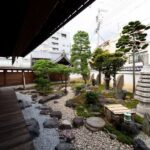
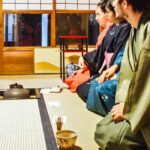
Kyoto Station to Uji: the train ride and first views
Your morning starts at the JTB Sunrise Tours desk at Kyoto Station. From there you board a JR train to Uji Station. The ride time is about 20 minutes, using rapid/local trains with non-reserved seats, so you should be prepared for standing at least part of the way.
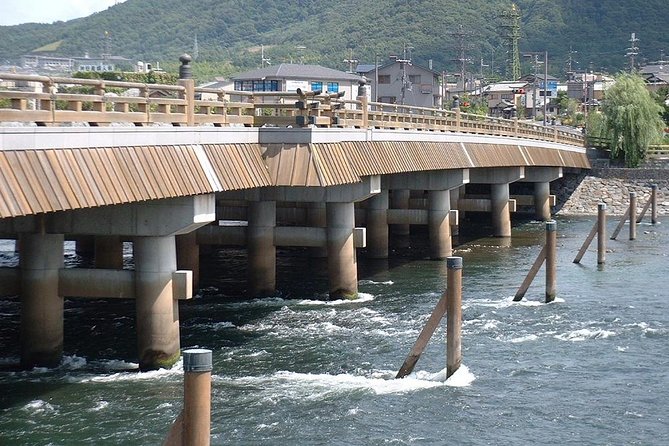
Once you land in Uji, the tour begins with the river route and the big visual payoff: Ujibashi Bridge. This bridge is thought to have origins as far back as the 7th century, which is the kind of timeline you don’t usually associate with a quick photo stop. You’ll also learn about san-no-ma, a small protrusion on one side of the bridge that gives especially good views. Even if you’re not a photography person, it’s a built-in place to pause and orient yourself.
From there, the plan includes Nakanoshima Park. It’s a pleasant break in the morning because you’re not just walking between buildings—you’re taking in the river setting that shaped Uji’s character for centuries. One practical note: the tour says it may not be able to stop at Nakanoshima Park if the Uji River water level is high. So don’t be surprised if that portion changes on the day.
The upside of this opening section is momentum. The tour helps you get your bearings fast, then drops you into the places you came for, instead of making you wander alone looking for the next landmark.
Ujibashi Bridge and Nakanoshima Park: how to time your photos
This stretch is short, which is good news if you want efficiency and bad news if you need lots of time. The pace is designed to keep the schedule on track. In practical terms, that means: have your camera ready, decide quickly what you want, and move when the group moves.
If you’re aiming for clear shots of the bridge and river, you’ll probably want to use the guided stop windows well. The bridge itself is the main visual event, and san-no-ma is the specific detail that gives you a better angle than standing anywhere else. Think of it like a mini “photo brief” rather than an open-ended stroll.
Nakanoshima Park is the reset button—more breathing room than the station-to-temple hustle. But because the tour is built around a morning timetable, you shouldn’t plan on a long picnic here. If the river conditions are high, you may lose this segment, so don’t stake your day on getting the park photos.
Also, remember the walking portion isn’t “optional.” The tour explicitly notes shoes should be easy to walk in, and this is the kind of day where you’re better off with comfortable sneakers or supportive walking shoes rather than stylish footwear.
Taihoan tea ceremony: what to expect in the tatami room
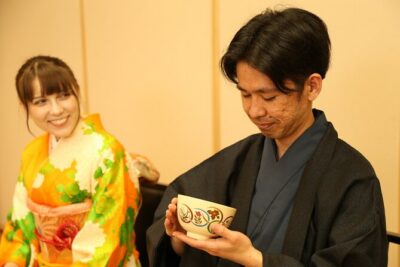
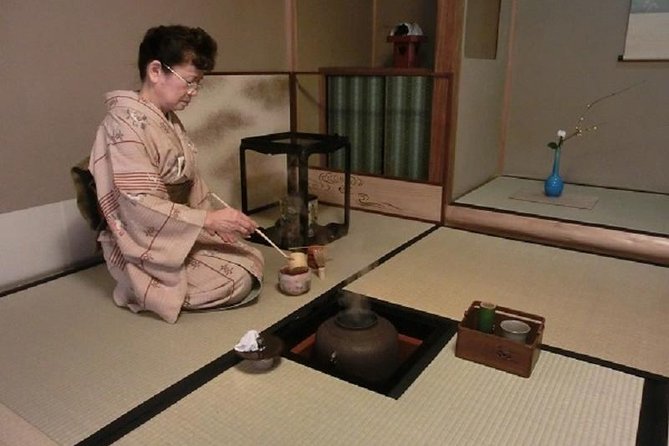
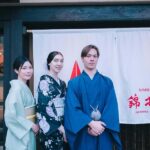
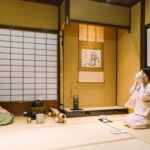
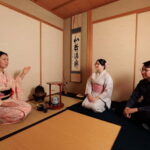
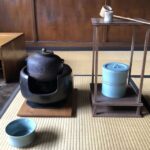
Tea in Uji isn’t a casual add-on—it’s part of why the town has this specific identity. At Taihoan, you’ll do the tea ceremony experience for about 20 minutes with the admission included.
Here’s what you can plan for:
- The ceremony may use matcha or sencha, depending on the day, and you can’t choose.
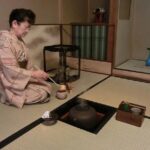
- It takes place in a tatami room, so you’ll need to wear socks.
- Video recording isn’t allowed in the tea room.
That last point matters more than it sounds. People often assume they can film everything. For this room, you’ll want to stick to photos if allowed by the staff, and otherwise focus on being present. The ceremony is short, so your attention matters.
One subtle detail: the tour notes the tea experience may be done with other customers. That means it won’t feel like a private performance. Still, it’s a real cultural moment rather than a quick tasting at a counter, and the guide’s presence helps you understand what you’re watching.
I like that this stop is scheduled after you’ve walked and before you jump into the temple. It gives your day a rhythm: move, learn, slow down, then move again.
Byodo-in Temple: Phoenix Hall symbolism and the time squeeze
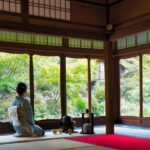
Byodo-in is the big “wow” anchor for many people, and for good reason. The tour’s temple stop runs about 50 minutes, with admission included. Byodo-in was built near the end of the Heian Era, and you’ll learn about the Buddha statue, other images, and the temple grounds and garden layout.
You’ll also hear the temple is registered on the World Heritage List as part of the Historic Monuments of Ancient Kyoto. If you like seeing famous places in context, this is where you connect an image you’ve seen a hundred times to the real site.
The Phoenix Hall connection is especially easy to spot in your brain afterward. The tour mentions that the Phoenix Hall image appears on the Japanese 10 yen coin. Even if you’ve held that coin before, it’s different to look at the temple setting where that icon comes from.
Now the drawback, which is important for your planning: the tour warns that you might not be able to enter the Phoenix Hall if there’s congestion. If entry isn’t possible, JPY 300 will be refunded at the location. Translation: you could end up with a shorter look at the most famous interior/view area than you expected.
That time constraint shows up across the day. The tour is designed to cover three major stops and get you back to Kyoto mid-day. If your ideal temple experience is slow, quiet, and unhurried, you may need to add a self-guided visit later.

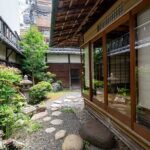
Pace and logistics: trains, walking, and real-world timing
Let’s talk about the mechanics, because they affect how enjoyable this tour feels.
You’ll use public transport both ways:
- Kyoto to Uji by JR rapid/local, non-reserved seats
- Uji back to Kyoto by JR rapid/local, non-reserved seats
Non-reserved doesn’t always mean chaos, but it does mean seating is not guaranteed. If you’re traveling at a time when trains are crowded, you may stand part of the ride. If that’s a problem for you, it’s worth planning your day with that in mind.
On the ground, this is a walking tour, not a bus tour. The upside is efficiency. The downside is that you can’t stretch this into a long hangout. The tour also notes the order and arrival times can vary due to road conditions and congestion.
Two specific “could change” items:
- Nakanoshima Park might be skipped if the river water level is high.
- Phoenix Hall entry might be limited if it’s too busy.
So here’s the practical strategy I’d recommend: when you reach each major photo/stop point, get your shot early, then focus on soaking in what your guide is explaining. Don’t wait until the last second to take photos because the schedule is tight by design.
Group size helps here. With a maximum of 12 travelers, you’re less likely to feel swallowed by a huge crowd. But you’ll still be moving.
Price and value: is $96.06 worth it?
At $96.06 per person, the sticker price looks steep until you break down what you’re actually getting. This price includes:
- a National Government Licensed English guide
- transportation costs to and from Uji
- the tea ceremony at Taihoan
- Byodo-in admission
If you tried to line these up yourself, you’d be paying for train tickets anyway, plus separate entry and a guided tea experience. The guide’s job here isn’t just interpretation—it’s routing you through a morning window so you can hit the key sites without wasting time.
You’re also getting the benefit of local knowledge in places where timing matters. For example, understanding where to stand for the bridge angle (san-no-ma) and what the Phoenix Hall symbolism means turns a quick visit into something you can remember.
Is it a bargain? Not in the cheap sense. But for a guided, timed half-day that includes major admission and a structured tea ceremony, I’d call it good value—as long as you’re okay with a brisk pace.
Who should book this Uji walking tour
Book it if you want:
- a guided way to see Uji quickly from Kyoto
- a real tea ceremony experience at Taihoan (not just a stop for tea)
- a stop at Byodo-in with context for what you’re seeing
- a small group day with about half-day timing
Skip or reconsider if you:
- hate rushing through museums or temple grounds
- need long, quiet time inside the Phoenix Hall area and would feel disappointed if entry is blocked
- struggle with steady walking (this is not a sit-everywhere itinerary)
For families: the tour notes written parental permission is necessary for participants under 18, and anyone under 15 or not yet enrolled in middle school must be joined by a parent or guardian. That’s the kind of detail that can affect eligibility, so check early.
If you’re pairing this with more Kyoto neighborhoods afterward, the timing is friendly. You’ll still have your afternoon for slower sightseeing.
Should you book the Uji Walking Tour with Byodo-in and Tea Ceremony?
I think you should book this tour if you want an efficient morning that mixes Uji’s scenic river views, a genuine tea ceremony, and the landmark temple that people associate with the 10 yen coin. The small group size and included admissions are the big practical wins.
You shouldn’t book it if you’re looking for a slow, flexible temple day where you can linger inside every building for as long as you want. This tour is built for flow and coverage, and congestion can reduce time at the most famous interior area.
If you’re the kind of traveler who likes your sightseeing with a plan but still wants authentic moments, this hits a sweet spot.
FAQ
How long is the Uji Walking Tour from Kyoto?
It runs for about 4 hours 10 minutes, starting at 8:20 am and ending around 12:30 pm near Kyoto Station.
What’s included in the tour price?
The tour includes a licensed English guide interpreter, other transportation costs, the Taihoan tea ceremony experience, and Byodo-in temple admission fees.
Are train seats reserved?
No. The tour uses JR rapid/local trains with non-reserved seating both to and from Uji, so seating is not guaranteed.
What happens if the Phoenix Hall at Byodo-in is too crowded?
The tour may not be able to enter the Phoenix Hall due to congestion. In that case, JPY 300 will be refunded at the location.
What kind of tea ceremony will I do?
The ceremony may use matcha green tea or sencha green tea depending on the day. You can’t make a selection, and it may be conducted with other customers.
Is the tea ceremony filmed?
No. Video recording is not allowed in the tea room. You’ll also need to wear socks since it’s a tatami room.
Is the group small?
Yes. The maximum group size is 12 travelers.