REVIEW · KYOTO
Tea Ceremony Experience in Kyoto
Book on Viator →Operated by Travel Japan Together · Bookable on Viator
Matcha turns quiet into something you can do. I love that you’ll make your own tea under guidance, not just watch; I also love the focus on respect and being present while you learn the steps. The one drawback to keep in mind: the session is only about an hour, so you won’t leave with a long, repeat-practice class.
I also like how easy this is to plug into a Kyoto day: it’s about a 15-minute walk from both the Kamogawa Delta area and Demachiyanagi Station. With a mobile ticket and a max group size of 6, it feels controlled and low-stress rather than crowded or rushed.
Everything you need is included: matcha, wagashi (Japanese sweets), and a guide. You do not get a kimono, so wear comfortable clothes you’re happy to sit in for a while.
In This Review
- Key Points to Know Before You Go
- Arriving at Tea Ceremony Experience Chisato in Shimogamo
- The Flow of a Kyoto Tea Ceremony (And Where You Participate)
- Whisking Matcha: Tools, Timing, and Mindful Movements
- Wagashi Pairing and the Taste Test You Actually Remember
- Chisato’s Teaching Style: Patience, Respect, and a Calm Pace
- Price and Value for $39.09 in a Small Group
- How to Pair This With the Rest of Your Kyoto Day
- Who This Tea Ceremony Best Fits
- Should You Book This Tea Ceremony Experience in Kyoto?
- FAQ
- How long is the Kyoto tea ceremony experience?
- How much does the tea ceremony cost?
- What’s included in the price?
- Can I make my own matcha during the ceremony?
- Is a kimono included?
- Where does the ceremony take place, and where do I meet?
- How close is it to public transit?
- Is it wheelchair accessible?
- Is the session taught in English?
- What is the cancellation policy?
Key Points to Know Before You Go
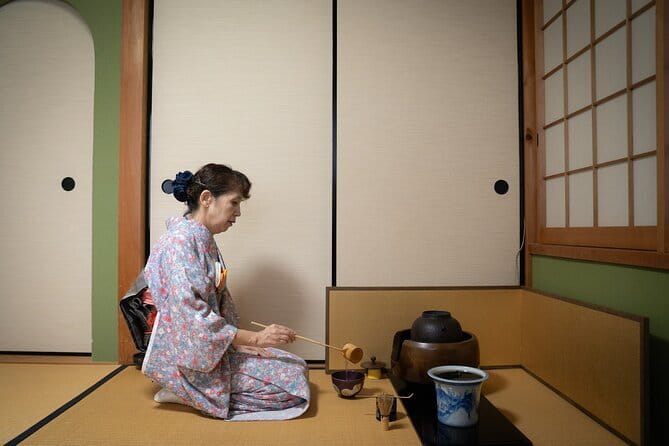
- You’ll whisk matcha yourself if you want to, guided step by step
- Chisato leads with a calm approach focused on respect and mindfulness
- Wagashi is included so you can taste the full tea pairing
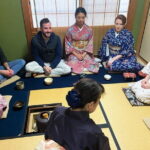
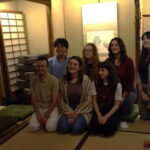
- Small group size (max 6) helps the lesson feel personal
- Easy location near Kamogawa Delta and Demachiyanagi Station for pairing with other sights
- English instruction, with a tip to keep questions simple and clear
Arriving at Tea Ceremony Experience Chisato in Shimogamo
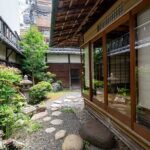
Your meeting point is at Tea Ceremony Experience Chisato, 67-23 Shimogamo Matsunokichō, Sakyo Ward, Kyoto (606-0816). Plan to arrive a few minutes early so you can settle in before the lesson starts—tea ceremony pacing is part of the experience, and it helps if you don’t walk in out of breath.
Location matters here. The session is around a 15-minute walk from the Kamogawa Delta, the riverside stretch where locals and visitors slow down for scenery and fresh air. It’s also about a 15-minute walk from Demachiyanagi Station, which is a practical launch point if you’re planning to explore places like Kibune Shrine and Rurikou Temple afterward.
Because the group is capped at six people, you’re unlikely to feel lost in a crowd. And since you’ll use a mobile ticket, there’s less last-minute fuss than with paper-only vouchers.
You can also read our reviews of more tours and experiences in Kyoto.
The Flow of a Kyoto Tea Ceremony (And Where You Participate)
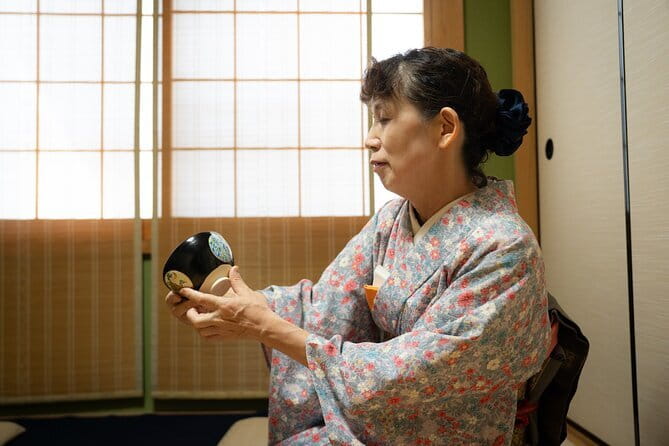
This is a classic-style tea ceremony lesson with a modern promise: it’s designed to lower barriers for beginners. That doesn’t mean it’s shallow. It means you won’t need prior tea-ceremony training to understand what you’re doing.
Here’s what your time typically feels like, in order:
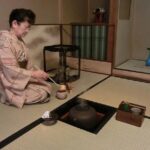
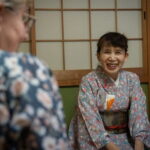
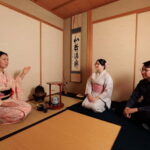
First, you’ll get guided instruction from your teacher, Chisato, who has 30+ years of experience. The emphasis is not just on steps, but on why those steps exist—respect, mindfulness, and proper attention to the moment.
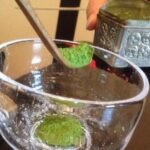
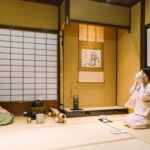
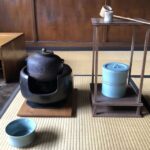
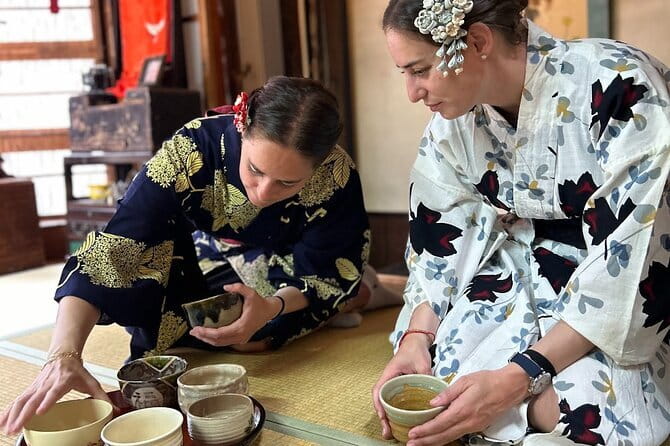
Then comes the part that makes this class worth booking for many people: you can make your own tea. You’ll learn the movements involved in preparing matcha, including how to whisk the powdered tea and how to handle the process with intention.
Finally, you’ll enjoy what you’ve made along with wagashi, the traditional Japanese sweets served with tea. The sweet-and-tea pairing is part of the cultural rhythm of the ceremony, not an afterthought.
One practical thing: the whole session is run in English, and you may have an easier time if your questions are simple and focused. If you try to ask a complicated, long question, you’ll probably have to trim it down.
Whisking Matcha: Tools, Timing, and Mindful Movements
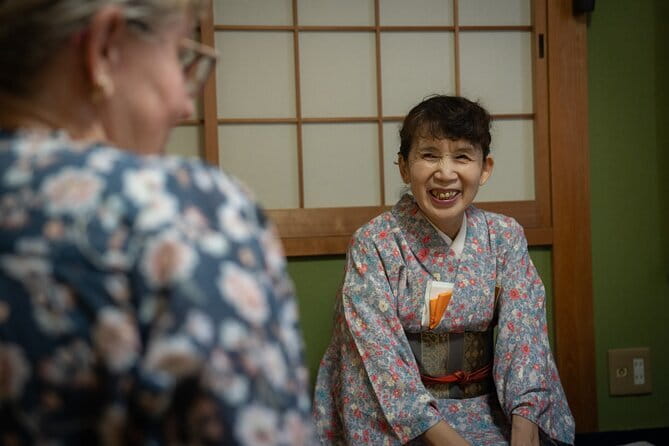
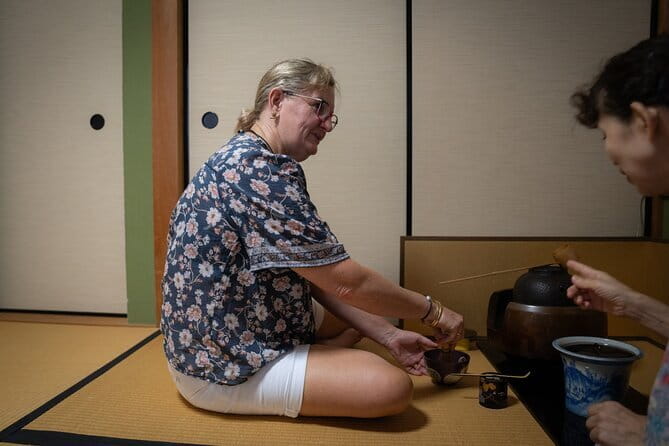
Matcha is the star, and your hands are part of the show. If you choose to make your own tea, you’ll practice the key actions under close guidance—especially the whisking. The goal isn’t to make you a tea expert before you even leave the room. The goal is to help you experience how matcha preparation becomes a form of attention.
You’ll learn the intricate steps involved in preparing matcha, from whisking to the precise movements that reflect harmony and mindfulness. That wording matters: you’re not just repeating motions. You’re learning that the movements are tied to steadiness, respect, and calm.
What I like about this approach is that it gives you structure even if you’re nervous. One person noted that Chisato seemed nervous at the start, but the lesson still landed well because she knew the ceremony deeply and guided people patiently. So if you’re the kind of person who worries you’ll do everything wrong, this format helps.
Also, keep expectations realistic. One hour goes fast. You’ll get the basics and enough practice to feel like you participated—not a multi-session training program where you perfect every whisk stroke.
Wagashi Pairing and the Taste Test You Actually Remember
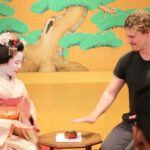
Tea ceremony isn’t only about matcha; it’s also about the sweet that comes with it. Wagashi is included, and you’ll taste it alongside your tea. That matters because wagashi is designed to complement the flavor and the mood of the tea.
In practice, the wagashi portion helps you slow down. It gives you a break from technical movements and lets you focus on the sensory side: the matcha’s character, the sweet’s texture, and how the pairing changes the overall experience.
People consistently describe the wagashi and matcha as delicious, with a strong sense of enjoyment in the calm setting. That’s the vibe you’re looking for. Not a rushed snack. More like a quiet, guided tasting with rules for attention.
If you’re curious about Japanese culture, this pairing is a smart way in. You get taste plus meaning, which is exactly how this kind of cultural activity should work.
Chisato’s Teaching Style: Patience, Respect, and a Calm Pace
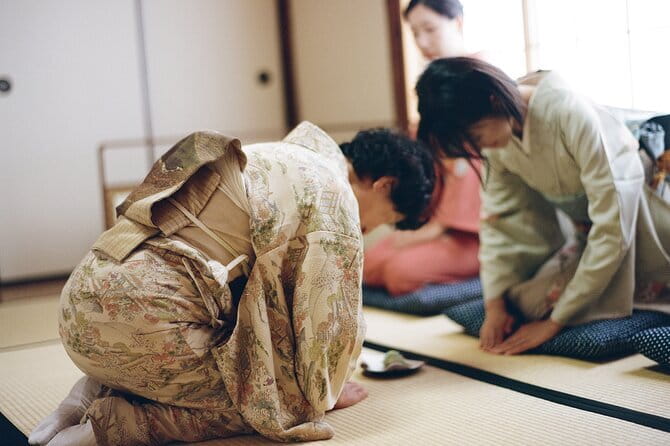
A great tea ceremony guide doesn’t just know what to do. They know how to teach it to different people without making anyone feel foolish.
Chisato’s approach, based on what you can expect from her sessions, centers on respect and presence. You’ll hear guidance on how to treat the ritual properly, and it’s not just etiquette for etiquette’s sake. It’s about learning to notice what’s happening in front of you.
The teaching also scales well for mixed groups. One highlight from past participants: Chisato was especially kind and accommodating for small children. That’s useful if your family includes kids who can’t handle a long sit-still event. The session length is short enough to keep energy manageable.
Language is another part of the teaching style. The ceremony is conducted in English, but you may need to keep questions simple at times. That’s normal for any cultural lesson where the teacher is focused on instruction. If you bring one or two clear questions—like what a certain step is meant to accomplish—you’ll get the most out of the exchange.
If you’re worried the class might be too formal, the accessibility message is a good sign. You’ll be welcomed as a beginner, without being treated like you’re in the way.

Price and Value for $39.09 in a Small Group
At $39.09 per person for about one hour, you’re paying for more than a cup of tea. You’re paying for instruction, a guided ceremony flow, and the ceremony ingredients—matcha and wagashi—plus a teacher.
The value is strongest when you look at what’s included and what’s capped:
- Matcha and wagashi included means you’re not adding extra costs to taste the full pairing.
- A maximum group size of six people usually translates into better attention from the guide than larger sessions.
- The session length is right for people who want something meaningful without giving up half a day.
Is it expensive compared to grabbing tea elsewhere? Sure. But it’s not priced like a casual drink stop. It’s priced like a guided cultural activity with hands-on participation. For many first-time visitors, that’s the sweet spot: you get the real structure of the ritual, not just a snack and a quick explanation.
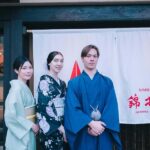
Also note what isn’t included: no kimono. If you want kimono photos, you’d need to arrange that separately. But for value, it keeps the experience straightforward—you’re not paying for a rental costume you may not even end up using.
How to Pair This With the Rest of Your Kyoto Day
Because the location is close to Demachiyanagi Station and also within walking range of the Kamogawa Delta area, you can make this part of a natural day plan.
Here are two easy pairing ideas based on the area:
- Riverside reset, then ceremony: Start near the Kamogawa Delta for a calm walk, then head to the ceremony to “switch gears” from sightseeing mode to slow, mindful mode.
- Temple-shrine day, then ceremony: If you’re doing sights like Kibune Shrine and Rurikou Temple, Demachiyanagi Station is a practical starting point. The tea ceremony works well as a later stop when you want something quieter than walking miles of trails.
Practical timing tip: don’t cram this into an end-of-day sprint. Give yourself breathing room so you arrive calm enough to enjoy the pacing. Tea ceremony rewards slower feet.
Who This Tea Ceremony Best Fits
This tea ceremony works well for:
- First-timers to Japanese tea rituals who want a friendly, guided introduction
- People who like hands-on activities more than museum-style watching
- Families with kids, since the session is short and the guide has experience being accommodating
- Anyone who wants a break from Kyoto’s heavy walking and wants something calmer, seated, and focused
It may be less ideal for:
- People who need the session to be fully accessible for mobility needs, since it isn’t wheelchair accessible
- Anyone who wants more than basics in one short sitting. You’ll learn the flow and do the core steps, but there’s no multi-hour deep-training format here.
Should You Book This Tea Ceremony Experience in Kyoto?
If you want a Kyoto experience that’s quiet, culturally grounded, and genuinely participatory, I think this is a strong pick. The best part is the hands-on matcha piece—whisking, mindful movements, and a guided pace that keeps you from feeling lost. Add included wagashi, a small group size, and a teacher-led focus on respect and being present, and you end up with a memory that lasts longer than a generic photo stop.
Book it if you:
- like calm, structured activities
- want an English-guided introduction that doesn’t talk down to you
- plan to pair it with an easy walk near Kamogawa Delta or your plans around Demachiyanagi
Skip it (or adjust expectations) if:
- you’re hoping for a long, advanced training program
- you need wheelchair accessibility
- you’re only looking for a quick, casual tea tasting without the ritual part
Overall: at $39.09 for a guided, small-group lesson that includes everything you need to taste and participate, this feels like good value—and a good way to slow your Kyoto down.
FAQ
How long is the Kyoto tea ceremony experience?
It lasts about 1 hour (approx.).
How much does the tea ceremony cost?
The price is $39.09 per person.
What’s included in the price?
You get matcha, wagashi (Japanese sweets), and a guide.
Can I make my own matcha during the ceremony?
Yes. You can make your own tea if you wish, and you’ll learn the steps involved in preparing matcha, including whisking.
Is a kimono included?
No. Kimono is not included.
Where does the ceremony take place, and where do I meet?
The meeting point is Tea Ceremony Experience Chisato, 67-23 Shimogamo Matsunokichō, Sakyo Ward, Kyoto (606-0816). The activity ends back at the meeting point.
How close is it to public transit?
It’s about a 15-minute walk from Demachiyanagi Station.
Is it wheelchair accessible?
No. The experience isn’t wheelchair accessible.
Is the session taught in English?
Yes, the session is done in English.
What is the cancellation policy?
You can cancel for a full refund up to 24 hours in advance of the experience start time.