REVIEW · KYOTO
Kyoto Walking Tour with Kimono Rental Lunch and Tea Ceremony
Book on Viator →Operated by Kyoto Bespoke Tours · Bookable on Viator
Kyoto in a rented kimono feels different. This matcha-focused Kyoto private walk strings together an Imperial-family garden, Shimogamo landmarks, and a one-hour tea ceremony—running about 8 hours with a mobile ticket and ending back where you start.
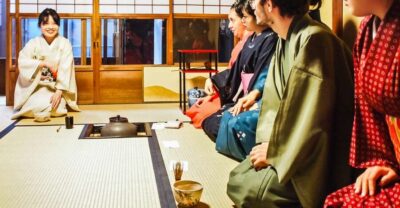
What I like most is how the kimono moment is handled: licensed professionals dress you and include basic hairstyling, so you’re not stuck wrestling fabric and pins. I also like the tea ceremony with Chisato, where the host and your guide explain what you’re doing and sharing, alongside wagashi sweets in an intimate setting.
One thing to plan for: lunch isn’t included in the $117 price, and if you choose the kimono you’re expected to do your own makeup in advance while the tour covers basic hairstyling.
In This Review
- Key highlights you’ll actually care about
- Before You Go: What This Private Kyoto Walk Sets Up
- Ume Sakura Kimono Set-Up: Easy Dressing, Real Kyoto Vibes
- Imperial-Family Garden Grounds: A Kyoto Soft Landing
- Old Mitsui Family Shimogamo Villa: What a Preserved Residence Teaches
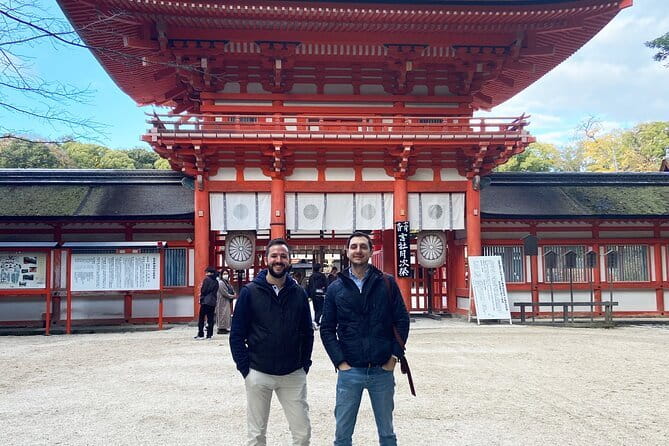
- Shimogamo Jinja: 1,000+ Years in One Walk-Stop
- Machiya Lunch at Teramachi Yoshikura: A Stylish Break With Real Meal Choices
- Tea Ceremony With Chisato: Matcha and Wagashi, Explained Like a Ritual
- Getting Through the Day Comfortably (So You Don’t Rush It)
- Price and Value: Why $117 Might Be a Smart Move
- Who This Tour Fits Best
- Should You Book This Kyoto Bespoke Tours Day?
- FAQ
- Is tea ceremony included in the tour?
- Is lunch included in the price?
- Does the tour include kimono rental and hairstyling?
- Where do we meet, and what time does it start?
- Is this a private tour?
- Can I cancel for a full refund?
Key highlights you’ll actually care about
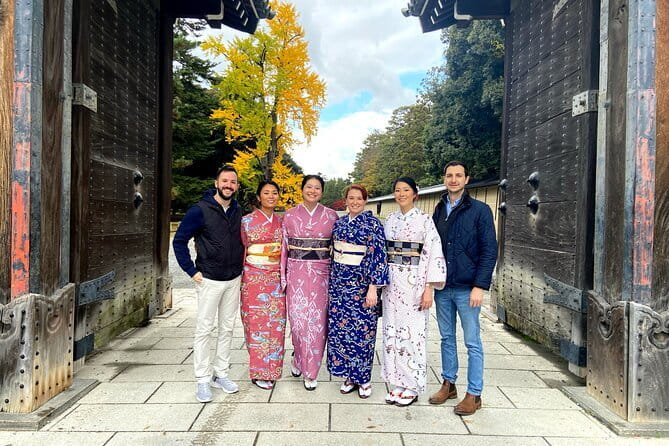
- Licensed kimono dressing at Ume Sakura with basic hairstyling included
- Tea ceremony with Chisato plus wagashi and guided explanations
- Admission included for the Mitsui Shimogamo Villa (a preserved Japanese villa)
- Shimogamo Jinja stop with free admission and 1,000+ years of history
- Machiya lunch stop at Teramachi Yoshikura where you pick from options
- Private tour format, so your group gets the guide’s full attention
Before You Go: What This Private Kyoto Walk Sets Up
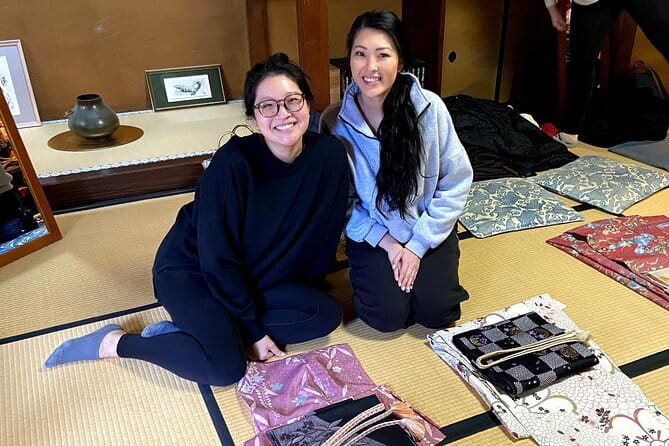
This is a private, full-day style walking tour built around traditional Kyoto experiences, not a long list of random photo stops. You meet at Ume Sakura (38 Fujikicho, Nakagyo Ward) at 10:30 am, and the activity ends back at the same meeting point. The total time runs about 8 hours, so it works best when you want a structured day and less decision-making.
Because it’s private, you can ask questions and get pacing that fits your group. That matters in Kyoto, where shrine etiquette, seasonal garden crowds, and tea-ceremony timing can all shift the mood of the day. A mobile ticket also keeps things simple once you’re in town.
If you’re hoping to slow down and connect dots—between old residences, a major shrine, and the ritual of tea—this tour’s format is a good match. If you want a casual hit-and-run stroll where you can leave whenever you like, you might find the day feels more “guided” than “free-form.”
You can also read our reviews of more tours and experiences in Kyoto.
Ume Sakura Kimono Set-Up: Easy Dressing, Real Kyoto Vibes
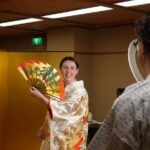
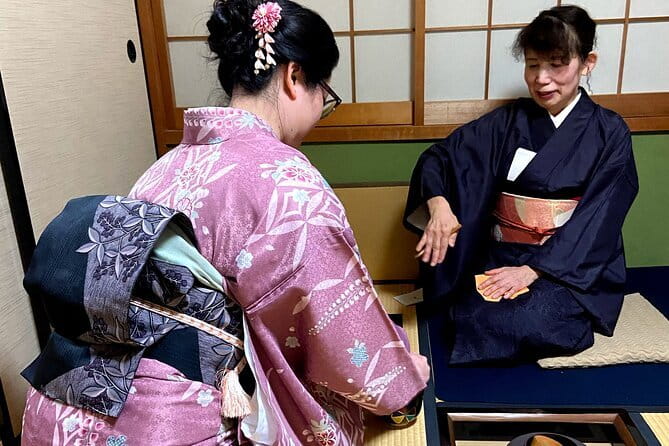
The tour starts with kimono dressing at Ume Sakura, and the detail here is practical: you’re handled by licensed professionals. That means the process is less stressful than trying to piece together rental instructions on your own, especially if this is your first kimono experience.
You’ll also get basic hairstyling included. Makeup is the part you manage yourself—makeup needs to be done in advance by guests. It’s a small line in the tour notes, but it can change your morning schedule. If you’re used to doing makeup right before leaving the hotel, adjust that plan.
One more point I like: the kimono option is described as a selection of high-quality garments favored by locals, not the usual “tourist uniform” look. You won’t be guessing what style is expected—you’ll be dressed, and you’ll look like you belong in Kyoto’s everyday layers, not just dressed up for a single picture.
Imperial-Family Garden Grounds: A Kyoto Soft Landing
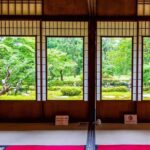
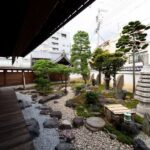
After dressing, you’ll spend time strolling the grounds of the former home of the Imperial Family. This is a quieter kind of Kyoto moment: wide gardens, seasonal beauty, and space that encourages walking at an easy pace.
The garden is used for festivals and activities across the year, and it’s particularly beautiful in spring and autumn. Even if you’re not traveling in those peak seasons, gardens in Kyoto are rarely only about flowers. The experience is about how pathways, trees, and open views shape the pace of your day.
Practical tip: if you’re wearing a kimono, keep your stride controlled and watch for uneven ground. You don’t need to tiptoe like you’re in a museum, but a slower, careful walk helps you feel comfortable instead of self-conscious.
Old Mitsui Family Shimogamo Villa: What a Preserved Residence Teaches
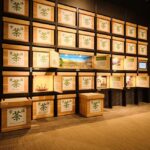
Next up is the Old Mitsui Family Shimogamo Villa, a preserved Japanese villa once owned by one of Japan’s most prominent families. Admission to this stop is included, and you’ll spend around 30 minutes here.
A villa like this is useful because it shows how status lived in everyday architecture—layout, privacy, and the relationship between interior and garden space. You’re not just looking at buildings; you’re learning how a residence could function as a world of its own, even while still connected to the wider neighborhood and seasons.
A 30-minute time window is intentional. It keeps the visit from dragging, and it helps you carry the details into the next stops instead of forgetting them by lunchtime. If you love architecture or want to linger, consider asking your guide what you should notice most quickly so you don’t lose the chance to see the important parts.
Shimogamo Jinja: 1,000+ Years in One Walk-Stop
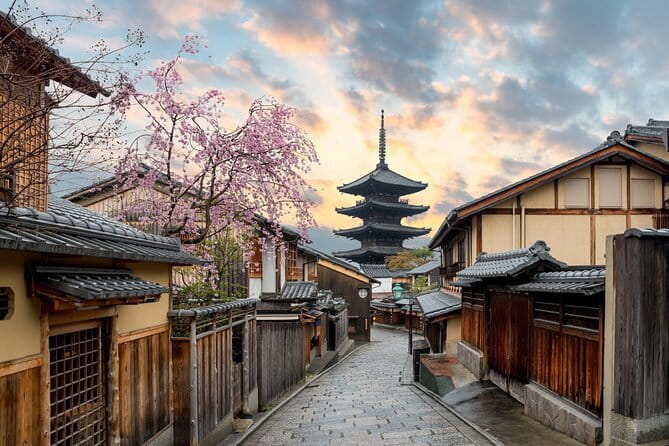
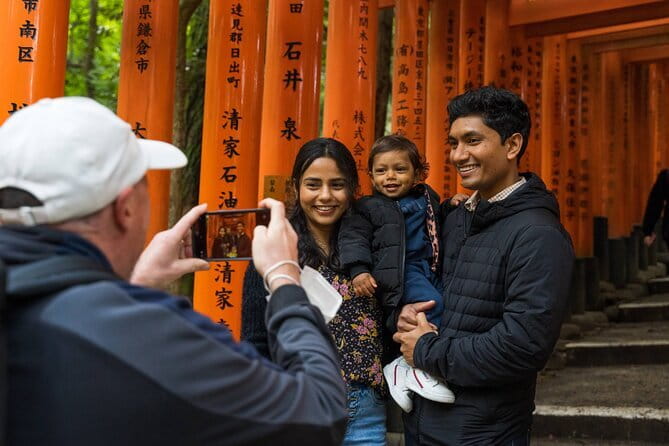
Then you head to Shimogamo Jinja, one of Kyoto’s most important shrines. Admission is free here, and you’ll have about 30 minutes.
The big headline is the age: over 1,000 years of history. That turns a quick shrine stop into more than a sightseeing box tick. Shrines in Kyoto operate like living institutions—ritual space, community touchpoint, and a visible link to earlier ways of life. Even without a deep study, you can feel how much care goes into daily respect and seasonal rhythm.
If you want to photograph, do it respectfully. Avoid blocking paths where people are praying or moving through. A guide helps a lot here—shrines have unspoken flow rules, and following them keeps your experience smooth.

Machiya Lunch at Teramachi Yoshikura: A Stylish Break With Real Meal Choices
Your lunch stop is at Kyoto cuisine Teramachi Yoshikura, inside a renovated machiya—an old Kyoto townhouse style. You’ll have about one hour here, and you’ll choose from meal options. The key catch: lunch isn’t included in the tour price.
So how do you make this stop feel like value? Plan it like a proper Kyoto meal, not just fuel. This is your break from the walking and a chance to slow down in a traditional setting. Machiya-style spaces often feel like you’ve stepped into Kyoto’s domestic architecture, which makes lunch feel part of the day’s theme.
Diet matters. The tour notes say dietary restrictions must be stated in advance, and depending on the request, they may not be able to accommodate you. If you have allergies or a strict diet, tell them early so you’re not deciding under pressure at the table.
Practical approach: if you have specific restrictions, ask for what you can safely order before you sit down. And if you’ve chosen the kimono option, remember lunch is when you might want to step out to adjust the fit and stay comfortable.
Tea Ceremony With Chisato: Matcha and Wagashi, Explained Like a Ritual
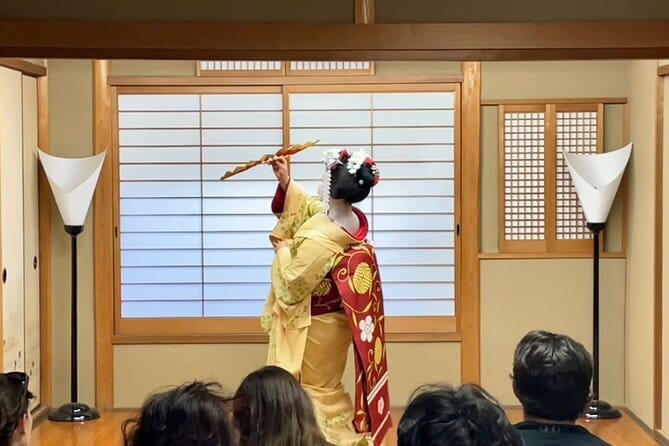
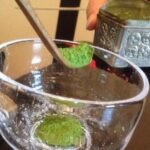
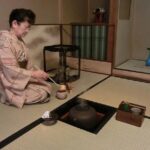
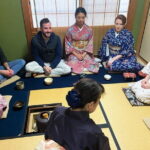
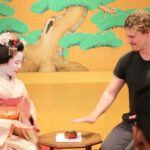
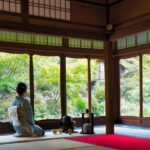
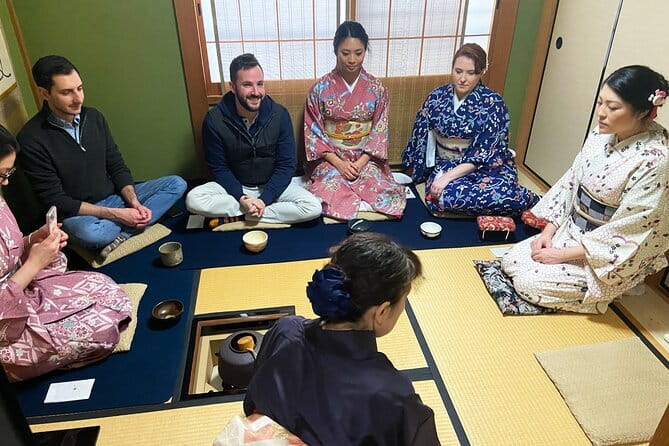
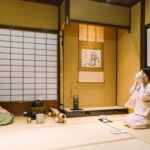
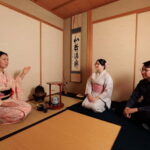
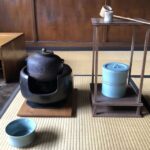
The highlight for many people is the tea ceremony experience with Chisato. You get about one hour, and admission is included. You’ll also get wagashi (traditional sweets) alongside the matcha.
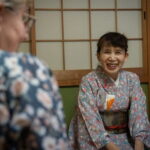
What makes this stop satisfying is that it’s not just a performance. The experience includes explanations from your host and guide, and you’re in an intimate setting—small enough that you can actually pay attention to what’s being taught. Tea ceremony is full of small actions, and when someone explains them, you understand the “why,” not just the steps.
You can also think of this as a palate reset after the shrine and residence visits. Matcha and wagashi are designed to change how you experience time. Instead of walking to your next landmark, you’re slowing down to observe texture, aroma, and the pace of the exchange.
If you want this to be your best tea ceremony memory, don’t treat it like a quick tasting. Ask one or two questions during the explanations—about etiquette, the meaning of specific movements, or what to notice in the sweetness of wagashi. Those details can turn matcha from a drink into an experience you carry home.
Getting Through the Day Comfortably (So You Don’t Rush It)
This tour runs about 8 hours, and the structure moves from kimono setup into gardens, then historic sites, then lunch, then tea. That’s a lot of “traditional Kyoto” packed into one day, so comfort planning helps.
- Wear comfortable shoes, even if you’re in a kimono. Kimono looks great, but it doesn’t erase discomfort from stiff footwear.
- Use the tea ceremony hour as your reset, not just another photo moment.
- Keep your morning realistic if you’re doing kimono and need to do your own makeup in advance.
Also, it ends back at the meeting point, so you won’t need to figure out last-mile logistics on a tired day. Near public transportation, it’s easier to get back to your hotel without turning the afternoon into a scavenger hunt.
Price and Value: Why $117 Might Be a Smart Move
At $117.06 per person, this isn’t a budget “walk around Kyoto” deal. It’s priced like a guided cultural day, and the value comes from what’s included versus what you add yourself.
Here’s what you’re getting that often costs extra when booked separately:
- Tea ceremony included, including wagashi and the explanation time
- Admission included for the Mitsui Shimogamo Villa
- A guided kimono start option with licensed dressing and basic hairstyling
Lunch is the one clearly separated cost: it’s not included in the price. But the lunch stop is still part of the day’s flow and theme, sitting in a machiya setting where you choose from options.
So who gets the best deal? You’ll feel it if you were already planning to do a tea ceremony and at least one paid cultural admission. You’ll also benefit if you want kimono dressing without the stress of DIY logistics.
If you only care about one or two stops, then the price might feel harder to justify. In that case, a smaller tour or partial-day plan could make more sense. But if you want a full, traditional Kyoto day with fewer decisions, the structure does the heavy lifting.
Who This Tour Fits Best
This Kyoto walking tour fits best when you want:
- a private guided day where questions are welcome
- hands-on cultural experiences, especially tea ceremony
- a kimono moment with help from licensed professionals
- key Shimogamo-area sights in a controlled time window
Most travelers can participate, which suggests the pacing is workable for a broad range of visitors. Still, it’s a walking tour for the better part of the day. If you have mobility limits, it’s worth checking with the provider directly so you can judge the day’s walking load.
It also suits couples, small groups, and families who want one guide to explain how it all connects—gardens, shrine tradition, historic architecture, and tea etiquette—without switching between multiple tours.
Should You Book This Kyoto Bespoke Tours Day?
Book it if you want a traditional Kyoto day with structure: kimono dressing support, a well-timed tea ceremony with Chisato, and an admission-included visit to the Shimogamo villa. It’s a great choice when you’d rather pay for guidance and meaning than gamble on figuring it out alone.
Think twice if you know you won’t use the included pieces. If tea ceremonies aren’t your thing, or if kimono dressing feels like too much effort for you, then the price may not match your priorities. And if you have strict dietary needs, send those details early—while the lunch is part of the experience, the tour notes say accommodations depend on the request.
FAQ
Is tea ceremony included in the tour?
Yes. The tea ceremony experience is included, along with wagashi, and you’ll get explanations from your host and guide.
Is lunch included in the price?
No. Lunch at Kyoto cuisine Teramachi Yoshikura is not included, though you’ll have about an hour there and can choose from meal options.
Does the tour include kimono rental and hairstyling?
Kimono rental is available as an option at the start. If you choose it, you’ll be dressed by licensed professionals, and basic hairstyling is included. Makeup needs to be done in advance by guests.
Where do we meet, and what time does it start?
The meeting point is Ume Sakura, 38 Fujikicho, Nakagyo Ward, Kyoto, and the start time is 10:30 am. The tour ends back at the meeting point.
Is this a private tour?
Yes. It’s a private tour/activity, and only your group participates.
Can I cancel for a full refund?
Yes. Free cancellation is available, with full refunds up to 24 hours before the experience’s start time. If you cancel less than 24 hours before, the amount you paid is not refunded.