REVIEW · GISENYI
Tea and coffee tours
Book on Viator →Operated by Beyond the Gorillas Experience · Bookable on Viator
Lake Kivu turns a farm day into a story. This tea and coffee tour pairs Rwanda’s farm work with Lake Kivu scenery, so you’re not just looking at plants—you’re seeing how they’re grown and processed. I like that it stays small (up to 8 people), which makes the guide’s explanations easier to follow, especially when you’re asking questions.
Two things I love most: the hands-on feel of the farm visit and the guide energy—clear, patient, and genuinely invested. One thing to consider is that this experience depends on good weather, so if conditions are poor, you’ll need to roll with a different date or a refund.
In This Review
- Key Points You’ll Care About
- Tea And Coffee On Lake Kivu’s Doorstep
- The 8:00 AM Start In Rubavu And What That Means
- Lake Kivu Stop: More Than Just A Pretty View
- The Coffee Experience: Kinunu Coffee Washing Station
- The Tea Experience: Harvesting To Packaging
- Lunch And Bottled Water: Small Comforts That Add Up
- Why The Group Size (Max 8) Feels Like Real Value
- Price And Logistics: What’s Included, What You Handle
- Who This Tour Suits Best In Gisenyi
- What I’d Do Differently Before You Go
- Should You Book This Tea And Coffee Tour?
- FAQ
- Where does the tour start and end?
- How long is the tea and coffee tour?
- What time does it start?
- What’s included in the price?
- Is pickup available?
- How many travelers are in the group?
- What happens if the weather isn’t good?
Key Points You’ll Care About
- Small group size (up to 8) means more time to ask questions and interact.
- Lake Kivu context gives you a reason to look at the water, not just pass it.
- Coffee washing station visit helps you understand what happens after harvesting.
- Tea processing from harvesting to packaging turns a cup into a whole workflow.
- Lunch + bottled water included, so you’re not scrambling mid-day.
- Pickup offered from Rubavu helps you lose less time figuring out transport.
Tea And Coffee On Lake Kivu’s Doorstep
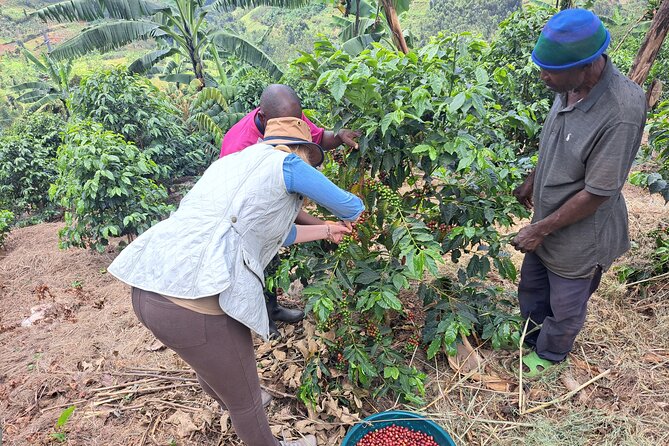
Gisenyi, Rwanda sits right where big scenery meets real daily work. That’s why a tea and coffee farm tour here feels different from a typical “walk around the fields” style visit. You’re spending part of your morning looking at the Lake Kivu region, then shifting to how farms actually operate: harvesting, sorting, processing, and getting the product ready for packaging.
I like tours like this because they’re built around process, not just views. You get to see how people move from crop to final product, and that makes tasting later (even just in your mind) feel more meaningful. And because the group is capped at eight, you’re not fighting for attention when the guide is explaining the steps.
Still, Rwanda travel is Rwanda travel: if the weather is off, this kind of outdoor schedule can change. So if you’re the type who hates schedule surprises, keep that in mind as you plan your day.
The 8:00 AM Start In Rubavu And What That Means
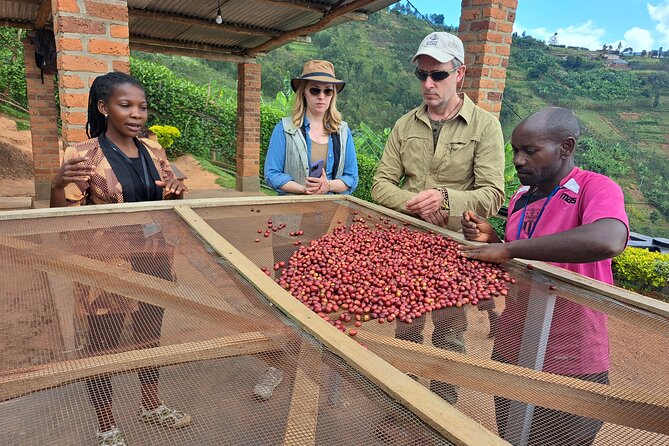
This experience starts at 8:00 am with pickup offered, and it begins in Rubavu, Rwanda. It ends back at the meeting point, so you’re not left trying to “figure it out” at the end. The total time is about 3 hours, which is a good length for a day on the move—long enough to learn something real, short enough to keep your afternoon flexible.
Because start times are early, you’ll likely feel like the day is “yours” afterward. You can pair this with other Rwanda stops without compressing everything into one stressful block. A morning schedule also tends to make farm visits more pleasant—less heat, easier walking, and more comfortable conversations.
Also: it’s a mobile ticket situation, and you’ll get confirmation when you book. That’s the kind of practical setup that helps if you’re juggling multiple activities in a short window.
Lake Kivu Stop: More Than Just A Pretty View
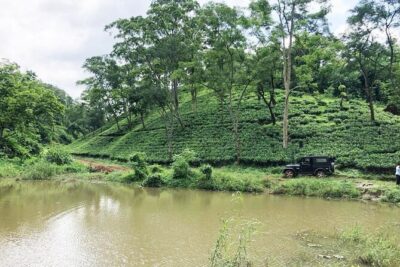
One stop on this experience is Lake Kivu. The guide perspective on this water matters because Lake Kivu isn’t just a big lake—it’s a place with deep geography. It lies on the border between the Democratic Republic of the Congo and Rwanda, and it sits in the Albertine Rift, part of the western branch of the East African Rift.
Here’s what makes that useful for you: knowing the setting changes how you look at what you see. You begin to notice the “why” behind the region—how the Rift affects landforms, ecosystems, and settlement patterns around the lake. And if you’re the type who likes to understand the bigger picture while you travel, this stop gives you a framework you can carry into the rest of your Rwanda time.
Lake Kivu also connects to a larger water story. It empties into the Ruzizi River, which flows south into Lake Tanganyika. That’s not just trivia. It helps you understand why the lake region matters for trade, movement, and livelihoods.
Downside? If you’re expecting the day to be 100% hands-on with crops, the Lake Kivu portion adds more “context time” than “activity time.” But in my view, that context is part of the value—it turns your farm visit into something you can place on the map, literally and geographically.
The Coffee Experience: Kinunu Coffee Washing Station
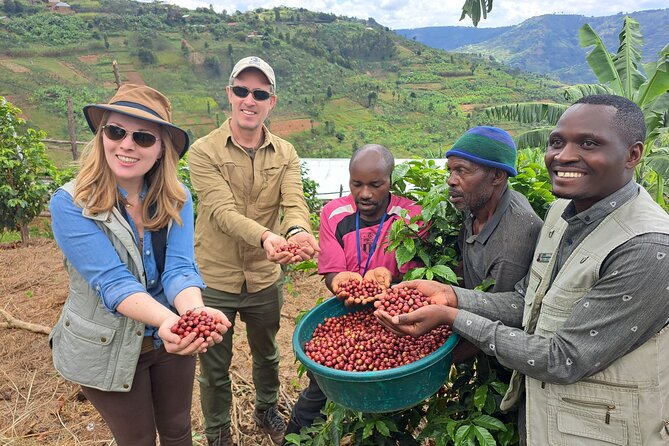
The coffee highlight here is the visit to a coffee washing station, specifically described in one experience as the Kinunu Coffee Washing Station. If you only ever think about coffee as a bean and a roast, a washing station visit is a reality check—in a good way. This is where processing steps start to shape the final quality.
From what you’ll experience during a guided visit, you’re not just watching coffee being handled. You’re learning how the processing works after harvesting: what happens to the fruit, how it’s handled, and why washing and station work matter. One traveler also described the guided tour as interesting, and another noted an incredible coffee-focused experience. That lines up with the overall goal of the day: to help you understand local farms as operating businesses, not just scenic backdrops.
Also, don’t be surprised if the route includes a boat transfer. One review described being picked up by boat well in time at a lodge in the Kigufi/Gisenyi area, followed by a pleasant trip to Kinunu. That means the coffee visit can come with a “getting there” element that feels part of the experience, not just transport.
What to keep in mind: washing stations can involve work zones where you may see equipment, water use, and processing steps that are busy and practical. Dress accordingly—comfy shoes matter, and don’t plan to wear your fanciest light clothes if you’re sensitive to farm-day splashes.
The Tea Experience: Harvesting To Packaging
Even though coffee is a major theme, this overall concept includes tea too—and one of the strongest compliments in the feedback is exactly what you’d hope for: learning the tea process from harvesting to packaging. That’s a full workflow, and it’s where tea tours earn their keep.
When a guide explains how harvesting leads into sorting and onward processing, you start to see why two cups can taste so different. Packaging isn’t a throwaway step either. It’s part of the quality chain. If you’re the type who cares about what’s inside a bag or box, you’ll appreciate that the tour doesn’t stop at field photos.
One visitor emphasized how the guide knowledge was incredible, and how the experience included meeting local people and seeing the tea process in a clear sequence. Another noted the tea tour felt immersive and authentic, with guides who were kind, passionate, and patient.
That guide style is not a small detail. A good farm guide makes the steps understandable, so you don’t leave with a blur of sights. You leave with a mental map of how the product becomes yours later.
A practical note: tea processing can be less visual than coffee processing in some stations, because it may involve more handling and less “big equipment moments.” That doesn’t mean it’s less interesting—it just means you’ll enjoy it more if you like learning how everyday work turns into a product.
Lunch And Bottled Water: Small Comforts That Add Up
This tour includes lunch and bottled water. That matters more than you might think on a farm day. Farm visits take more energy than sightseeing, and it’s easy to underestimate how quickly you get hungry when you’ve been walking and listening for hours.
Lunch also gives you a built-in moment to slow down and talk. Even if you’re mostly there to see tea or coffee, this break helps you connect the dots. You’ll often hear how locals describe their work, what they think visitors notice, and what they’d want you to understand about the process.
The bottled water inclusion is a quality-of-life detail, especially if you’re out in the morning heat by the lake. It keeps you focused on the experience instead of hunting down drinks.
Why The Group Size (Max 8) Feels Like Real Value
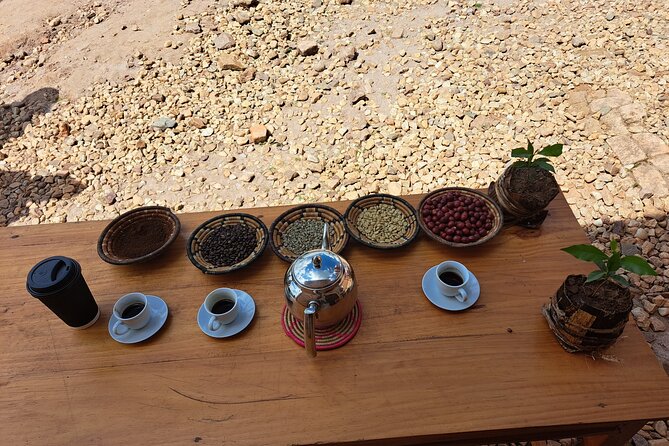
The tour runs with a maximum of 8 travelers. That small number is a big part of the value for two reasons.
First, you get better access to the guide. When you’re learning something like harvesting and processing steps, it helps to ask follow-up questions without the guide constantly moving you along.
Second, the group stays manageable during movement between locations—especially if part of the day involves walking and possibly a water transfer, as described for Kinunu. In real life, bigger groups mean more waiting, more noise, and less chance to pay attention.
At $80.70 per person for roughly 3 hours, you’re paying for guided access plus included lunch and water. Not included is private transportation, but pickup is offered. So the price feels most reasonable if you want a guided, small-group farm day without arranging separate logistics.
Price And Logistics: What’s Included, What You Handle
Here’s how I’d frame the cost. You’re paying for a hosted experience that includes lunch and bottled water, with pickup offered and a schedule that loops back to the meeting point in Rubavu. You’re also paying for the guide time needed to explain farm work clearly—especially when you want the process, not just the photos.
What’s not included is private transportation. That’s common for tours like this: they handle the core pickup plan, but you may still need to get yourself to the pickup area on your own depending on where you’re staying. Since pickup is offered and the start/end is Rubavu, it usually works best if you’re already near that area.
If you’re trying to build a tight itinerary, the loop-back structure helps. You won’t lose energy at the end trying to arrange a ride while you’re tired from morning walking and learning.
Who This Tour Suits Best In Gisenyi
This is a strong fit if you want:
- Real farm learning: how coffee and tea move from growing to processing.
- A short, guided format (about 3 hours) that doesn’t swallow your whole day.
- A small group setting where questions are welcome and guides can slow down.
It’s also a good pick if you like mixing nature and context. Lake Kivu isn’t treated as a random scenic detour here—it’s tied to geography and regional connections, which makes it easier to understand the area you’re traveling through.
Most people can participate, which keeps it accessible for a wide range of travelers. Still, remember it’s an outdoor schedule and depends on good weather.
What I’d Do Differently Before You Go
If you want the day to feel smooth, I’d plan around the basics this kind of tour asks for:
- Wear comfortable walking shoes. Farm areas usually mean uneven ground.
- Bring light rain protection if forecasts are questionable, since weather can affect whether things run as planned.
- Come hungry enough for lunch and thirsty enough that bottled water inclusion helps you stay relaxed.
- Prepare a couple of questions about processing—like what steps matter most for quality—so you can use the guide time well.
Also, if you’re a coffee person, keep an open mind about tea. The tea component here isn’t just a side note; the strong feedback emphasizes the full chain from harvesting to packaging.
Should You Book This Tea And Coffee Tour?
I think you should book if you want an honest, guided farm experience in Rwanda that connects the cup to the work. The best part of this tour is the mix: Lake Kivu gives you place, and the coffee washing station and tea processing steps give you understanding. The small group size (up to 8) is a real quality marker, and the included lunch and bottled water help the value feel practical.
I would not prioritize this if your plans can’t handle schedule changes tied to weather. Since the experience requires good weather, build it on a day where you can shift if needed, especially if you’re traveling on a tight timeline.
If you’re in Gisenyi and you want a morning activity that feels like you learned something you can taste later, this is a smart choice. Book it, go with curiosity, and ask questions—this is the kind of tour where the answers make the scenery click.
FAQ
Where does the tour start and end?
It starts in Rubavu, Rwanda, and ends back at the same meeting point.
How long is the tea and coffee tour?
The duration is approximately 3 hours.
What time does it start?
The start time is 8:00 am.
What’s included in the price?
The tour includes bottled water and lunch.
Is pickup available?
Yes, pickup is offered.
How many travelers are in the group?
There is a maximum of 8 travelers.
What happens if the weather isn’t good?
This experience requires good weather. If it’s canceled due to poor weather, you’ll be offered a different date or a full refund.