REVIEW · SAN FRANCISCO
San Francisco: Chinatown Dim Sum and Tea Tour
Book on GetYourGuide →Operated by Stretchy Pants · Bookable on GetYourGuide
Fortune cookies and tea. What could be better? This 3-hour Chinatown food walk mixes a real tea tasting with classic bites like dim sum, bubble tea, Peking duck, dessert, and a factory-fresh fortune cookie stop. I love how you get both flavor and context as you move through alleyways, heritage bakeries, and streets tied to old California stories.
One thing to consider: at $99, this is more of a guided tasting experience than an all-you-can-eat bargain. If you’re sensitive to walking or you’re shopping for a cheaper snack mission, you might feel the price more than the plate.
In This Review
- Key Highlights You Should Care About
- Starting at House of Dim Sum: A 3-Hour Plan That Actually Feels Like a Day
- Dim Sum Kickoff: How a Full Feast Works as a First Lesson
- Peking Duck and Dessert: When the Meal Stops Feeling Generic
- Fortune Cookie Factory: Fresh Cookies and the Story You Can Hold
- Bubble Tea in Hand: Hidden Alleyways With Old California Clues
- Heritage Bakery and Landmarks: 1906 and the Gold Rush in One Walk
- Tea Tasting Finale: When Tea Is More Than Something to Drink
- What the $99 Price Covers (and Where It Might Feel Expensive)
- Who This Tour Suits Best (Age, Style, and Food Comfort)
- Practical Tips So You Enjoy It More
- Should You Book This Chinatown Dim Sum and Tea Tour?
Key Highlights You Should Care About
- A full meal, not just snacks: dim sum, bubble tea, Peking duck, dessert, plus tea tasting
- Small-group pacing: 10 people or less, so you get time to ask questions
- Fortune cookie factory stop: watch cookies being crafted and sample them fresh
- Hidden alleyways walking: you’ll hear old-school stories tied to sailors and even 10-cent haircuts
- Historic landmarks during food stops: a bakery tied to the 1906 earthquake story and a park connected to the Gold Rush
- Tea culture as the finale: you finish with a calm, structured tea visit where tea is treated like an art
Starting at House of Dim Sum: A 3-Hour Plan That Actually Feels Like a Day
Your tour meets outside House of Dim Sum, and that matters more than you might think. You’re not scrambling across Chinatown to find each next stop. You’re already in the right neighborhood, starting with the kind of place that makes the rest of the experience easier to understand.
The total time is 3 hours, guided in English, and limited to 10 participants or fewer. That small size usually means you can slow down when you need to and stay together when alleyways get tight. No hotel pickup here either, so build in time to get yourself to the meeting spot on your own.
One practical note: this is a walking tour. Even when a stop is short, you’ll still be moving through Chinatown streets and hidden passages, so wear shoes you don’t mind getting a little crowded or slightly uneven.
You can also read our reviews of more tours and experiences in San Francisco.
Dim Sum Kickoff: How a Full Feast Works as a First Lesson
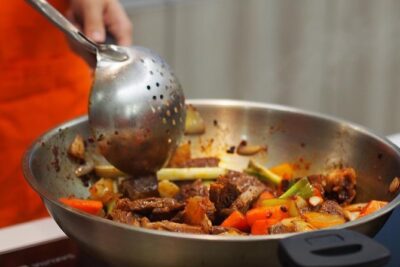
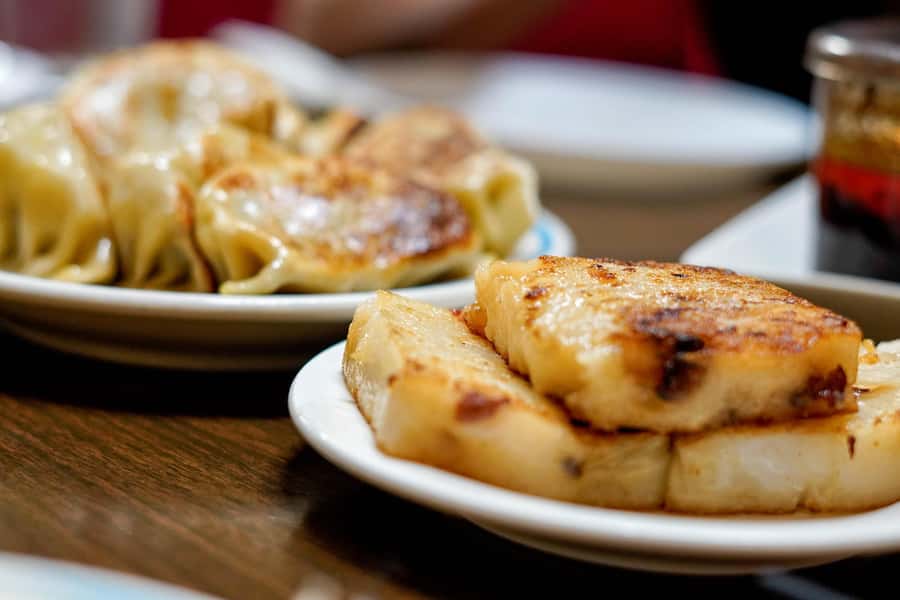
The tour begins with a true dim sum meal, the kind where you start eating right away instead of waiting for the “good part.” You’re sampling traditional bites that function like a map of what Chinese American food culture looks like in Chinatown today.
What I like about doing dim sum first is that it sets your taste buds up for everything else. You get a range of savory textures early, then you’re ready to notice how later stops shift into pastries, roasted specialties, and eventually tea flavors at the end.
And because the tour is guided, you’re not just eating. You’re learning how Chinatown’s role in America’s story connects to what you’re tasting. That turns the meal from simple calories into context you can carry with you afterward.
Peking Duck and Dessert: When the Meal Stops Feeling Generic
This tour isn’t built around one item or one theme. It’s designed as a full meal experience with dim sum plus Peking duck and dessert, alongside the bubble tea.
For many food tours, the “main event” can feel like it’s mostly leftover sampling. Here, the inclusion of duck helps anchor the meal. It also gives you a clearer sense of what people mean by a satisfying Chinese meal: a mix of dishes, not just one snack trend.
Dessert matters too. Chinatown desserts tend to be a mix of comfort and tradition, and dessert at the end gives you a chance to reset your palate before the tea portion brings things back to a calmer rhythm.
Fortune Cookie Factory: Fresh Cookies and the Story You Can Hold
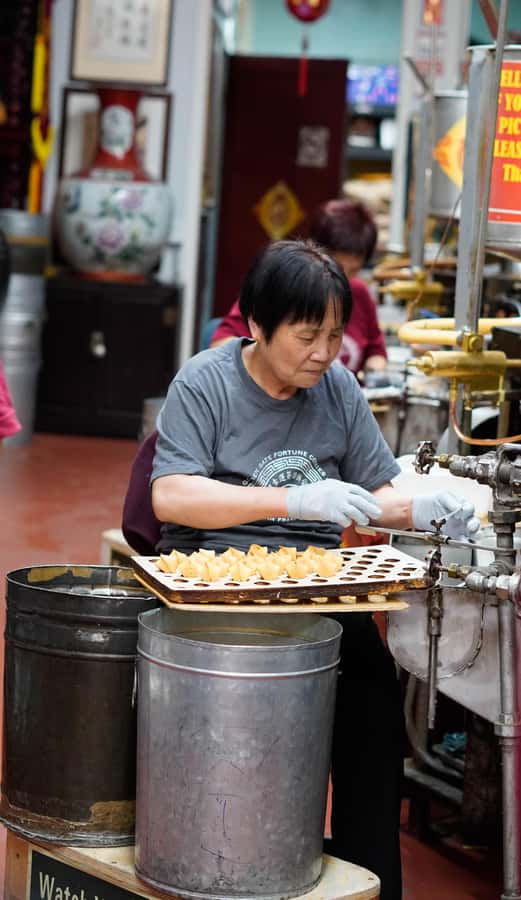
Next comes the fortune cookie stop, and it’s not just a photo-op. You visit a fortune cookie factory described as the first fortune cookie factory in the world, which is the kind of detail you’ll remember because it’s specific.
Here’s what you can expect: you’ll watch cookies being crafted, you’ll sample them fresh, and you’ll see how the cookies arrive ready for that famous moment when you break one open and read what it says. Even if you don’t take fortunes too seriously, the fresh-baked part is the real win.
This stop also works well mid-tour. After a full meal of savory bites, the cookie is a lighter, fun contrast. It keeps the energy up without turning the experience into constant eating.
Bubble Tea in Hand: Hidden Alleyways With Old California Clues
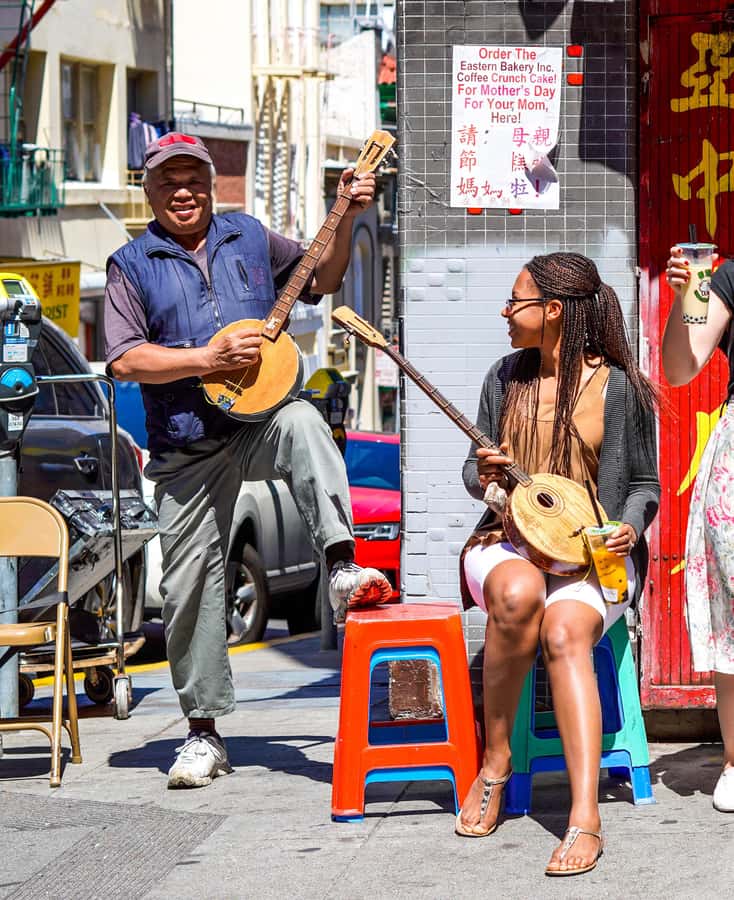
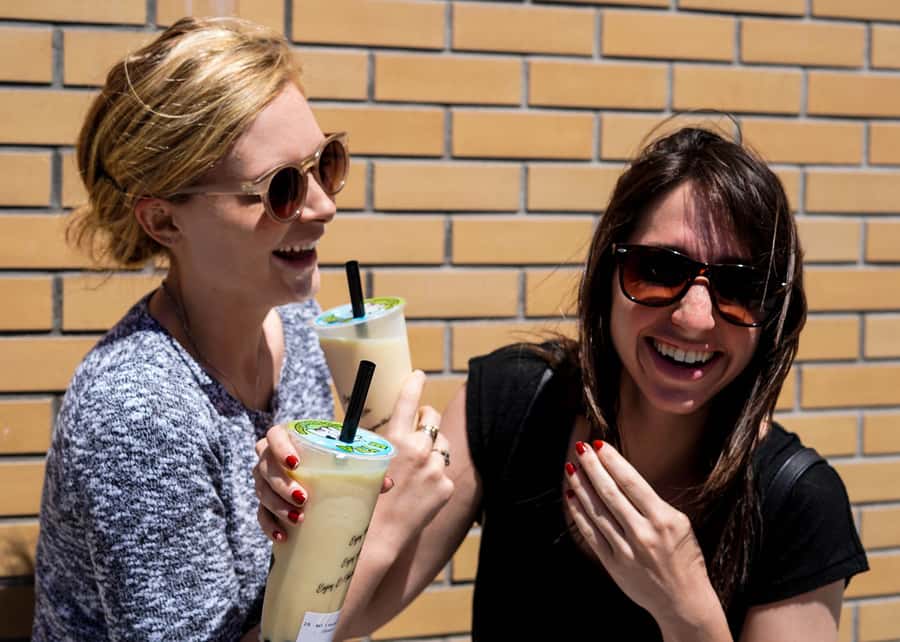
Then you get bubble tea, and you’ll take it with you as you walk. That matters because the tour doesn’t rush you through Chinatown as a checklist. It slows down enough for you to notice side streets and hidden alleyways where old stories live.
The kind of background you’ll hear includes references to gambling halls, tales of sailors, and even the idea of 10-cent haircuts. These details aren’t random trivia. They help you understand Chinatown as a place people depended on, not just a place people visit for restaurants.
Bubble tea is also an easy way to stay comfortable. It gives you something refreshing while you’re moving between stops, especially if the weather turns warm.
Heritage Bakery and Landmarks: 1906 and the Gold Rush in One Walk
After tea and cookies, the tour leans into heritage and landmarks during a stop at a historic, family-owned bakery. You’ll enjoy a classic Chinese pastry here, and you’ll have time to look around instead of treating it like a quick detour.
Two landmark connections are built into this portion of the walk. You’ll admire a church that survived the 1906 earthquake, and you’ll pause at a park location tied to Gold Rush-era gathering.
I like that the tour uses food to point toward place. When you understand that a church stood through 1906 or that a park served as a gathering spot during the Gold Rush, Chinatown doesn’t feel like a static “old neighborhood.” It becomes a community shaped by survival and changing waves of people.
If the weather cooperates, this part can also include a picnic in the park. Otherwise, you’ll settle into a cozy local eatery for additional savory bites. That flexibility is helpful in San Francisco, where conditions can shift faster than your phone battery.
Tea Tasting Finale: When Tea Is More Than Something to Drink
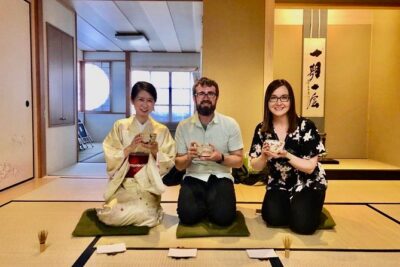
The last stop is a nostalgic tea shop where tea tasting is treated like a skill and a ritual. This is where the tour slows down, and it’s a smart choice to end this way.
You’ll sip, you’ll slurp (yes, that’s normal in tea culture), and you’ll learn about the role tea plays in Chinese culture. The goal isn’t to make you memorize tea types. It’s to give you a better sense of why tea can feel calming, why people take it seriously, and how the experience of tasting changes when you pay attention.
Some tours add a local story at the end, and this one is described as a possibility. That kind of last chapter is often what makes a food tour feel personal instead of generic.
What the $99 Price Covers (and Where It Might Feel Expensive)
At $99 per person for about 3 hours, you’re paying for a guided route plus a full set of included items. This tour includes dim sum, bubble tea, Peking duck, dessert, tea tasting, and soft drinks. Alcohol is not included, and there’s no hotel pickup.
So is it worth it? For me, the value depends on what you want out of Chinatown:
- If you want a guided experience where someone helps you order, explains what you’re eating, and keeps you moving through the right places, $99 can start to make sense fast. The food lineup is more substantial than most “dim sum snack” tours.
- If you’re mainly craving a meal and you’re comfortable exploring on your own, you might feel that price is high. One common concern tied to the cost is that the experience can feel pricey for the amount of food you receive.
The good news: because this is a small group of 10 or fewer, you’re not sharing the guide’s time with a crowd. That can make the “guided” portion feel more like value than extra cost.
Who This Tour Suits Best (Age, Style, and Food Comfort)
This tour is not suitable for children under 7. It also notes that children under 2 are free, but it does not recommend the experience for kids under 7 and requires a full ticket (no kids meals) for anyone above age 7.
If you’re traveling as a couple, solo, or with friends who like food and stories, this tour is a strong match. The structure works well if you want a guided way to explore Chinatown without planning each stop yourself.
If you’re wheelchair users, the tour is described as wheelchair accessible, and you can contact for more details. Because the itinerary involves walking through Chinatown streets and alleyways, it’s worth asking in advance about the specific route and any steps or tight spots.
Also, pets aren’t allowed. Fair warning if you’re thinking of bringing one along.
Practical Tips So You Enjoy It More
You’ll get the best experience when you come in with a little room in your stomach and a little curiosity in your questions.
- Wear comfortable shoes. You’ll be walking through Chinatown streets and hidden alleyways.
- Eat slowly when the group stops. Dim sum and tea tasting both work better when you take your time.
- If tea isn’t your thing, still try the first sips. The tasting is guided, and it often helps you understand tea beyond flavor alone.
- If you’re price-sensitive, decide what you’re buying: the meal plus tea plus guidance. That’s the package.
And because it’s a guided tour with a live English-speaking guide, it’s built to be interactive. If you want the meaning behind what you’re eating, ask.
Should You Book This Chinatown Dim Sum and Tea Tour?
Book it if you want a guided food-and-culture walk where the day ends with tea tasting, not just another quick bite. I especially like the combination of dim sum plus Peking duck, the fortune cookie factory stop, and the way the route connects food to recognizable Chinatown landmarks like the 1906 earthquake survivor church and the Gold Rush park reference.
Skip it if you’re looking for the cheapest way to eat in Chinatown, or if your group includes kids under 7. Also think twice if you don’t enjoy walking or you want alcohol included with your meal—this one keeps it non-alcoholic with soft drinks.
If you land in the middle, this tour is a solid use of a limited time window. Three hours is long enough to feel like you saw something real, and short enough to still keep the rest of your day flexible in San Francisco.