REVIEW · KYOTO
Kyoto Tea Ceremony & Kiyomizu-dera Temple Walking Tour
Book on GetYourGuide →Operated by MagicalTrip · Bookable on GetYourGuide
Kyoto pulls you in with smells, colors, and careful rituals. This Kiyomizu-dera temple stop plus a hands-on tea ceremony makes the day feel both historic and personal. I especially like how the tour ties religious sites to everyday Kyoto street life. A heads-up: the group walks through areas that can be tough for strollers or wheelchairs, and there may be a line for the Otowa Waterfall.
You’ll start at Yasaka Shrine, then meander up the Kiyomizuzaka streets where old shops and traditional foods sit right beside the crowd flow toward Gion. Expect a guided mix of sights, explanations, and small tastings—then matcha you actually make yourself in a tea-room setting.
In This Review
- Key highlights to know before you go
- Hitting Kyoto’s Most Photogenic Temple Areas Without Getting Lost
- From Yasaka-Jinja Nishiromon Gate to the Kiyomizuzaka Streets
- Yasaka Koshin-do: The Wish-Ball Temple You’ll Want to Photograph
- Street Snacks and Local Bites Recommended by Your Guide
- Kiyomizu-dera: The Water Temple and Otowa Waterfall Moment
- Tea Ceremony in a Traditional Room: Make Matcha, Not Just Watch It
- Price and Value: Is $63 a Fair Deal for This Mix?
- Timing, Lines, and Summer Heat: The Stuff That Makes or Breaks the Day
- Who This Kyoto Tea and Temple Walk Is Best For
- Should You Book This Kyoto Tea Ceremony and Kiyomizu-dera Tour?
- FAQ
- Where does the tour start?
- How long is the tour?
- What’s included in the price?
- Is food and drink included?
- What about dietary restrictions or allergies?
- Is the tour accessible for wheelchairs or strollers?
- Is there an age limit?
- Is there a chance of waiting for Otowa Waterfall?
Key highlights to know before you go
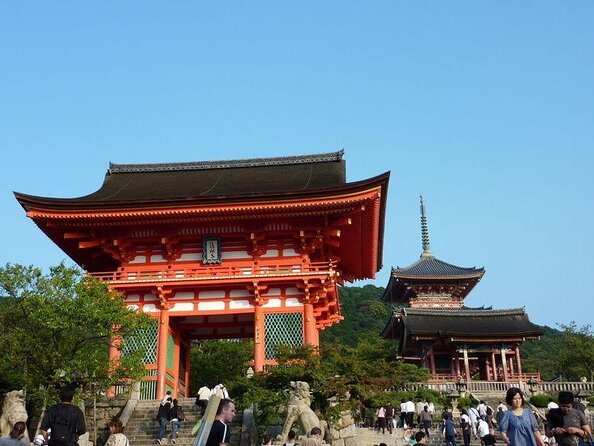
- Kiyomizu-dera (UNESCO Water Temple): stand on the wooden platform tied to the Otowa Waterfall lore
- Yasaka Koshin-do’s wish balls: colorful balls hanging overhead, each with written wishes
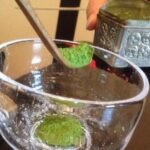
- Make your own matcha: learn the steps and whisk green tea using traditional utensils
- Guided street time in Kiyomizuzaka and Gion: old teashops, sweets, and sun-dried-food shops along the way
- Otowa Waterfall timing can matter: plan around the possibility of a line
Hitting Kyoto’s Most Photogenic Temple Areas Without Getting Lost
Kyoto can feel like a maze, even when you’re standing in the middle of it. What I like about this tour is that it gives you a clear path: shrine area first, then two famous temple stops, plus tea and a few tastings. You’re not just checking boxes—you’re learning what you’re looking at as you walk.
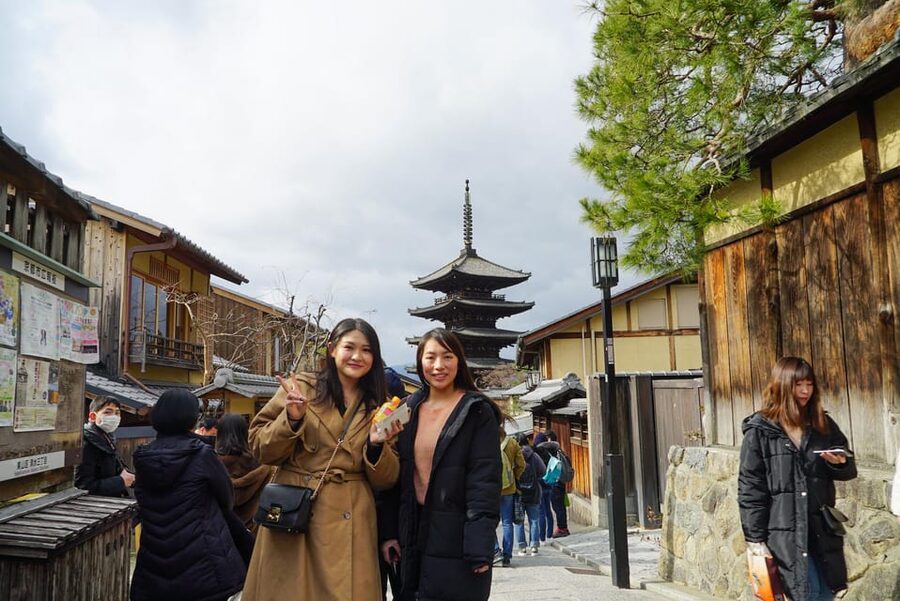
The tour is built around Kiyomizu-dera and the colorful Yasaka Koshin-do, with time on the famous hill-street approach called Kiyomizuzaka. That matters because the “temple experience” in Kyoto doesn’t start at the gate. It starts in the approach—old shops, small snack counters, and the rhythm of people moving toward sacred places.
One caution: the experience includes walking through parts of the area that aren’t wheelchair or stroller friendly. If mobility is an issue, you’ll want to plan for slower pace and possible uneven steps.
You can also read our reviews of more tours and experiences in Kyoto.
From Yasaka-Jinja Nishiromon Gate to the Kiyomizuzaka Streets
Your tour begins at a very specific spot: in front of the statue of Yasaka Shrine, at the Nishiromon Gate. You’ll want to arrive about 10 minutes early so you can find your guide without rushing. The guide holds a board that says MagicalTrip.
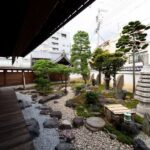
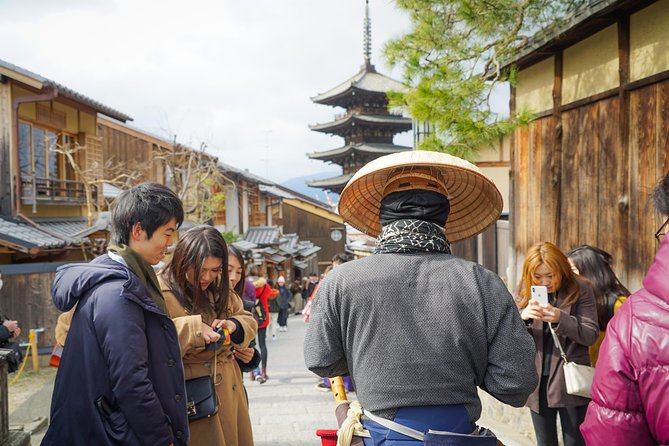
Once you’re gathered, you’ll head into the Kiyomizuzaka area. This is the kind of Kyoto street you come to remember: old teashops, sweet shops, and traditional sellers of sun-dried foods lining the road. And yes, the route passes through parts of Gion’s flow where you might spot maiko and geisha moving through the streets.
The practical win here is context. A guide can help you understand what you’re seeing—what those stalls are, why certain foods and shop types show up here, and how the shrine-temple world connects to daily life. Even if you’re not trying to chase photos all day, the streets set the mood for the religious stops that follow.
Yasaka Koshin-do: The Wish-Ball Temple You’ll Want to Photograph
Next comes the most colorful temple stop in Kyoto: Yasaka Koshin-do. If you’ve ever seen images of hanging balls covered in wishes, this is where that look comes from. You’ll get time to observe the ceiling full of colorful balls, with wishes written on them.
This is one of those Kyoto details that’s easy to miss if you just walk by. With a guide, the moment becomes more than a photo. You learn the idea behind this kind of wish tradition and how it fits into Japanese religious culture—less like a single “religious performance,” more like ongoing hope expressed in public space.
A small timing note: this part of the day also includes breaks and street stops for snacks. That’s good for pacing, but it means you’ll want to keep your camera accessible. You’ll see plenty of “look up” moments here.
Street Snacks and Local Bites Recommended by Your Guide
Between temples, the tour intentionally slows down for food. You’ll stop at several eateries along the streets for local snack sampling. The tour includes a few samplings, and your guide also recommends what to try.
This is a smart way to travel in Kyoto. If you’re hungry, wandering the snack stalls on your own can turn into a guessing game—what’s worth the money, what’s seasonal, what’s actually good. Here, you’re sampling in a guided order, so you can compare flavors and learn how local foods are tied to the walking route and the day’s sights.
And yes, you can buy extra food and drinks, but those aren’t included. The tour is also clear about one thing: bring some cash for extra bites and souvenirs.
Also keep your expectations realistic about dietary needs. The tour can’t guarantee allergy-free meals or substitutions because the food is prepared in kitchens that don’t belong to MagicalTrip. If you have allergies or dietary requests, you’ll need to inform them at least one day before the tour so they can try to mention it.
Kiyomizu-dera: The Water Temple and Otowa Waterfall Moment
Now for the big one: Kiyomizu-dera Temple, known as the Water Temple and listed as a UNESCO World Heritage Site. You’ll visit with your guide, learn the background, and then get the iconic moment: standing on the wooden platform overlooking Kyoto.
Here’s what makes this stop special in a hands-on way. You’re not only seeing structures—you’re connecting the temple to its setting. The temple sits on the site of the Otowa Waterfall, and you’ll visit that area as part of the experience.
From the platform, you’ll admire views that can include cherry and maple trees, plus the city in the distance. Even in seasons that don’t scream cherry blossoms or fall color, the layered viewpoint is part of why people keep returning.
Then comes Otowa Waterfall itself. The tour notes that you’ll be able to drink a cup of its clear water, which is said to bring good luck. One practical detail: there may be a line to visit the waterfall. If you’re the type who gets stressed by queues, build patience into your day.
The wooden platform can be crowded at busy times. A guide’s role is helpful here—helping you time your viewing and understand what you’re seeing beyond the postcard angle.
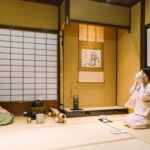
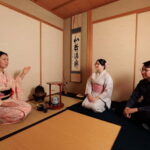
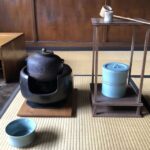
Tea Ceremony in a Traditional Room: Make Matcha, Not Just Watch It
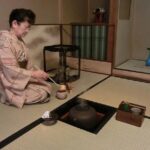
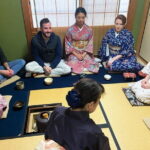
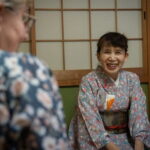
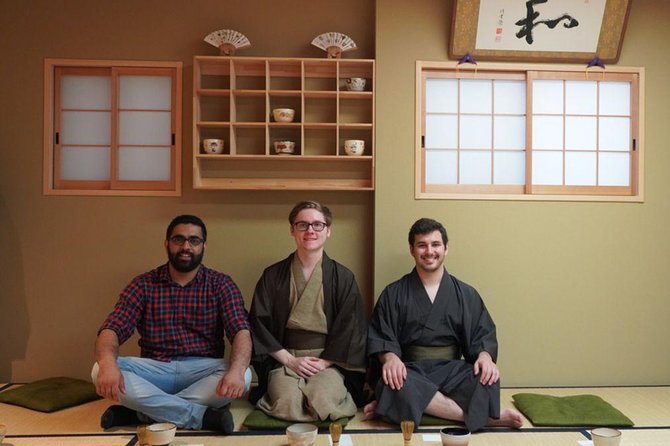
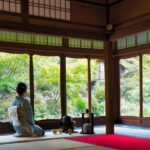
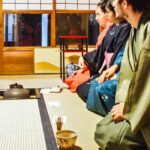
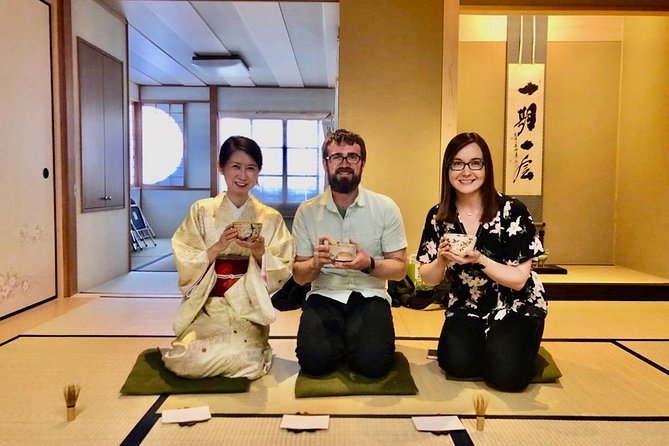
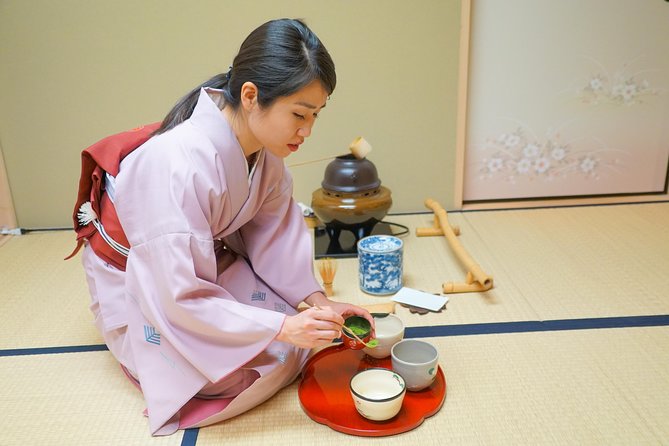
After all that walking and sight time, the tone shifts to hands-on ritual. You’ll do a traditional tea ceremony with Japanese sweets in a sophisticated room surrounded by tea utensils.
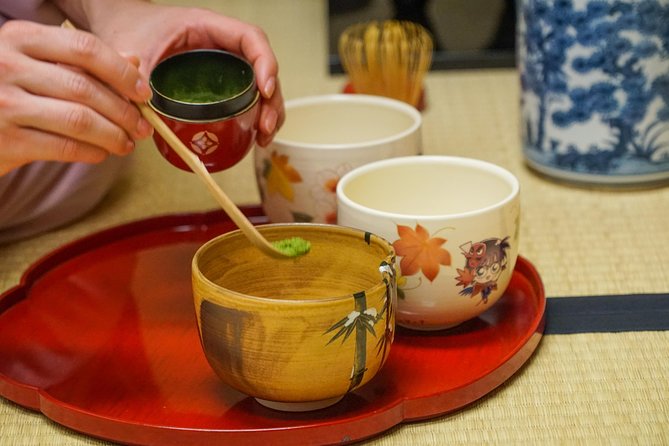
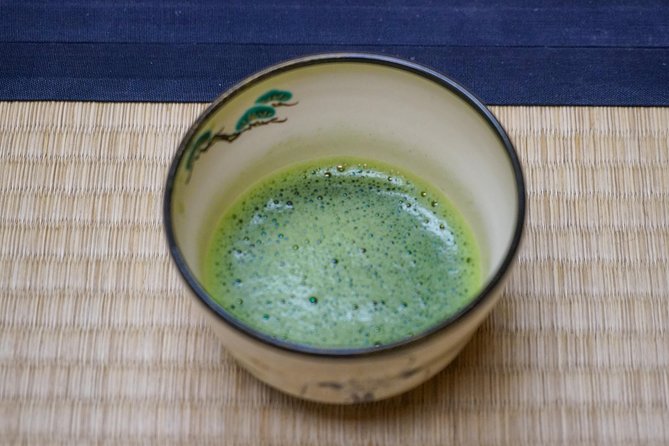
This part is genuinely valuable because it’s not passive. The experience includes learning traditional steps for making matcha, using real utensils like a bamboo tea whisk, and learning about tea bowls that shape the ceremony’s feel and presentation.
Expect to be taught Japanese phrases tied to the ceremony, plus the basic rhythm of how the host style works—how to handle utensils, what the preparation steps mean, and why matcha is treated as more than just a drink.
And you’ll do it too: the experience includes making green tea yourself. That small detail is the difference between “I watched a show” and “I learned a tradition I can try again later.”
If you’re the kind of traveler who likes cultural experiences that don’t rely on museums or screens, this is one of the better uses of time in Kyoto. You get something tactile, calm, and memorable after the busiest street scenes.
Price and Value: Is $63 a Fair Deal for This Mix?
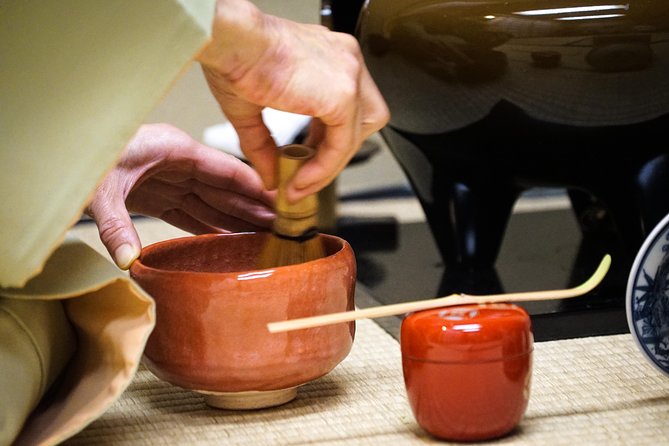
At $63 per person, the pricing works out best when you look at what’s included, not just what you see.
This tour includes:
- Kiyomizu-dera entrance fee
- Tea ceremony experience (with sweets)
- A few samplings
- Photos during the tour
- 3-hour guided experience with an English-speaking local guide
What you should expect to pay extra for: additional food and drinks, plus souvenirs. That’s typical for Japan walking tours, but it’s good that the tour makes it clear you’ll need spending cash if you want more than the samplings.
Is it worth it? For me, it hits value because you’re getting guided interpretation at multiple points—temples, street areas, and the tea ceremony. If you were to do Kiyomizu-dera on your own, find your way to a comparable tea workshop, and handle snack stops without help, the “time saved” piece is real.
In short: this isn’t a budget-only plan, but it’s not overpriced for the included ceremony and paid entrance.
Timing, Lines, and Summer Heat: The Stuff That Makes or Breaks the Day
This tour starts promptly, and the guide expects you to be there on time. That matters because the experience is already scheduled tightly around walking and a tea session.
Also factor in these realities:
- The Otowa Waterfall stop can have a line, so you may wait a bit.
- Summer in Japan can be very hot and humid, so bring water and consider a hat to reduce heat stress.
- There are some stops that are not accessible by wheelchair or stroller, so plan for stairs or uneven paths.
If you’re traveling in the hotter months, you’ll feel the difference between a group tour and solo exploring. Your guide helps you pace the day, and you’ll get more frequent “reset” moments, especially during snack stops and the tea ceremony.
One more practical note: the tour includes photos during the experience. If you rely on your phone battery for the rest of Kyoto, bring a small charger or at least save power for after the tea session.
Who This Kyoto Tea and Temple Walk Is Best For
This tour fits best if you want a structured Kyoto hit without turning the day into a route-planning project.
You’ll likely enjoy it if:
- You want two temple experiences (Yasaka Koshin-do and Kiyomizu-dera) plus the tea ceremony in one guided loop
- You like learning what you’re looking at, especially the connection between religious traditions and street culture
- You want a mix of calm (tea room) and color (wish balls, temple views, Kiyomizuzaka street life)
It may not be ideal if:
- You need a fully stroller/wheelchair accessible plan due to areas that aren’t accessible in parts of the itinerary
- You have serious dietary restrictions and need guaranteed allergy-free options, since the tour can’t ensure this
Should You Book This Kyoto Tea Ceremony and Kiyomizu-dera Tour?
Yes, if you want a 3-hour guided mix that actually covers the “why” behind the sights—temples with meaning, then a real tea ceremony where you make matcha. The UNESCO stop at Kiyomizu-dera, the wish-ball color of Yasaka Koshin-do, and the hands-on tea part create a good balance of memorable visuals and cultural learning.
Think twice if you’re tightly managing mobility issues, or if you need strict dietary safety guarantees. In those cases, I’d message ahead and be upfront about needs—but still go in knowing the tour doesn’t promise allergy-free or guaranteed substitutions.
If you’re flexible and ready for walking through Kyoto’s classic streets, this is a solid way to spend a half-day—seeing the main icons while picking up practical context you can carry into the rest of your Kyoto stay.
FAQ
Where does the tour start?
You meet in front of the statue of Yasaka Shrine at the Nishiromon Gate. Arrive about 10 minutes early, and look for the guide holding a board that says MagicalTrip.
How long is the tour?
The experience is a 3-hour guided tour.
What’s included in the price?
It includes the Kiyomizu-dera entrance fee, the tea ceremony experience, a few samplings, photos during the tour, and a guided visit.
Is food and drink included?
Only a few samplings are included. Extra food and drinks are available for purchase, and the tour notes that you should bring cash for additional items and souvenirs.
What about dietary restrictions or allergies?
The tour can’t guarantee allergy-free or fully accommodate dietary restrictions because food is prepared in kitchens that do not belong to MagicalTrip. If you have dietary requests or allergies, you should inform them at least one day before the tour.
Is the tour accessible for wheelchairs or strollers?
Some locations on the route are not accessible by wheelchair or stroller, so accessibility is limited.
Is there an age limit?
Children under 6 years old are not allowed on this tour.
Is there a chance of waiting for Otowa Waterfall?
Yes. It’s possible there will be a line to visit the Otowa Waterfall.