REVIEW · KYOTO
Authentic Tea Ceremony & Sushi in The Museum of Kyoto
Book on GetYourGuide →Operated by ideal co.,ltd · Bookable on GetYourGuide
Two rituals, one quiet room. This Kyoto experience pairs fresh sushi with a guided tea ceremony in near-silence. I like that the sushi is prepared right in front of you, and I love the hands-on moment where you whisk matcha yourself. A key consideration: it is not a fit for everyone, since it’s not suitable for vegans or vegetarians.
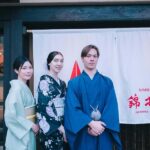
You’re also dressed for the occasion with a traditional haori (kimono-style jacket) and guided through the point of chanoyu—utensils, etiquette, and the meaning behind the small gestures. The setting helps: you’ll move into a traditional Japanese house on the basement floor with views of a carefully made miniature garden. If you’re going with very picky eaters, or you need kid-friendly flexibility, plan around the age and dietary limits.
In This Review
- Key things to know before you book
- Sushi Shin in The Museum of Kyoto: where your Kyoto calm begins
- Master-chef sushi: what you’re actually paying for
- The basement Edo-house tea ceremony: the moment everything slows down
- Your haori and the etiquette basics that make the tea feel real
- Whisking premium matcha: the hands-on step most people remember
- Kyoto sweets + matcha pairing: small taste choices, big difference
- Itinerary flow you can plan around (11:00 vs 13:30)
- Food rules and who this is (and isn’t) for
- Price and value: does $133 make sense here?
- Should you book this Kyoto tea-and-sushi session?
- FAQ
- FAQ
- Where is this experience located?
- How much does it cost?
- What time sessions are available?
- When will the sushi be served?
- What should I expect during the tea ceremony?
- Is the haori included?
- What languages are offered?
- What’s included with the matcha?
- Who can’t participate?
Key things to know before you book
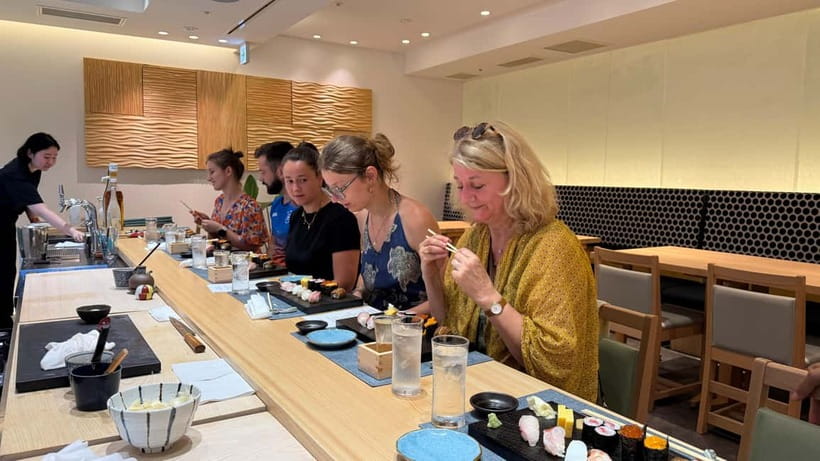
- Sushi timing flips by session: 11:00 serves sushi at the end; 13:30 starts with sushi.
- You whisk the matcha yourself, after learning the basics and utensils.
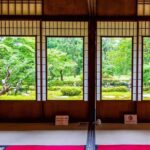
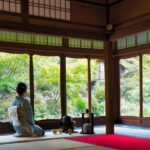
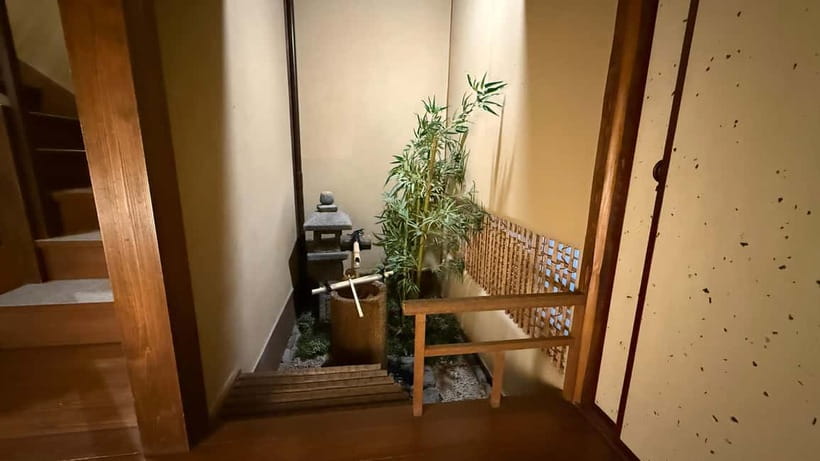
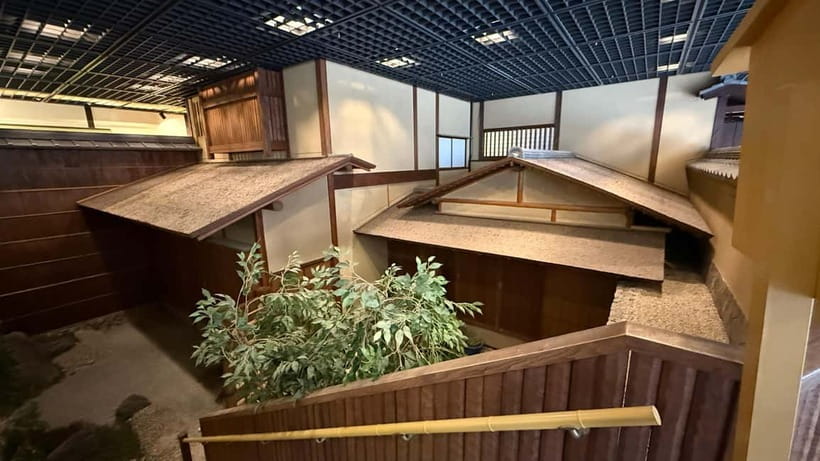
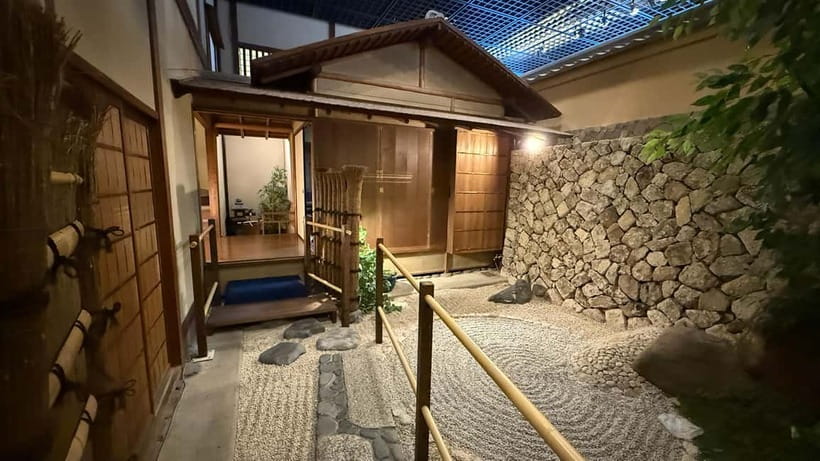
- Edo-period style house on the basement floor, with a meticulously designed miniature garden view.
- You wear a traditional haori, so the experience feels more ceremonial than a standard restaurant meal.
- Premium matcha and Kyoto sweets are included, and the matcha quality is a standout in feedback.
Sushi Shin in The Museum of Kyoto: where your Kyoto calm begins
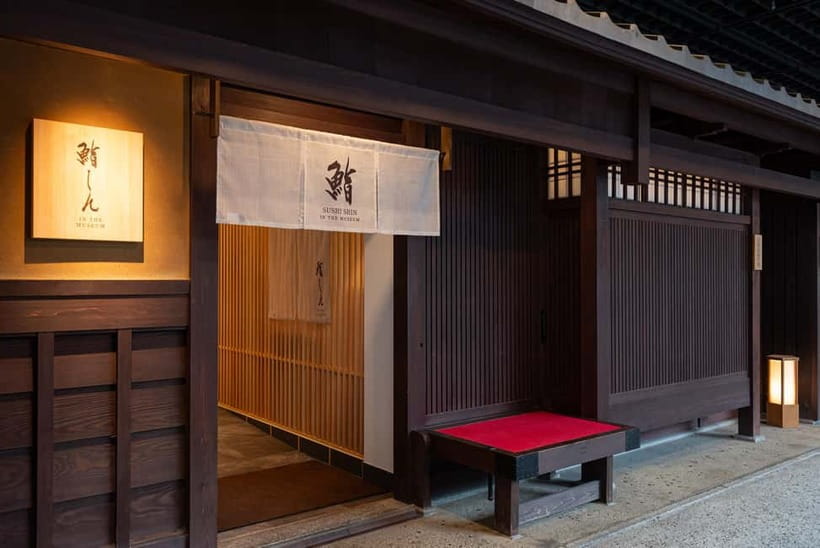
Start at the sushi restaurant Sushi Shin inside The Museum of Kyoto. This is a nice structure because you’re not bouncing across town for two separate experiences. The museum location also makes it easy to slot in before or after other Kyoto sightseeing.
The big advantage here is focus. You begin with sushi, then you shift into tea ceremony mode—same building, totally different tempo. Expect the mood to get quieter as the tea part starts, with a more deliberate pace and lots of guidance on what you’re seeing and doing.
You can also read our reviews of more tours and experiences in Kyoto.
Master-chef sushi: what you’re actually paying for
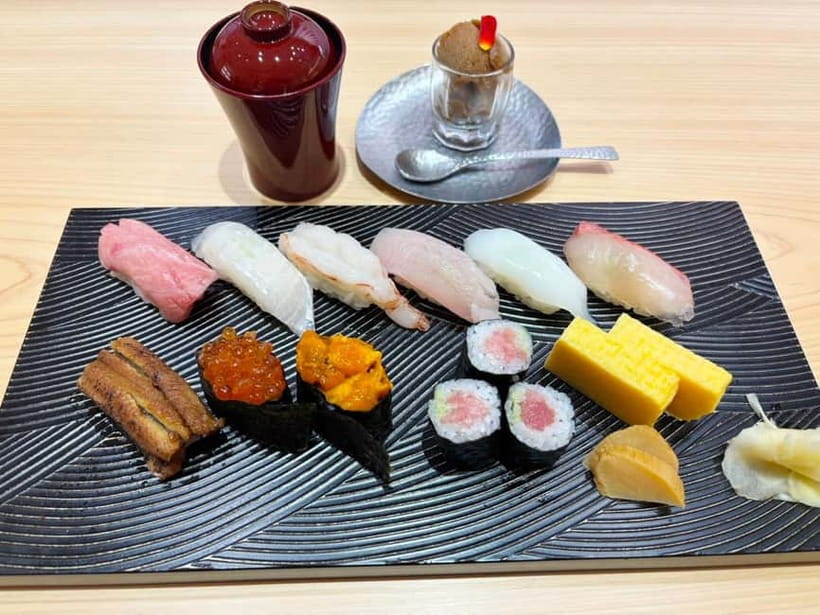
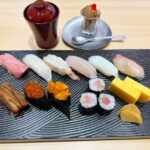
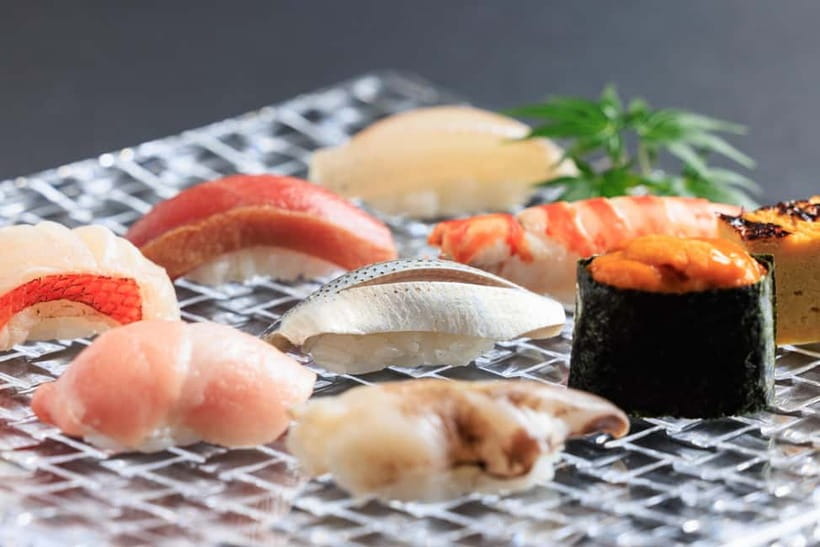
You’re paying for more than a meal. You’re paying for someone trained to make sushi look simple while it isn’t. The experience is set up so you can enjoy sushi crafted by a master chef, and the cooking happens in front of you, which adds theater without turning into a show.
One practical note: the order depends on your session time.
- For the 11:00 session, sushi is served at the end.
- For the 13:30 session, sushi is served at the beginning.
So if you know you like to start with food and settle in for the tea ceremony, the 13:30 timing is often the smoother choice. If you prefer to begin with the tea experience and finish with sushi, go with 11:00. Either way, you still get both.
In value terms, the $133 per person feels easier to justify when you consider you’re not getting a generic bento and a quick matcha cup. You’re getting a master-chef sushi component plus a guided tea ceremony with utensils, matcha preparation, and sweets.
The basement Edo-house tea ceremony: the moment everything slows down
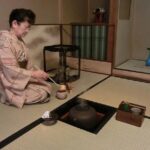
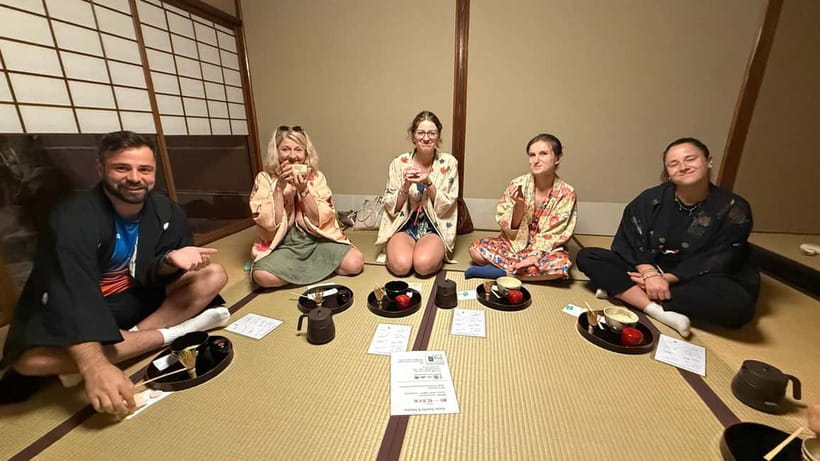
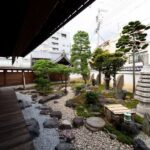
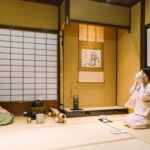
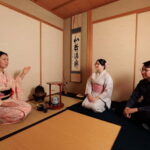
After sushi (or before it, depending on the session), you’ll be guided to a traditional Japanese house on the basement floor. The atmosphere is described as elegant and Edo-period in feel, and the space is designed so you can look out toward a meticulously designed garden.
That garden view matters more than you might think. Tea ceremony is built around attention—how light falls, how sounds fade, how you hold your cup. A calmer room helps you participate instead of just watching. It’s also one of the reasons people come away feeling like the experience is more cultural than just food.
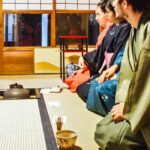
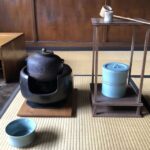
You’ll also get a guided explanation of the history and culture behind chanoyu and the utensils used in the ceremony. This is useful even if you know nothing about tea rules. You’ll understand what you’re doing and why your movements matter, rather than treating it like a performance you have to survive.
Your haori and the etiquette basics that make the tea feel real
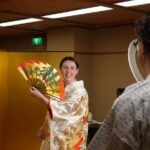
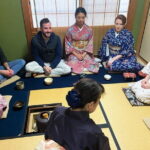
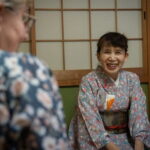
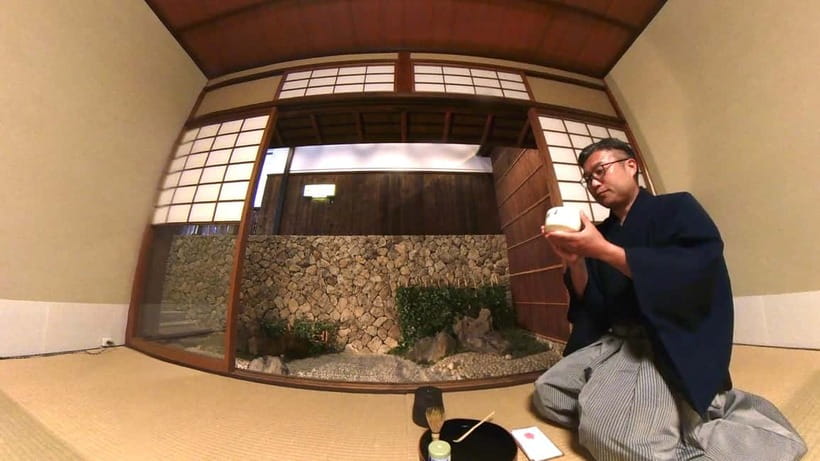
One of the more memorable touches is that you wear a traditional haori (kimono-style jacket). It’s not just a costume. In practice, it helps you slow down and behave like you’re in a different setting with different manners.
During the ceremony, you’ll get an introduction to the tea utensils used in chanoyu. You’ll also learn key context for how tea culture developed—at least enough to understand what you’re looking at and what the steps are meant to accomplish.
The tone is guided, not strict. Think: supportive instruction with enough structure that you don’t feel lost. That balance is what makes the hands-on part work.
Whisking premium matcha: the hands-on step most people remember
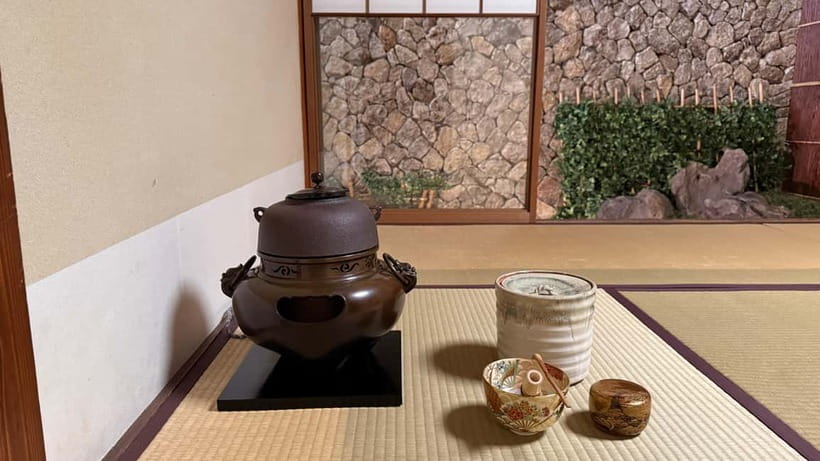
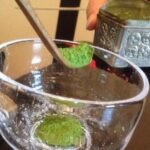
Now for the part that sticks: you’ll whisk your own matcha. Before you do it, you’ll get explanation on what’s happening and what the tools are for. Then you do it yourself, together with the group, and you get to enjoy the result.
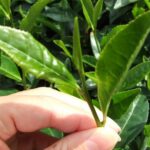
The matcha you receive is described as premium and rare, and it’s paired with traditional sweets. The pair is intentional. The sweetness has a role in balancing matcha’s character—so you’re not just tasting matcha in isolation. This is also where the Kyoto factor shows up: you’re eating sweets that fit the ceremony rather than treating dessert like an afterthought.
One more practical tip: take your time during the whisking and sip slowly after. People rush this part when they’re excited. But the whole point is controlled calm, and the ceremony does a better job when you match its pace.
Kyoto sweets + matcha pairing: small taste choices, big difference
Included in your experience are Kyoto sweets and the finest matcha. This pairing is worth paying attention to because it’s how the ceremony’s flavor logic shows up in real life: matcha brings depth and structure, while the sweet gives contrast and helps you keep enjoying the taste as it changes across sips.
If you like to compare flavors, this is a good chance to notice the shift between first sip and later sip. Matcha changes in your mouth as the temperature and texture settle, and the sweets help keep the experience from becoming one-note.
Also, if you’re sensitive to bitterness in matcha, don’t panic. The inclusion of traditional sweets is meant to create a more balanced tasting rhythm.
Itinerary flow you can plan around (11:00 vs 13:30)
Here’s the structure you’re following, in a way that helps you plan your day:
Meeting point
- You start at the sushi restaurant Sushi Shin inside The Museum of Kyoto.
- You end back at the same meeting point.
11:00 session
- Sushi is served at the end.
- You’ll spend the earlier part with the tea ceremony sequence.
13:30 session
- Sushi is served at the beginning.
- Then you shift into the tea ceremony.
Why this matters: if you’re hungry at the start of your Kyoto day, 13:30 can feel more comfortable. If you want to start with a calmer, slower cultural moment, the 11:00 timing may feel better. Either way, you’re getting the same core components—haori, utensils explanation, garden view, matcha whisking, and Kyoto sweets.
Food rules and who this is (and isn’t) for
This experience isn’t suitable for:
- Vegans
- Vegetarians
- Children under 10
- People over 95
If you’re traveling as a mixed group, double-check dietary needs before you commit. Sushi typically involves fish and other animal ingredients, so vegetarian or vegan guests won’t be able to participate as designed.
If you’re with kids under 10, it’s not the right match either—this is more structured and ceremonial, and the content assumes you can follow along.
If you’re older, note the upper age limit and plan accordingly. If you’re within the age range, the pace is still structured, so you’ll want to be comfortable sitting through the tea ceremony portion.
Price and value: does $133 make sense here?
$133 per person is not a budget number, but it also isn’t just for a standard meal. You’re buying three things at once:
- Master-chef sushi (made in front of you)
- A guided chanoyu experience with utensil context and a garden-view setting
- Hands-on matcha plus Kyoto sweets
This is a smart value proposition if you want Kyoto culture in one block without wasting time on transfers. You also get included items that normally cost extra if you try to piece it together—like the haori and the structured explanation.
If you mainly want to eat well and don’t care about the ceremonial component, you may feel the price is higher than needed. If you’re looking for an experience that slows your day down and gives you something to remember beyond taste, it’s easier to justify.
Should you book this Kyoto tea-and-sushi session?
I’d book it if you want both sides of Kyoto—food craft and tea ritual—in one calm, guided package. The best part is how much is hands-on: you don’t just watch matcha being made, you whisk it yourself. And the sushi part is treated seriously, with preparation happening right in front of you.
Skip it if you’re vegan/vegetarian, traveling with a child under 10, or you need a more casual, no-rules experience. Also consider that the ceremony is built around quiet focus, so it’s not the right fit if you’re expecting loud entertainment.
FAQ
FAQ
Where is this experience located?
It takes place in Honshu, Japan, starting at the sushi restaurant Sushi Shin inside The Museum of Kyoto.
How much does it cost?
The price is $133 per person.
What time sessions are available?
There are sessions at 11:00 and 13:30.
When will the sushi be served?
For the 11:00 session, sushi is served at the end. For the 13:30 session, sushi is served at the beginning.
What should I expect during the tea ceremony?
You’ll be guided to a traditional Japanese house on the basement floor, learn about the history and culture behind chanoyu and the utensils, whisk your own matcha, and enjoy it with traditional sweets.
Is the haori included?
Yes. You’ll wear a traditional haori (kimono-style jacket) as part of the experience.
What languages are offered?
English and Japanese.
What’s included with the matcha?
Kyoto sweets and the finest matcha are included, and you’ll also receive an introduction to the tea utensils used.
Who can’t participate?
It is not suitable for vegans, vegetarians, children under 10, and people over 95 years old.