REVIEW · TOKYO
Tokyo, Asakusa: Tea Ceremony and Sweets Making Class
Book on GetYourGuide →Operated by BUB Activity Center · Bookable on GetYourGuide
A kimono and matcha, minus the chaos. This Asakusa class pairs a traditional tea ceremony with hands-on nerikiri wagashi you make yourself, plus time to talk with an English-speaking tea expert.
I really like the kimono dressing part because the staff helps you get into the look without fuss. I also like that you pick the colors and shapes for your wagashi, so it feels personal—not performative.
The only real drawback: it is just 1 hour (15:30 to 16:30), so go in ready to enjoy slowly, not to do a second activity afterward nearby.
In This Review
- Key Points You’ll Care About in Asakusa
- Why This Asakusa Tea Ceremony Feels Relaxed
- Meeting at Heiwa Building: The Simple Way to Not Get Lost
- Kimono Dressing: Quick Help, Better Comfort
- Making Nerikiri Wagashi: Designing Sweets Like Small Artwork
- Matcha Time: Whisking, Tasting, and Tea Talk
- Photography in Your Kimono: What to Capture
- Value for $67: What You Really Get in 60 Minutes
- Vegan and Halal-Friendly Wagashi: A Real Convenience
- Rules to Keep the Experience Calm
- Who This Class Suits Best (and Who Might Feel Rushed)
- Should You Book This Asakusa Tea Ceremony Class?
- FAQ
- Where is the meeting point in Asakusa?
- How long is the experience?
- What’s included in the $67 price?
- Is transportation included?
- Is it okay if I have no prior experience?
- Is this class vegan or halal friendly?
- What should I expect to eat?
- Are alcohol or drugs allowed?
- Can I pay later or cancel if my plans change?
Key Points You’ll Care About in Asakusa
- Kimono dressing support so you feel graceful and comfortable from the start
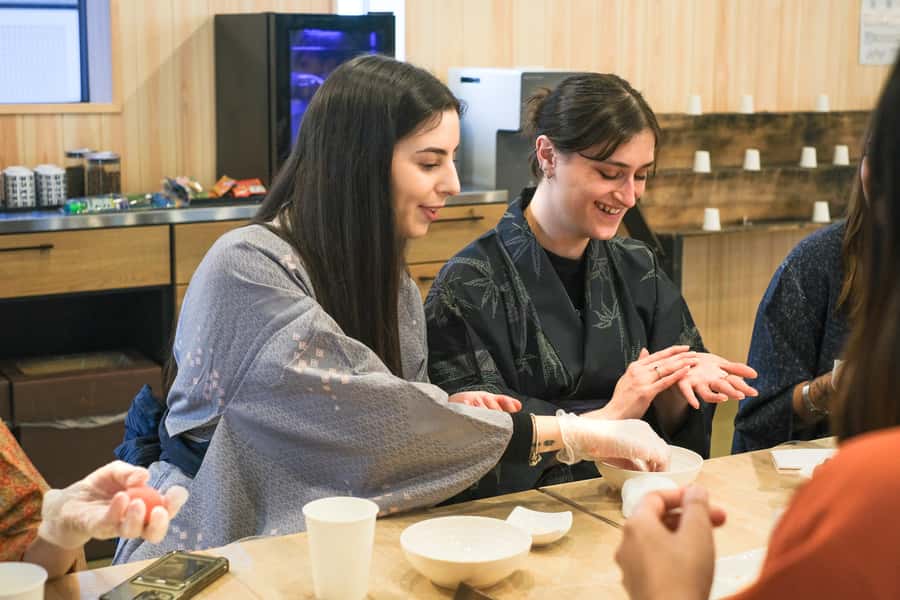
- Nerikiri wagashi creation with choices for color and shape, making it great for photos
- Guided matcha preparation at a calm pace with an English-speaking expert
- A focused tea conversation that goes beyond instructions into the meaning of the ritual
- Vegetable-based wagashi ingredients make it vegan and halal-friendly
Why This Asakusa Tea Ceremony Feels Relaxed
Tokyo can move fast. This experience is designed to feel the opposite: no rush, no chaos, and no sense that you’re being herded through a checklist. You show up, get dressed, make sweets, then slow down for matcha—like someone invited you into a small moment of Japanese everyday culture.
What makes it stand out is the balance of doing and learning. You are not only watching a tea demonstration. You are also shaping nerikiri wagashi, then whisking matcha and chatting with the person guiding you. That combination matters because it turns tea from a concept into something you actually experience with your hands and senses.
One more detail I appreciate: it’s built around comfort. The kimono portion includes staff assistance, so you are not left figuring out the clothing part on your own. When people skip that, the ritual becomes stressful. Here, it’s meant to feel serene.
You can also read our reviews of more tours and experiences in Tokyo.
Meeting at Heiwa Building: The Simple Way to Not Get Lost
This is a one-hour class, so logistics matter. The meeting point is very specific: take an elevator to the 5th floor of the Heiwa building. The elevator is right by a Lawson store, near ramen, and in the same building as karaoke.
If you’re the kind of person who hates arriving late, here’s your practical move: plan to get there early enough to find the Lawson-adjacent elevator and settle in before the class starts. The good news is that the directions are straightforward, and you can contact the provider if you have trouble finding it.
Also note the round-trip flow: the activity ends back at the meeting point. That’s helpful because you do not need to figure out onward transport based on the class ending location.
Kimono Dressing: Quick Help, Better Comfort
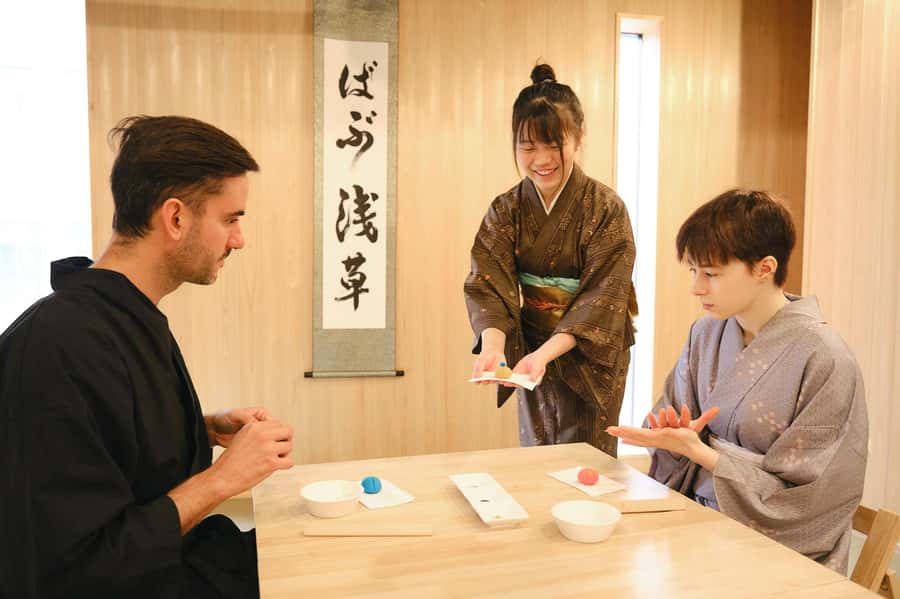
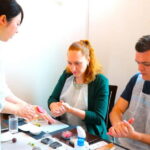
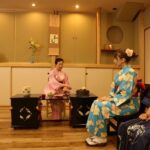
The kimono moment is one of the best parts of the class because it sets the tone right away. You begin by selecting a kimono from a curated collection, then the staff assists you with dressing.
I like this approach for two reasons. First, it removes the intimidation factor. Even if you’ve never worn a kimono before, you do not need prior experience. Second, it’s not just about looking good. The goal is to help you feel comfortable while you move through the making and tea parts.
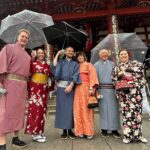
You’ll also get the advantage of having your outfit ready for photos. The experience is structured so you are in your kimono for the key moments—wagashi shaping and matcha time—so you don’t feel rushed to change outfits later or scramble for pictures.
Making Nerikiri Wagashi: Designing Sweets Like Small Artwork
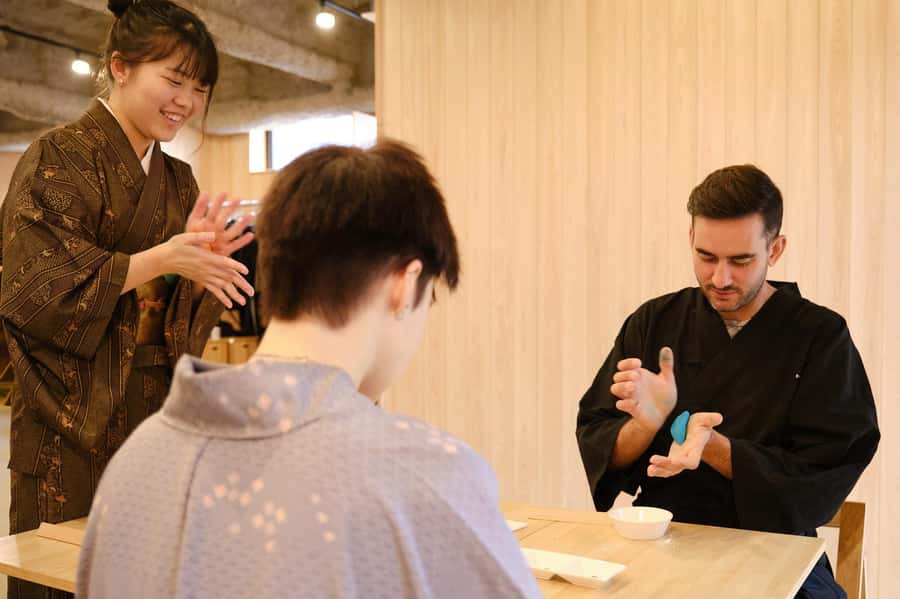
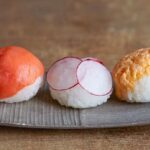
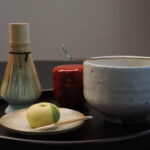
Next comes nerikiri wagashi, the sweet you’ll craft with your own choices. You’ll pick the colors and shapes, then make it into something that looks like a small piece of edible art.
This is more than a cooking class. Nerikiri is all about form and careful detail, so you naturally slow down. That matters because tea culture is not only about taste—it’s about attention. When you shape the wagashi, you’re practicing patience in a gentle, creative way.
Here’s what you should expect in practical terms:
- You’ll work step by step with guidance from the class team.
- You’ll make choices (colors and shapes), which helps your final piece feel like yours.
- You’ll have something tangible to remember from the experience.
For photography lovers, this is a strong moment. Wagashi tends to hold color and shape well in pictures, and your personal design choices create a more interesting story for your photo set than a one-size-fits-all sweet.
Matcha Time: Whisking, Tasting, and Tea Talk
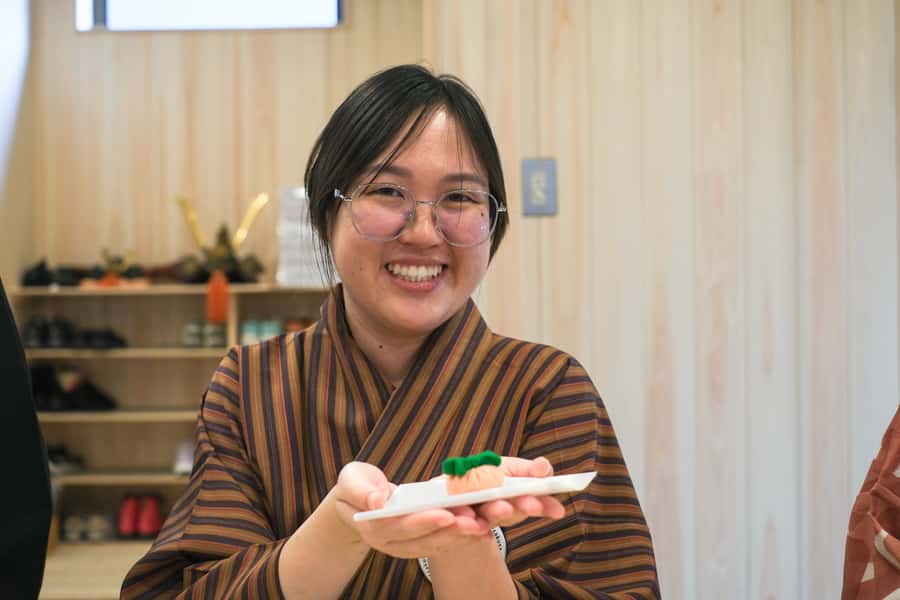
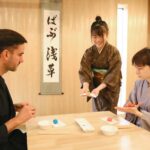
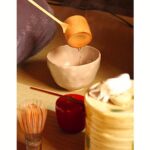
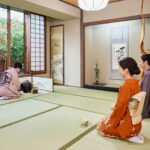
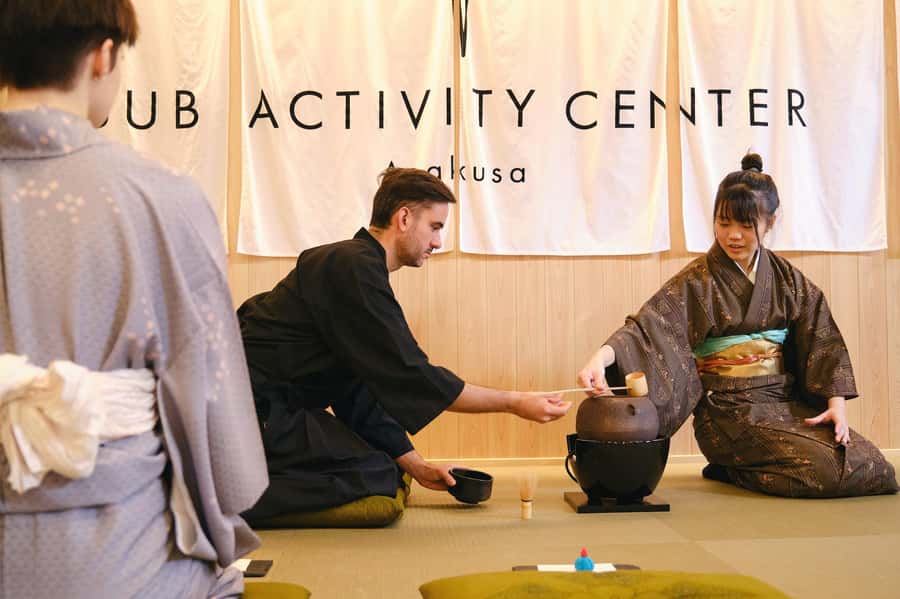
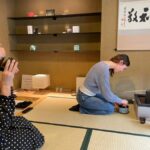
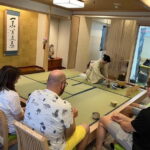
After the wagashi, you shift into the matcha tea ceremony portion. A tea expert guides you through making matcha—whisking and preparing it—and then you enjoy the tea.
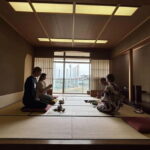
The calm part is the point. You’re not in a loud room doing a speed run. It’s a serene session with time built in to talk. Since the expert is English-speaking, you can ask questions and get context without relying on guessing.
This is where the class becomes more valuable than a simple demo. Tea ceremony can sound like a set of rules. Here, the conversation is meant to help you understand why the ritual matters—what it’s trying to cultivate in the person drinking and making it.
A small but important detail: the experience includes the matcha tea ceremony, but it does not include meals beyond the wagashi. So think of the wagashi as your included sweet, not as a full meal replacement.
Photography in Your Kimono: What to Capture
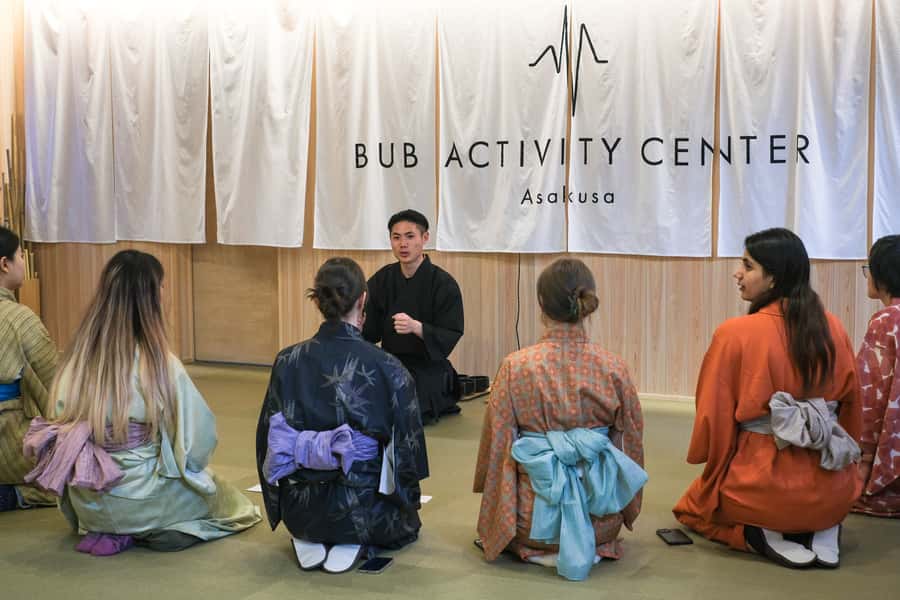
Your kimono isn’t just costume. The class is set up so you can capture elegant memories while you’re dressed for the occasion. That means you’ll likely want to take photos at two key points: while your wagashi is taking shape and when you’re seated for matcha.
A practical tip: shoot a few close-ups of your finished wagashi right after you finish it, when the colors still look crisp. Then grab a couple of wider shots in your kimono during the tea portion, where the scene feels more traditional.
Also, keep your phone easy to access. You’ll be moving through steps during wagashi making, and it’s frustrating to pause repeatedly to find your camera.
Value for $67: What You Really Get in 60 Minutes
Price is $67 per person, and it’s worth evaluating what’s bundled. For that amount, you get:
- Kimono dressing assistance
- Wagashi making (nerikiri)
- Matcha tea ceremony
- An English-speaking expert guide
Transportation is not included, and meals other than the wagashi are also not included. But in terms of guided cultural experiences in Tokyo, this package is focused and efficient. You’re paying for three connected parts that require skill and time: dressing, sweet-making, and tea preparation.
The 1-hour length is both a strength and a limitation. It’s a strength because you can fit it into an afternoon without committing to a half-day plan. It’s a limitation because you won’t have hours to relax between steps. If you want a longer, slower tea immersion, this may feel quick. If you want a meaningful snapshot with guided learning, it’s a solid value.
One more note: the experience is rated 4.7 based on 3 reviews. Even with only a few reviews, the feedback leans positive and the overall score suggests people feel they got what they came for.
Vegan and Halal-Friendly Wagashi: A Real Convenience
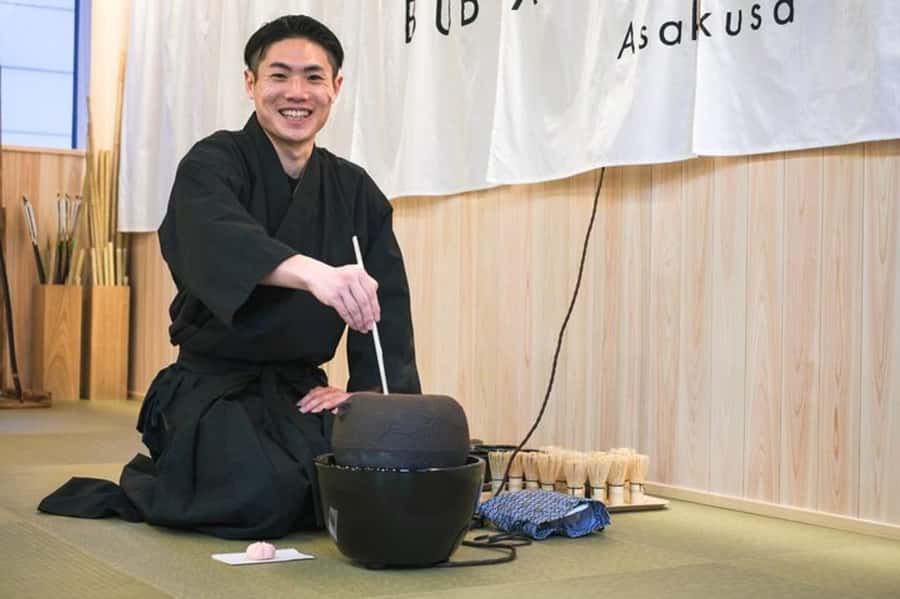
This class is suitable for vegans and halal customers. The information is clear: all coloring and ingredients for the sweets are vegetable-based.
That’s a big deal for travelers because sweets can be a tricky area in Japan when you’re relying on labels you might not fully read. Here, you get a straightforward assurance that your wagashi ingredients fit vegan needs, and it is also positioned as halal-friendly.
If dietary fit is important to your trip planning, this is one of the reasons to book with confidence.
Rules to Keep the Experience Calm
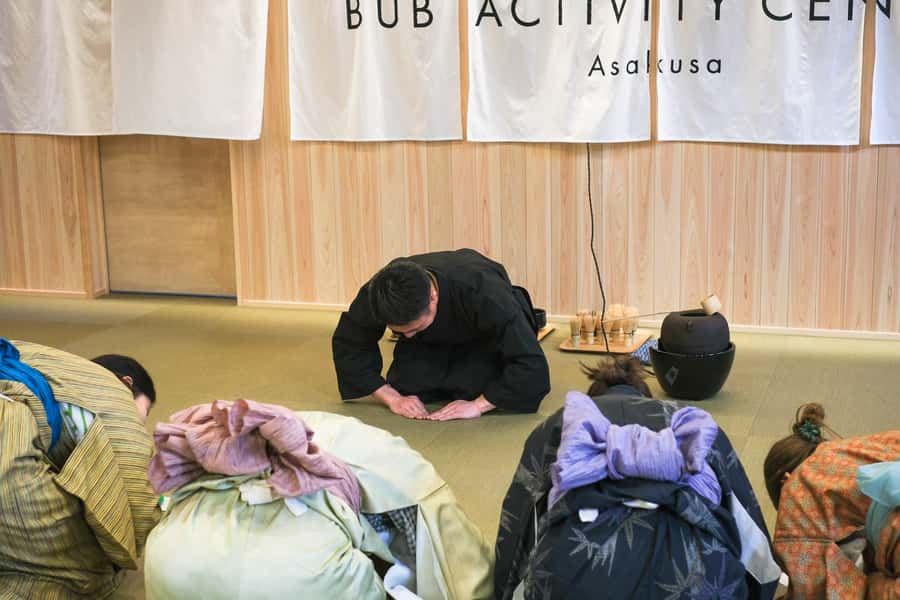
No alcohol and drugs are allowed. That aligns with the whole tone of the class—serene, focused, and respectful of the ritual.
If you’re the type who likes your cultural experiences to feel “proper” rather than party-like, you’ll probably appreciate that the rules help keep the room calm.
Who This Class Suits Best (and Who Might Feel Rushed)
This experience is a great fit if you want:
- A short, structured Japanese cultural activity in Tokyo
- Hands-on making time (not just watching)
- An English-speaking guide so you can ask real questions
- A kimono experience that emphasizes comfort, not stress
It’s less ideal if you want a long, deeply ceremonial session with extended silence, or if you’re looking for a full day of sightseeing. Since it runs 15:30 to 16:30, you’ll want to plan your other activities around that time.
Also, because transportation is not included, make sure you’re comfortable handling your own route to the Heiwa Building elevator area.
Should You Book This Asakusa Tea Ceremony Class?
Yes, if you want a compact, well-organized cultural experience that includes the key ingredients: kimono dressing support, nerikiri wagashi you design, and matcha with an English-speaking tea expert. The vegan/halal-friendly ingredient info is a practical bonus that makes booking easier.
I’d also book it if your travel style is calm and hands-on. This isn’t a frantic attraction. It’s built for one small group of moments—clothing, sweets, tea—done at a pace that keeps you present.
If you’re hoping for a multi-hour, fully immersion-style ceremony, you might feel it is too short. But for most visitors who want something authentic they can do themselves, it’s a smart use of time in Asakusa.
FAQ
Where is the meeting point in Asakusa?
You start at the Heiwa building. Take the elevator to the 5th floor. The elevator is right next to a Lawson store near ramen, in the same building as karaoke.
How long is the experience?
It lasts 1 hour, running from 15:30 to 16:30.
What’s included in the $67 price?
You get kimono dressing, wagashi making (nerikiri), a matcha tea ceremony, and an English-speaking expert guide.
Is transportation included?
No. Transportation to the venue is not included.
Is it okay if I have no prior experience?
Yes. No prior experience is necessary.
Is this class vegan or halal friendly?
Yes. It is suitable for vegans and halal customers, and the colorings and ingredients used for the sweets are vegetable-based.
What should I expect to eat?
You’ll have wagashi included, but meals other than the wagashi are not included.
Are alcohol or drugs allowed?
No. Alcohol and drugs are not allowed.
Can I pay later or cancel if my plans change?
You can reserve and pay later. You can cancel up to 24 hours in advance for a full refund.