REVIEW · TOKYO
At an Antique Shop, Tea Ceremony and Japanese Sweets Forming
Book on GetYourGuide →Operated by Beautifuldaytours LLC. · Bookable on GetYourGuide
A 100-year-old shop changes the whole mood. This tea ceremony and wagashi forming experience pairs classic Japanese sweets with a museum-like setting where the tableware feels truly special.
I particularly love the chance to choose your teacups—some are described as several hundred years old—so the experience starts with a small moment of wonder before you even sit down. I also like that you’ll do Nerikiri wagashi hands-on, not just watch. You form colored mochi-flour dough and add fine lines to match the day’s seasonal design theme.
One thing to think about: this isn’t wheelchair-friendly, and it’s not for people with vertigo or epilepsy, plus it won’t work if you’re feeling unwell.
In This Review
- Key Highlights You’ll Actually Care About
- Why This Antique-Shop Tea and Wagashi Class Feels Different
- Arriving Near Nippori Station and Settling Into a 100-Year-Old Roadside Shop
- Nerikiri Wagashi in a Classroom of Craft Tools
- Choosing Antique Teacups and Understanding Matcha Time
- What the $57 Includes (and What Costs Extra)
- Who This Is Best For (and Who Should Skip It)
- Should You Book This Tea Ceremony and Wagashi Class at an Antique Shop?
- FAQ
- How far is the meeting point from Nippori Station?
- What age is this experience for?
- What do I make during the wagashi portion?
- Is the tea ceremony included, and what do I drink?
- What is included in the price?
- What languages are offered?
- Is it suitable for wheelchair users or people with vertigo?
Key Highlights You’ll Actually Care About
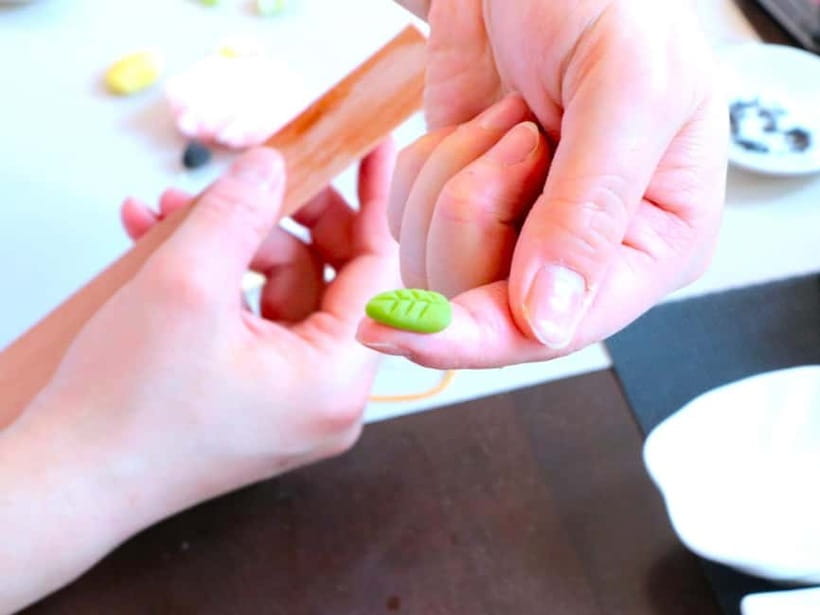
- Nerikiri wagashi hands-on forming: mold colored mochi flour like clay and refine details by hand
- Teacup selection: pick from antique cups, including ones noted as several hundred years old
- Tea ceremony in a dedicated room with chairs: designed for sitting comfortably, not floor-style
- Conversation is part of the ritual: ask questions to make the tea time richer
- Calm, guided pacing: good for beginners who want a structured, soothing experience
- Antique-shop atmosphere: you’re not doing this in a generic apartment room
Why This Antique-Shop Tea and Wagashi Class Feels Different
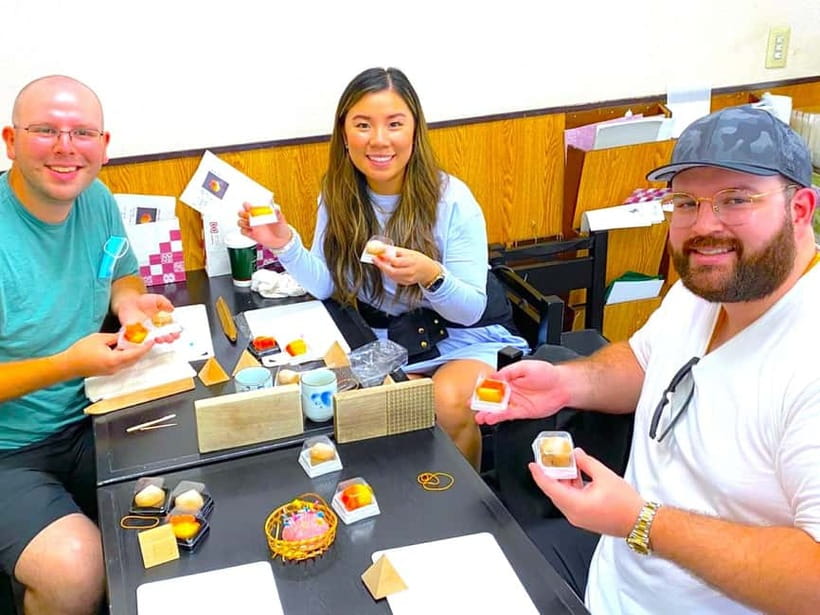
If you’ve done tea experiences in big, polished studios, you might be missing a key ingredient: atmosphere. Here, the tea and sweets happen in a roadside antique store said to be about 100 years old. That means the room doesn’t feel like a set. It feels like a place where objects have lived through real years.
That matters because tea and wagashi are slow by nature. You need a setting that supports quiet focus. In this shop, you’re encouraged to take your time first and look at the antique tableware before you start shaping sweets. It’s a simple instruction, but it sets the tone fast: slow down, observe, then create.
I also like the practical balance of the experience. You do a beginner-friendly sweets project with careful guidance, then you move into a tea ceremony that’s meant to be interactive rather than performative. You’ll get served confection and then real matcha, and you’re invited to ask questions.
And yes—the fact that CNN interviewed the shop is a sign this place has a real story, not just a scripted activity.
You can also read our reviews of more tours and experiences in Tokyo.

Arriving Near Nippori Station and Settling Into a 100-Year-Old Roadside Shop
Meeting point is about 10 minutes from Nippori Station. You’ll get the specific details after booking, and the activity ends back at the meeting point—so you don’t have to worry about awkward last-mile navigation.
The first real “welcome” is not a briefing. It’s the chance to browse. You’re asked to take your time and look at the antique tableware first. That’s more than waiting around. When you’re about to handle teacups later, seeing the shop’s objects upfront helps you appreciate what you’re choosing.
A few practical rules show this is run like a careful craft space, not a party venue. No smoking, no intoxication, and no unaccompanied minors. Chewing gum is also not allowed. Bare feet are not allowed. And there are restrictions around kids: the program requires you to be at least 13, and anyone under 18 must come with an adult.
Also, plan for timing: even if you’re late, the experience ends at the scheduled time. That means it’s worth building in a little buffer after you arrive near Nippori.
Finally, note the big “know before you go” safety items: it’s not suitable for wheelchair users, people with vertigo, epilepsy, or if you have a cold. If you’re unsure, treat those as hard limits, not suggestions.
Nerikiri Wagashi in a Classroom of Craft Tools
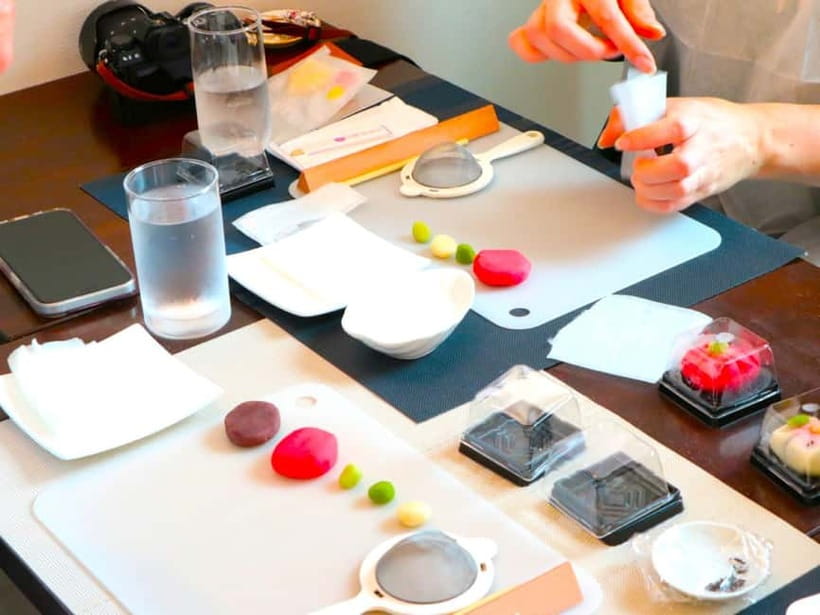
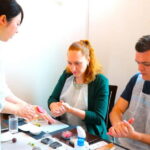
Your sweets-making part focuses on Nerikiri, a wagashi made using mochi flour. The experience is described as easy and fun—more like colorful clay work than complicated cooking.
Here’s what you can expect when you start:
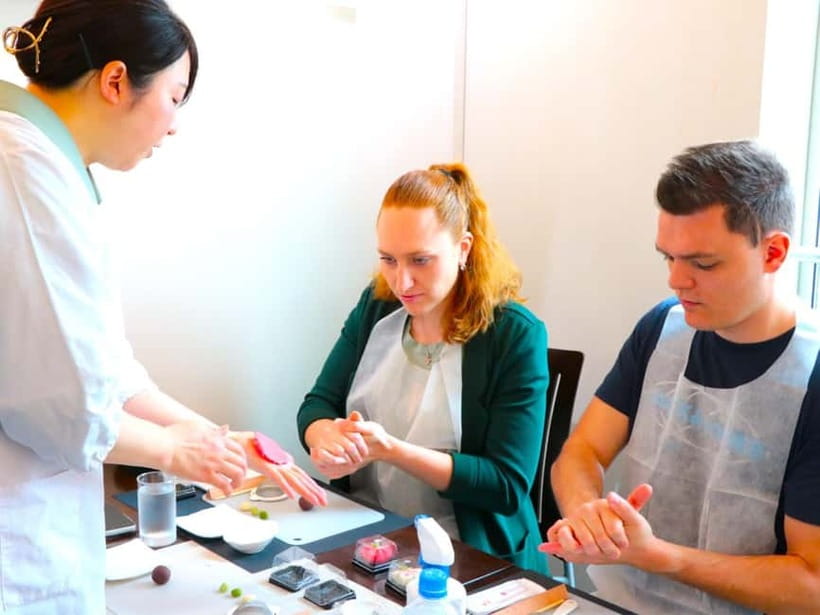
- You’ll use several colored materials to shape a design based on that day’s theme.
- You’ll form the colored dough by hand, then add details using small tools.
- The goal is to recreate the day’s “seasonal beauty” look, not just make something edible.
If you’ve never done creative food before, this is the part that often feels most relaxing. The guidance is careful, so you’re not left staring at your hands hoping for magic. The process has clear steps, and your instructor will walk you through shaping and refining the lines.
The most valuable part, in my view, is the shift from sightseeing mode into craft mode. You’ll spend time shaping tiny details. That kind of focus is a break for your brain, especially in Tokyo, where everything moves fast.
And the best part: you’ll take your finished wagashi into the tea portion. It doesn’t feel like a separate activity that ends in your notebook. It becomes part of the ceremony itself.
Choosing Antique Teacups and Understanding Matcha Time
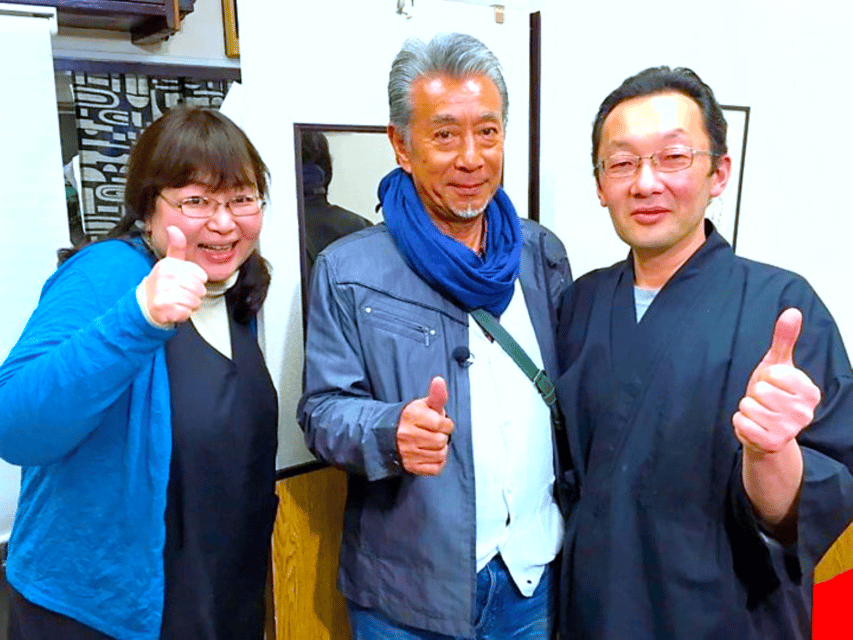
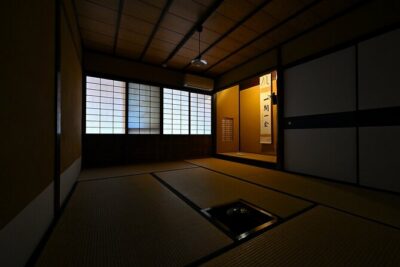
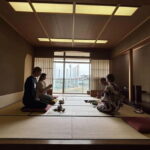
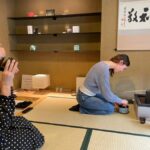
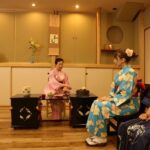
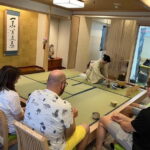
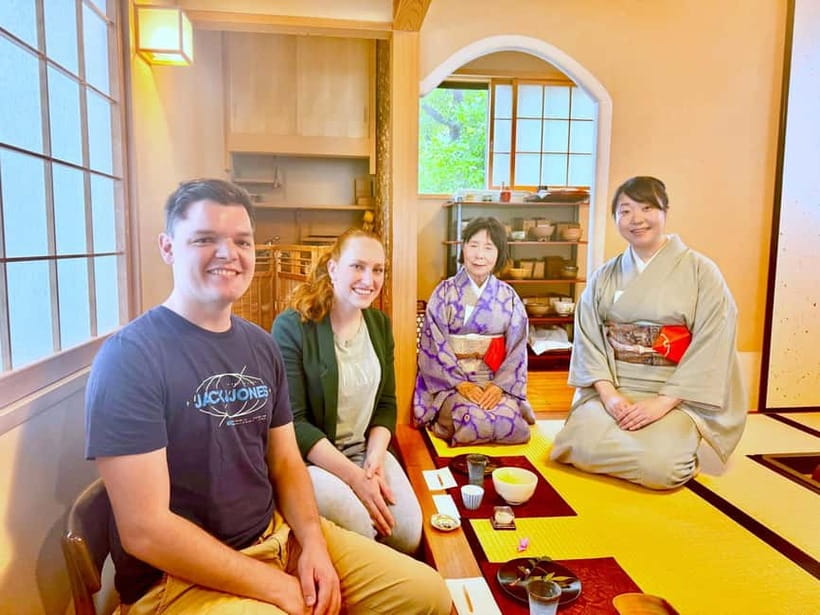
After the wagashi work, you move into the tea portion. The tea room is designed so you sit in chairs, not on the floor. For some people, that’s a big comfort win; you can concentrate on posture and ritual rather than scrambling for balance.
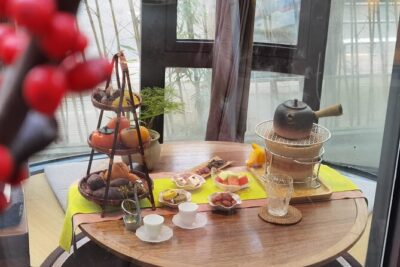
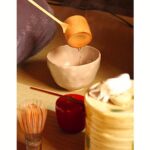
Then comes one of the most memorable “small decisions” you’ll make: you choose the teacups you use. Some of the cups are noted as several hundred years old. Even without getting a lecture, your hands will register the difference. It makes the tea feel ceremonial in a physical, not just symbolic, way.
The serving order is also clear:
- You’ll be served confection (sweet) first.
- Then you’ll have real matcha, described as not sweet.
This is a good setup because it helps you experience contrast. You start with something that eases you in, then switch to matcha’s more grounded, tea-forward taste.
And don’t treat the tea ceremony like a silent show. Conversation is part of it. The host is described as a Japanese artisan rather than a commercial-type presenter, and they may not speak English well. That said, you’re told they’ll do their best to make the experience enjoyable for English speakers, and you can absolutely ask questions.
The guidance here is important: the more guests ask, the more the tea ceremony enriches. So if you’re the type who asks, you’ll likely get more out of the interaction. If you’re shy, you can still follow along by focusing on what’s happening and asking one or two simple questions.
What the $57 Includes (and What Costs Extra)
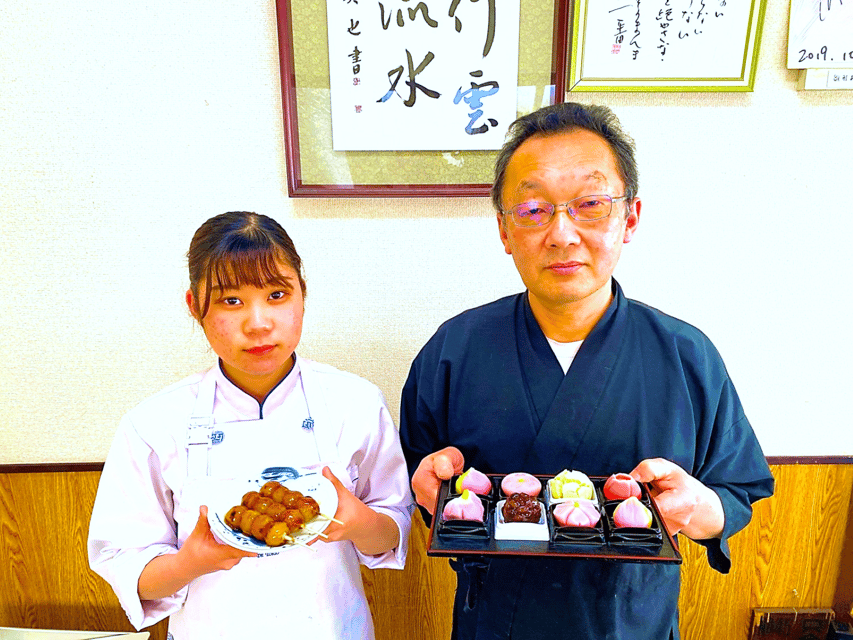
Price is listed at $57 per person. The included items are detailed, which matters because craft experiences can get sneaky with add-ons. Here, your fee covers:
- Experience fee
- Facility usage fee
- Tool usage fee
- Materials cost for matcha and wagashi
- Consumption tax
That’s a solid value structure. You’re not just paying for a room and a generic ingredient list. You’re paying for a functioning setup: tools, space, and the materials you’ll actually use during the forming and tea.
The experience also supports an optional, natural temptation: if you love antiques, you can purchase tableware from the shop. That’s not included, but it’s good to know because the environment is designed to make you notice objects, not ignore them. If you’re trying to control spending, set a personal limit before you start browsing.
A practical budgeting tip: bring cashless payment if your plan is to buy something. But only spend if you truly want that teacup to become part of your life back home.
Who This Is Best For (and Who Should Skip It)
This experience works best if you want a hands-on cultural activity that isn’t hard to join. It’s ideal for:
- Adults and teens 13+ who want a structured craft project
- People who like tea culture but prefer a comfortable, chair-sitting format
- Anyone who enjoys atmosphere—an antique store with serious tableware energy
- Travelers who learn well through doing, not just watching
It’s also a nice “reset” activity. Reviews reflect a teaching-and-calm feeling, and the overall format supports that. You’re guided step-by-step, and the environment encourages you to slow down.
Who should skip:
- Anyone with vertigo, epilepsy, or certain health limitations (including being unwell or with a cold, since you may be refused participation)
- Wheelchair users (not suitable)
- Families with small kids needing strollers (baby strollers and baby carriages are not allowed)
- People planning to arrive late and hope it still works out (it ends as scheduled)
One more “fit check.” If you hate being asked questions or talking at all, the tea portion might feel different. The host interaction is part of how the ceremony becomes meaningful. You don’t have to be chatty, but you should be open to some back-and-forth.
Should You Book This Tea Ceremony and Wagashi Class at an Antique Shop?
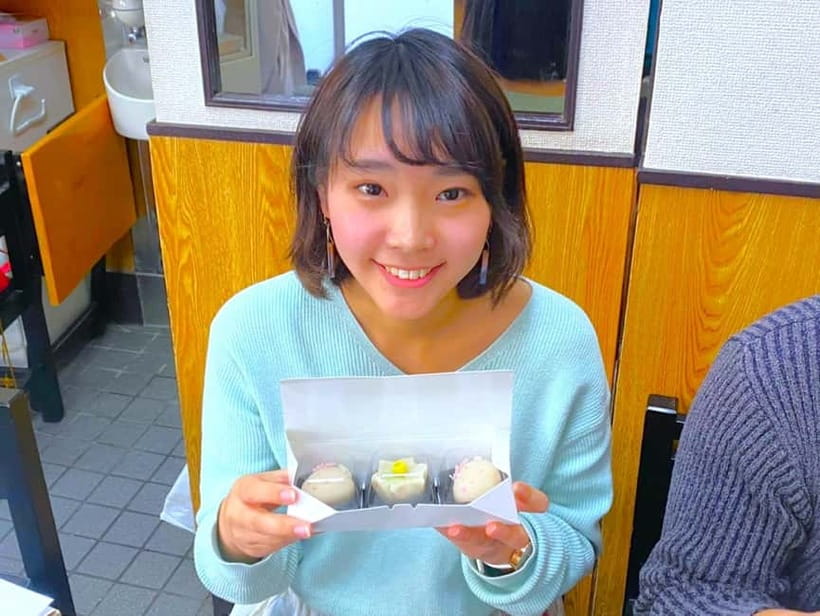
I’d book it if you want a Tokyo experience that’s not staged. You’re getting two classic Japanese activities—Nerikiri making and matcha tea—placed inside a real antique-shop setting where even the teacups are part of the story.
It’s also a good choice for value. With the tool and material costs included, and with the class format covering both sweets and tea, it avoids the common problem of paying extra for the “real” parts.
Before you commit, check your health and mobility fit. If you’re not in the safe/suitable categories (vertigo, epilepsy, wheelchair access needs, being unwell), skip it. And if your schedule is tight, plan your Nippori-area arrival early enough to avoid missing the start.
If you like craft work, seasonal themes, and learning through gentle guidance, this is the kind of experience that leaves you with more than photos. You’ll have a clearer feel for how tea time and wagashi belong together in Japanese culture—made right there, cup in hand.
FAQ
How far is the meeting point from Nippori Station?
The experience starts at a site about 10 minutes from Nippori Station, and the detailed address is provided after you reserve.
What age is this experience for?
Participants must be at least 13 years old. Guests under 18 must be accompanied by an adult.
What do I make during the wagashi portion?
You’ll make Nerikiri wagashi, described as being formed from mochi flour, using colored materials to create a seasonal theme design.
Is the tea ceremony included, and what do I drink?
Yes. You’ll enjoy a tea ceremony in a dedicated tea room, and you’ll be served confection followed by real matcha (described as not sweet).
What is included in the price?
The price includes the experience fee, facility and tool usage fees, matcha and wagashi material costs, and consumption tax.
What languages are offered?
The experience is listed as available in English.
Is it suitable for wheelchair users or people with vertigo?
No. It is not suitable for wheelchair users, and it is also not suitable for people with vertigo or epilepsy.