REVIEW · TOKYO
Tokyo: Matcha Tea Ceremony Experience in Shibuya
Book on GetYourGuide →Operated by Trip Port · Bookable on GetYourGuide
Matcha changes when you whisk it yourself. This one-hour hands-on matcha tea ceremony in Shibuya is a calm, friendly way to learn how different teas taste and how people serve them with care. I really like the step-by-step guidance that gets you making matcha without stress, and I also like that you’ll compare several Japanese teas with traditional sweets instead of just sipping one drink. One consideration: at $30 for about an hour, it’s not a long, full formal ceremony, so bring your curiosity for tea details rather than expecting a massive multi-hour event.
The group stays small (up to 10), and the instructor speaks English, which makes the manners and tea-history context easier to follow. In at least one recent session, the host was named Taku, praised for excellent English and good preparation. A possible drawback is that tea-ceremony etiquette can feel slightly formal, so if you want totally casual sightseeing only, this may feel a bit “indoor calm” compared with Shibuya’s energy.
In This Review
- Key points before you sip in Shibuya
- Entering the Okazaki Building for your tea hour
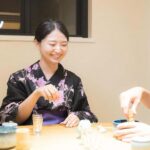
- Making matcha: the hands-on part that sticks with you
- Tasting and comparing teas with traditional sweets
- Tea manners: the rules behind the calm
- The stories: how history lands in an actual cup
- Duration, group size, and how it affects your comfort
- Price and value: what $30 buys in real-world terms
- Meeting point tip: don’t let Shibuya chaos steal your calm
- Who this matcha ceremony is best for
- Should you book this matcha tea ceremony in Shibuya?
- FAQ
- How long does the Tokyo matcha tea ceremony experience take?
- What is the price per person?
- What is the group size?
- Is the instructor available in English?
- Where do I meet the instructor?
- What’s included in the experience?
- Can I cancel for a full refund?
- Is the experience wheelchair accessible?
Key points before you sip in Shibuya
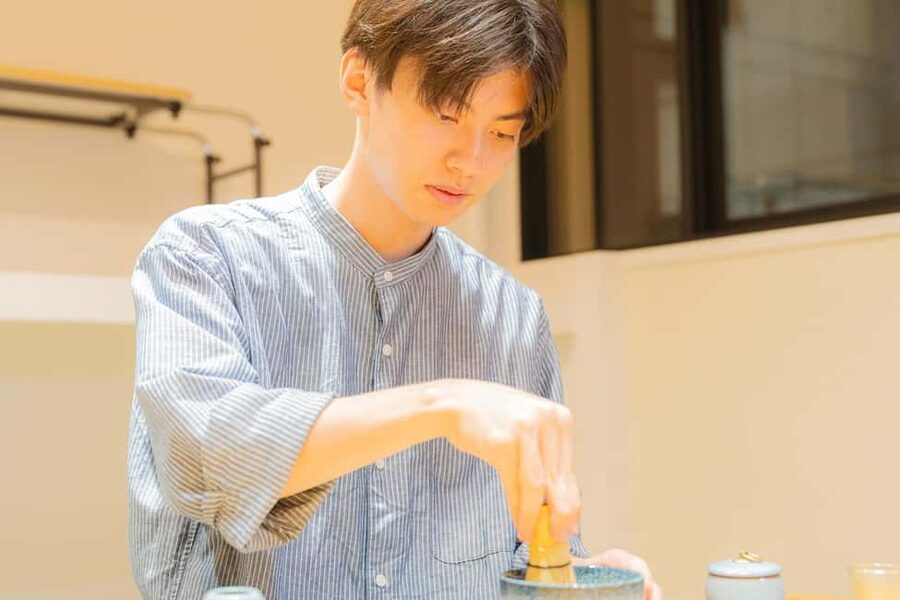
- Make matcha yourself with clear, guided steps and the tools you need
- Taste-and-compare multiple teas, each paired with a traditional sweet
- Learn serving manners so the ritual makes sense, not just looks pretty
- Small group (10 max) keeps the experience personal and questions welcome
- Tea-ceremony history gets explained by a local host, including stories tied to the cup
Entering the Okazaki Building for your tea hour
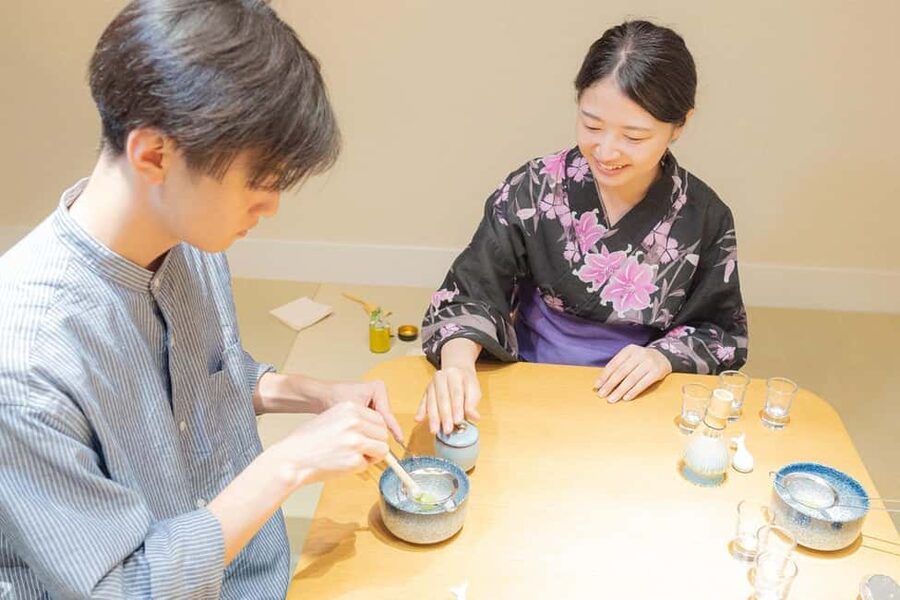
Shibuya is loud in the best way, but this activity gives you a quiet pocket of “slow down” time. You meet the instructor standing in front of the Okazaki Building’s entrance, with a vending machine next to it—easy to spot once you’re looking for the right doorway. If you’re using a map app, zoom in so you land at the correct building, not just the broad Shibuya area.
This is designed as a straightforward 1-hour experience, so you’re not sacrificing your whole afternoon. It’s long enough to learn the basic flow—how tea is prepared, served, and discussed—but short enough that you can still do a normal Shibuya day afterward. I like experiences like this when I’m jet-lagged or want something cultural without turning it into a full-day project.
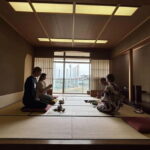
You’ll likely notice the tone right away: calm room energy, patient pacing, and a teacher who expects questions. The overall vibe matches the praise you’ll see about the host being friendly and welcoming. For me, that matters because tea ceremony isn’t just taste—it’s attention. When the host sets a relaxed rhythm, it’s easier to actually enjoy the details.
Practical note: you’re in a small group, so you’ll share space with other guests. If you’re the type who likes quiet solo experiences, you might find the social factor slightly noticeable—but with only up to 10 people, it doesn’t turn into a crowded “tour line.”
You can also read our reviews of more tours and experiences in Tokyo.
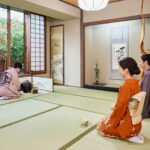
Making matcha: the hands-on part that sticks with you
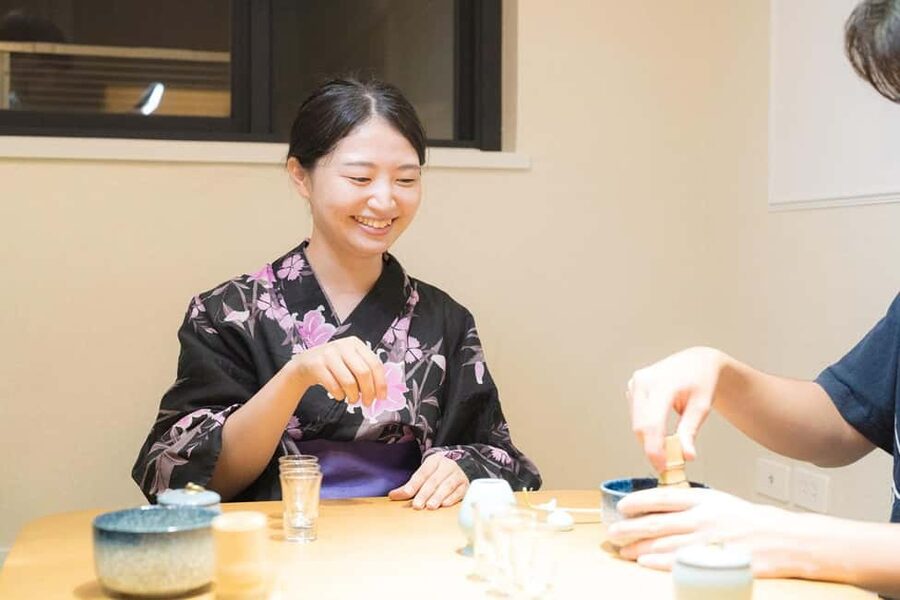
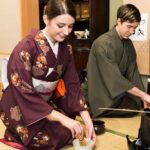
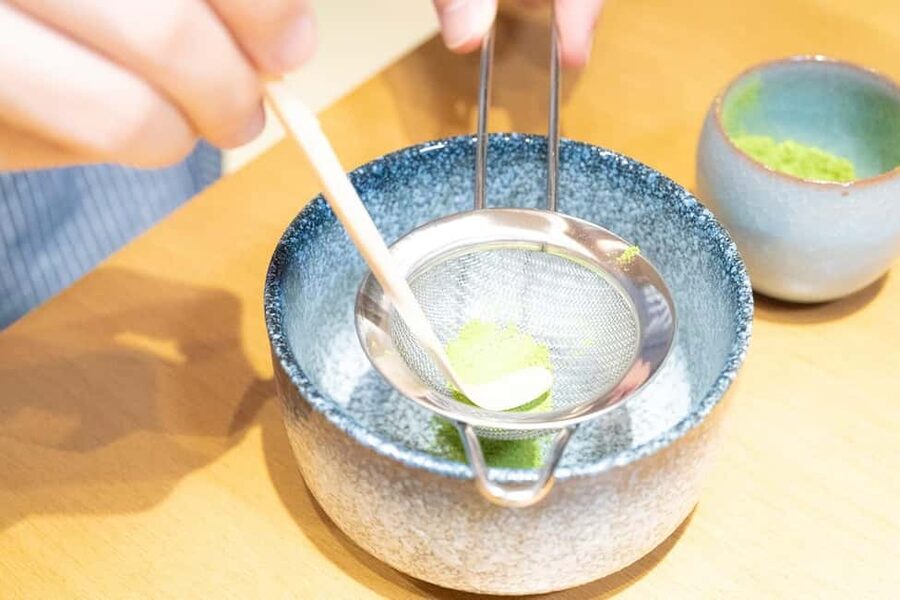
The best reason to book this is simple: you don’t just watch. You make your own matcha with step-by-step guidance. That’s the big difference between reading about tea culture and experiencing it through your own hands.
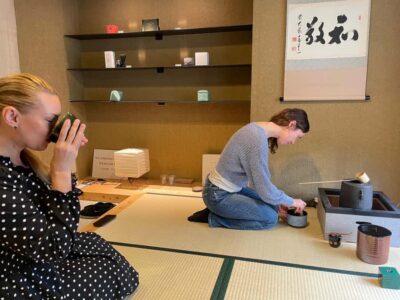
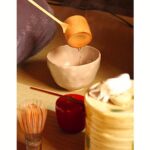
During your session, the instructor walks you through the basic process: how matcha is prepared, what you’re aiming for in the texture and look, and how serving works in the context of the ceremony. You’ll also get the tools for the ceremony, so there’s no need to hunt down equipment or bring anything special.
Here’s what I think you’ll learn fast, even in just an hour:
- Matcha is more than flavor—it’s texture and practice. The way it mixes matters. When you whisk and adjust, you can taste the change.
- The ritual has a purpose. The movements aren’t random. They help create consistency and show respect for the shared moment.
- Serving manners are part of taste. When you’re taught how to receive and present tea, you start paying attention to aroma and presentation instead of rushing straight to swallowing.
One nice touch is that you’ll be tasting teas during the experience, not only at the end. That means your brain stays in “compare and notice” mode. For first-timers, that’s huge. You don’t need to know tea terminology to enjoy it. You just need to follow the steps and pay attention.
Also, don’t expect an intimidating “master class.” The overall tone is described as welcoming and friendly, and the English instruction is a strong point. In one example, Taku was specifically noted for excellent English and being prepared, which is exactly what you want when the activity includes cultural manners—not just culinary technique.
Tasting and comparing teas with traditional sweets
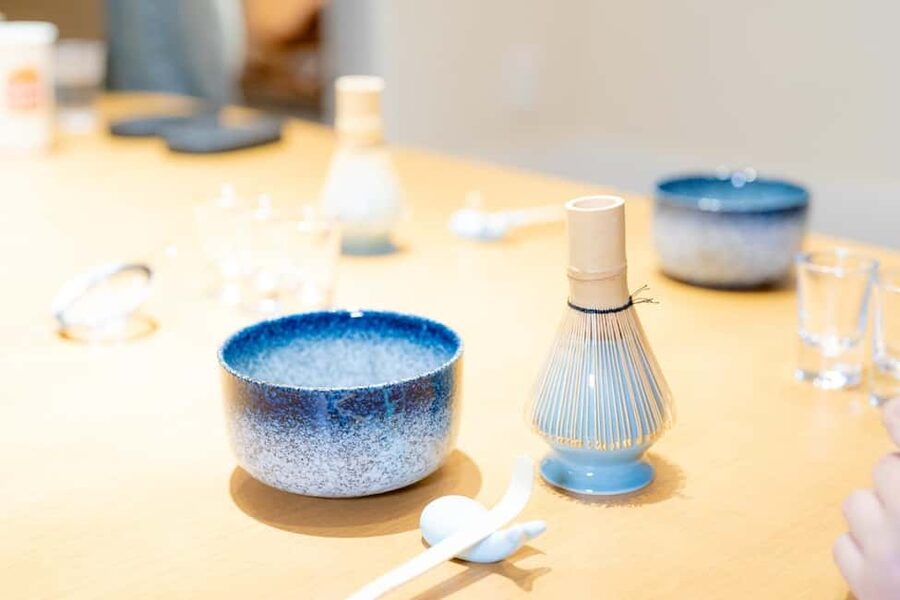
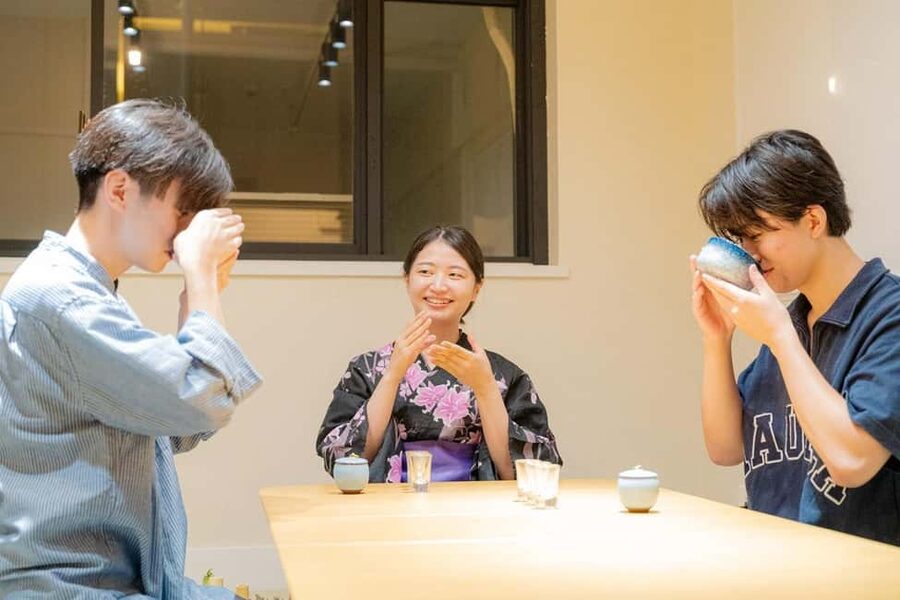
Yes, you’ll drink matcha. But the more interesting part is what comes alongside it: you’ll taste and compare several kinds of Japanese teas, and they’re paired with a traditional sweet that’s meant to enhance the tea’s character.
Tea-ceremony tastings work best when you treat them like a mini sensory experiment. I’d suggest you do that in a relaxed way:
- Notice aroma before sipping.
- Take a small sip and let it sit for a second.
- Ask yourself how it changes after you eat the accompanying sweet.
Why does this pairing matter? Because sweets aren’t just dessert. They’re a designed contrast. Different teas have different profiles—some feel more mellow, some feel more grassy or deep, some feel lighter. Pairing them with a traditional sweet helps you understand the balance the ceremony is going for.
In this session, you don’t get a random snack plate. You get a structured sweet that goes with what you’re learning, which makes the tasting feel intentional rather than incidental. That’s why the experience feels more cultural than simply “drink tea and take a photo.”
If you like food experiences that teach you how to notice differences, you’ll probably enjoy this section a lot. If you’re hoping for only matcha-focused content, just know that matcha is one piece of a broader tasting set.
Tea manners: the rules behind the calm
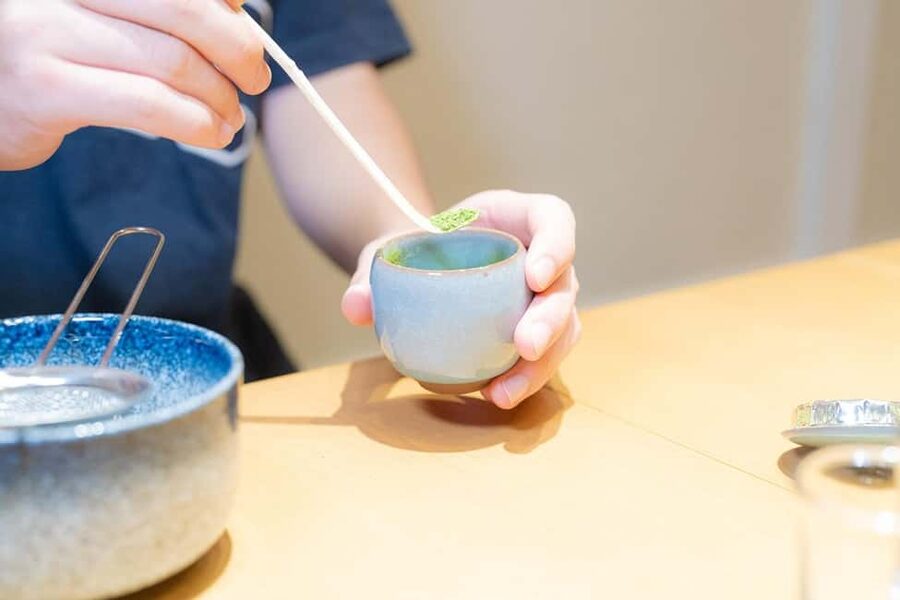
Tea ceremony can look graceful, but the real value is understanding why people do things a certain way. In your hour, you’ll be guided through basic steps and manners of serving tea, which helps the whole ritual feel logical instead of confusing.
You’ll learn the basic etiquette of how to serve tea and how to receive it. Even if you forget some of the details later, you’ll remember the general idea: this is a respectful, mindful interaction, not a casual beverage grab.
This is also where the instructor’s English matters. You’ll get explanations while you go, so you can connect the movement with the meaning. A host who speaks clearly and stays prepared helps a lot here—especially because tea manners can be hard to “guess correctly” when you’re a first-timer.
One small caution: if you’re highly allergic or sensitive to sweets, this part matters. The session includes a little sweet snack paired with the teas, but the exact ingredients aren’t stated in your provided info. If that’s relevant for you, message the operator in advance with your dietary limits.
The stories: how history lands in an actual cup
Tea ceremonies have been practiced for centuries, but the key is how that history gets brought into your hands. In this experience, a local teacher explains the rich background and tradition, and the point isn’t to lecture. It’s to connect the ceremony to meaning—so your tea experience becomes more than just tastes.
When history is taught well, it helps you understand what you’re doing right now. For example, once you know tea culture developed around social rituals and mindful preparation, the calm pacing makes more sense. The way the ceremony is structured—making tea, serving, tasting, and sharing etiquette—feels like it has a reason.
In the feedback you shared, a common praise is that the host is friendly and informative. Another stands out: the host (Taku, in one noted session) was prepared and spoke excellent English, which suggests the teaching is organized and easy to follow. That’s important, because the difference between a fun cultural moment and a confusing one is usually clarity.
If you like learning through doing, this format works. You’re not sitting and listening for an hour. You’re sipping, whisking, noticing, and then hearing context as you go.
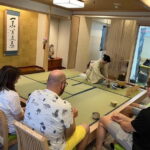
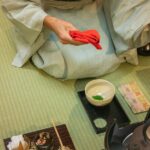
Duration, group size, and how it affects your comfort
You get 1 hour of expert guidance in English, and the group is limited to 10 participants. That small-group size is a big deal in experiences like this. With fewer people, you can ask questions, the instructor can check in on your technique, and the ceremony doesn’t feel rushed.
Also, the session includes photos during the experience, which is handy if you want proof without interrupting the flow too much. If you’re the kind of traveler who wants a few memories for later, this makes it easier. Just keep in mind that photos likely happen at moments that fit the ceremony, not in the middle of your concentration.
As for accessibility, it’s wheelchair accessible. Since your provided details confirm that, it’s worth feeling good about the physical setup. Still, if you have specific accessibility needs beyond wheelchair access, it’s always smart to contact the provider and confirm details for comfort.
Price and value: what $30 buys in real-world terms
At $30 per person, this is priced for a focused cultural experience, not a luxury long-form workshop. The value comes from the combination of things you actually do:
- You make your own matcha with the tools provided
- You taste and compare multiple teas (not one drink)
- You get traditional pairing sweets
- You receive guided instruction in tea manners and ceremony context
- You get photos, plus a small-group setting
In other words, you’re paying for teaching time and a structured set of tastings—not just a drink at the end. For one hour, that’s a fair setup. If you’re traveling on a tight schedule and want one strong “culture + food + hands-on” stop, it fits well.
The main “value mismatch” would be if you already know tea ceremony deeply and you want a longer, more formal practice session. But if you’re curious, new to matcha, or want a guided start, this is a sensible way to get it done.
Meeting point tip: don’t let Shibuya chaos steal your calm
Shibuya can distract you, even if you’re trying to be on time. The meeting point is specific: the instructor stands in front of the Okazaki Building’s entrance, next to a vending machine.
My practical suggestion: arrive a few minutes early and do one quick scan for that vending machine marker. Once you see it, you’ll know you’ve landed in the right place. This kind of clarity helps, because when you arrive exactly on time in a busy neighborhood, you’re more likely to stress and fumble the check-in.
Who this matcha ceremony is best for
This experience fits best if you want:
- A short cultural activity with real hands-on participation
- Tea education in English without needing prior knowledge
- A calm break from Shibuya’s energy
- A guided way to learn manners and serving etiquette
You’ll especially enjoy it if you like food experiences where you compare flavors, and you don’t mind a little formality. If you’re allergic to sweets, picky about dietary needs, or hoping for a fully casual “hangout,” you might want to check details first.
Should you book this matcha tea ceremony in Shibuya?
I’d book it if you’re in Shibuya and you want a high-impact cultural stop that doesn’t eat your whole day. The hands-on matcha making, the tea-and-sweet comparison, and the focus on serving manners add up to more than a simple tasting.
Skip it—or at least ask questions first—if you’re only interested in matcha and nothing else, or if you need a very informal, low-structure activity. But for most visitors who want a meaningful hour and a gentle entry into Japanese tea tradition, this is a strong pick.
FAQ
How long does the Tokyo matcha tea ceremony experience take?
The experience lasts 1 hour.
What is the price per person?
It costs $30 per person.
What is the group size?
The group is small, limited to 10 participants.
Is the instructor available in English?
Yes, the instructor provides instruction in English.
Where do I meet the instructor?
Meet the instructor standing in front of the Okazaki Building’s entrance, with a vending machine next to it.
What’s included in the experience?
You get 1-hour expert guidance, tools for the tea ceremony, tea leaves selection, a little sweet snack, and photos during the experience.
Can I cancel for a full refund?
Yes. You can cancel up to 24 hours in advance for a full refund.
Is the experience wheelchair accessible?
Yes, it is wheelchair accessible.