REVIEW · TOKYO
Tokyo 6 hr Private Guided Tour & Tea Ceremony Experience
Book on Viator →Operated by Japan Guide Agency · Bookable on Viator
Tokyo can feel like a moving puzzle. This 6-hour private guided tour turns the chaos into a plan, with a traditional tea ceremony pause built in.
I like that you get licensed local guidance and a choice of 2–3 sites from a big menu, so you’re not trapped in a one-size-fits-all checklist. You’ll also appreciate the hotel-area convenience when pickup is offered, which saves time on your tight schedule.
One thing to consider: the day is tightly timed, and not everything on the menu is fully included. If you’re hoping for slow strolls, lots of detours, or full access to every major landmark, you’ll want to set expectations with your guide first—especially since Imperial Palace access is outside only.
In This Review
- Key highlights worth planning around
- Why this 6-hour Tokyo plan is easier than winging it
- The real value: guide time plus tea ceremony plus flexible site picks
- How the tour runs: pickup, meet-up, and a small-group rhythm
- Tea ceremony: the best use of your time on a busy day
- Asakusa and Sensoji: old Tokyo energy without the guessing
- Imperial Palace views: outside-only, but still worth it
- Gardens and quiet breaks: Hamarikyu, Rikugien, Koishikawa, and Shinjuku Gyoen
- Shibuya crossing to Meiji Jingu: fast street energy, then a shrine reset
- Akihabara and Tsukiji: shopping focus plus food-market energy
- Shinjuku Golden Gai: tiny alleys, big atmosphere potential
- Pace and guide quality: two real examples to keep in mind
- Price notes and what you’ll likely spend extra on
- Who should book this Tokyo tour, and who might skip it
- Should you book this Tokyo 6-hour private tour with tea ceremony?
- FAQ
- How long is the Tokyo tour?
- Is hotel pickup included?
- What is included in the price?
- Is the tour private?
- Are entrance fees included?
- Is lunch provided?
- Do I need to rent a kimono?
- Can I combine this with other groups?
- What’s the cancellation policy?
- Is the tour suitable for people who need accommodations?
Key highlights worth planning around
- Tea ceremony included, a calm cultural reset inside a busy Tokyo itinerary
- Pick your pace with 2–3 chosen stops instead of racing through everything
- Asakusa and Sensoji pair well for an older Tokyo feel without long travel time
- Imperial Palace is outside viewing only, so you’re not waiting for an interior ticket
- Some gardens are paid separately, so your budget depends on your selections
- Small group size (up to 10) keeps the experience from feeling like a crowded bus
Why this 6-hour Tokyo plan is easier than winging it
Tokyo is amazing, but it’s also a lot. A map can’t tell you which alley to follow, when a neighborhood is at its best, or how to order your day so you don’t zigzag across the city. This tour is designed to solve that problem by stitching together major areas with a guide who knows how to move through them efficiently.
The best part is that it’s not just a sightseeing tour. You also get a traditional tea ceremony experience, which gives you a structured, cultural moment rather than another photo stop. After hours of trains, streets, and crosswalks, that calm break can be the difference between seeing Tokyo and really understanding a slice of Japanese daily life.
You can also read our reviews of more tours and experiences in Tokyo.

The real value: guide time plus tea ceremony plus flexible site picks
At $161.25 per person for roughly 6 hours, the value is in what you’re buying: time, context, and guided flow. You’re not paying just for access to attractions. You’re paying for a licensed local English-speaking guide who can explain what you’re looking at and help you choose what’s worth your limited time.
You also get a practical deal: many of the core sights listed are marked as admission ticket free (for example Asakusa/Sensoji and several major neighborhood stops). That matters because in Tokyo, it’s easy to accidentally stack costs—private entry fees, garden admissions, and transport—until your day feels like an expense report.
The trade-off is that the tour is customizable. You choose 2–3 sites from the options, which is great for fit, but you’ll want to think ahead about which paid extras you’re willing to add (more on that below).
How the tour runs: pickup, meet-up, and a small-group rhythm
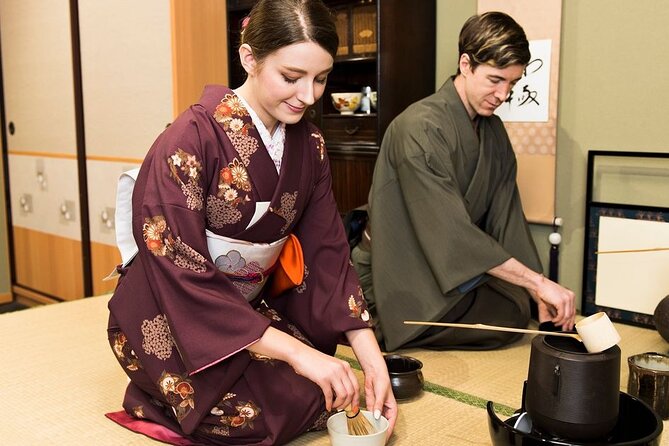
You may have hotel pickup from one of Tokyo’s 23 Special Wards, which is a genuine time-saver. At the same time, the tour notes also mention meeting the guide on foot within a designated area. In practice, that means you should review your meeting details closely and be ready for either approach.
This is a “private guided tour” concept, but the size cap is up to 10 travelers. That usually means you’ll still feel human-sized, not packed in like an airport line. Still, with 10 people, the guide will likely keep a sensible pace so everyone stays together.
One useful takeaway from experience with this kind of itinerary: ask your guide how the group will handle timing. If you’re someone who likes to linger for photos or snacks, say so early. If you want a quick, efficient day, the guide can lean into that too.
Also, the tour uses a mobile ticket, which tends to be smoother than printed vouchers.
Tea ceremony: the best use of your time on a busy day
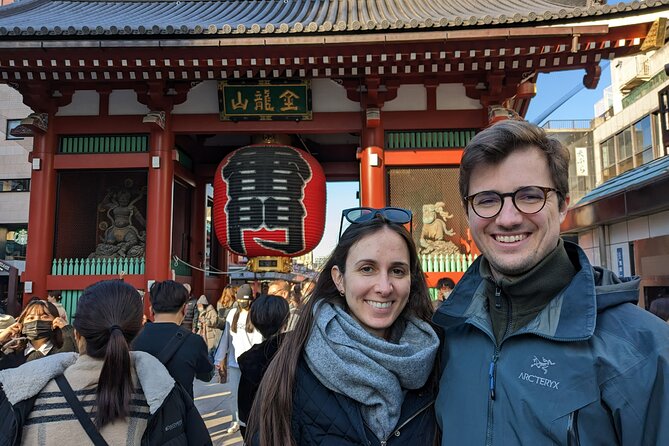
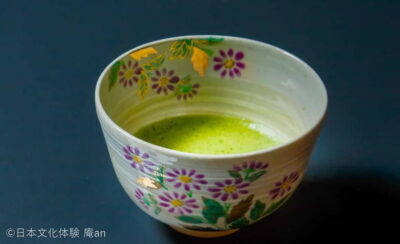
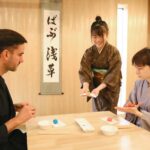
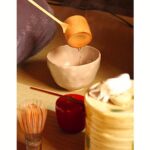
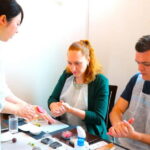
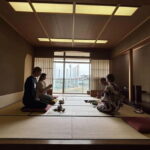
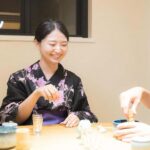
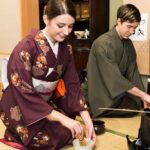
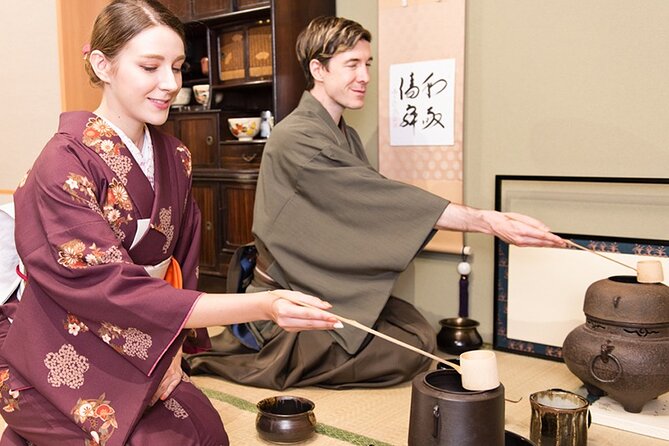
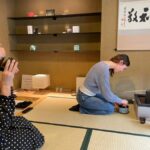
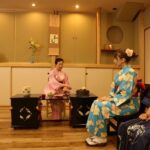
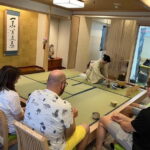
The tea ceremony is included, and in a Tokyo itinerary that can otherwise feel like constant motion, it functions like an anchor. It gives you a guided, respectful cultural experience that isn’t dependent on crowds or weather in the same way as outdoor walking streets are.
Since no specific ceremony duration details are given, I’d treat this as a moment where you should pause your rushing. Arrive ready to follow instructions, ask questions, and take your time with what you’re being taught. The guide’s job here is important: they can translate what matters and help you understand why certain rituals look the way they do.
Practical tip: if you’re the type who usually snacks all day, consider saving room for the tea ceremony break. You’ll likely want a more “sit and focus” mindset rather than eating while you’re learning.
Asakusa and Sensoji: old Tokyo energy without the guessing
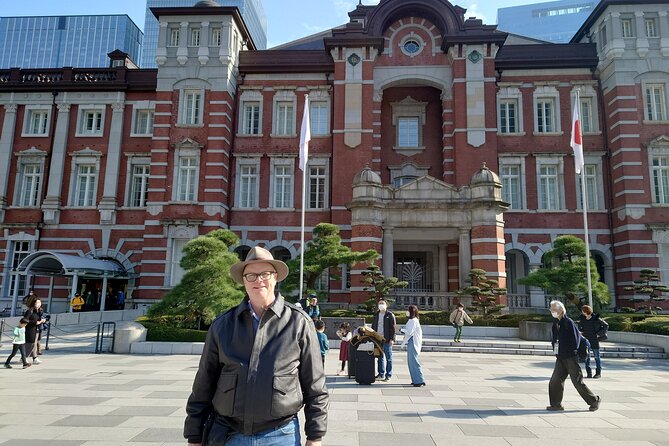
If you’re choosing one “Tokyo classic,” Asakusa is a strong contender. The neighborhood sits in Shitamachi, the low-city area where an atmosphere from earlier decades survives. That’s the kind of Tokyo that feels less like a stage set and more like lived-in street culture.
In this tour, you have a few linked options:
- Jidaiya: a Japanese culture experience program designed as an alternative to standard Asakusa sightseeing, with a more authentic focus
- Asakusa (浅草): a quick introduction to the district’s vibe
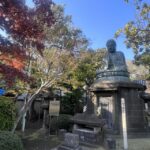
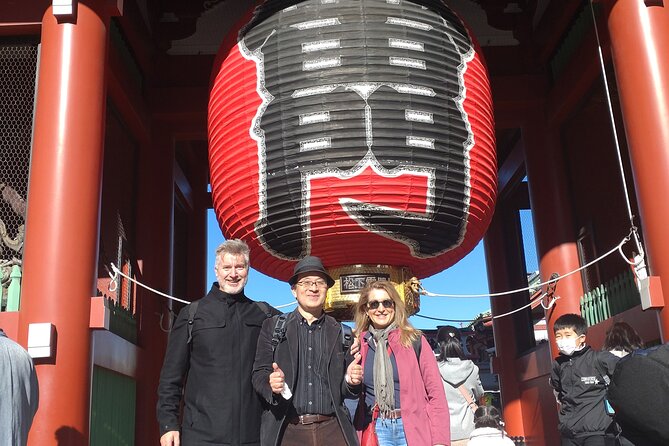
- Senso-ji Temple: one of Tokyo’s most colorful and popular temples
Here’s the practical value: a guide helps you avoid the “checklist scramble.” You can focus on what you care about. Want atmosphere and photography? You’ll get it. Want something more structured than walking around? Jidaiya is there for that.
The drawback is simple: this area is popular. Even with a guide, there may be crowds in and around Senso-ji. That’s normal. If you dislike tight spaces, pick this for an earlier slot in your day and keep your patience meter turned on.
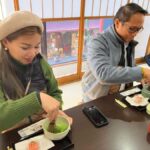
Imperial Palace views: outside-only, but still worth it

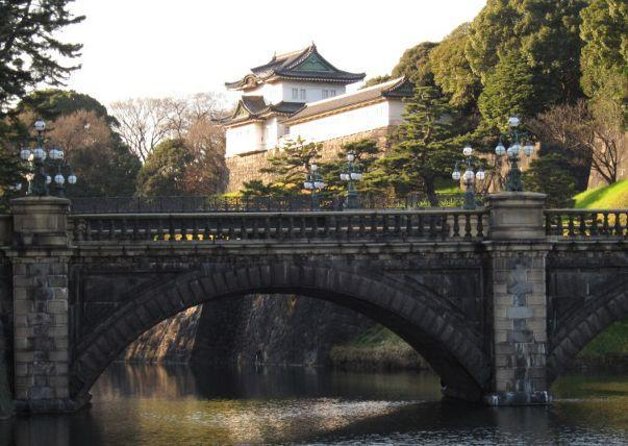
The tour includes time for the Imperial Palace, but with a clear boundary: you don’t go inside. What you do get is the setting—think moats and the grand layout around the former Edo Castle site—so you can appreciate the scale and design.
Why it’s useful in a 6-hour format: it adds a contrasting Tokyo layer. After markets, shrines, and neighborhood streets, the Imperial Palace area acts like a “Tokyo reset,” a wide-open sense of place. It also helps you understand how modern Tokyo wraps around older political geography.
If you were hoping for interior access or a more detailed “inside the palace” experience, this isn’t that. But if you want the view and context, it’s a solid stop.
Gardens and quiet breaks: Hamarikyu, Rikugien, Koishikawa, and Shinjuku Gyoen
Tokyo gardens can be a lifesaver. They give you oxygen between neighborhoods and a chance to slow your walking pace without feeling like you’re wasting time. This tour includes several garden options, and you’ll want to pay attention to which ones have admissions listed as not included.
From the menu you’ll see:
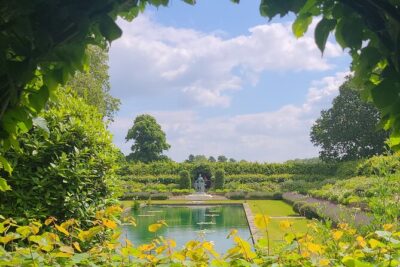
- Hamarikyu Gardens (near Tokyo Bay): features seawater ponds that change level with the tides, plus a teahouse (admission not included)
- Rikugien Garden: built around 1700 for the 5th Tokugawa Shogun; noted as a famous garden option, admission not included
- Koishikawa Korakuen Garden: one of Tokyo’s oldest Japanese gardens from the early Edo period; admission not included
- Shinjuku Gyoen National Garden: large and popular; lawns, paths, tranquil scenery, admission not included
The value here is timing flexibility. If you choose one paid garden, it can still work financially because so many other stops are marked as free. But if you stack multiple paid gardens in one day, your total spend will climb.
My practical advice: pick one garden that matches your mood.
- Want water and tides? Hamarikyu fits.
- Want classic garden design and Edo-era flavor? Rikugien or Koishikawa may fit better.
- Want a big park feel near Shinjuku? Shinjuku Gyoen is the ticket.
And remember: since admissions are marked as not included for some gardens, you’ll want to budget for entry if your chosen stop includes that cost.
Shibuya crossing to Meiji Jingu: fast street energy, then a shrine reset
Shibuya Scramble Crossing is a Tokyo must-see for many people, mainly because it’s one of those places you can’t truly understand from photos. You see the “everyone moves at once” reality in seconds.
Pair that with Takeshita Street in Harajuku, which is known for teenage fashion and the bold street-culture scene around Harajuku Station. This combination works because it gives you two kinds of Tokyo pop culture: the mass-market crowd energy of Shibuya, then the niche youth fashion vibe of Harajuku.
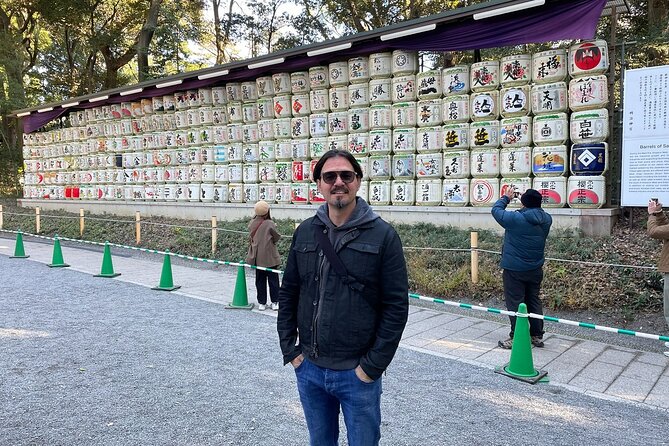
Then comes the calm counterweight: Meiji Jingu Shrine. It’s dedicated to the deified spirits of Emperor Meiji and Empress Shōken, and it sits right by the JR Yamanote Line’s busy Harajuku area. That contrast is a huge part of why Meiji Jingu is worth adding. You get a quick return to quiet after the street noise.
One real consideration: this section can feel like a lot of input in a short time. If crowds make you cranky, choose only one of the “busy” areas (Shibuya crossing or Takeshita Street) and let Meiji Jingu be your breathing break.
Akihabara and Tsukiji: shopping focus plus food-market energy
Two of Tokyo’s most distinct neighborhoods—Akihabara and Tsukiji Outer Market—are both on the menu.
- Akihabara is famous for electronics shops, and it’s also known for Japanese pop culture shopping. Even if you don’t buy anything, the sense of specialized stores is part of the fun.
- Tsukiji Outer Market (the retail and wholesale-adjacent area) is known for blocks of shops that sell seafood and related goods. It’s more “walk-and-sample” than a single building with one attraction.
The guide helps here because Tokyo markets and shopping streets can be hard to navigate if you don’t know where to look. If you’re the type who enjoys browsing but doesn’t want to waste time hunting for the right street, the guide’s route planning is valuable.
A quick caution: these areas can be active and sometimes overwhelming. Keep your expectations simple. Your goal is to taste, look, and absorb the neighborhood personality, not to do major shopping unless you’re sure what you want.
Shinjuku Golden Gai: tiny alleys, big atmosphere potential
Shinjuku Golden Gai is one of those places Tokyo does extremely well: small, dense, and full of character. It’s known for its many eating and drinking spots in narrow alleys and is said to have started around 1950 when black-market activity shifted locations near Shinjuku Station.
This is a good stop when you want Tokyo at night, or you want a glimpse of Tokyo’s “after hours” culture even during daylight. Since the admission is listed as free, it’s also low-risk from a budgeting perspective.
Practical tip: this is the sort of place where you’ll appreciate having a guide who knows the general layout. If you wander alone, it’s easy to miss the best lanes or to get turned around.
Pace and guide quality: two real examples to keep in mind
The tour’s impact depends a lot on the guide and how fast the day moves. In the guide experiences tied to this tour format, I’ve seen clear quality differences.
One guide highlighted in feedback is Taka, who was described as fun, knowledgeable, and able to build a terrific itinerary for the group. That’s exactly what you want from a private guided day: someone who can shape the route, keep things moving, and still make it enjoyable.
Another feedback example mentions a guide named Kris who couldn’t keep up the pace, struggled with subway exit navigation at times, and had trouble taking photos well. Even if you like the itinerary, that kind of operational friction can make a 6-hour plan feel stressful.
So here’s my practical recommendation: if you’re booking, send a quick note about your walking comfort and your photo habits. If you’re very photo-driven, ask whether the guide can build in small stops without rushing.
Price notes and what you’ll likely spend extra on
The price includes the big essentials: a licensed local guide, time with the tea ceremony, and the structure to choose your 2–3 sites from the menu. It also states that guide entry fees are covered only for sights listed under the included expectations.
But some things are explicitly not included:
- Transportation fees
- Lunch
- Entrance fees (for selected stops that are marked as not included)
- Other personal expenses
- Private vehicle
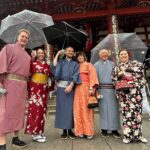
- Kimono rental
So your final cost can change based on your picks. If you choose gardens like Hamarikyu, Rikugien, Koishikawa Korakuen, or Shinjuku Gyoen, plan on paying their admissions if listed as not included.
Also, note the guide’s entry coverage rule. If you add stops beyond what the tour expects, or if you try to swap in a different attraction, you may pay yourself.
Who should book this Tokyo tour, and who might skip it
I’d point you to this tour if:
- You want a guided day but still want choice of what to see
- You like mixing neighborhoods with a cultural anchor (tea ceremony)
- Your days are short and you want major Tokyo icons plus context
- You prefer a plan that helps you avoid wasting time figuring things out
I’d think twice if:
- You want to go inside the Imperial Palace or expect fully included garden tickets
- You’re sensitive to walking pace and crowds in popular areas
- You want a completely free, add-on-free day with zero surprises
This tour shines when you treat it as a structured sampler: pick 2–3 things that you genuinely care about, and let the guide fill in the why.
Should you book this Tokyo 6-hour private tour with tea ceremony?
Yes, if you want a smart way to see multiple Tokyo faces in one day without turning your trip into navigation homework. The tea ceremony adds real cultural value, and the 2–3 stop customization makes it more likely you’ll leave feeling like you chose well, not just checked boxes.
Book it especially if your itinerary has gaps—like one day that needs both classic icons (Asakusa/Senso-ji or Shibuya) and a calmer reset (a shrine or a garden). If you do book, choose your paid gardens carefully and tell the guide what pace works for you. That small prep usually makes the difference between a good day and a great one.
FAQ
How long is the Tokyo tour?
It’s about 6 hours.
Is hotel pickup included?
Pickup is offered from one of Tokyo’s 23 Special Wards, but the tour may also have you meet the guide on foot within a designated area.
What is included in the price?
You get a licensed local English-speaking guide, a tea ceremony experience, and a customizable tour where you pick 2–3 sites from the listed options.
Is the tour private?
It’s described as a private guided tour, and it has a maximum group size of 10.
Are entrance fees included?
Some stops are listed as free, but entrance fees for certain sites (including some gardens) are not included.
Is lunch provided?
No, lunch is not included.
Do I need to rent a kimono?
Kimono rental is not included.
Can I combine this with other groups?
You cannot combine tour groups.
What’s the cancellation policy?
Free cancellation is available up to 24 hours in advance for a full refund.
Is the tour suitable for people who need accommodations?
Most people can participate, and service animals are allowed.