REVIEW · OSAKA
Osaka: Traditional Tea Ceremony Experience
Book on GetYourGuide →Operated by B.B.Advisors Inc. AN OSAKA · Bookable on GetYourGuide
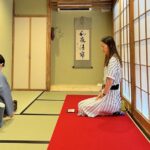
Thirty minutes of calm, right in Osaka. You’ll learn the basics of an o-te-mae style tea ceremony, then make your own cup with single-origin matcha, plus Japanese sweets called Ohigashi.
I like how casual the pace feels: there’s a short explanation, a matcha grinding demo, and then you actually do it yourself. One thing to think about beforehand is logistics: the venue has no elevator, so you’ll climb stairs, and the session won’t be held for delays.
In This Review
- Key things to know before you go
- Finding the venue: near Higobashi and Yodoyabashi Lines
- The 30-minute flow: tea talk, grinding, ceremony, sweets
- What happens when the explanation starts
- The hands-on part: grinding and making matcha
- Ohigashi and your sip: the sweets that shape the moment
- What makes the matcha special: single-origin, casual style
- Price and value: $7 for 30 minutes plus Ohigashi
- Timing, arrival habits, and the rules that matter
- Who should book this Osaka tea ceremony
- Should you book it? My honest take
- FAQ
- How long is the Osaka tea ceremony experience?
- How much does it cost?
- What’s included in the price?
- What is not included?
- Where is the meeting point?
- What is the best way to get there by public transit?
- Is the session offered every day, and what time does it run?
- Will there be English translation?
- Is the building accessible by elevator?
- FAQ
- Can I cancel for a refund?
- Are kids welcome?
- What happens if I’m late?
- Are participants and non-participants allowed to enter the venue?
- Is there an option to pay later?
- If I want a completion certificate, what should I do?
Key things to know before you go
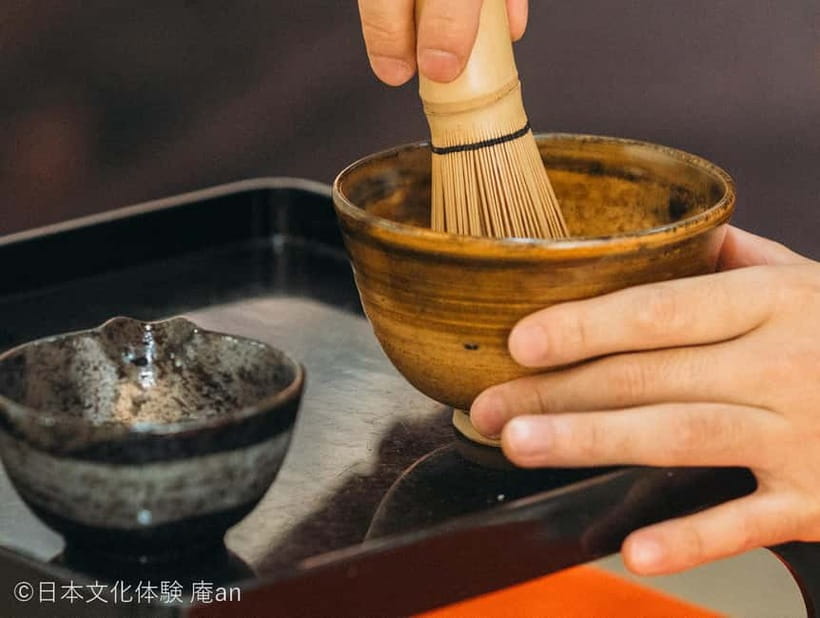
- You’ll make your own matcha: grinding and preparing happen during the experience
- Single-origin matcha: you’re not just sipping anything green and sweet
- Ohigashi included: Japanese sweets come with your tea
- Short and structured timing: about 30 minutes from start to departure
- English support is limited but available: translation is provided as much as possible
- Stairs required: plan for steps to reach the rooms
Finding the venue: near Higobashi and Yodoyabashi Lines
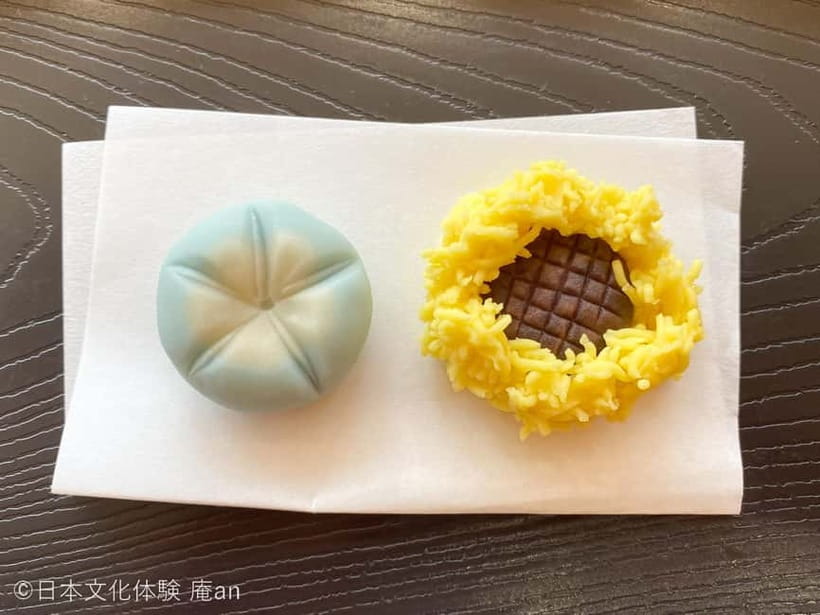
This tea ceremony experience is set up for people who want something simple and close to transit. The meeting area is walkable from multiple stations, which is great when you’re already doing an Osaka route.
Here are the practical options:
- 1 minute walk from Osaka Metro Yotsubashi Line Higobashi Station, Exit 10
- 5 minutes walk from Keihan Nakanoshima Line Watanabebashi Station, Exit 7
- 7 minutes walk from Yodoyabashi Station (Osaka Metro/Keihan), Exit 10
- 10 minutes walk from JR Tozai Line Kitashinchi Station, Exit 11-5
- About 15 minutes walk from Osaka Station (South Central Gate)
If you’re building a day around subway stops, I’d pick the station that matches your last train or bus line. The walk is short enough that a wrong exit won’t ruin your timing, but it can still eat minutes in Osaka heat, so double-check the exit number before you leave the station.
Address-wise, the coordinates given are 34.6911523, 135.4958628. If you’re navigating on your phone, this is the kind of location where using the map link helps you spot the right building quickly.
You can also read our reviews of more tours and experiences in Osaka.
The 30-minute flow: tea talk, grinding, ceremony, sweets
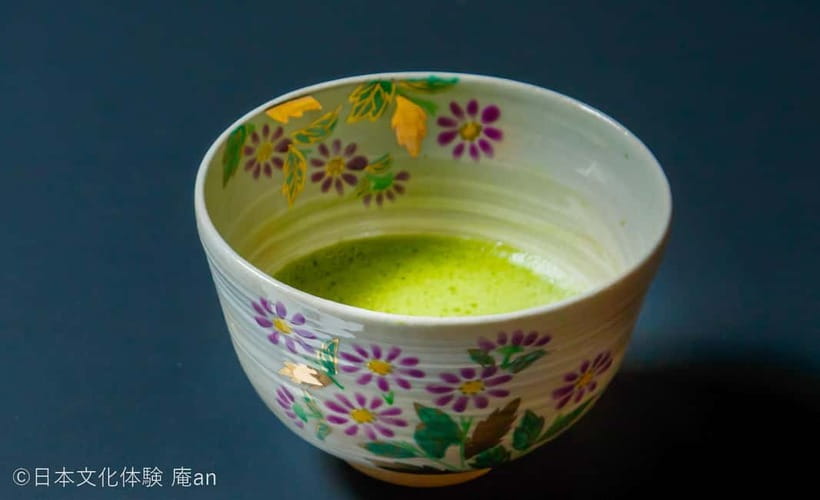
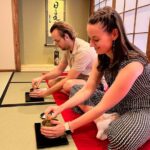
The experience is designed like a quick reset. You won’t be there for hours of formal procedure, so it fits neatly between sightseeing stops.
From start to finish, it runs like this:
- ~0 minutes: welcome and start of the experience
- ~10 minutes: explanation about tea
- ~10 minutes: matcha grinding demonstration
- ~10 minutes: your tea-ceremony experience
- ~20 minutes: picture time
- ~30 minutes: eating and drinking time, then room departure
What that means for you: you get the main points without information overload. You’ll learn just enough to understand what’s happening, and then you’ll do the hands-on steps with your own cup. It’s a well-paced structure for first-timers.
What happens when the explanation starts
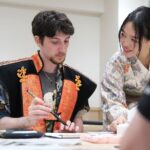
You’ll get a lecture portion covering the basics of tea—how matcha is prepared and what you’re seeing during the ceremony. Since the instructor is Japanese and English translation is provided as much as possible, I recommend treating this like guided orientation. Even if you don’t catch every word, the sequence of actions will help you follow along.
The hands-on part: grinding and making matcha
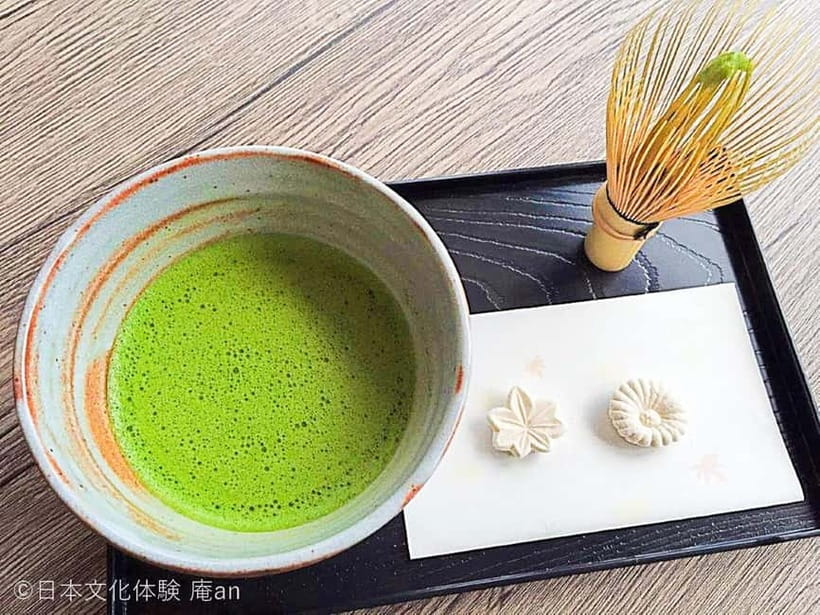
The heart of this experience is not just watching. You’ll participate in making matcha, and that’s what makes it feel real.
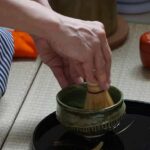
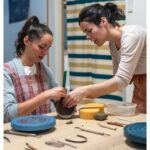
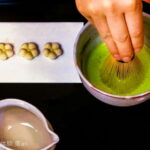
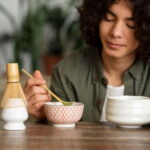
After the initial talk, the session moves into a matcha grinding demonstration. You’ll see how the matcha is prepared before it’s whisked and served. Then you’ll jump into your own tea-ceremony experience, where you get to handle the motions and drink it as part of the ritual.
Here’s why I think this is one of the best formats for Osaka visitors: grinding matcha is tactile. It’s not about memorizing phrases. You’ll understand the tea by doing it—watching the step, then repeating it yourself.
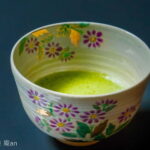
If you want a souvenir of sorts, this is it. A photo of the tea cup is nice, but the bigger win is the muscle memory of preparing it. You also come away with a clearer sense of what matcha “means” in Japanese culture beyond just taste.
Ohigashi and your sip: the sweets that shape the moment
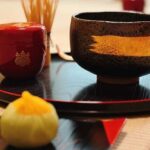
Your cup isn’t alone. You’ll also get Japanese sweets called Ohigashi. These sweets are part of how tea is experienced in the moment—one bite to match the tea, rather than a separate snack break.
Since the timing includes eating and drinking time during the final portion, you can slow down after the activity itself. That’s the point: you don’t just run through a ritual, you take a moment to enjoy the combination.
Practical tip: eat the sweets and sip the matcha at a relaxed pace. If you rush, the flavors blur. If you take a beat, you’ll actually notice how the sweetness and tea work together.


What makes the matcha special: single-origin, casual style
The tea portion focuses on single-origin special matcha. That’s important, because it signals quality and a specific source, not a generic blend.
Also, the experience is intentionally described as something you can enjoy casually. For many people, that’s the sweet spot. You get the structure of a tea ceremony, but without the pressure of being “perfect.”
I like that balance. You can treat this as a cultural tasting workshop: learn the basics, make your cup, and enjoy it. You’re not committing to a long, highly formal class, and you’re not spending half a day trying to understand etiquette rules.
Price and value: $7 for 30 minutes plus Ohigashi
The listed price is $7 per person for about 30 minutes. For what you get—tea-ceremony instruction, your own matcha preparation, a brief talk, and Ohigashi included—it’s a strong deal for a hands-on cultural stop.
There is one extra cost to be aware of:
- Experience completion certificate costs 300 JPY (not included)
If you like collecting certificates, budget for it. If not, you can still leave with the real souvenir: the process and your cup.
Timing, arrival habits, and the rules that matter
This is a short session, so timing matters more than it usually would. Here are the key points I’d plan around.
Operation hours run from 10:00 to 17:00. If a reservation is received after 17:00, it’s processed the next day.
Also:
- The event can’t be adjusted for delays, so arrive early enough to settle in
- If you’re not participating, you won’t be allowed to enter
- The instructor is Japanese, with English translation provided as much as possible
- The venue has no elevator, so plan for stairs
If you’re combining this with other Osaka stops, I’d treat it like a real appointment, not a flexible walk-in. Build in a little cushion so you’re not sprinting through the last subway transfer.
Who should book this Osaka tea ceremony
This experience is ideal if you want a real cultural activity without turning your day into a long lesson.
It’s a good fit for:
- First-timers who want the basics and a hands-on moment
- People who like short, structured activities
- Anyone who’s already sightseeing and wants a calmer break
- Matcha lovers who want to understand how the cup is made, not just where to buy it
It may be less comfortable if:
- You have mobility concerns, since there’s no elevator and you’ll take stairs
- You need extra time for delays, because the event won’t be held
On the language side, English is not promised as full bilingual translation, but the support is described as provided as much as possible. In practice, that’s often enough to follow the steps if you watch the instructor’s motions.
Should you book it? My honest take
I’d book this if you want a short, high-impact cultural stop that actually involves your hands. For the price, you get single-origin matcha, a structured mini lesson, and Ohigashi—and the total time stays under a half hour, which makes it easy to fit into an Osaka day.
The biggest reason not to book is simple: stairs. If that’s a concern for you, look for an option with step-free access. Otherwise, this is one of those activities where you leave with both a memory and a better understanding of what matcha preparation feels like in real life.
If your schedule has any breathing room, this is a good way to add something authentic without sacrificing your rest time.
FAQ
How long is the Osaka tea ceremony experience?
The duration is listed as 30 minutes.
How much does it cost?
The price is $7 per person.
What’s included in the price?
Included is an OTE-MAE set experience (tea ceremony experience).
What is not included?
An experience completion certificate is not included and costs 300 JPY.
Where is the meeting point?
You can reach the venue by foot from several stations, including 1 minute from Higobashi Station (Exit 10) and about 7 minutes from Yodoyabashi Station (Exit 10). The coordinates are also provided for navigation.
What is the best way to get there by public transit?
Walk from one of the nearby stations listed in the meeting point details, then use the exit numbers carefully for the shortest route.
Is the session offered every day, and what time does it run?
Operation hours are 10:00 to 17:00.
Will there be English translation?
English translation is provided as much as possible. The instructor is Japanese.
Is the building accessible by elevator?
There is no elevator in the building, so you will need to take stairs to reach the venue.
FAQ
Can I cancel for a refund?
Yes. Free cancellation is available up to 24 hours in advance for a full refund.
Are kids welcome?
Children who sit on their parents’ lap are free of charge if they are under 2 years old.
What happens if I’m late?
The organizers can’t hold the event to accommodate delays.
Are participants and non-participants allowed to enter the venue?
Those who do not participate in the experience will not be allowed to enter.
Is there an option to pay later?
Yes, you can reserve now and pay later.
If I want a completion certificate, what should I do?
You can purchase the experience completion certificate for 300 JPY (since it is not included).