REVIEW · OSAKA
Osaka: Tea Ceremony, Calligraphy, and Kimono Experience
Book on Viator →Operated by Japan Culture Experience · Bookable on Viator
Japan’s small details become real here. In one quiet 3-hour slot, you’ll handle kimono, calligraphy, and a tea ceremony with matcha. It’s set up as a beginner-friendly experience with English support, so you can focus on doing the arts rather than decoding the culture.
I especially love how practical it feels: you get fitted for your outfit, guided through the brushwork, and then served a tea moment that actually teaches the rhythm of the ceremony. One thing to consider is that the support is English-speaking only, since interpretation in other languages isn’t listed, so plan on using English if you need more than that.
In This Review
- Key points before you go
- A Calm Base in Central Osaka: Sazanka and the 3-Hour Flow
- Kimono Fitting at Sazanka: Choose, Dress, and Photograph with Confidence
- A practical caution
- Tea Ceremony with Matcha and Sweets: Learning the Rhythm, Not Just the Rules
- Why it’s worth your time
- Calligraphy Session: Tools Provided and a Take-Home Piece
- Photo vs. ink reality
- What the Staff Focuses On: English Guidance and “Do It Yourself” Learning
- Price and Value: Is $97.73 Worth Three Hours of Culture?
- One value note
- Who Should Book This (and Who Might Skip It)
- Should You Book Osaka: Tea Ceremony, Calligraphy, and Kimono?
- FAQ
- How long is the Osaka kimono, tea ceremony, and calligraphy experience?
- What’s included in the kimono and dressing portion?
- Is the tour private?
- Is there English support during the experience?
- Can I take photos and bring something home?
- What’s the cancellation policy if plans change?
Key points before you go
- Private, calm setting in central Osaka at Sazanka, so the experience feels unhurried.
- Full kimono rental includes obi and accessories, plus a private dressing service.
- Indoor comfort with climate control, making this a solid escape from Osaka heat.
- Tea ceremony basics with matcha and sweets included, not just a viewing.
- Calligraphy tools and paper provided, and you bring your work home.
- Mobile ticket and a meeting point that’s near public transportation.
A Calm Base in Central Osaka: Sazanka and the 3-Hour Flow
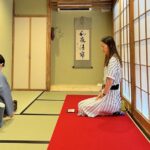
This is a 3-hour cultural reset in central Osaka, designed like a step-by-step workshop rather than a fast “see and leave” stop. You meet at 山茶花 Sazanka Osaka, 543-0001 Osaka, Tennoji Ward, Uehonmachi, 5-chōme721 早川ビル 2階. From there, your experience ends back at the same meeting point.
The room is climate-controlled, which matters more than you’d think. Osaka can swing hot and humid, and a tea-and-brush session goes much better when you’re not sweating through your kimono before you even start.
You can also read our reviews of more tours and experiences in Osaka.

Kimono Fitting at Sazanka: Choose, Dress, and Photograph with Confidence
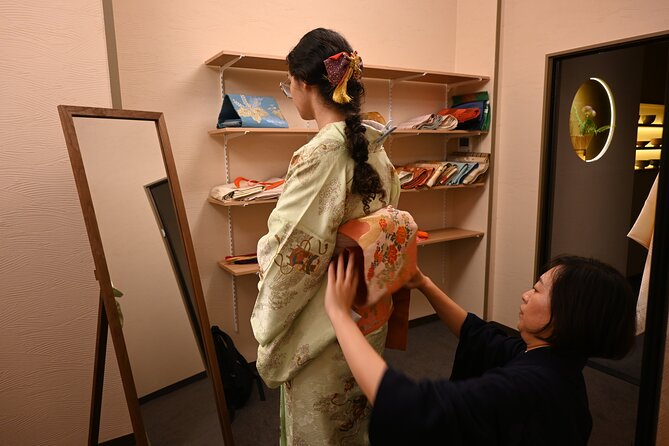
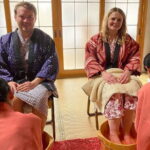
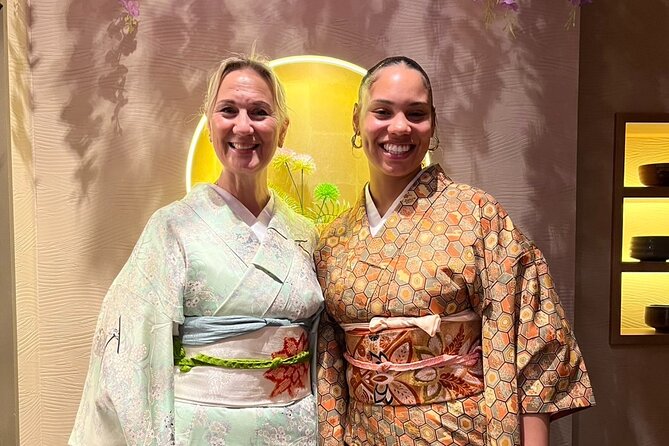
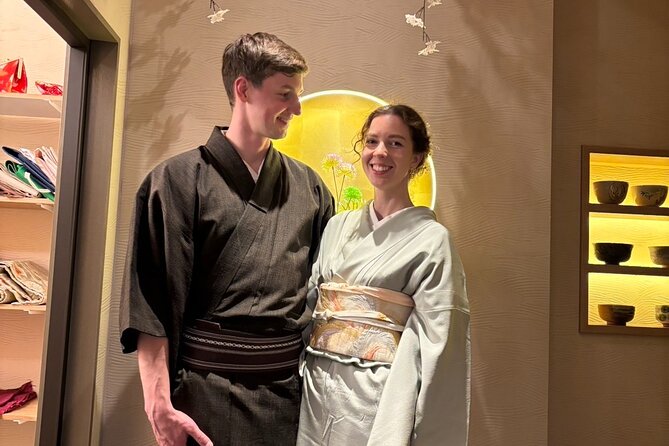
The kimono part is more than a costume moment. You get a full rental, including the obi and accessories, and you’ll receive a private dressing service. In practice, that means you’re not left standing around figuring out how to wear layers that were never meant for one-size-fits-all tourism.
One of the best parts is that you’ll be helped through the look end-to-end. Reviews highlight the chance to choose a beautiful kimono, and at least one account mentions hair styling as part of getting ready. Even if you’re not a fashion person, you can still feel the payoff: the staff adjusts and helps so you can actually enjoy wearing it, not just survive it.
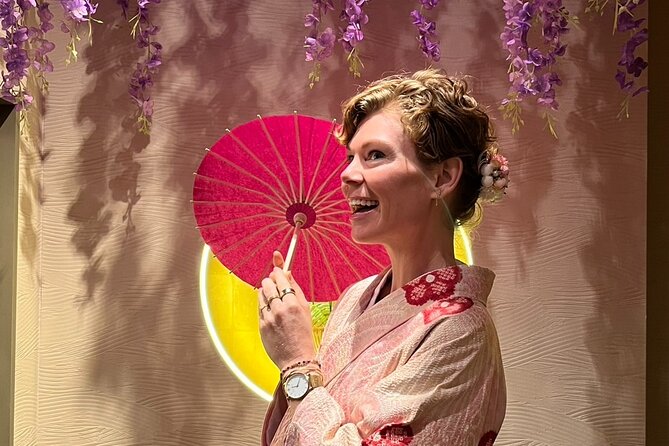
And yes, this is the kind of setup where photos make sense. Since the outfit is part of the activity, you’ll have time to enjoy how you look and take pictures while you’re dressed. Bring your camera mindset with you, but also bring patience—getting dressed takes care, and that care is the point.
A practical caution
Kimono fit can vary by body type. You’ll be assisted, but you should still be ready to communicate clearly about comfort and mobility, especially if you have any constraints with standing, sitting, or walking.
Tea Ceremony with Matcha and Sweets: Learning the Rhythm, Not Just the Rules
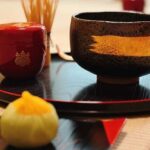
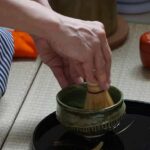
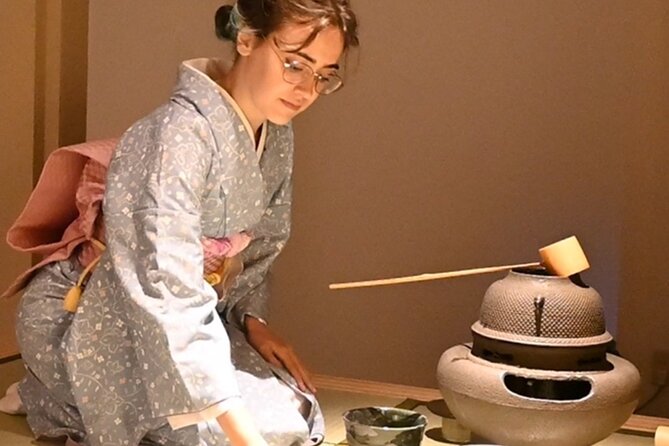
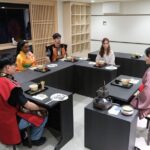
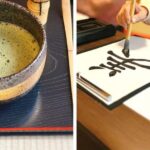
The tea ceremony is the calm centerpiece. You’ll get matcha and sweets as part of the experience, and you’re guided through the ceremony rather than watching from across the room.
What I like about this approach is that it turns tea into a sequence you can actually remember. Instead of treating it as a performance, you learn the basic flow—how the moment moves from preparation to serving to tasting—so it feels personal when you experience it.
Matcha and sweets are included, which makes this easier for first-timers. You don’t need to ask what to do next or where the food fits into etiquette. You can focus on how tea is served, how you handle the cup, and how the ceremony creates that quiet pause people associate with Japanese tea culture.
Why it’s worth your time
A tea ceremony can sound simple—tea, bowl, sip. But doing it with guidance teaches you something useful: how cultural practices are built from small, repeatable actions. That’s where the experience becomes more than a photo.



Calligraphy Session: Tools Provided and a Take-Home Piece
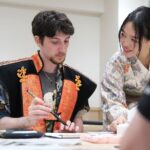
Then comes calligraphy—brush in hand, paper ready. You’re provided with the tools and papers, so you’re free to concentrate on forming characters (or shapes, depending on the exercise) without hunting for supplies.
I like that the calligraphy is treated like an activity you participate in, not a demonstration. Reviews mention making a fan-style take-home piece, and while your exact output may vary based on what’s available or what you choose, the promise is consistent: you’ll create calligraphy and take it home.
This is also where your beginner status works in your favor. Calligraphy lessons in a guided setting give you a structure for how to hold the brush and how to pace your strokes. If you’ve never used a brush before, that help matters.
Photo vs. ink reality
Plan to enjoy the art rather than rush it. Your paper piece is something you’ll want to handle carefully at the end, so don’t shove it into a crowded bag right away. Treat it like a keepsake, because it is.
What the Staff Focuses On: English Guidance and “Do It Yourself” Learning
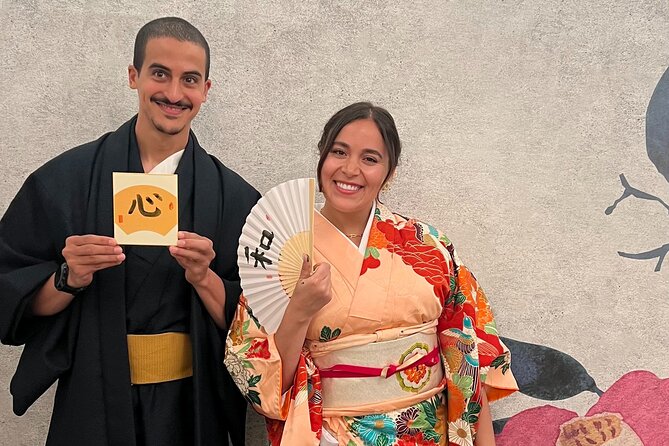
This experience is built for real participation. English-speaking support and guidance are included, and that shows up in how the session is paced. You get help as you go—kimono fitting, tea ceremony flow, and calligraphy practice—so you’re not stuck translating in your head.
That kind of support is especially valuable if you’re doing this while visiting multiple neighborhoods. You want your cultural hour to feel smooth. Here, the structure helps you stay in the moment, whether you’re the type who asks lots of questions or the type who just wants clear instructions.
Warm, welcoming hosting also comes up in accounts from guests. That matters because some cultural experiences can feel intimidating if you worry about etiquette. When staff makes it comfortable to be a beginner, you actually learn.
Price and Value: Is $97.73 Worth Three Hours of Culture?
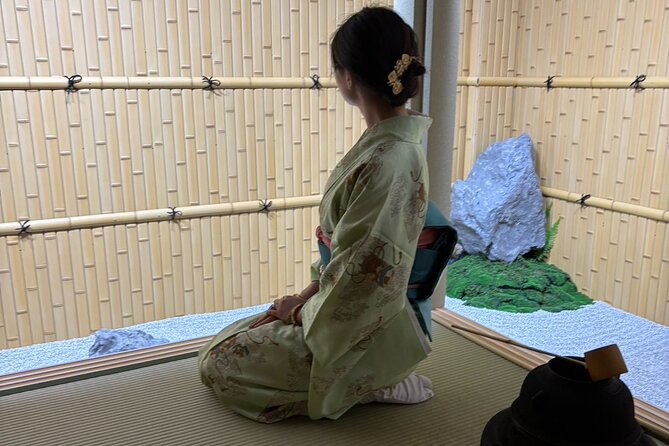
At $97.73 per person, this isn’t a “grab a snack and see a show” bargain. It’s priced like a hands-on workshop: kimono rental (including obi and accessories), private dressing service, matcha and sweets, plus calligraphy tools and papers. You’re also paying for English-speaking guidance and a private setting where you won’t be competing with strangers for attention.
From a value perspective, the best comparison isn’t another attraction. It’s what you’d pay if you tried to replicate parts of this on your own:
- Renting a kimono and getting dressed properly usually costs real money.
- A guided tea ceremony is often its own paid experience.
- Calligraphy supplies and instruction are not hard to find, but well-guided instruction in English and a take-home result can be.
If you’re traveling with a friend or partner, the private format also makes the experience feel more personal. And if you’re visiting Osaka during hot weather, the climate-controlled indoor comfort adds more practical value than it sounds like on paper.
One value note
Transportation to the store isn’t included. If you’re staying far from Tennoji/Uehonmachi, factor in that commute cost and time. The meeting point is near public transportation, which helps, but it still affects how smooth your day feels.
Who Should Book This (and Who Might Skip It)
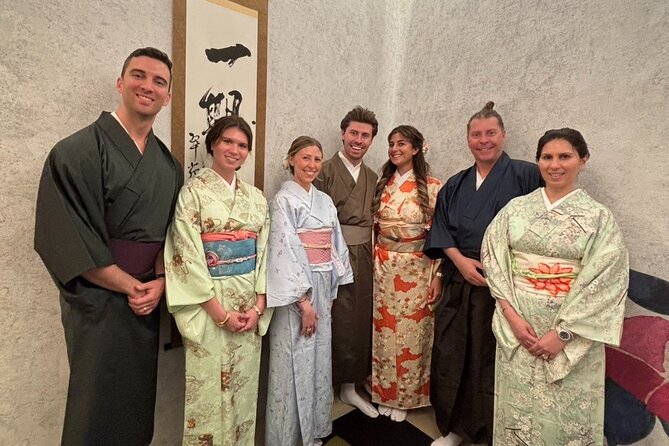
This is a strong pick if you want a short, structured cultural experience that includes doing the activities yourself. It’s great for:
- Beginners who want guidance and clear steps
- Couples or friends who want photos in kimono and a shared activity
- Families and mixed-age groups looking for a relaxed, instructional format
- Anyone who wants indoor comfort without giving up tradition
It might be less ideal if you need interpretation in languages other than English. Based on what’s listed, English support is the main language support you should count on.
Also, if you’re the type who prefers wandering and discovery over instruction, you might feel a bit “scheduled.” This experience is intentional and step-by-step for a reason.
Should You Book Osaka: Tea Ceremony, Calligraphy, and Kimono?
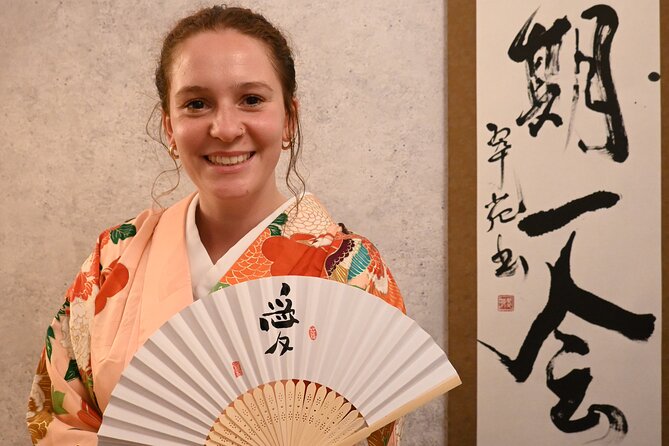
Yes, I’d book it if you want a high-satisfaction cultural block that covers three iconic traditions in one calm session. The biggest wins are practical: kimono fitting with private assistance, real participation in tea ceremony with matcha and sweets, and calligraphy with tools provided and something to take home.
Book it especially if your Osaka plan includes heat and walking, because the climate-controlled indoor setting makes a huge difference in how enjoyable the experience feels. If you’re comfortable with English-only guidance and you’re ready to spend about three focused hours in a quiet room, this is a smart cultural spend.
FAQ
How long is the Osaka kimono, tea ceremony, and calligraphy experience?
It lasts about 3 hours.
What’s included in the kimono and dressing portion?
You get a full kimono rental, including the obi and accessories, plus a private kimono dressing service.
Is the tour private?
Yes. It’s a private tour/activity, and only your group participates.
Is there English support during the experience?
Yes. English-speaking support and guidance are included, and interpretation in languages other than English is not listed.
Can I take photos and bring something home?
You can take photos in your kimono, and you can bring home your calligraphy piece.
What’s the cancellation policy if plans change?
Free cancellation is available up to 24 hours in advance for a full refund. Changes made less than 24 hours before the start time aren’t accepted.