REVIEW · OSAKA
Matcha Tea Bowl Experience in Osaka
Book on GetYourGuide →Operated by Tocoton LLC · Bookable on GetYourGuide
That first swirl of clay tools is weirdly calming. In this Osaka workshop, you shape a matcha tea bowl (chawan) using kurinuki carving, then taste matcha with sweets.
I like the hands-on creativity, because no two bowls come out the same, which fits the Japanese idea of wabi-sabi. I also like the culture piece: you’re taught how the bowl fits into the tea ceremony, not just how to decorate clay. The main drawback to note is that your bowl is shipped about two months later, and shipping costs are extra.
In This Review
- Key things I’d circle before you go
- Why a kurinuki chawan workshop makes sense in Osaka
- Kurinuki bowl making: what happens during your 90 minutes to 2 hours
- Start with the clay and learn the method
- Carve, refine, and make choices
- Sign your bowl in Japanese characters
- Choose your color at the end
- Tea ceremony culture: the bowl is only half the story
- The setting, getting there, and timing that actually works
- Private by design: what you gain from being with one group
- Optional tea ceremony add-on with Kiyomi and Masako
- The ceramic gift and what to do with it
- Taking your bowl home: shipping timing and cost reality
- Price and value: is $83 worth it?
- Who should book this matcha bowl experience in Osaka
- My booking advice for a smooth experience
- Should you book this matcha tea bowl workshop?
- FAQ
- Where do I meet for the matcha tea bowl experience?
- How long does the workshop take?
- Is this a private class?
- Do I need any prior ceramics experience?
- What languages are available during the workshop?
- Do I get to take my bowl home?
- What is included in the price?
- Is the tea ceremony included?
Key things I’d circle before you go
- Kurinuki carving: you carve the clay to create a personal texture and design
- Tea ceremony context: you learn how chawan style and bowl use connect to culture
- Private, instructor-led time: the workshop is taught by Anna in English, Spanish, Catalan, or Japanese
- Make it yours: you can sign your bowl with Japanese characters and choose a color at the end
- Take-home ceramics: you’ll receive a ceramic gift, and your bowl gets shipped later
Why a kurinuki chawan workshop makes sense in Osaka
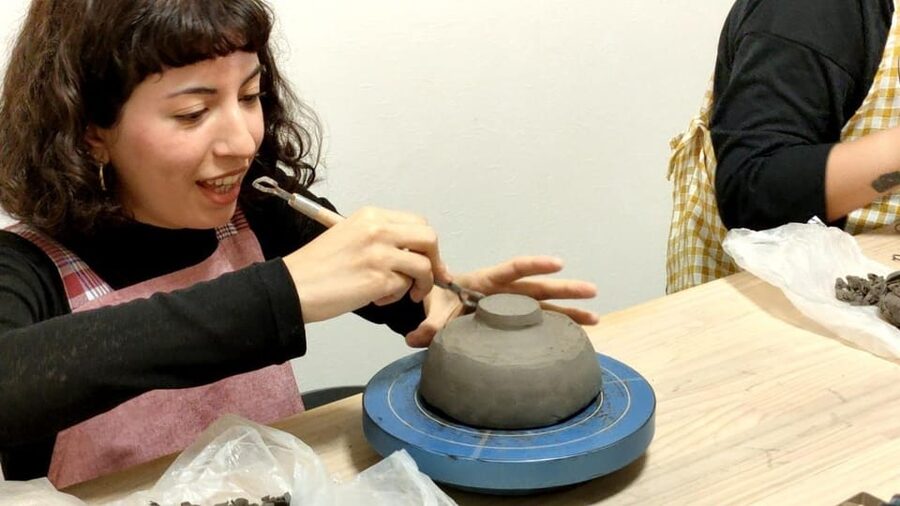
Osaka is famous for food, street energy, and quick wins. But a matcha tea bowl workshop gives you a slower kind of souvenir. You’re not buying something that already exists. You’re learning a craft method and taking the result home later, like a piece of your trip that you helped create.
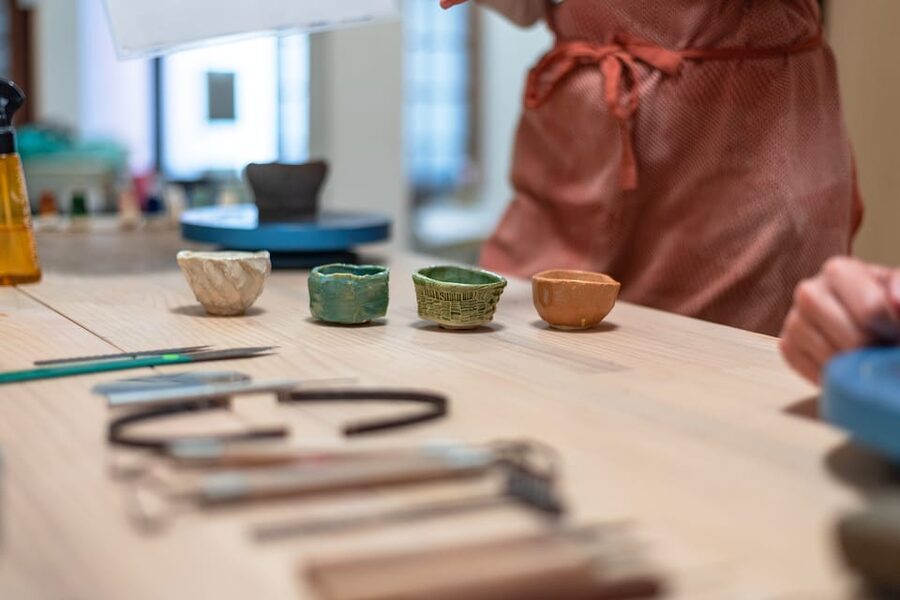
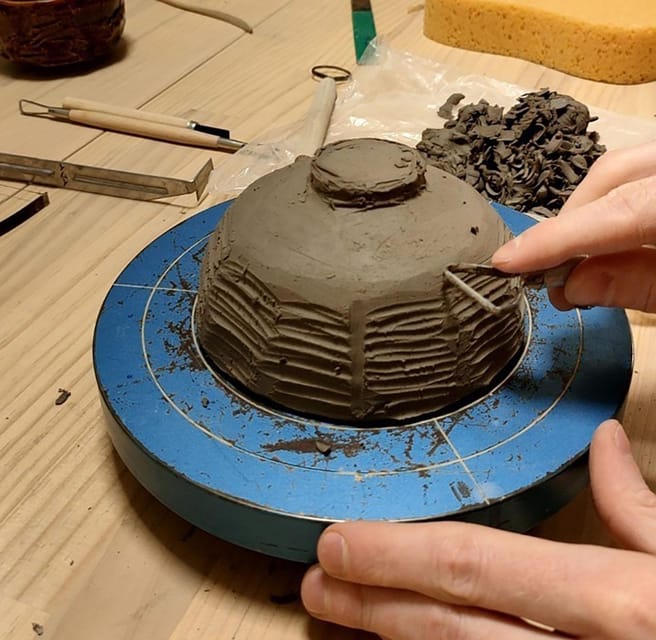
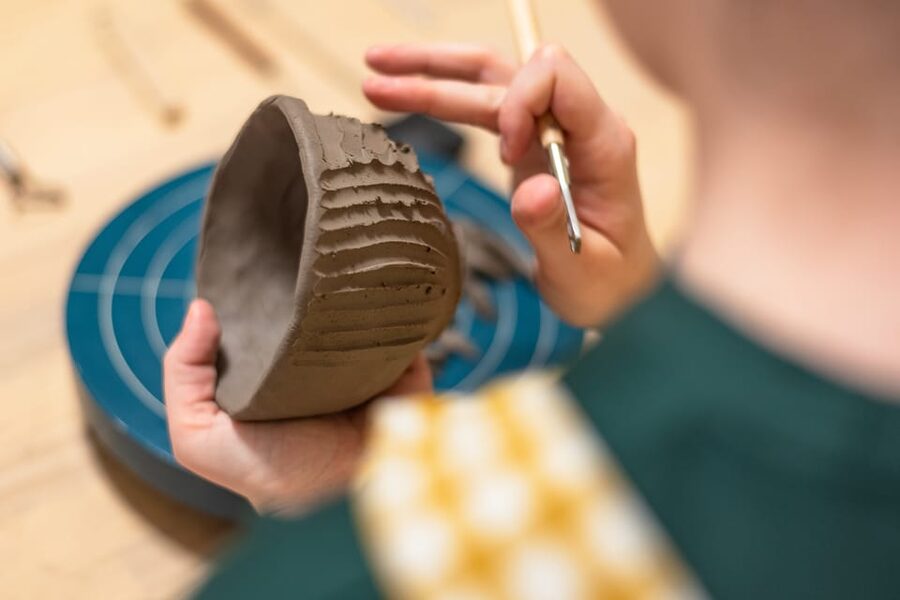
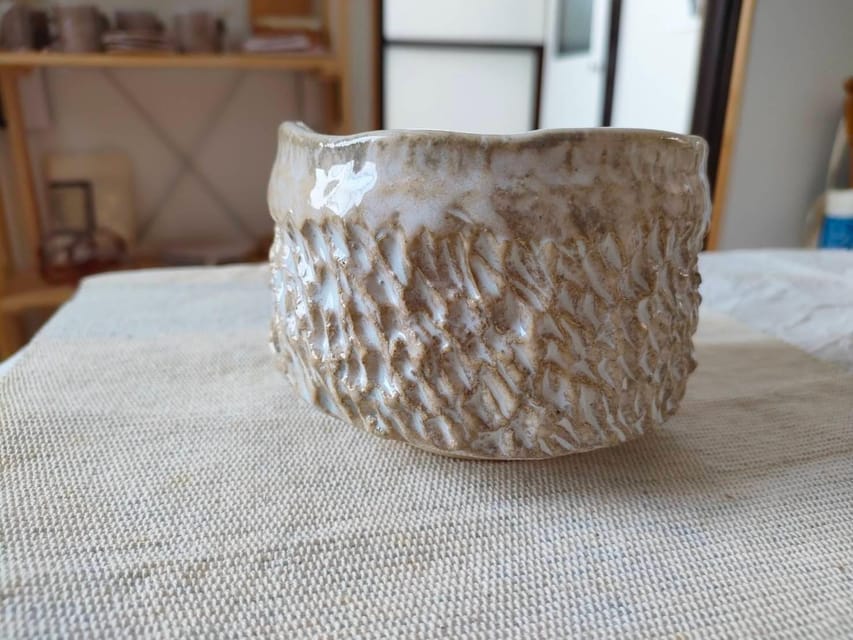
The heart of this experience is the kurinuki technique. In plain terms, you carve the clay with different tools so the bowl surface has its own character. That matters because the point isn’t perfect uniformity. The Japanese aesthetic often values irregular beauty and real material texture, and this style is meant to carry that wabi-sabi feel.
The workshop also does something many craft classes skip: it ties the bowl to the tea ceremony. That means you’re not only decorating an object; you’re learning why the bowl’s shape, finish, and even the way it’s used matter.
One more reason it’s a smart Osaka activity: it’s in Ikuno Ward, so it’s a chance to see a local side of the city instead of only the usual tourist loop.
You can also read our reviews of more tours and experiences in Osaka.
Kurinuki bowl making: what happens during your 90 minutes to 2 hours
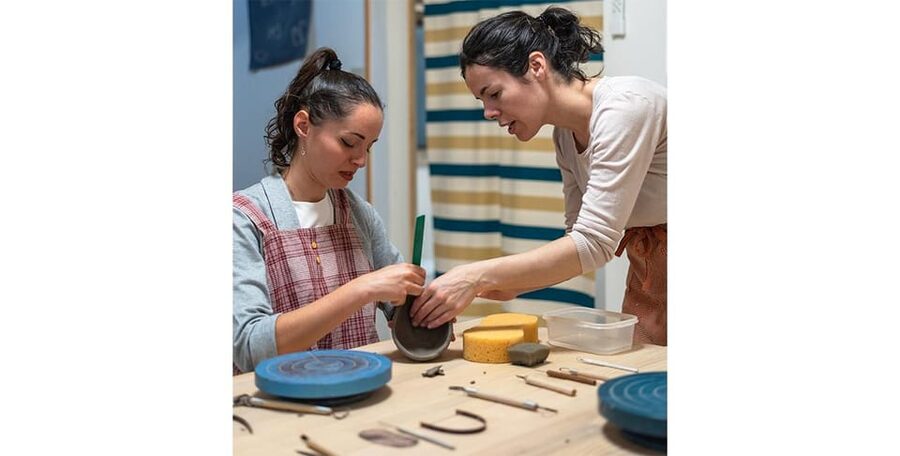
Your session runs about 90 minutes to 2 hours. No previous experience is needed, and the whole thing is guided by Anna, who studied ceramics in Osaka. The pacing is hands-on and practical, with enough cultural talk to make the craft feel meaningful instead of technical-for-technical’s-sake.
Here’s the flow you can expect:
Start with the clay and learn the method
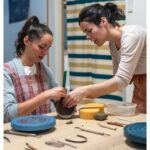
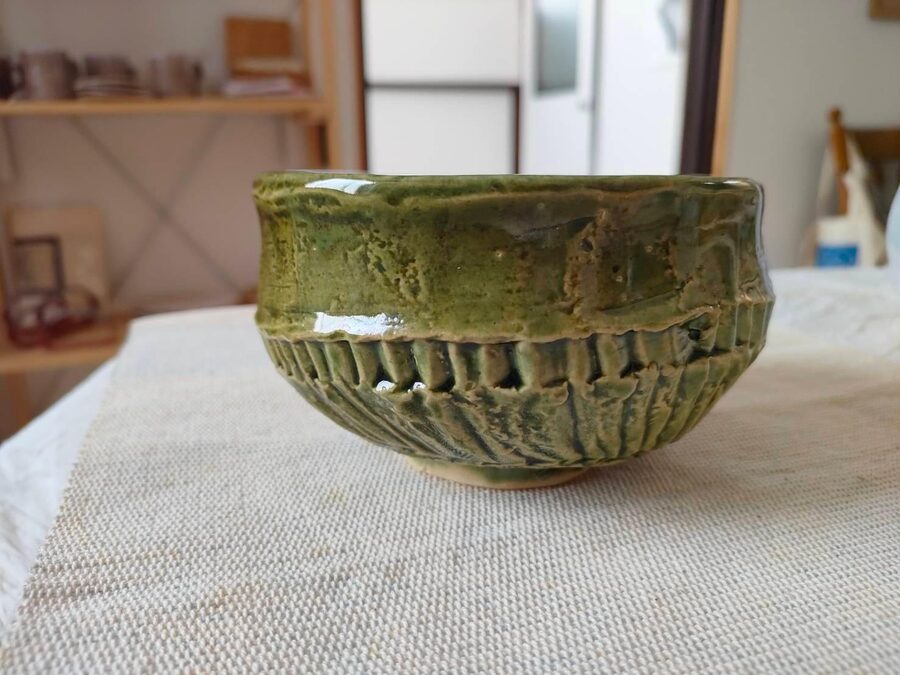
You begin by learning how to use tools to carve the bowl design. The goal is a surface you can recognize as yours, not something copied from a template. The kurinuki approach is popular because the carvings create depth and a natural-looking finish that feels grounded and personal.
Carve, refine, and make choices
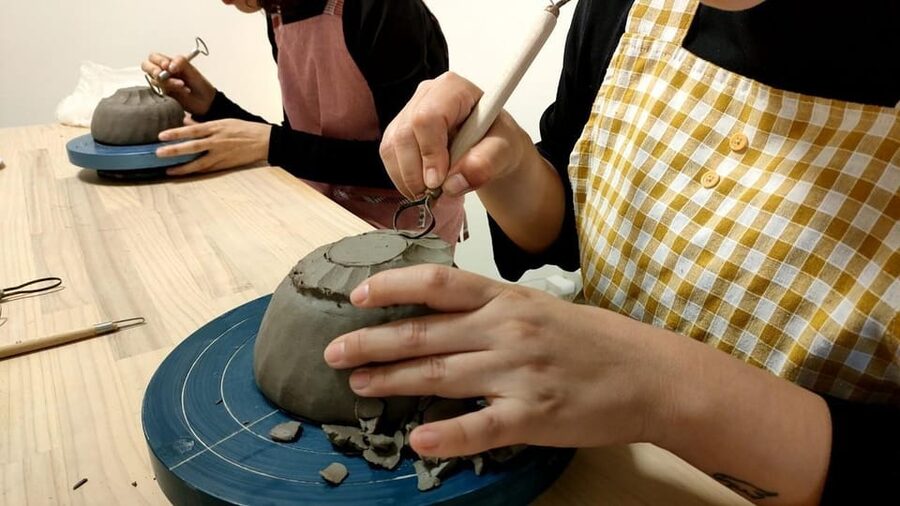
As you work, you’re guided through the steps and helped with the small problems that pop up when your hands are doing something new. In practice, that can be the difference between a bowl that looks how you imagined and one that looks a bit off. The teaching approach is practical: adjust, fix, and move forward, so you don’t lose the feel of the process.
Sign your bowl in Japanese characters
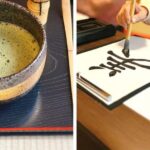
This is a small step, but it’s a big memory marker. You can sign your bowl using Japanese characters, which gives the finished piece an added layer of intention. It’s also the kind of detail that makes the bowl feel like it belongs to you, not the class.



Choose your color at the end
Near the end, you select the color for your bowl. That part is fun because you’re making final decisions after you’ve already built the texture. It also helps you understand how glazing choices change the mood of a ceramics piece.
Throughout, you’ll also get technical and cultural explanations. The technical part keeps you from feeling lost. The cultural part helps you connect the design choices to the tea ceremony role of the chawan.
Tea ceremony culture: the bowl is only half the story
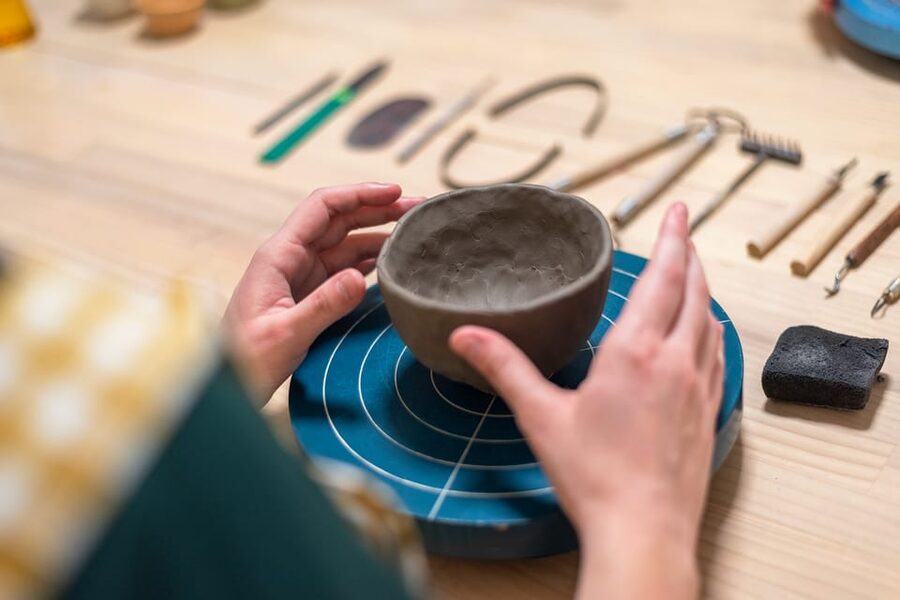
Even if you pick the standard workshop (just bowl making), you still get cultural grounding. They talk about the role of a matcha tea bowl in the tea ceremony and how other elements fit around it. That matters because the chawan isn’t just a container. It’s part of an entire ritual, where texture, weight, and visual character all influence the experience.
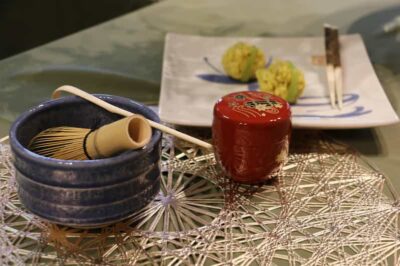
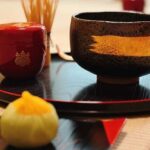
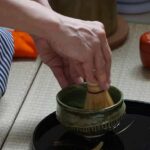
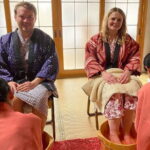
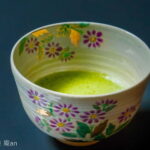
You’ll prepare matcha tea and enjoy it with Japanese sweets. This isn’t only a snack break. It’s how you link the craftsmanship you made with the moment you’ll actually use a bowl like that at home.
And yes, the bowl variety is part of the fun. Even when you use the same method, your carving choices create different results. In a short session, that’s the best lesson you can take home: your hands create a unique artifact, and it’s okay if it doesn’t look exactly like someone else’s.
The setting, getting there, and timing that actually works
You meet at JR Teradacho Station (north exit). Look for a sign that says Ceramics Tocoton. This is one of those details that makes the difference between a smooth start and a slightly stressful search.
The experience includes a station pick-up service, which helps if you don’t want to figure out the last few minutes on foot. Still, I’d plan to arrive a bit early. If you’re more than 15 minutes late, it’s treated as a no-show, so you want a buffer—especially if you’re navigating Osaka trains.
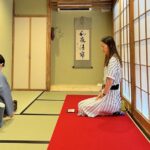
This workshop happens in a traditional building, and that’s part of the value. It changes the feel of the class. You’re not learning ceramics in a factory-style room; you’re learning in a space that supports the vibe of the tea culture.
The only practical caution here is space comfort. It’s not suitable for wheelchair users because the space isn’t adapted. Also, it’s not suitable for children under 6 years old.
Private by design: what you gain from being with one group
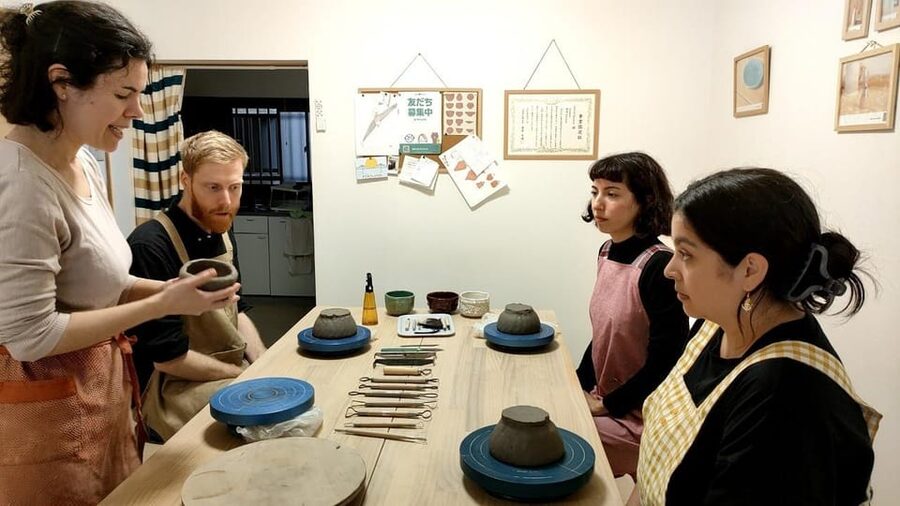
This is a private group workshop. That’s important because ceramics needs attention. Tools, clay timing, and guidance all benefit from a calm pace and more direct interaction with the instructor.
A few notes from the lived experience people talk about:
- Sessions can feel intimate, even small in size.
- The instruction includes fixing small mistakes as you go, which keeps the workshop from turning into a solo struggle.
- You’re not just left to decorate and hope for the best. Anna guides you through the process and stays focused on your results.
In other words, you get the structure of a class without the chaos of a big-group schedule.
Optional tea ceremony add-on with Kiyomi and Masako
If you want the full cultural package, there’s an optional combined workshop. This is longer and more ritual-focused because you start with tea ceremony basics and then move into bowl making.
In that add-on:
- You prepare matcha with tea ceremony masters Kiyomi and Masako.
- Then you make your matcha tea bowl with Anna, who studied pottery in both Osaka and Barcelona.
- After the tea and sweets, you shape and decorate your bowl using traditional Japanese pottery techniques.
The add-on also includes a smaller ceramic dish as a gift, described as perfect for enjoying sweets during tea ceremony at home. If you’re the type who wants something you can actually use in a home tea moment (not just display), this add-on can be a great fit.
If you’re short on time, the standard workshop still delivers the bowl experience plus matcha and sweets. The add-on is best when you want the ceremony itself to feel more real and less like background context.
The ceramic gift and what to do with it
Included in the experience is a ceramic gift. In the optional combined workshop, the gift is a small dish meant for sweets during tea ceremony at home.
This matters for two reasons:
- It lowers the pressure of your main bowl project. Even if you focus most of your energy on carving and shaping, you still leave with a finished ceramic item right away.
- It gives you a practical item you can use when you try matcha at home. Ceramics designed for sweets makes a nice ritual pairing.
People also mention there’s a small shop area with handmade pottery available for purchase at reasonable prices. If you see something you love, it’s an easy way to add one more piece to your tea setup.
Taking your bowl home: shipping timing and cost reality
Here’s the deal you should plan around: your bowl is shipped to the address you provide in about two months. Shipping costs aren’t included, so you’ll need to budget extra. The approximate cost depends on your country and the number of people, so it’s worth contacting the provider when you book if you want a clearer estimate.
Two helpful mindset tips:
- Think of this as an investment in a souvenir that won’t take up space in your luggage.
- Don’t wait too long to give your final address or you risk slowing the process.
This setup can feel strange at first if you expect a carry-home craft. But for ceramics, it actually makes sense. The timeline gives the bowl time to go from finished classroom project to a proper take-home piece.
Price and value: is $83 worth it?
At $83 per person, you’re paying for more than hands-on pottery. You’re paying for:
- instructor guidance through kurinuki carving and finishing decisions
- explanation of the tea ceremony and cultural context
- all materials and equipment
- drinks during the session
- a ceramic gift
- your bowl being made and then shipped later (shipping cost is extra, but the making and sending process is included)
Is it cheaper than buying a souvenir? Usually, no. But this is where the value is real: you’re creating an object with your own design choices. The time you spend isn’t generic. It’s structured around a technique that has meaning in Japanese craft culture.
If you like crafts, matcha, or tea ceremony culture, this price often feels fair because ceramics takes skill and patience, and you’re getting that guidance in a short, focused block of time.
Who should book this matcha bowl experience in Osaka
This workshop is a strong match if you:
- want an authentic Osaka souvenir that isn’t mass-produced
- like hands-on arts with a clear technique and tangible results
- care about Japanese culture beyond food (especially tea and craftsmanship)
- want a private, instructor-led pace
It may be less ideal if you:
- need a carry-home item the same day
- require wheelchair accessibility (the space isn’t adapted)
- are traveling with kids under 6
One smart strategy: book this early enough in your Osaka trip that you can use the knowledge right away. Even if you don’t end up doing a full tea ceremony later, you’ll understand what you’re looking at when you see chawan in shops and tea-related spaces.
My booking advice for a smooth experience
To get the most out of it, come with a simple idea:
- Pick a bowl style mindset, not a perfect design. Kurinuki rewards texture and personal choices, and that’s the point.
- Be ready to choose a color at the end. If you can, decide what mood you want: calm, warm, or bold.
Also, don’t be shy about asking for practical Osaka tips. People share that Anna offers helpful suggestions for where to eat and what to do, especially if you’re new to the city.
Finally, plan your timing. You meet at JR Teradacho Station (north exit), and late arrivals beyond 15 minutes can cause you to miss the session, so give yourself room for the train and a short walk.
Should you book this matcha tea bowl workshop?
Yes, if you want a meaningful Osaka activity you can’t easily replicate at home. The core value is the combination of kurinuki bowl making plus tea ceremony culture, taught by Anna in a private, calm setting.
Book it especially if you enjoy crafts and you like taking something home that reflects your decisions. Just budget for extra shipping and remember you’ll receive the bowl later, not immediately after class.
FAQ
Where do I meet for the matcha tea bowl experience?
You meet at JR Teradacho Station (north exit). You’ll be able to recognize the team because they carry a sign that says Ceramics Tocoton.
How long does the workshop take?
It runs about 90 minutes to 2 hours, depending on the session time.
Is this a private class?
Yes. It’s conducted as a private group experience.
Do I need any prior ceramics experience?
No. The workshop does not require previous experience.
What languages are available during the workshop?
The workshop is available in English, Spanish, Catalan, and Japanese.
Do I get to take my bowl home?
Your bowl is shipped to the address you provide about two months after the workshop. Shipping costs are not included.
What is included in the price?
The experience includes station pick-up service, all materials and equipment, drinks, a ceramic gift, and technical and cultural explanations.
Is the tea ceremony included?
Tea ceremony basics are included in the standard experience through cultural explanations and you prepare matcha and enjoy it with Japanese sweets. There is also an optional combined workshop that includes tea ceremony basics with tea ceremony masters Kiyomi and Masako before you make the bowl.