REVIEW · HIROSHIMA
Tea Ceremony Experience near Atomic Bomb Dome
Book on GetYourGuide →Operated by Hiroshima K.T · Bookable on GetYourGuide
Atomic history meets quiet ritual. A table-style tea ceremony near the Atomic Bomb Dome turns a busy sightseeing stop into something calm and human, and I love that you can choose your own seasonal confectionery before the first sip. You’ll also get a look at a tea space used for local gatherings, with an English-speaking guide sharing what tea practice is really about.
One practical heads-up: tatami rules are strict. You’ll need socks (and shoes won’t be worn on tatami), so pack them or plan to borrow a pair before you step onto the tea-room floor.
In This Review
- Key highlights you’ll care about
- A 5-Minute Walk From Atomic Bomb Dome: What the Setting Feels Like
- Finding the Tea Room: Getting There and Meeting the Moment
- Choosing Seasonal Confectionery: The First Taste of Care
- Tatami Tea Room Viewing: Seeing What Locals Actually Use
- Table-Style Matcha Ceremony: Relaxed, Seated, and Still Real
- Making Tea Yourself: What “Hands-On” Actually Means
- Peace Context Inside a Rebuilt Shop: The Post-Bomb Reconstruction Story
- Shopping for Japanese Confectionery: Bring the Season Home
- Price and Value: Does $45 Make Sense for an Hour?
- Who Should Book This Tea Ceremony Near Atomic Bomb Dome?
- Should You Book It?
- FAQ
- How long is the tea ceremony experience?
- What is included in the $45 price?
- Do I need to bring anything?
- Is there an English-speaking guide?
- How close is it to Atomic Bomb Dome?
- What are the group size and accessibility details?
Key highlights you’ll care about
- Five minutes on foot from Atomic Bomb Dome—easy to pair with peace-area sightseeing
- Pick your own seasonal Japanese sweet—you’re not stuck with a random dessert
- Local-tea-room viewing on tatami—you see how the setting is meant to be used
- Casual table-style ceremony—relaxed, seated, and beginner-friendly
- Two cups of matcha plus one confectionery included—more than a quick tasting
- Recovery story tied to the shop’s post-bomb rebuilding—peace context without lecturing
A 5-Minute Walk From Atomic Bomb Dome: What the Setting Feels Like
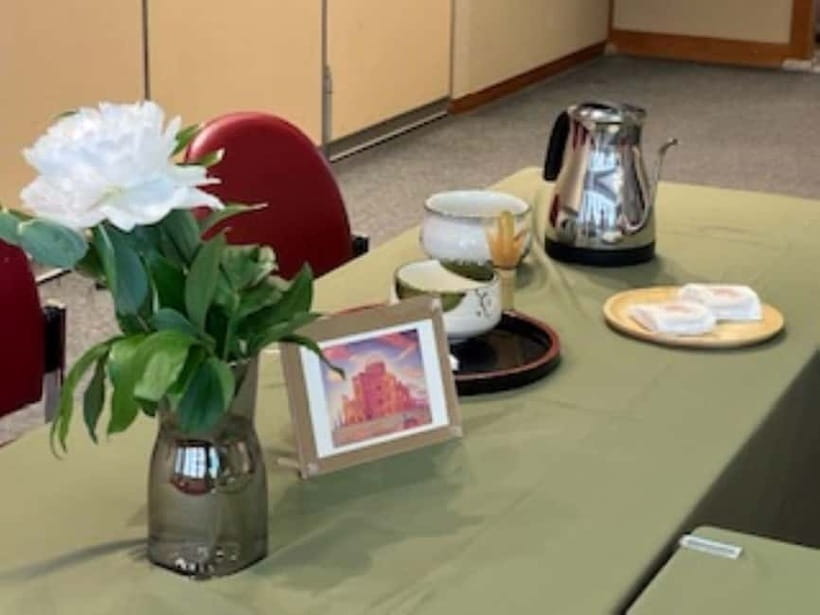
You’re not traveling far to do this. The shop meeting point is about a five-minute walk from Atomic Bomb Dome, which matters because it lets you slow down right where your other plans already are.
This is a small-group experience (limited to 6 participants) run with an English-speaking live guide, so the pace stays human. You’re seated for a table-style ceremony, but you still get access to a tea room used by locals, including tatami etiquette and the “why” behind the ritual.
Before you go, do one quick mindset shift: matcha here isn’t just a drink. It’s also a way to connect to Japanese social manners and to the rebuilt world around Hiroshima’s memorial sites.
You can also read our reviews of more tours and experiences in Hiroshima.
Finding the Tea Room: Getting There and Meeting the Moment
Getting to the meeting point is straightforward. From Hiroshima Electric Railway’s Atomic Bomb Dome-mae Station, you cross Aioi Bridge, pass Honkawa-cho Station and a Lawson convenience store, then look for Takaki (高木) on the left at the next block. From Hiroshima Station, you can disembark at Honkawa-cho Station on the Miyajima Line, cross to Lawson, and again aim for Takaki on your left.
Plan to enter through the shop entrance and go up to the second floor. It’s a good spot for a focused hour because you’re close to major sights, and you don’t need extra transit time eating into your peace-area schedule.
The experience duration is about 1 hour, which keeps it from feeling like a half-day commitment. You’ll get enough guidance to understand what’s happening, but it won’t drag.
Choosing Seasonal Confectionery: The First Taste of Care
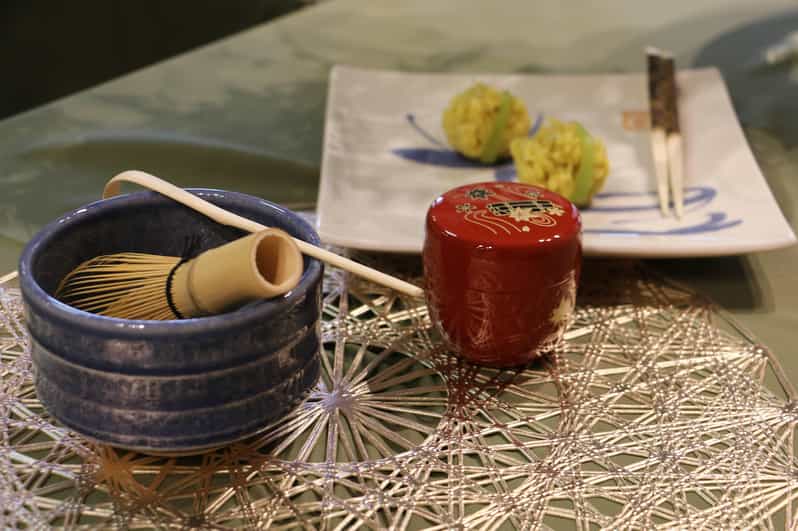
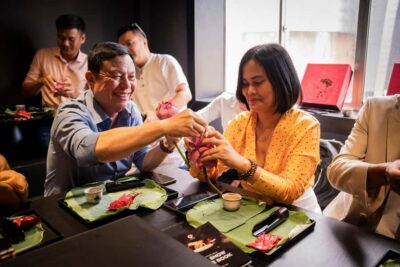
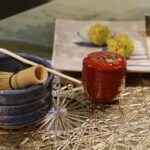
One of my favorite parts of this setup is the moment you get to pick your sweets. You’ll select from seasonal confectionery made by artisans, so your dessert choice isn’t generic.
This matters more than it sounds. In tea culture, sweetness and presentation often act like a seasonal “caption” for the matcha. Picking the confectionery yourself also keeps you engaged right away, and it reduces that awkward feeling of waiting while someone else makes the decisions.
In the tea room experience, the guide helps connect your sweet choice to the broader meaning of the ceremony. In prior sessions, the host has also assisted with selecting treats to take away, which tells me the shop’s approach is practical, not stiff.
Tatami Tea Room Viewing: Seeing What Locals Actually Use
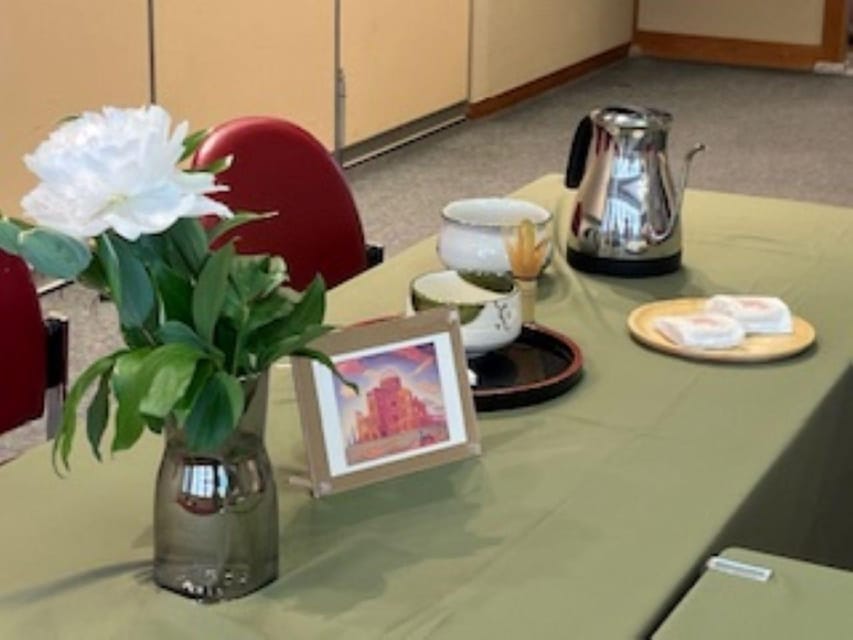
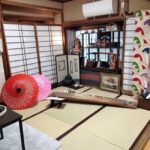
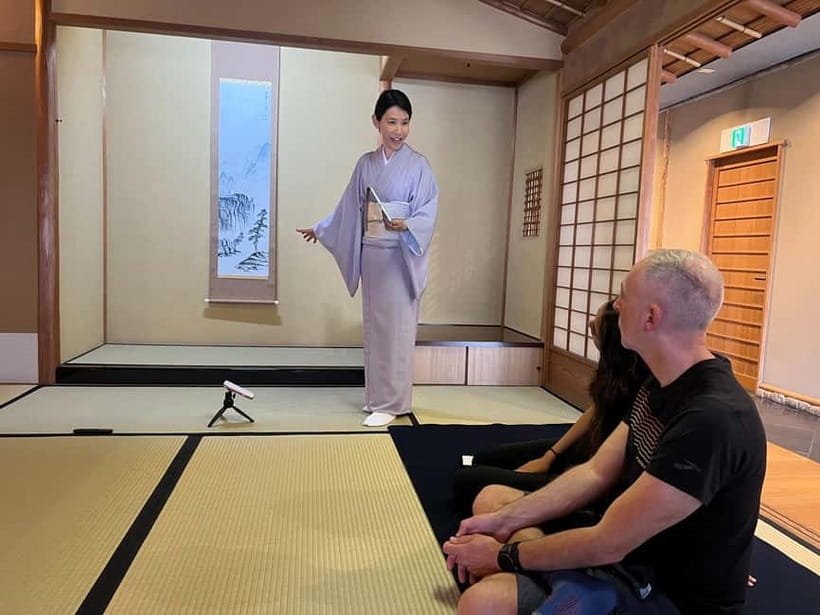
You don’t just sit in a corner and watch from a distance. You’ll be able to visit a tea room used by locals for tea gatherings, and the guide explains the spirit and traditions behind tea ceremony.
The key detail here is the floor. You’ll have to follow tatami rules: shoes can’t be worn on tatami, and you can’t step on the tatami barefoot. That’s why the tour specifically asks you to bring socks—or you can borrow them on site.
Even if you’re new to Japanese etiquette, this part is worth it. It gives you the setting—quiet, controlled, and designed for respect—so the later table ceremony doesn’t feel random. You’re seeing the “environment” that makes the ritual make sense.
Table-Style Matcha Ceremony: Relaxed, Seated, and Still Real
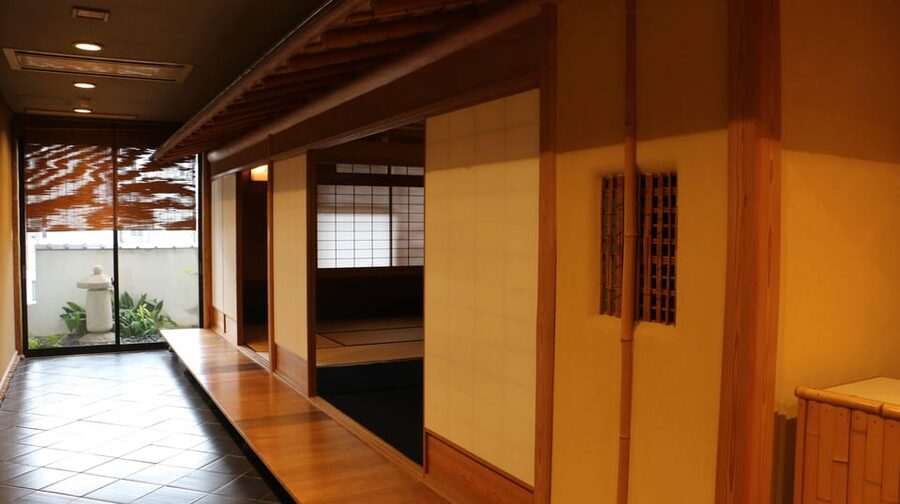
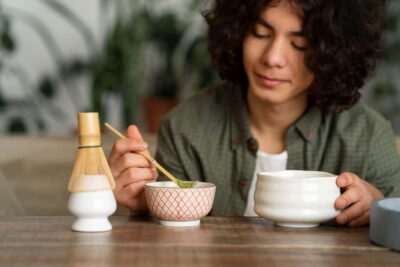
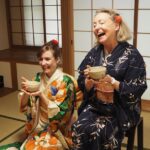
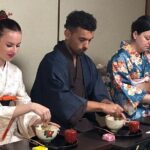
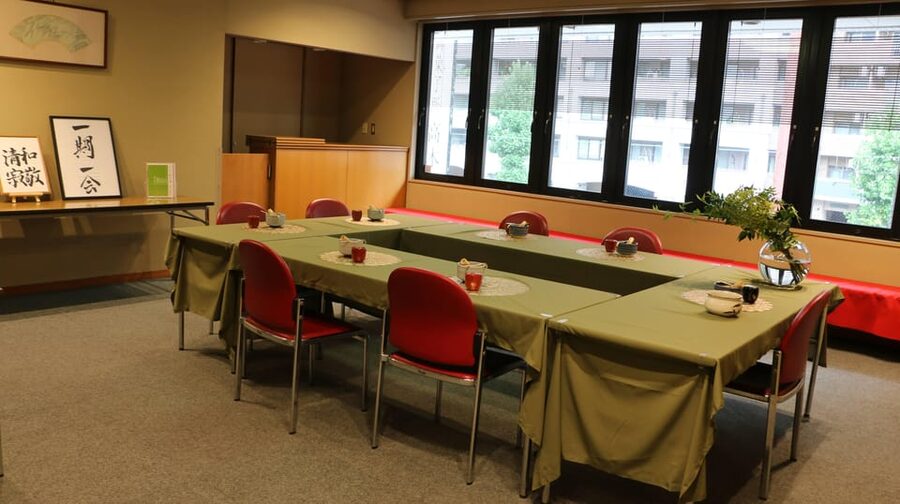
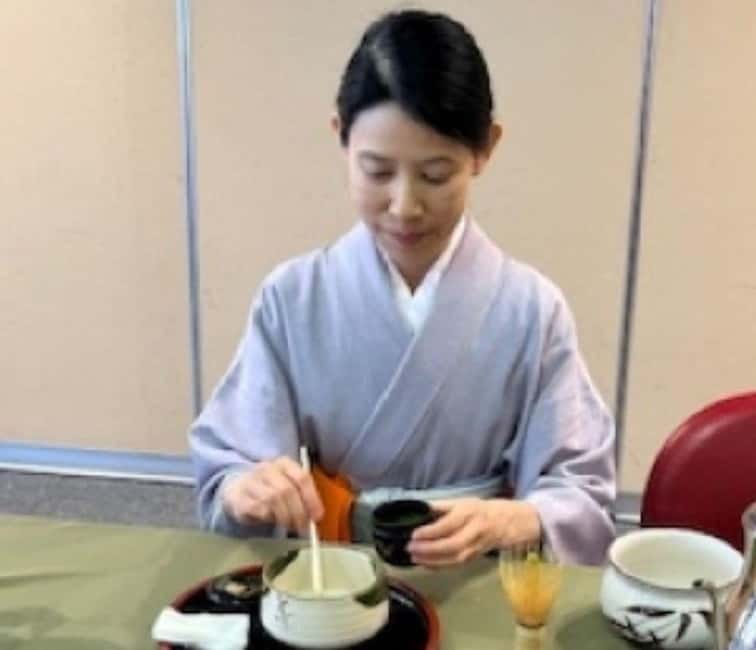
This is a casual tea ceremony while seated at a table, not a full formal floor ceremony. That’s great if you want authentic tea culture but you also want it to feel accessible.
Here’s the flow you can expect:
- You sit at the table for a guided gathering.
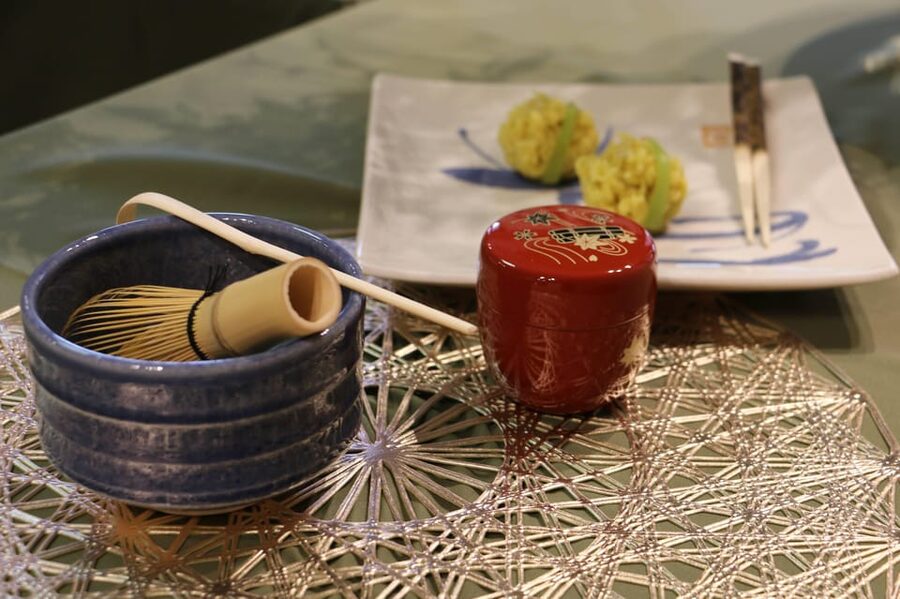
- You enjoy the confectionery you selected, paired with matcha prepared by the guide.
- You get an introduction to etiquette and the idea of harmony between tea, sweets, and the moment.
You’ll drink two cups of matcha during the included experience. Two cups is a nice detail because it gives you time to taste once, then adjust your attention and palate for the second cup, rather than rushing through the whole thing in a single sip.
The guide approach tends to be friendly and patient. In past sessions, Yurie was highlighted for explaining the store history clearly, preparing delicious matcha, and being kind while teaching etiquette and how to handle the ritual steps.

Making Tea Yourself: What “Hands-On” Actually Means
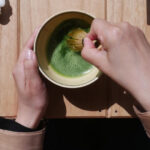
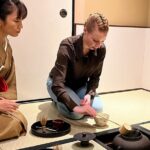
After the tasting, you’ll get to experience making tea. This part turns the ceremony from something you watch into something you understand.
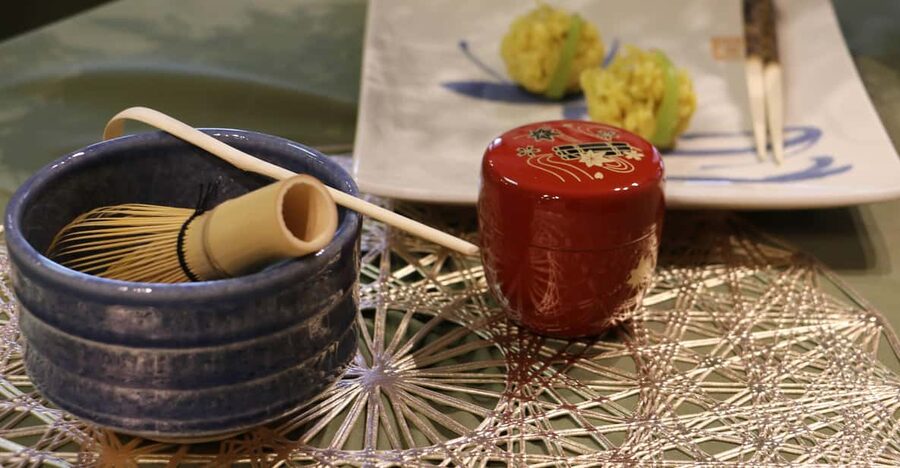
You’ll be guided through the process using matcha and tools appropriate for the table-style format. You don’t have to be “good at tea” to enjoy this. What you want is the chance to learn the basic rhythm: careful movements, attention to the cup, and respect for the process.
This is also where the ceremony becomes memorable. The guide isn’t just telling stories; they’re letting you practice the steps so you can feel what people mean by mindfulness and courtesy in tea culture.
Peace Context Inside a Rebuilt Shop: The Post-Bomb Reconstruction Story
The shop is not just a sweet shop with pretty tea cups. It’s tied to Hiroshima’s trauma and recovery.
It’s located roughly five minutes from the Atomic Bomb Dome, and the business suffered significant damage due to the bombing. During the tour, you’ll get a brief overview of the shop’s recovery from the atomic bombing, including how the store rebuilt after the attack.
This is valuable because it keeps the experience from becoming a theme-park version of Hiroshima. You’re in a commercial space that still carries history, and your guide’s job is to explain that in a respectful, grounded way—without turning your tea ceremony into a forced history lecture.
If you care about understanding Hiroshima beyond the big memorial stops, this segment gives you a more personal layer: rebuilding isn’t only about monuments. It’s also about daily life, neighborhoods, and local businesses returning to form.
Shopping for Japanese Confectionery: Bring the Season Home
After the ceremony, you can shop. There’s Japanese confectionery shopping on the first floor, which is a great follow-on because you’ve just learned how seasonal sweets matter.
This is where your choice from earlier may influence what you buy later. If you liked the flavor direction you picked, you can search for similar seasonal items to take back.
It’s also a practical way to turn your hour into a complete souvenir plan. Instead of guessing at random snacks, you leave with a sense of what the shop does well and what “seasonal” means in this kind of confectionery tradition.
Price and Value: Does $45 Make Sense for an Hour?
The price is $45 per person for about 1 hour. That’s not cheap compared to a self-guided matcha stop, but the value is in what’s bundled.
You get:
- Tea ceremony experience
- Two cups of matcha and one piece of confectionery included
- An English live guide
- Access to a tea room used by locals (plus tatami etiquette)
- The chance to experience making tea yourself
- Small group size (limited to 6)
For $45, you’re paying for guided access and coaching, not just a drink. If you want matcha plus context plus hands-on learning near the Atomic Bomb Dome without spending your whole day moving between locations, this price starts to feel fair.
Who Should Book This Tea Ceremony Near Atomic Bomb Dome?
This is a strong fit if you:
- want something quieter and more reflective than standard sightseeing
- like cultural rituals that include etiquette, not just a tasting
- prefer smaller groups and an English-speaking guide
- are nearby already and want to add an authentic experience without big logistics
It may be less ideal if you hate rules. Tatami etiquette is real here—shoes off, no barefoot stepping, and socks are required. If that sounds annoying, bring socks anyway. It’s an easy fix.
Also note what’s not included: transportation and any extra food or drinks beyond what the ceremony provides.
Should You Book It?
Book it if you want a balanced Hiroshima experience: tea culture, seasonal sweetness, and a respectful look at rebuilding, all wrapped into a one-hour format close to the Atomic Bomb Dome. The small group size and the hands-on matcha making are the kind of details that make $45 feel like learning, not just consumption.
Skip it only if you’re looking for a fully independent tasting or you don’t want to deal with tatami/socks rules. Otherwise, this is the kind of activity that adds calm to a heavy landscape.
FAQ
How long is the tea ceremony experience?
It lasts about 1 hour.
What is included in the $45 price?
The experience includes the tea ceremony, two cups of matcha, and one piece of confectionery.
Do I need to bring anything?
Yes. You should bring socks because you can’t step on the tatami barefoot, and shoes aren’t worn on tatami. Socks can also be borrowed.
Is there an English-speaking guide?
Yes. The tour offers a live English tour guide.
How close is it to Atomic Bomb Dome?
It’s about a five-minute walk from the Atomic Bomb Dome.
What are the group size and accessibility details?
It’s a small group limited to 6 participants and the venue is wheelchair accessible.