REVIEW · NAIROBI
Riara tea farm tour with lunch and tea tasting from Nairobi
Book on Viator →Operated by Eric Munene · Bookable on Viator
Tea country starts outside Nairobi. This is a Kenyan-owned Riara tea farm visit from the city, with a farm manager walking you through how tea grows, then serving tea and lunch in the Highlands. I love that it feels real, not staged, with time spent where tea actually happens.
Two things I especially like: the tea tasting after the farm tour, and the fact that your guide (including Eric Munene) keeps the story grounded in Kenya, with the farm and family history tied to the country’s past. One watch-out: the day runs about 5 hours and includes several Nairobi photo/city stops, so it’s not only a tea-only experience.
In This Review
- Key highlights before you go
- Nairobi to Limuru: the drive that sets up a tea day
- Nairobi sight stops: useful context, not a long city tour
- Arriving at Limuru: what the Riara tea farm experience actually feels like
- Farm tour to tea tasting: the best order of events
- Lunch at the farm: a real meal, with dietary options
- Tea buying on-site: how to shop without overthinking
- Price and timing: does $150 feel fair for Nairobi?
- Who should book this Riara tea farm tour?
- Should you book Riara Tea Farm with lunch and tea tasting?
- FAQ
- How long is the Riara tea farm tour from Nairobi?
- Do they pick you up from your hotel?
- Where is the tea farm located?
- Is lunch included, and is it barbecue-style?
- Are there options for vegetarians or vegans?
- Does the tour include tea tasting?
- Is this a private tour?
- What’s included in the price?
Key highlights before you go
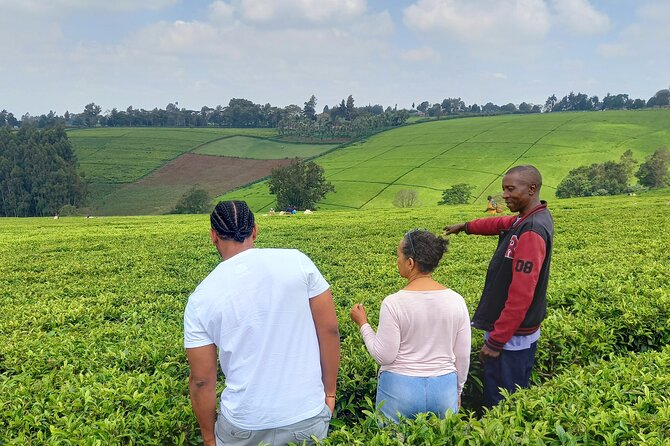
- Riara tea farm in Limuru Highlands: a true tea-growing area just outside Nairobi
- Farm manager-led tour: you’ll learn the process of growing tea in Kenya
- Tea tasting + lunch included: you get to taste what you learned, with a proper meal
- Hotel pickup and drop-off: makes the day smooth even if you’re short on time
- Private tour for your group: no mixing with strangers on this one
- Optional tea shopping on-site: you can take home what you taste
Nairobi to Limuru: the drive that sets up a tea day
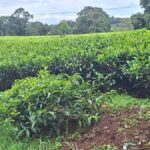
The most underrated part of this tour is the simple shift in air. You leave Nairobi and head toward Limuru, in the Highlands where tea farming is the point of the trip. The ride is about an hour each way, plus extra time for city stops, so you’re not just commuting—you’re transitioning from city pace to farm calm.
This matters because tea farming is visual and sensory. You’ll get the fresh-smelling, cooler feel that makes the tasting make sense. If you’ve only seen tea as a box in a shop, the change in setting helps everything click fast.
Also, you don’t need to worry about getting yourself to the farm. Hotel pickup and drop-off are included, and private transport means you’re not squeezed into a crowded ride with strangers.
You can also read our reviews of more tours and experiences in Nairobi.
Nairobi sight stops: useful context, not a long city tour

Before the tea farm, the schedule gives you quick, practical context for Nairobi. You’ll pass key spots that help you understand the city’s mix of culture, institutions, and modern life.
Here are the city stops you should expect:
- Nairobi National Museum area: a place where nature, culture, history, and art intersect
- Drives through neighborhoods: see how people live and do business across the city
- A major art gallery: one of the biggest in Nairobi
- Two Rivers Mall: described as one of the largest shopping centers in East and Central Africa
- Village Market in Gigiri: known for being one of the older shopping areas in Nairobi
Now, the balance: these aren’t meant to replace a full Nairobi city tour. They’re short stops that give you a sense of where you are and how the day fits together. If you hate rushed sightseeing, plan for a lot of “look, snapshot, move on” energy before you reach the quiet tea farm.
I also appreciate that these stops are paired with the farm part of the day. It avoids the common problem where a tour is all transport and no story. You’re getting small pieces of Nairobi so the tea visit feels anchored in real place.
Arriving at Limuru: what the Riara tea farm experience actually feels like
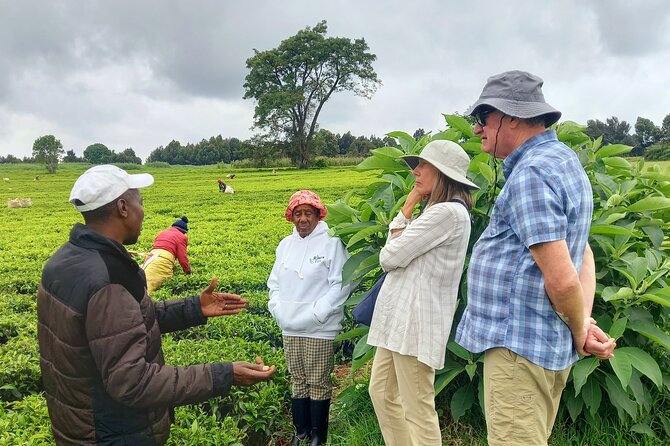
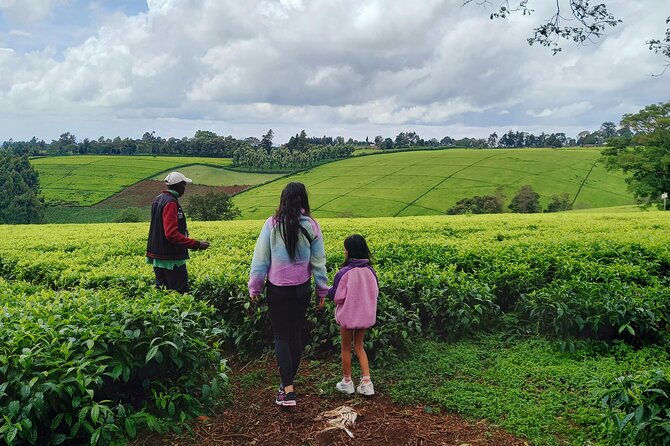
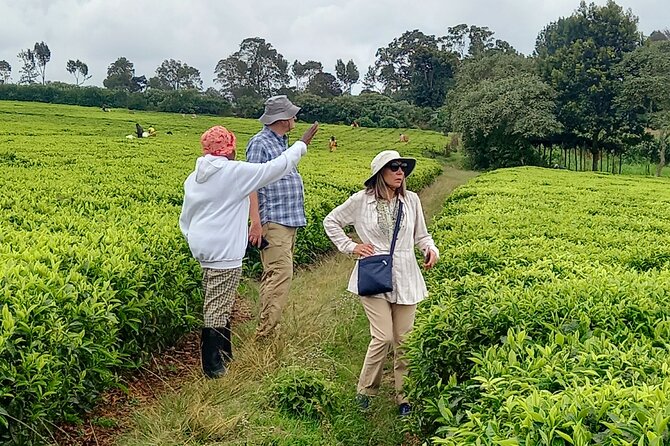
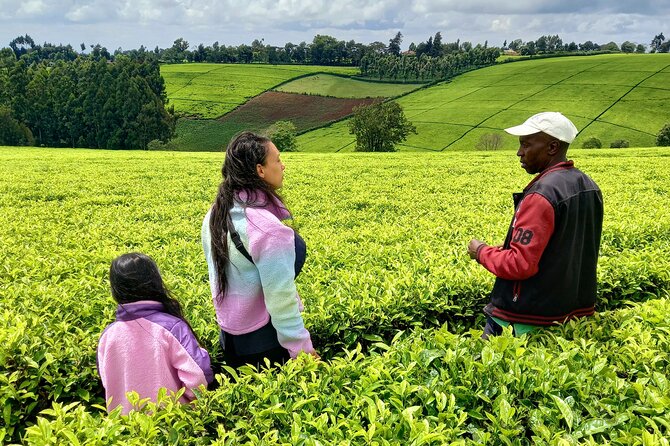
Limuru is one of the tea-growing areas around Nairobi, and Riara’s location there is the whole reason this works. When you arrive, you’re welcomed by the farm manager, then guided through the farm with a clear explanation of how tea is grown in Kenya.
This is the part I’d call the core experience. You’re not just walking by plants. You’re learning how tea becomes tea—from growing and tending to what happens next. The farm manager’s role is key because it turns tea from a product into an operation.
One more detail I like: the experience includes time to slow down enough for tea-country questions. If you’ve ever wondered why Kenya tea tastes a certain way, or why tea farming looks different in different regions, this is where those curiosity points get answered.
And because it’s private for your group, your questions don’t get lost in a crowd. That’s a big quality-of-life upgrade when you’re paying for a short day.
Farm tour to tea tasting: the best order of events
After the farm tour, you’ll move into tasting mode. This is one of the smartest parts of the tour flow. First you learn the process, then you taste. It reduces the usual problem: tasting first can feel like a blur. Doing the tasting after the farm talk makes the flavor experience more meaningful.
Tea tasting here isn’t just sipping. It’s tied to the farm tour, so you can connect what you saw with what you’re tasting. You also get a stronger sense of Kenyan tea culture, not just tea as a drink.
If you’re the type who reads labels but never thinks about origin, you’ll probably start noticing differences more easily after this. And if you’re a tea nerd (no judgment), you’ll get enough context to sound smart later.
You’ll also have an optional opportunity to purchase tea before leaving. This is practical: you’re already tasting, so you can decide with your palate, not just your imagination.
Lunch at the farm: a real meal, with dietary options
Lunch is included, and it’s described as a barbecue lunch. That’s great for value, because it saves you from hunting down food once you’re out in the Highlands.
What makes this better than a token snack is the time and the setting. You’re eating on the farm after your tour, so the meal feels like part of the day instead of a rushed stop.
Dietary note: the tour can offer options for vegans and vegetarians. If you have dietary requirements, you should indicate them when booking. Since the lunch is explicitly a barbecue style, that’s worth taking seriously so you’re not stuck trying to make do with something limited.
If you’re traveling with people who eat differently, this is a good sign. Many tours say they can handle restrictions but don’t clearly connect it to the meal plan. Here, it’s directly called out.




Tea buying on-site: how to shop without overthinking
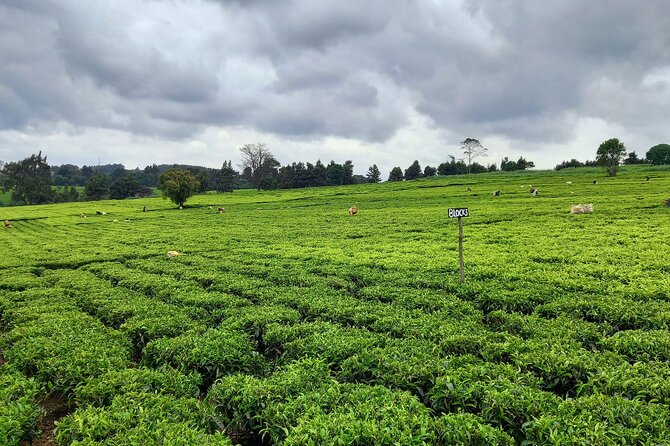
The tour offers an optional chance to purchase tea at the farm before you leave. That can be a nice souvenir, but it’s also where people sometimes get upsold.
Here’s my practical approach: taste first, decide what you want to drink at home, then ask what’s best for your style. If you know you like stronger brews or want something for daily cups, focus on that. If you’re buying as a gift, match it to what you already liked during tasting.
Because the purchase is optional, you control how much you spend. And since you’re buying directly from a tea farm location in Limuru, it’s at least tied to the experience you just learned about—not some random “tour shop” stop.
Price and timing: does $150 feel fair for Nairobi?
At $150 per person for about 5 hours, this isn’t a cheap impulse activity. But it also isn’t overpriced in the way some day tours can be, because it’s not just a ticket—it’s transport, guide time, farm admission, tea tasting, and lunch.
Let’s break down what you’re paying for:
- Pickup and drop-off plus private transportation for a round-trip day from Nairobi
- Admission to the tea farm
- Guide support during the farm portion
- Lunch at the farm
- Tea tasting as part of the overall experience
Also, you’re booking with a provider named Eric Munene, and the experience has a strong human feel. One review highlights Eric as a fantastic guide, and another credits Grace as an amazing tour guide (plus her father). That kind of on-the-ground support matters when you’re spending the day learning and tasting.
Timing is the trade-off. A 5-hour day means you’ll get a curated slice: Nairobi context first, tea farm learning second, then lunch and tasting. If you want a full half-day in the farm with slow pacing and extra walks, you may feel a little rushed. But if you want a meaningful tea day without losing an entire day to logistics, it’s a good fit.
Worth noting: it’s commonly booked about 49 days in advance, so if your dates are fixed, don’t wait until the last week.
Who should book this Riara tea farm tour?
This tour is a great match if you want:
- A tea-focused Kenya experience without complex planning
- A farm explanation from a farm manager, not just a passive walk
- Lunch included, with options for vegans and vegetarians
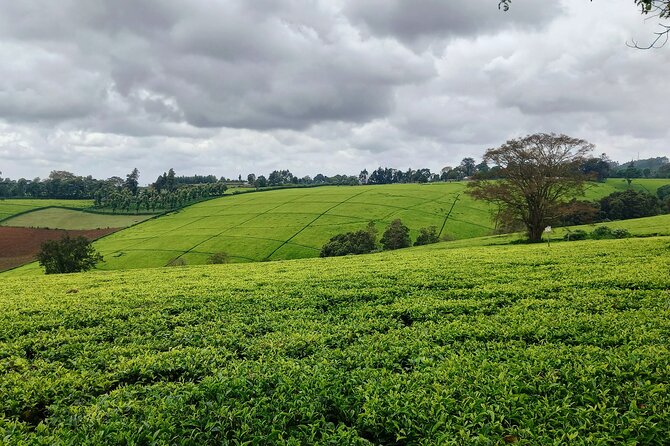
- A day that combines Nairobi context plus countryside calm
It may not be the best match if:
- You only want the farm and nothing else
- You dislike multi-stop schedules, even if the stops are short
- You’re traveling with strict food needs and want zero risk. (In that case, confirm your dietary request clearly when booking.)
If you’re a first-time visitor to Nairobi, this is especially useful. It gives you both city orientation and a direct, sensory Kenya tea experience in one day.
Should you book Riara Tea Farm with lunch and tea tasting?
I’d book it if you like your sightseeing with a point. This tour does more than show you tea plants—it teaches you how tea is grown in Kenya, then lets you taste right afterward. The lunch on-site keeps it satisfying, and the pickup/drop-off makes it easy to fit into a short trip.
Skip it only if you’re the kind of traveler who hates any schedule that includes multiple city stops before the main event. If you want a slow, tea-only day, this one may feel too structured.
If you’re on the fence, here’s the deciding question: do you want to learn tea and taste it in context, with transport and lunch handled? If yes, this is a strong choice.
FAQ
How long is the Riara tea farm tour from Nairobi?
It’s about 5 hours (approx.), including travel time from pickup to drop-off.
Do they pick you up from your hotel?
Yes. Hotel pick-up and drop-off are included.
Where is the tea farm located?
Riara tea farm is located in Limuru, in the Highlands of Limuru where tea is grown.
Is lunch included, and is it barbecue-style?
Lunch is included, and it is described as a barbecue lunch.
Are there options for vegetarians or vegans?
Yes. Vegan and vegetarian options are available if you indicate your dietary requirements when booking.
Does the tour include tea tasting?
Yes. Tea tasting is part of the farm experience after the tour.
Is this a private tour?
Yes. It’s private, meaning only your group participates.
What’s included in the price?
The price includes private transportation, all fees and taxes, admission to the tea farm, lunch, hotel pickup/drop-off, and a guide. Tips are not included.