
REVIEW · NAIROBI
Excursion to Kiambethu Tea Farm
Book on Viator →Operated by Safari Port · Bookable on Viator
Tea fields in Nairobi? Yes—and it’s worth it. This door-to-door Kiambethu Tea Farm day trip mixes a small group feel with real hands-on time at Kenya’s first tea plantation, plus a 3-course lunch on the grounds. I also liked that you get a guide with enough time to answer questions instead of speed-walking you through the views.
The trade-off is simple: it’s a 9-hour day, so if you hate long schedules, this might feel like a lot. I had a smooth run with Obed as my driver and guide—punctual, friendly, and happy to talk—so the day stays easy even when the clock moves.
In This Review
- Key highlights
- Kiambethu Tea Farm: a Nairobi day with real leaf
- Door-to-door timing and why the driver matters
- The tea fields and garden walk (about 4 hours on site)
- Tea tasting, forest plants, and monkey-spotting basics
- The 3-course buffet lunch that keeps things on the farm
- Second stop: seeing how people live day to day
- Price, group size, and what $140 buys you
- Who this Nairobi tea tour suits best (and who might skip)
- Should you book the Kiambethu Tea Farm excursion?
- FAQ
- How long is the excursion?
- What time does the tour start?
- Do they offer hotel pickup and drop-off?
- How big is the group?
- What’s included in the food and drinks?
- Is the farm admission included in the price?
- What dress code should I follow?
- When is the Kiambethu Farm tour closed?
- Can I cancel and get a full refund?
Key highlights
- Kenya’s first tea plantation (est. 1910): Kiambethu is the real starting point for tea in the country.
- Small group size (15 max): You get a more personal walk through fields and gardens.
- Tea tasting plus a garden-and-forest stroll: You don’t just look at tea—you learn how it’s grown.
- Colobus monkey spotting and bird watching: Keep your eyes up; the forest has its own cast.
- 3-course buffet lunch on the farm: Farm meal energy, not a rushed roadside stop.
Kiambethu Tea Farm: a Nairobi day with real leaf
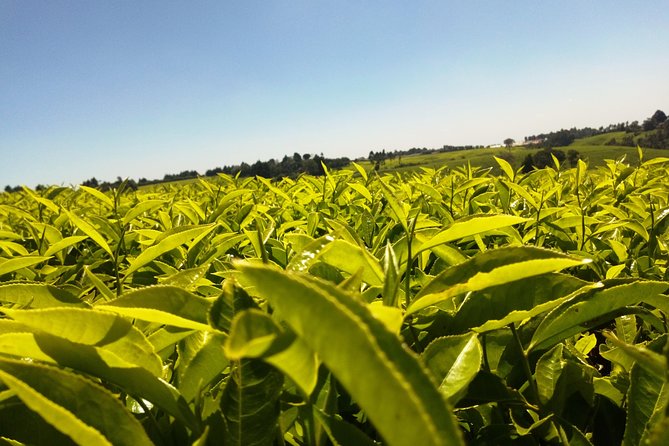
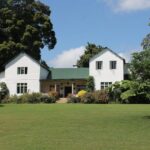
Nairobi gets credit for coffee, but tea is the quieter star here—and Kiambethu is the place to see why. Kiambethu Farm has been around since 1910, which means you’re not touring some brand-new “tea-themed” set. You’re walking in a working plantation shaped by more than a century of growing, pruning, and harvesting.
What makes this excursion feel different is that it blends the practical and the scenic. You get the tea fields and the farm garden, plus time in a forest area where you can spot animals and indigenous plants. It’s the kind of outing where your brain actually fills in the story: how tea plants behave, why the leaves matter, and what the ecosystem does around them.
And the best part is that it’s built as a full day—not a quick photo stop. You’re on-site for about four hours, which is long enough to slow down, taste tea, and actually enjoy the meal instead of eating while standing.
You can also read our reviews of more tours and experiences in Nairobi.
Door-to-door timing and why the driver matters
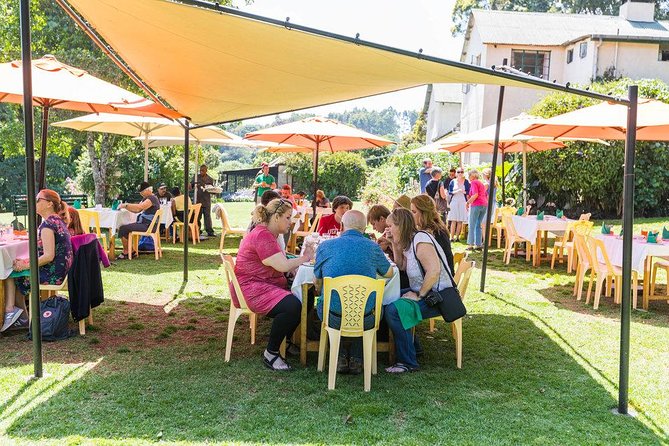
You start at 9:00 am, and you should expect a full day from Nairobi. This is a door-to-door style trip with pickup and drop-off, which matters more than people think—especially in and around Nairobi where traffic can be unpredictable.
This is also where the small-group setup helps. With a group of no more than 15, everyone tends to move together at a reasonable pace: boarding, quick checks in, and then settling in on the route to the farm. You’re not stuck waiting on a dozen different pickup points.
One standout detail from my experience: Obed kept things moving and calm. He was punctual and pleasant, and he had solid explanations without turning it into a lecture. If you like having real conversation during the ride—about daily life, tea, or what to watch for when you arrive—this kind of driver-guide makes the whole day feel smoother.
If you’re the type who gets stressed by tight itineraries, the good news is that the day has natural anchors: a long farm block, lunch, then a second stop before heading back.
The tea fields and garden walk (about 4 hours on site)
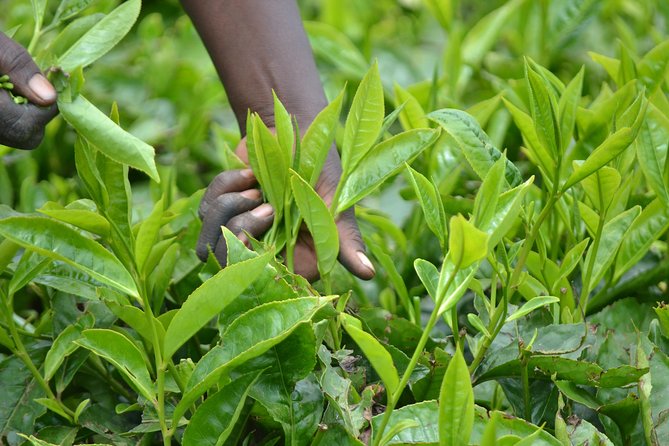
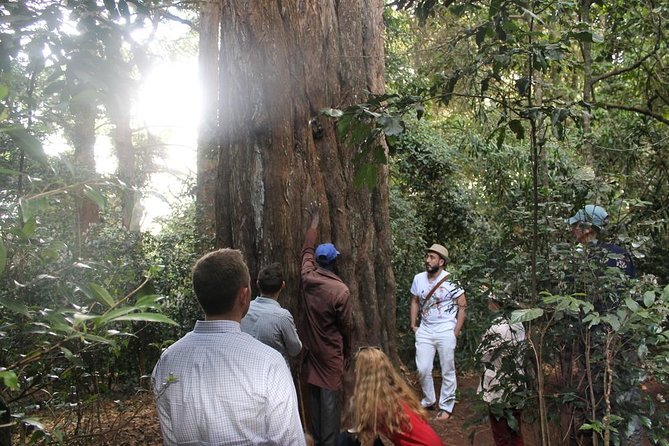
Your main block is at Kiambethu Farm, around four hours. That time is key. It’s not just a “see the tea and go” visit. You get a farm garden and tea farm tour, plus time to stroll and look around.
Here’s what you can expect on the ground:
- Tea rows you can actually inspect: you’ll see how the plantation is maintained and how tea plants are arranged.
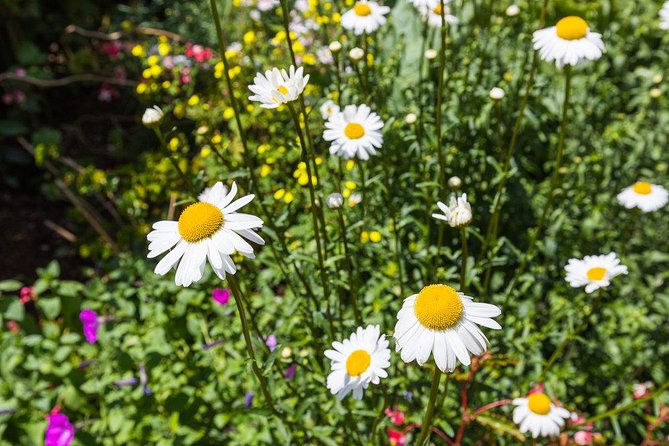
- Garden time: this gives you context and a slower pace than straight-through field viewing.
- A forest stroll: you’re moving away from the neat geometry of the fields and into a more natural setting.
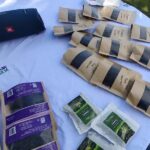
There’s also a tea-tasting moment, which helps you connect the plant with the cup. Even if you don’t consider yourself a tea person, tasting during a farm visit turns the day from sightseeing into a practical education you can remember.
A small consideration: the day is long, and your feet will get used on uneven ground when you move between garden, fields, and forest paths. Closed-toe shoes will make you happier than smart-looking sandals.
Tea tasting, forest plants, and monkey-spotting basics
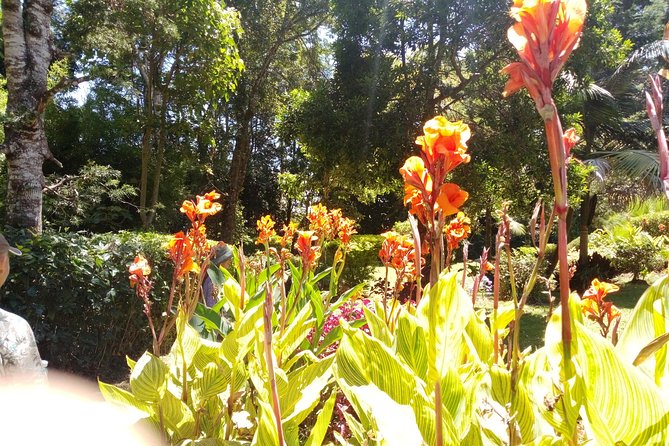
Tea tasting is often treated like a gimmick on tours. Here, it works better because you’re tasting right after you’ve seen the plants and the growing environment. If you’ve ever wondered why tea can taste so different from place to place, this is the moment your questions start getting answers.
You’ll also get guided attention to indigenous plants. That’s not just trivia for its own sake. When you understand what grows naturally in the area, you start seeing the plantation as part of a bigger system rather than just rows of bushes.
The wildlife element is there too. You’ll be keeping an eye out for colobus monkeys and birds while you stroll. Try not to treat it like a guaranteed “you will see X.” Instead, think of it as a bonus when the forest is active. You’ll do better when you pause, look up, and let the guide’s spotting help you focus your attention.
In a lot of tours, monkey-watching turns into frantic waving. This feels more like calm searching. That’s a better style for animals and better for your photos too, assuming you’re using your phone or camera without climbing fences or blocking paths.
The 3-course buffet lunch that keeps things on the farm
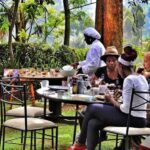
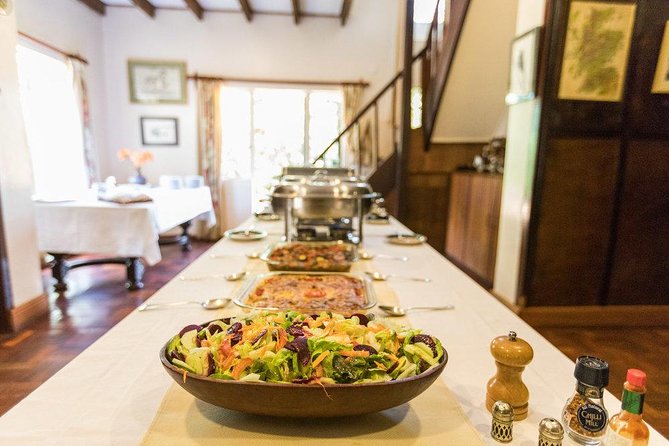
Lunch is a big part of why this day trip works. You’re not getting a quick sandwich before the next jump. You’re getting a 3-course buffet lunch with farm-fresh ingredients, served as part of the farm experience.
What you should like about this setup:
- It slows the day down. After field walks and a garden/forest route, sitting for a full meal helps you reset.
- It matches the setting. Eating on-site keeps the day grounded in the same place you just toured.
- Tea and coffee are part of the flow. You can pair your meal with a cup and take your time.
For me, the best sign was the way the lunch felt cared for. In one standout experience, Obed’s guidance came with a lunch that genuinely impressed—so you can expect this isn’t an afterthought.
If you’re picky about food timing or allergies, it’s smart to ask ahead of time what you can expect. The data doesn’t list menu specifics, so don’t assume it’s always the same set of dishes.
Also note: souvenir photo options exist and may cost extra. If you want a clean, no-stress lunch, decide in advance whether photos are worth it for you.



Second stop: seeing how people live day to day
After the farm, you’ll make a second stop that’s meant to show everyday life and normal local routines. The exact details of this stop aren’t spelled out here, but the intent is clear: it’s not only about tea. It’s about Kenya beyond the plantation fence.
This stop can be the most meaningful part of the day if you’re open-minded and curious. You’ll get a sense of how locals conduct daily activities—small routines that often get ignored when a trip stays locked to the most scenic sites.
A practical tip: keep your phone ready, but also keep your eyes up. Watching how people move through their normal day teaches you more than a single staged photo.
Price, group size, and what $140 buys you
At $140 per person, this isn’t a bargain-basement half-day. But it’s priced for a full-day, door-to-door experience with a real on-site tour, lunch, and paid farm access included.
Here’s what you’re paying for in plain terms:
- Round-trip hotel pickup and drop-off in Nairobi
- A professional guide
- Admission to the farm (listed as a $35 per person entrance fee included)
- Tea and/or coffee, plus lunch
- A small group experience capped at 15 people
If you break that down, the cost starts to make more sense. A lot of tours “say” they include entry and a guide, then quietly add fees later. Here, the entrance fee is clearly included, which makes it easier to plan your budget.
Also, the group size matters. When it’s under 15, you spend less time waiting and more time actually doing the visit. It’s a quality-of-day factor, not just a comfort detail.
If you’re traveling with a bigger group, the availability of group discounts can make the total feel more reasonable. If you’re on your own or with one other person, you’ll still likely find the structure worth it because the day isn’t just a drive—it’s an organized farm experience plus a local-life stop.
Who this Nairobi tea tour suits best (and who might skip)
This Kiambethu excursion is a strong fit if you:
- want something different from the usual Nairobi routine
- like guided walks where you learn while you move
- care about food that isn’t rushed
- enjoy spotting wildlife and birds without making it stressful
It’s also a decent pick for most people who can handle walking on farm and forest paths. The dress code is smart casual, but think of it as smart casual that works with closed-toe shoes and comfortable movement.
You may want to skip it if:
- you hate long days (this is about 9 hours total)
- you’re only interested in tea tasting and nothing else
- your schedule includes Mondays, since the farm is closed then
Should you book the Kiambethu Tea Farm excursion?
If you want a Nairobi day that feels grounded in how something is actually grown, this is an easy yes. The combination of Kenya’s first tea plantation, a guided tea-and-garden walk, possible colobus sightings, and a 3-course buffet lunch makes the day feel full without feeling chaotic.
Book it especially if you’re the type who appreciates good guiding. In my case, Obed’s punctual, friendly, well-informed approach made the whole day easier and more enjoyable, from pickup to tea tasting to getting you back comfortably.
If your idea of the perfect day is short and flexible, you might feel the length. But if you like structure and want your tea knowledge to go from vague to real, Kiambethu is one of those tours that earns its time.
FAQ
How long is the excursion?
It runs for 9 hours on average.
What time does the tour start?
Start time is 9:00 am.
Do they offer hotel pickup and drop-off?
Yes. Hotel pickup and drop-off are included.
How big is the group?
The group is kept small, with no larger than 15 people.
What’s included in the food and drinks?
Lunch is included, and coffee and/or tea are included as well.
Is the farm admission included in the price?
Yes. The entrance fee is included and is listed as $35 per person.
What dress code should I follow?
Smart casual is required.
When is the Kiambethu Farm tour closed?
It is closed every Monday, Christmas Day, and Happy New Years Day.
Can I cancel and get a full refund?
Free cancellation is available. You can cancel up to 24 hours in advance for a full refund.

![[NEW]JPN CULTURE - Buy@Toyosu Market SUSHI Making +TEA +Maid Cafe - Tea Ceremony Sweets + Matcha: A Dessert Class With Discipline](https://tours.thetealover.com/wp-content/uploads/new-jpn-culture-buy-toyosu-market-sushi-making-tea-maid-cafe-400x266.jpg)