REVIEW · NAIROBI
Kiambethu Tea Farm Tour & Lunch From Nairobi
Book on Viator →Operated by Gracepatt Ecotours Kenya · Bookable on Viator
Tea and monkeys, just outside Nairobi.
This Kiambethu Tea Farm experience mixes tea history with a real working estate, plus a guided walk in an indigenous forest where you look for Colobus monkeys. It is the kind of day trip that feels calmer than city sightseeing, yet still teaches you a lot about how tea became such a big deal in Kenya.
I love the family welcome at the main house, where Marcus and Fiona greet you with home made biscuits and tea before the farm story begins. I also love the combination of gardens, tea plots, and a preserved forest walk, guided by someone who keeps the whole thing lively without turning it into a textbook.
One consideration: the farm is closed on Mondays and major holidays like Christmas Day and Happy New Years Day, so you need to line up dates carefully.
In This Review
- Key things you will remember most
- Arriving at Kiambethu: biscuits, tea, and a working family estate
- Tea, culture, and settler history: what you will learn on the walk
- Indigenous forest walk and Colobus monkey spotting (the best part for many)
- The tea garden and home house gardens: what you should look for
- Lunch and afternoon tea: value, not just a bonus
- Pickup, timing, group size, and what that means for your day
- Practical tips for a smooth tea farm visit
- Who this tour is best for (and who should skip it)
- Should you book Kiambethu Tea Farm and Lunch from Nairobi?
- FAQ
- What is the duration of the Kiambethu Tea Farm tour and lunch?
- Is hotel pickup and drop-off included?
- What food is included?
- What time does the tour start?
- Is the tour open every day?
- Is there a limit on group size?
Key things you will remember most
- Marcus and Fiona greet you at the main house with biscuits and tea before the tour starts
- Indigenous forest walk in an area where Colobus monkeys live
- Settler culture and Kenyan tea history explained with a focus on what tea changed and why
- 3-course lunch plus afternoon tea at the estate with locally sourced ingredients
- Hotel pickup and drop-off from Nairobi with professional English speaking guides
Arriving at Kiambethu: biscuits, tea, and a working family estate
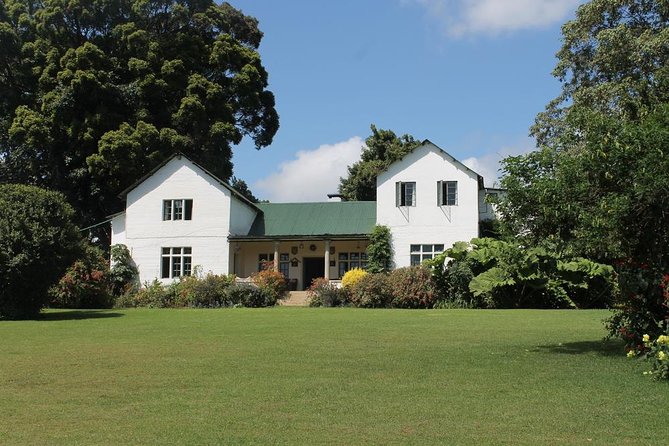
The day trip starts with pickup from your Nairobi hotel or accommodation, with the tour beginning in the morning and reaching the estate around late morning. When you arrive at Kiambethu Tea Estate, you are not just stepping onto a scenic postcard. You are walking into a working tea farm with a family behind it, and the welcome reflects that.
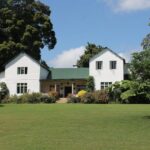
At the main house, Marcus and Fiona meet you and kick off the experience with home made biscuits and tea. It is a small moment, but it sets the tone: relaxed, personal, and grounded in everyday farm life rather than a polished performance. From there, your guide moves you into the farm story and the tea making process, using the estate itself as the teaching tool.
The grounds around the house are also worth your time. You can stroll the gardens at an easy pace and look for glimpses of the resident Colobus monkeys. This matters because some tours rush straight from transport to photos. Here, you get a calmer start and a chance to settle in before the deeper walking begins.
If you like experiences that feel like you got invited rather than booked into a queue, this is one of the reasons this tour earns a high rating. At $125 per person, you are paying for a full guided visit, meals, and the convenience of transport, not just entrance to pretty tea plants.
You can also read our reviews of more tours and experiences in Nairobi.
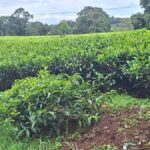
Tea, culture, and settler history: what you will learn on the walk
What makes Kiambethu more than a scenery stop is the way the guide connects the dots between land use, settler-era farming, and the rise of tea as an export crop.
You get a local history lecture tied to the estate and its roots, including the fact that Kiambethu has been owned and operated by the same family since 1910. That continuity helps you understand that tea here is not a quick experiment. It is a long-term agricultural business with deep local consequences, from how the land was managed to how people worked the seasons.
The tour also focuses on settler culture and history in Kenya, which is the part many visitors find both surprising and necessary. You will not just hear names and dates. You will hear why tea became so important, how production changed over time, and how a farming landscape developed as tea expanded.
One thing I appreciate is that you do not stay stuck indoors with a lecture. The learning stays connected to what you see: the tea gardens, the farm operations, and the preserved area of indigenous forest. That helps the story land, because the estate itself becomes the visual evidence.
And yes, you will still be outside. The guide is described as highly entertaining and comical, and that style makes the history feel easier to follow. It also keeps energy up during the walking portions.
Indigenous forest walk and Colobus monkey spotting (the best part for many)
The most memorable stretch for many people is the walk through the indigenous forest area that is still preserved. A portion of the surrounding land was cleared for tea farms, so the preserved forest feels like a living reminder that this place used to look and function differently.
This walk is where your wildlife attention gets real. The forest is known for a population of Colobus monkeys, and the entire tone of the walk encourages you to look up, listen, and slow down. Even if you do not spot one immediately, you learn how to scan the canopy and what to expect from the forest environment.
Why this is valuable: tea estates can sometimes feel like you are only seeing crops. Here, you also see an ecological side of the same region, and you get a guide who focuses on both wildlife and culture. That blend is useful. It turns the day into more than a meal and a few photos.
I would plan for a gentle but active walk. You are outside for part of the day, and the forest segment means you should be comfortable with uneven ground and shade. Wear shoes you trust and bring a light layer in case the weather shifts.
The tea garden and home house gardens: what you should look for
Between the history talk and the forest walk, you also get time around the tea estate grounds. The home gardens are described as lovely, and that is exactly the right word here: this is not a hurried loop. You can stroll, pause, and take in the estate at a human pace.
In the tea garden areas, the goal is not just to admire the rows. Your guide explains how tea evolved into one of Kenya’s largest export crops, and you start to understand why tea farming requires careful spacing, steady maintenance, and patience through seasons.
If you are the kind of person who likes to understand how everyday things are made, this section will appeal. You will likely walk away with clearer mental pictures of how tea leaves fit into the larger production story, even if you do not become a tea expert overnight.
The overall pacing also matters. The tour does not feel like a sprint, which makes it easier to enjoy the small details, like the view lines from the house area, the feel of the air in the forest shade, and the way the tea gardens frame the path.
Lunch and afternoon tea: value, not just a bonus
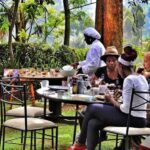
The meal is a core part of the experience, not an afterthought. Lunch at Kiambethu includes a 3-course setting, with fresh ingredients and a strong emphasis on locally sourced produce. After a few hours of walking and learning, this meal gives you a real chance to reset.
You also get afternoon tea, which fits the theme perfectly. It is not just tea as a prop. It is tea as the point of the day, served in the place where the industry takes place.
Now, let me talk value. At $125 per person, you may wonder if it is steep for a day trip. Here is the practical math: you get guided access to the estate, lunch, afternoon tea, and hotel pickup and drop-off in Nairobi. That means you are paying for convenience and for a guided experience that includes food rather than paying for separate reservations and transport on your own.
The only caution is what is not included. Personal expenses and drinks beyond what the meal includes are not part of the package, so if you plan to buy additional beverages, budget for it. Tips or gratuity are also not included, so plan to set aside a little extra if you want to recognize your driver and guide.



Pickup, timing, group size, and what that means for your day
Logistics can make or break a half-day experience, so it is worth talking through what you can expect.
The start time is listed as 9:30 am, and the schedule suggests you arrive at the estate around 11:00 am. That means the morning drive matters, and you should treat this as a real day plan, not something you can squeeze in casually while ignoring your morning routine.
The tour runs for about 6 hours. That is long enough to feel complete, but not so long that you lose the day. It also includes hotel pickup and drop-off, so you do not need to organize transport on your own.
Group size is capped at a maximum of 100 travelers, and there are group discounts. A group cap like that usually suggests you will not have a tiny private experience, but it also helps reduce the odds that the tour turns into an all-out crowd.
Guiding is also a big deal here. The guides are professional, English speaking, and described as experts in African wildlife, culture, and tour guiding. That matters on a day where you are trying to understand both history and animals. A confident guide helps you spot what you would otherwise miss, and keeps the story moving.
Practical tips for a smooth tea farm visit
A few practical things can help you enjoy the day more.
- Bring comfortable walking shoes. You will walk in gardens and through a preserved forest area. Even if it is not difficult trekking, uneven ground is possible.
- Plan for a camera, but also plan to look. The Colobus monkey viewing is not a staged exhibit. Your best results come from slowing down and scanning the canopy.
- Dress for warm daytime and cooler shade. Forest shade can feel different from open tea garden areas. A light layer can help.
- Expect an educational but funny guide style. The tour description emphasizes a guide who is entertaining and comical, so you can relax and follow along rather than strain to translate.
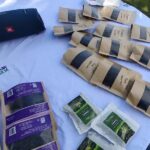
- Know what is for sale. Souvenir photos are available to purchase, but that is separate from what is included.
If you care about the experience feeling personal, booking early helps. This tour is often booked about 9 days in advance on average, so it is smart to lock in your dates rather than wait until the last minute.
Who this tour is best for (and who should skip it)
This Kiambethu Tea Farm experience is a great match if you want a balanced day: culture and history plus real outdoor time and a meal that is part of the plan.
It suits you if:
- You like guided interpretation and want context for what you are seeing
- You enjoy wildlife viewing that is more natural than zoo-like
- You want a day trip from Nairobi that feels easy logistically because pickup and drop-off are included
- You want tea history and settler culture in Kenya explained in a grounded, on-site way
It might not be the best fit if:
- You want a very fast, minimal walking tour. This includes multiple walking segments, including a forest walk.
- You are visiting on a Monday or major holiday. The estate is closed on Mondays, Christmas Day, and Happy New Years Day, so you will need alternate plans.
Should you book Kiambethu Tea Farm and Lunch from Nairobi?
Yes, I think this is a strong booking choice for the right traveler. You are not just paying to look at tea leaves. You are paying for a guided introduction to how tea shaped Kenya as an export crop, a history lecture tied to the estate since 1910, a preserved forest walk known for Colobus monkeys, and a real 3-course lunch plus afternoon tea. Hotel pickup and drop-off from Nairobi also removes a lot of friction.
If you can handle a few hours of walking outdoors and you are traveling on a day the farm is open, this is a very good value use of time. And if your top priority is wildlife plus culture in one package, the preserved forest segment is the reason to choose this over a purely scenic tea tour.
If your schedule is flexible, I would book it early. And if plans change, the tour offers free cancellation up to 24 hours in advance for a full refund, which gives you room to adjust.
FAQ
What is the duration of the Kiambethu Tea Farm tour and lunch?
The tour lasts about 6 hours (approx.).
Is hotel pickup and drop-off included?
Yes. Pickup from your Nairobi hotel or accommodation and drop-off back to your hotel or residence are included.
What food is included?
You get lunch and afternoon tea at Kiambethu Estate, and the meal is described as a 3-course lunch with fresh ingredients.
What time does the tour start?
The start time is listed as 9:30 am, with arrival at the estate around late morning.
Is the tour open every day?
No. Kiambethu Tea Estate is closed every Monday, as well as on Christmas Day and Happy New Years Day.
Is there a limit on group size?
Yes. The maximum is 100 travelers, and the tour also offers group discounts.