REVIEW · NAIROBI
Purple Tea Farm Tour from Nairobi City – Specialty Tea Tasting
Book on Viator →Operated by African Authentic Safaris Ltd · Bookable on Viator
Fresh tea lessons beat any tea shop.
On this purple tea farm tour from Nairobi, you’ll see how specialty tea moves from leaf to cup, with a hands-on picking session and a serious tasting spread. I love the real farm experience (nature trail, waterfall arrival, and carrying tea you picked for processing), and I also love that lunch and tastings are built in, so you’re not nickel-and-dimed for samples. One possible drawback: the day can feel tight if your pickup details are unclear, so I’d make sure you know exactly where to meet and when.
In This Review
- Key things to know before you go
- Nairobi to Gatanga: why the farm day feels more personal
- Hand-picking purple tea and learning what happens after
- The nature walk to the waterfall: a break from tasting and questions
- Three-course lunch that turns tea lessons into a full meal
- Specialty tea tasting lineup: purple, green, oolong, hibiscus, and more
- Buying tea leaves from the mill: bring home something real
- Price and what $102 gets you (and why it can be fair)
- Who this tour suits best (and who might not love it)
- Should you book the Purple Tea Farm Tour from Nairobi?
- FAQ
- What time does the tour start?
- Where do I meet for the Purple Tea Farm Tour?
- How long is the tour?
- Is transport included?
- What’s included in the price?
- What teas will I taste?
- Is the group small?
- Do I get to pick tea leaves?
- Can I buy tea leaves during the tour?
- Can I cancel and get a refund?
Key things to know before you go
- Hands-on purple tea picking plus you transport the leaves for processing
- Traditional orthodox processing explained in a practical way
- Waterfall nature walk as part of the farm day
- Three-course lunch + multi-tea tasting (purple, green, oolong, hibiscus, yellow, and more)
- Small group capped at 12, so the questions don’t get lost in the crowd
- You can buy tea leaves as it leaves the factory mill
Nairobi to Gatanga: why the farm day feels more personal
This tour runs as a full day out of Nairobi, with return transport included. It starts at Uniafric House, 25 Nairobi, at 8:00 am, and ends back there. That matters, because tea tours can get complicated fast—getting stuck in traffic, missing turns, or losing your spot. Here, you’re meant to arrive and leave cleanly, with the focus staying on the farm work and tea tasting, not logistics.
Once you’re collected, you’re heading toward Gatanga, where your host family welcomes you at the farmhouse. Kenya tea is a big export story, but this isn’t told like a brochure. You’re in the place where tea is grown and processed, and you get a sense for how daily labor, weather, and timing all shape what ends up in your cup.
The small group size (maximum 12 travelers) also changes the vibe. You get time to ask why something is done a certain way—like what makes one type of specialty tea different from another—without the guide rushing you through. If you like tours where people actually talk back, this format is a plus.
You can also read our reviews of more tours and experiences in Nairobi.
Hand-picking purple tea and learning what happens after
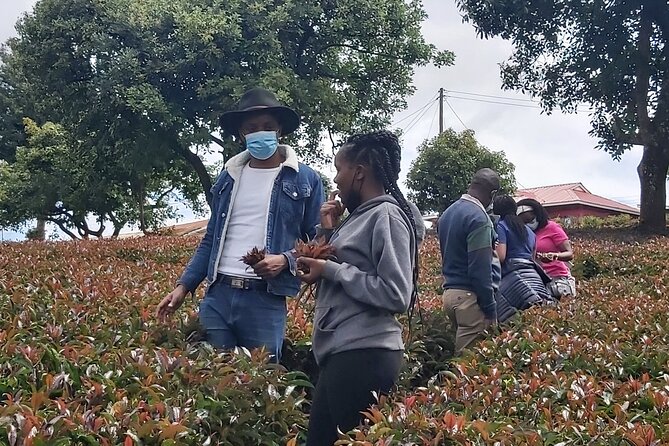
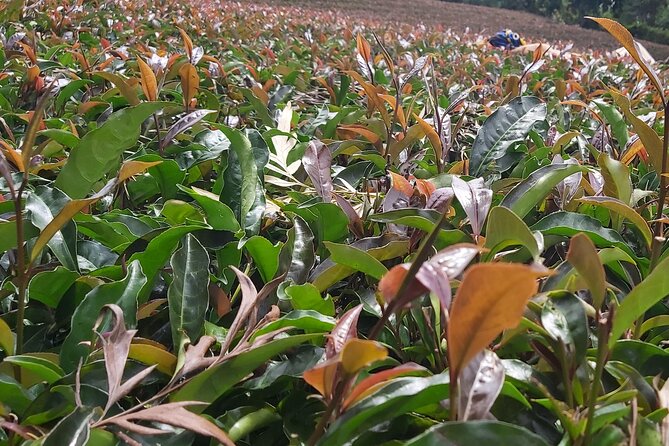
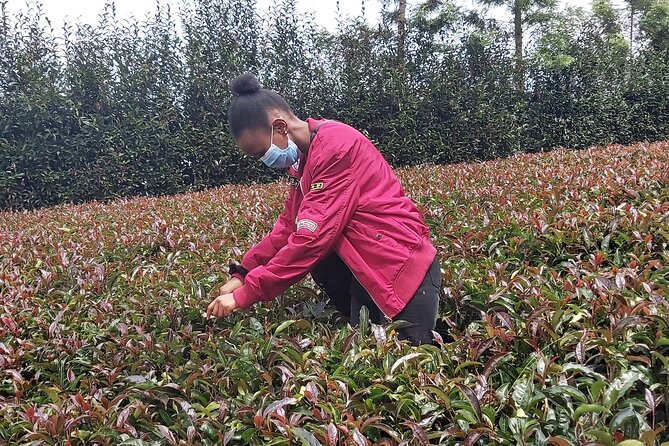
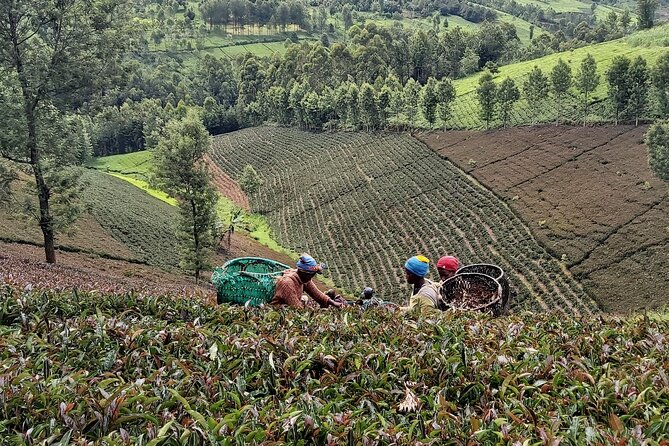
The heart of the experience is the tea picking session. You’ll get to experience tea harvest firsthand, including trying your hand at picking purple tea. It’s not just a photo moment. You’ll pick leaves, and you’ll even carry what you picked to processing, which gives you a stronger connection between farm work and the final tea you later taste.
Then comes the part I find most useful: the traditional processing explanation. You’ll learn the traditional orthodox tea processing procedure, which is the backbone of how many black teas are made. Even if you’re not a tea geek, this is where the day starts clicking. You stop thinking of tea as one product and start thinking of tea as a sequence—leaf handling, treatment, and timing—where small differences can change the cup.
A practical note: picking tea can be physically active, depending on the terrain and how long the session runs. If you’re the kind of traveler who prefers sitting with a scenic view, you might find this part more work than you expected. But if you want to understand specialty tea beyond the label, this is the best value time on the schedule.
The nature walk to the waterfall: a break from tasting and questions

After the picking and processing talk, you’ll head into an experiential nature walk. It climaxes with the arrival at a waterfall. That’s a nice rhythm shift. Tea days can become repetitive—taste, repeat, move on. The walk gives you something else to notice: plants, shade, the way the landscape feels, and how the farm fits into the local environment.
It also gives you a mental reset before the meal. This matters because by the time tasting starts, you’ll likely be comparing several teas. If you’re fresh, you can actually notice differences instead of just drinking and hoping it all tastes the same.
If you want to do the waterfall part, bring a mindset of moderate adventure. The day is structured, but it’s still a farm trail. Wear shoes you trust, because you’ll be walking on real paths, not polished tourist sidewalks.
Three-course lunch that turns tea lessons into a full meal
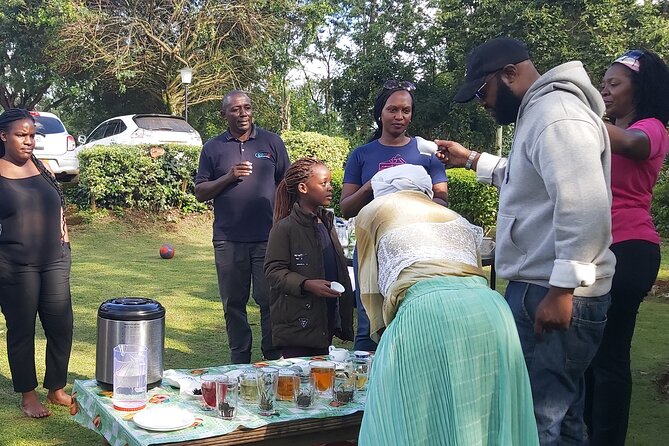
Lunch is included, and it’s described as a three-course meal. That turns the tasting from a marketing moment into a proper break. You’re not just nibbling while sampling tiny cups; you’re eating, resting, and then returning to tea with clearer focus.
Right after lunch, you’ll join a structured specialty tasting. In tea tours, the best ones help you taste with intention. Instead of random pours, you’re guided through a lineup so you can practice how to differentiate teas.
Also, having lunch included helps you judge the value of the tour price. Paying for transport plus a guided day on the farm plus food plus tasting is usually where group tours either feel reasonable or feel overpriced. Here, that cost is packed into one total.
Specialty tea tasting lineup: purple, green, oolong, hibiscus, and more
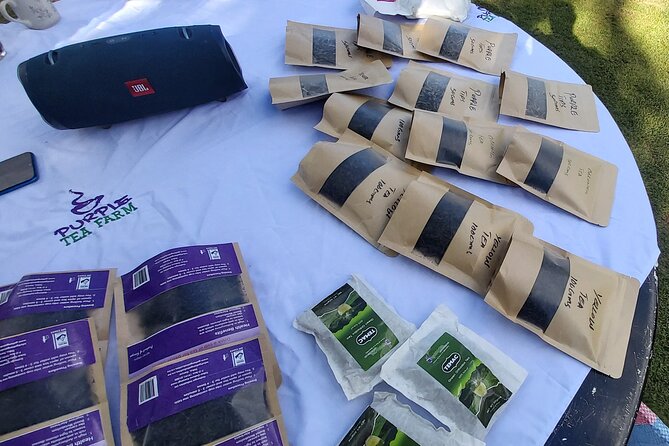
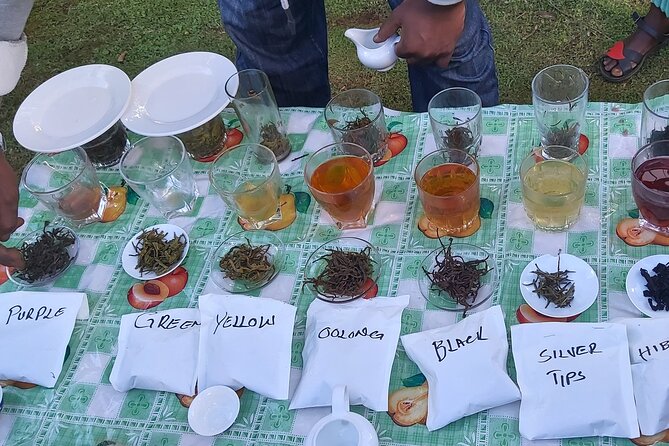
This is where the day becomes memorable. You’ll taste a variety of local specialty teas, including:
- Purple tea
- Green tea
- Black Orthodox
- Oolong
- Hibiscus
- Yellow tea
- Silver Tips
- Golden Tips
That list is good because it covers different tea styles rather than repeating one flavor profile. Purple tea alone is the headline, but the real fun is comparing how each tea behaves: how it smells, what you notice first in the cup, and how the finish feels. If you came to Kenya expecting a single “tea taste,” this lineup corrects that quickly.
The tasting is also a chance to connect what you learned earlier. You’ll have just seen picking and the orthodox processing basics, so when you taste something like black orthodox later, you’re not starting from zero. You can anchor your understanding to a real process you watched or heard about.
One more practical tip: tea tasting can tire your palate. Sip slowly, take breaks between comparisons, and avoid chasing “the strongest flavor.” The goal is noticing differences, not winning a caffeine contest.





Buying tea leaves from the mill: bring home something real
After tasting, you’ll have time for buying tea leaves. The idea here is straightforward: you can purchase quality Kenya tea as it rolls from the tea factory mill. That’s the kind of souvenir I like because it’s not just packaging—it’s product you can actually use at home.
You’ll also sign the visitors book to mark your tea farm visit. It’s a small touch, but it makes the day feel official and grounded, not like a quick stop-through.
If you plan to buy, consider how much you’ll realistically carry back. Tea is light, but if you add multiple types—especially specialty tips—it can turn into several bags. Decide ahead of time if you want a few “learning teas” (to understand profiles) or a bigger mixed haul (to share with friends).
Price and what $102 gets you (and why it can be fair)
At $102 per person, this tour isn’t a bargain-basement activity. But when you look at what’s included, it starts to make sense: return transport from Nairobi, a farm day with a small group, lunch, and specialty tea tasting. You’re also getting the structured learning—picking, traditional processing explanation, and a nature walk ending at a waterfall—rather than just arriving, walking around, and leaving.
So the value question becomes: do you want a guided experience with tastings and meals included, or do you just want to see a tea farm and taste a single cup? If you want the full “tea education + meal + tasting” day, this price is closer to fair than it looks at first glance.
If you’re traveling on a tight budget, it may still feel steep. But for tea lovers, the included food and tastings are typically what you’d otherwise pay for separately.
Who this tour suits best (and who might not love it)

This is a strong fit for:
- Tea fans who want more than shopping and want to understand how specialty teas are made
- Travelers who enjoy hands-on activities, even if they’re slightly physical
- People who like guided tastings where you can sample several tea types in one day
- Anyone who wants a quieter, small-group experience outside Nairobi
It may be less ideal for you if:
- You prefer very low-effort sightseeing and don’t want to participate in picking
- You’re expecting a short, easy outing (plan for a full day feel)
- You dislike tours where timing matters and you need clear pickup communication
The good news is the structure is clear: farm morning activities, lunch, tasting, and then return. You just need to be organized enough to match the schedule.
Should you book the Purple Tea Farm Tour from Nairobi?
I’d book it if you care about tea beyond the basics and you want a day that actually links farm work to cup experience. The combo of hand-picking, traditional orthodox processing learning, a three-course lunch, and a tasting lineup that includes purple, oolong, hibiscus, yellow tea, and specialty tips is exactly the kind of included value that’s hard to replicate on your own.
I’d think twice if you hate anything that depends on perfect timing or if you’re the type who needs a very relaxed, passive tour. In that case, do yourself a favor: confirm your pickup and meeting details clearly before the morning of the tour.
If you want one practical takeaway: wear shoes you’re comfortable walking in, bring a curious attitude, and plan to sip slowly. This isn’t a speed-run of tea. It’s a day meant to help you taste differences you can actually explain later.
FAQ
What time does the tour start?
The tour starts at 8:00 am.
Where do I meet for the Purple Tea Farm Tour?
The meeting point is Uniafric House, 25 Nairobi, Kenya.
How long is the tour?
The duration is listed as approximately 9 hours.
Is transport included?
Yes. Return transfers to and from Nairobi are included.
What’s included in the price?
Coffee and/or tea, a three-course lunch, and transport to and from Nairobi are included.
What teas will I taste?
You’ll taste several specialty teas, including purple tea, green tea, black orthodox, oolong, hibiscus, yellow tea, silver tips, and golden tips.
Is the group small?
Yes. The experience is capped at a maximum of 12 travelers.
Do I get to pick tea leaves?
Yes. You’ll have a tea picking session and can try picking purple tea.
Can I buy tea leaves during the tour?
Yes. You can buy quality Kenya tea as it comes from the tea factory mill.
Can I cancel and get a refund?
Free cancellation is available up to 24 hours before the experience starts for a full refund.