REVIEW · KYOTO
Traditional Tea Ceremony with Matcha and Sweets in Kyoto
Book on Viator →Operated by Japan Wonder Travel · Bookable on Viator
Kyoto tea, made easy and real. This short matcha ceremony in the Gion area turns the usual solemn vibe into something you can actually relax into—chairs instead of floor seating, a close-up tea master, and hands-on whisking plus sweets.
What I like most is how the session explains the “why” behind chanoyu, not just the “how.” You get the history of tea in Japan, and you’ll hear how Zen shaped the attitude of the ceremony and the idea of omotenashi (hospitality).
My one caution: it’s a 1-hour experience, so it’s a streamlined version of tea culture. If you were hoping for a long, fully traditional, floor-seiza style ceremony, this is more modern and approachable on purpose.
In This Review
- Key takeaways before you go
- Gion Start Point and the Best Part: You Don’t Have to “Prepare”
- Chair-Style Chanoyu: Why This “Modern Traditional” Choice Feels Right
- Meet the Tea Master: History, Zen, and Omotenashi in Plain Language
- Watching the Ritual Up Close: The Subtle Skills That Matter
- Second Half: Sweets from Long-Established Artisans
- Make Your Own Bowl of Matcha: Premium Tea and Real Practice
- Q&A That Actually Helps You Interpret What You Just Learned
- Price and Value: What $22.86 Buys You in Kyoto
- Who This Experience Fits Best (and Who Should Consider Something Else)
- Practical Tips to Get the Most Out of Your Tea Ceremony
- Should You Book This Kyoto Tea Ceremony?
- FAQ
- How long is the tea ceremony experience in Kyoto?
- Where does the experience take place?
- What do I do during the ceremony?
- Is the seating on the floor?
- How many people are in a group?
- Is there a mobile ticket?
- What is the price?
- Is free cancellation available?
Key takeaways before you go
- Gion location, easy start: Set in Kyoto’s historic Higashiyama/Gion area, near public transportation.
- Chairs instead of floor seating: You can join even if floor seating or limited mobility is an issue.
- Learn the meaning, not just the steps: History of tea, Zen philosophy, and omotenashi are part of the story.
- Hands-on matcha: You’ll whisk your own bowl using premium tea from a family-run farm.
- Sweet stop, Japanese craftsmanship: Traditional sweets from long-established artisans make the tea taste lesson complete.
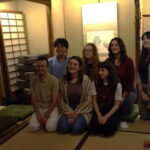
- Small group size: Maximum 13 travelers keeps things calm and allows Q&A.
Gion Start Point and the Best Part: You Don’t Have to “Prepare”
One reason this tea ceremony works well for real trips is that it meets you where you are. You’re starting in Kyoto’s Higashiyama Ward, in the Gion area, at Japan, 605-0802 Kyoto, Higashiyama Ward, Yamatochō, 1 祇園田中屋ビル. Even better, it’s near public transportation, so you won’t burn half the day just getting to a tiny side street.
This matters because tea culture is all about pace. If your morning is already chaotic, you’ll appreciate something that feels organized without feeling rigid.
You also get a mobile ticket, and you’ll receive confirmation at booking. That sounds minor, but in Japan it’s one less thing to think about when you’re juggling trains, walking, and your next meal plan.
You can also read our reviews of more tours and experiences in Kyoto.
Chair-Style Chanoyu: Why This “Modern Traditional” Choice Feels Right
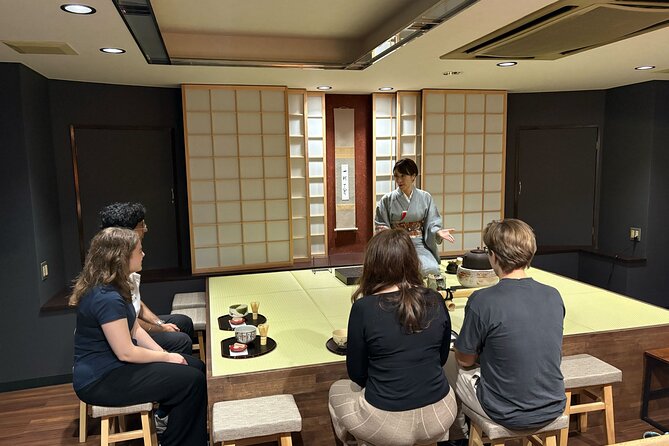
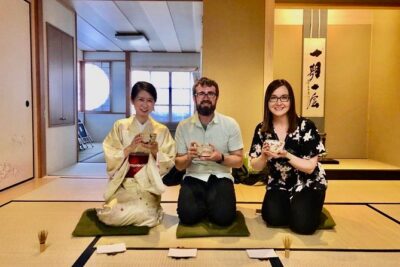
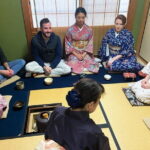
Traditional tea ceremony (chanoyu) is famous for being formal. But formality isn’t the same as good travel design. This experience intentionally uses seated chairs so more people can join comfortably, including anyone who isn’t used to floor seating or has limited mobility.
When you’re sitting comfortably, you can focus on the details that make tea feel special:
- the quiet rhythm of the movements
- the way the room changes when everyone slows down
- the attention required to whisk matcha properly
- how your own bowl tastes when you control the process
If you’ve been to places where etiquette becomes stressful, you’ll probably like this format. It keeps the heart of the ritual while removing the “perform or panic” element.
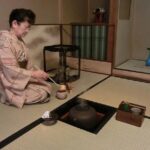
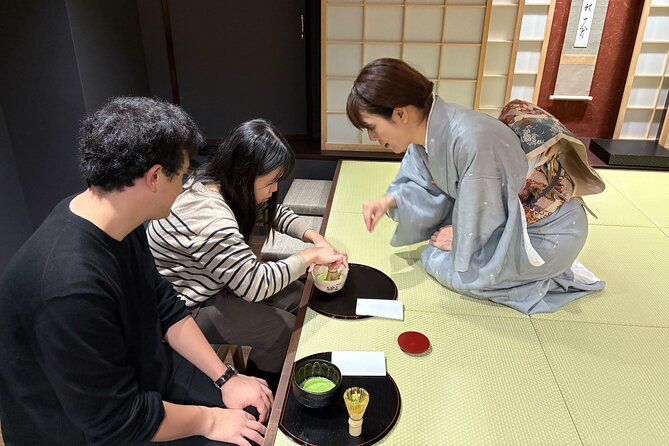
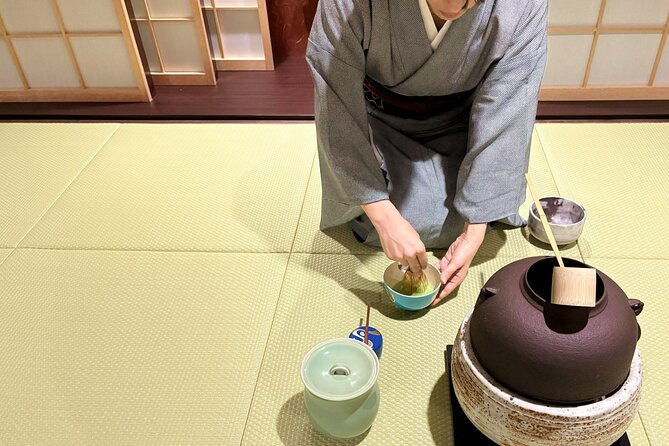
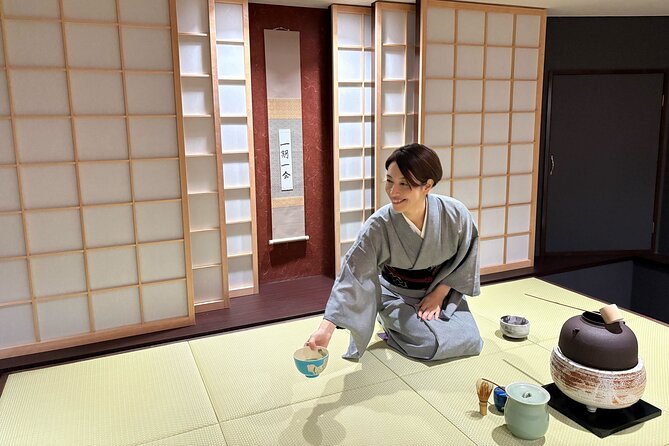
At the same time, you’re still close to the action. The tea master performs techniques up close, and you can observe the subtle stuff that’s hard to catch from a distance—how the utensils are handled, and the discipline behind seemingly simple gestures.
Meet the Tea Master: History, Zen, and Omotenashi in Plain Language
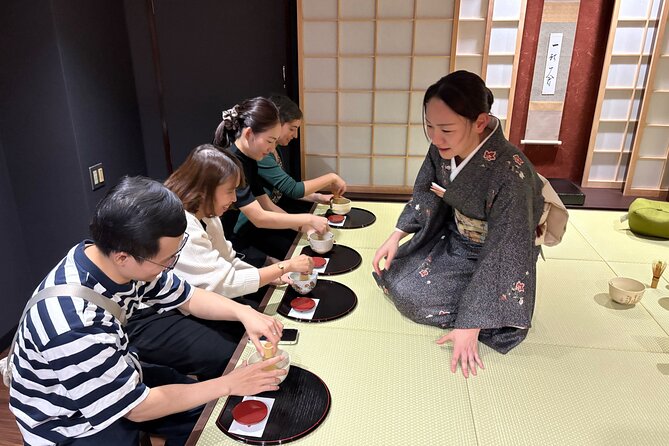
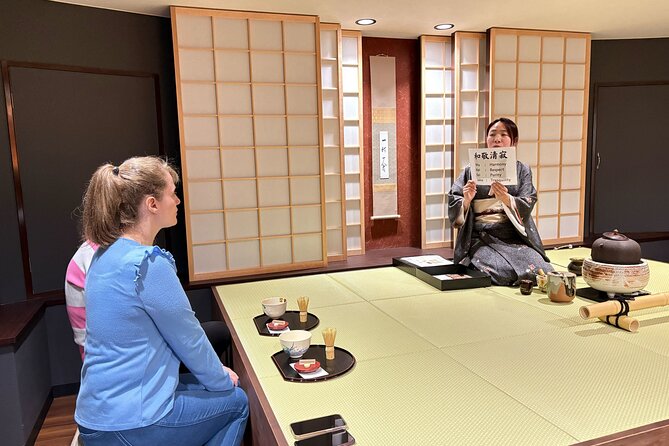
A good tea ceremony isn’t a lecture, and it isn’t just a show. It’s a guided explanation with a calm atmosphere. Here, you learn about the history of tea in Japan and how Zen philosophy influenced the mindset behind chanoyu.
In practice, this kind of context does two things for you as a visitor:
- It helps you stop treating the ceremony like a photo op.
- It gives you language for what you’re experiencing—so the moment sticks after you leave.
You’ll also hear about omotenashi, hospitality as an attitude rather than a script. That idea shows up during the ceremony in small ways: the tone of the guidance, the way participants are invited in, and the care taken in the pacing of the experience.
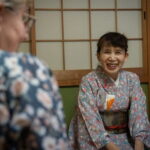
The reviews reinforce that the hosts bring real connection to the philosophy. People specifically praised instructors like Mitsune and Yuki for explaining the Sado experience and connecting it clearly to its underlying mindset. That tells me this isn’t just a memorized routine. It’s taught with genuine understanding, which is exactly what you want when you’re paying to learn.
Watching the Ritual Up Close: The Subtle Skills That Matter
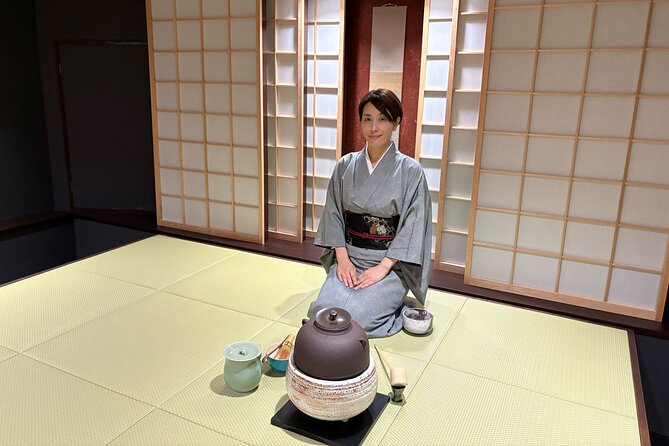
The ceremony is designed so you can observe authentic techniques performed up close. That’s a big deal, because tea tools and motions look simple until you’re watching closely.
During the viewing portion, expect to see how the tea master handles the flow of the ritual:
- the careful order of actions
- the way attention is placed on the utensil work
- how the presentation signals respect for the guest
This is where you’ll start noticing that tea culture isn’t only about matcha flavor. It’s about the experience of slowing down and paying attention. Even if you don’t speak Japanese, you’ll feel the structure.
Also, because the group is capped at 13 travelers, it’s easier to keep your view and follow along without craning your neck or losing track while others shift positions.
Second Half: Sweets from Long-Established Artisans
After the Zen-and-technique portion, the experience moves into the part that makes many people smile instantly: traditional sweets paired with matcha.
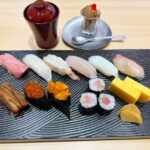
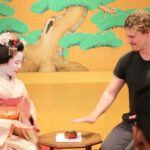
You’ll enjoy carefully selected traditional sweets from long-established artisans. The important point isn’t just “you get sweets.” It’s that Japanese tea culture treats sweets as part of the flavor conversation.
Think of it like this: the sweet supports the matcha, balances bitterness, and gives your palate a runway before you taste the tea more clearly. It’s also a reminder that the ceremony isn’t only about the beverage. It’s about harmony between elements.
If you’re the type who loves food as a language, you’ll likely appreciate this pairing. Even if you’re not a huge dessert person, try one bite slowly. You’ll probably notice how the mood of the room changes—people get quieter in a good way.
Make Your Own Bowl of Matcha: Premium Tea and Real Practice
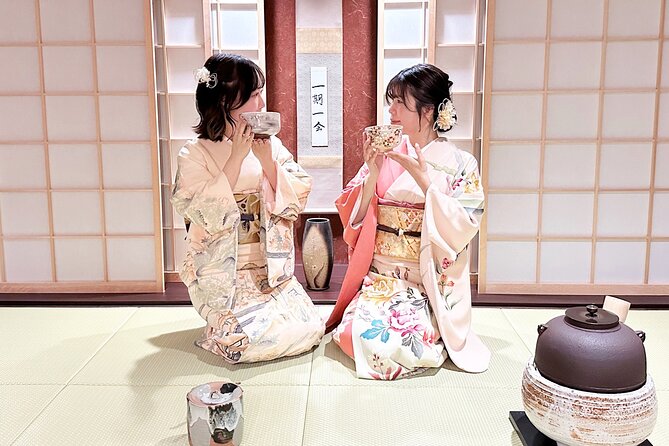
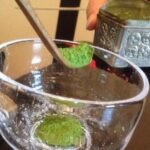
Now for the hands-on piece: you’ll make your own bowl of matcha and whisk it yourself.
The experience uses premium matcha sourced from a family-run farm. That matters more than you might think. Many matcha tastings at tourist stops are fine, but you can tell when the tea quality is inconsistent. When the matcha is thoughtfully sourced, you get a better chance to understand what “good matcha” tastes like.
As you whisk, you’ll see why the ceremony has steps. The goal isn’t magic—it’s texture and balance. A properly whisked bowl tends to feel smoother and taste more integrated, not just like green powder dissolved in water.
And because you’re doing it yourself, you’ll leave with a real skill you can reuse. That’s one of the reasons this experience tends to be highly recommended. It turns tea ceremony from a performance you watch into a process you remember.
Q&A That Actually Helps You Interpret What You Just Learned
The session ends with a Q&A. That’s not a throwaway add-on. It’s where the experience becomes personal.
Once you’ve watched the ritual, learned the Zen framing, tasted sweets, and whisked matcha, you’ll have natural questions:
- what certain gestures mean
- how omotenashi shows up in details
- what to look for if you try matcha again later
A Q&A also helps clear up the common confusion many visitors have: they know the ceremony looks symbolic, but they aren’t sure what they’re seeing. With questions answered, you’ll understand more of the tiny cues you would otherwise miss.
Price and Value: What $22.86 Buys You in Kyoto
Let’s talk money. The price is $22.86 per person for an experience that lasts about 1 hour, includes instruction, a tea master demonstration, sweets, and your own matcha preparation.
For Kyoto, where lots of cultural activities charge per person but don’t always include hands-on time, the value here comes from three things:
- You don’t just watch. You whisk your own bowl.
- You don’t just taste tea. You also taste traditional sweets and learn how they fit the experience.
- You get a teaching component that connects technique to meaning (history, Zen, omotenashi), plus a Q&A.
If you’re comparing it to a longer, more formal ceremony with limited access, this becomes a practical option. It’s a shorter time commitment, but you still get the parts that most people care about: understanding and trying it yourself.
Also, the small group size (max 13) helps preserve that “learning with attention” feel—more likely to ask questions and get guidance than in a big tour setting.
Who This Experience Fits Best (and Who Should Consider Something Else)
This tea ceremony is a strong match if you:
- want a meaningful cultural activity without committing half a day
- prefer comfort and accessibility (chair seating) over strict floor-only tradition
- like learning the story behind a practice, especially with Zen philosophy and hospitality
- want to taste matcha in a structured way and then make your own bowl
It may be less ideal if you:
- specifically want a long, fully traditional chanoyu experience with extended formal steps
- expect a “hands-off” tasting only (you’ll be actively whisking matcha)
- are looking for a major sightseeing tour; this is focused and intimate, not a broader city route
A useful way to decide: ask yourself whether you want participation and context, not just a performance. If yes, this fits.
Practical Tips to Get the Most Out of Your Tea Ceremony
You’ll have a better time if you treat this like a quiet workshop, not a sprint. Since the whole session is guided and structured, you don’t need to study before you go—but you can show up prepared in a simple way.
- Arrive a few minutes early so you can settle in and focus.
- Be ready to use your hands and follow the tea master’s steps for whisking.
- Take it slow with the sweets. This is part of the pairing, not just a snack.
- Come with at least one question in mind about Zen or omotenashi. The Q&A at the end is where you’ll get the payoff.
And if you’re worried about etiquette: the format is designed to be approachable. The chairs, the welcoming tone, and the “learn and try” structure all point toward a guest-first experience.
Should You Book This Kyoto Tea Ceremony?
I’d book it if you want a compact, high-value introduction to Kyoto tea culture that actually teaches you and gives you something to do. The standout strengths are the approachable chair seating, the close-up instruction, and the combination of history (tea and Zen) with a practical outcome (you whisk matcha yourself), plus traditional sweets and Q&A.
Skip it only if you’re chasing a long, ultra-formal, floor-seiza-only ceremony with extended timing. This experience is designed to be comfortable, understandable, and meaningful—especially for first-timers and anyone who wants a calmer cultural stop in Gion.
FAQ
How long is the tea ceremony experience in Kyoto?
It’s approximately 1 hour.
Where does the experience take place?
The meeting point is in Kyoto’s Higashiyama Ward, in the Gion area, at Japan, 605-0802 Kyoto, Higashiyama Ward, Yamatochō, 1 祇園田中屋ビル.
What do I do during the ceremony?
You’ll watch a tea master demonstrate authentic techniques, learn about tea history and Zen philosophy, then make and whisk your own bowl of matcha. You’ll also enjoy traditional sweets.
Is the seating on the floor?
No. The experience offers seating on chairs, which is meant to make participation easier for people who aren’t comfortable with floor seating or have limited mobility.
How many people are in a group?
The maximum group size is 13 travelers.
Is there a mobile ticket?
Yes, you’ll have a mobile ticket.
What is the price?
The price is $22.86 per person.
Is free cancellation available?
Yes. You can cancel up to 24 hours in advance for a full refund.