REVIEW · KYOTO
Maiko Dance and Tea Ceremony on a Noh Stage in Kyoto
Book on GetYourGuide →Operated by 株式会社くろちく · Bookable on GetYourGuide
A night on a Noh stage can make Kyoto feel oddly close. This experience pairs a maiko-led dance with a traditional tea ceremony in a historic setting you can actually see and hear clearly, not just admire from afar.
I like the combination of fresh matcha plus seasonal Japanese sweets, because it turns culture into something you taste, not just watch. I also like the English-speaking support, which helps you relax and focus on the meaning behind the motions.
One consideration: you’ll need to follow the indoor etiquette, including removing your shoes and arriving a bit early, so build this into your timing.
In This Review
- Key highlights to look for
- Why a Maiko Dance and Tea Ceremony on a Noh Stage Works
- Getting Oriented at Kurochiku Tensho-kan (And Why Timing Matters)
- The Tea Ceremony: Matcha, Seasonal Sweets, and Small Rituals
- Watching Maiko Dance on the Noh Stage: Calm Focus, Exact Form
- Photo Time and Conversation With the Maiko
- What’s Included vs. What You Pay For
- Price in Context: Is $141 Good Value?
- A Practical Plan for Your Kyoto Day Around This 90-Minute Slot
- Who This Experience Fits Best (And Who Should Skip It)
- Should You Book This Maiko Noh Stage Tea Experience?
- FAQ
- How much does the Maiko Dance and Tea Ceremony cost?
- How long is the experience?
- Where does the tour start?
- What time should I arrive?
- Is there an English guide?
- Do I need to remove my shoes?
- What should I bring?
- What’s included in the tea ceremony?
- Does each participant receive anything?
- Is transportation included?
- Is free cancellation available?
- Can I reserve now and pay later?
Key highlights to look for
- A real Noh stage setting in Kyoto, so the dance isn’t performed on a generic platform
- Tea ceremony with matcha and seasonal sweets served as part of the program
- English interpreter support so you understand what you’re seeing and eating
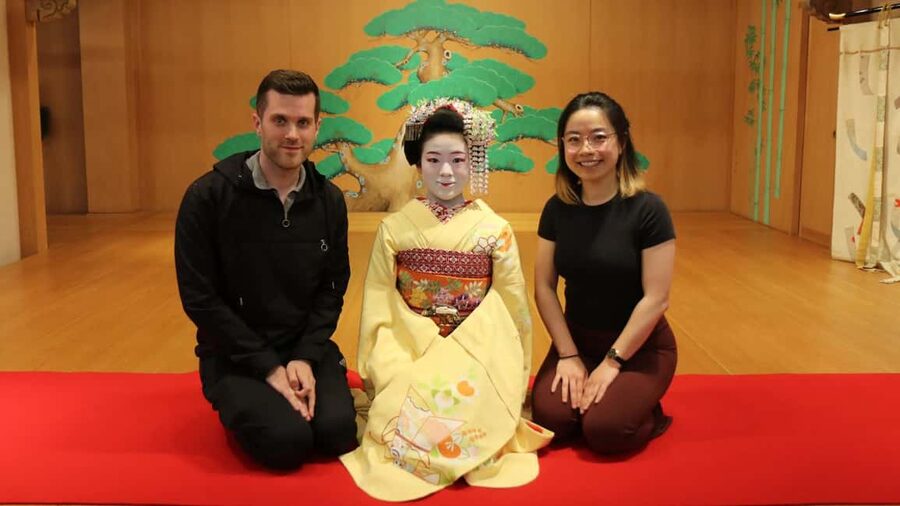
- Photo opportunities and chatting with the maiko in a more intimate setup
- A small souvenir handkerchief with a Japanese pattern given to each participant
Why a Maiko Dance and Tea Ceremony on a Noh Stage Works
Kyoto can feel like a museum from the outside. This kind of event flips the script. Instead of sprinting between temples, you sit down inside a dignified Noh theater and watch two classic arts unfold in the same time window: a maiko dance and a Japanese tea ceremony.
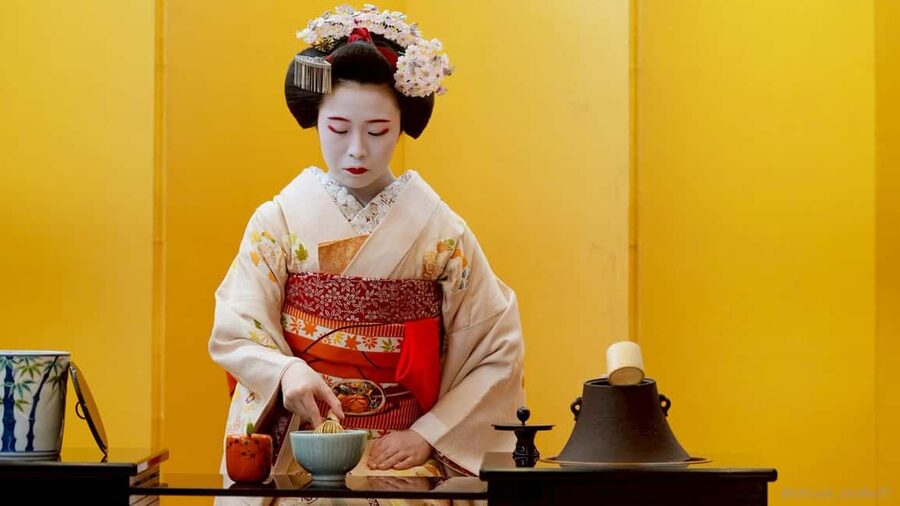
The magic is how quietly your attention tightens. A Noh stage is built for controlled movement and deliberate pacing. That matters when you’re watching a dance that relies on poise and timing as much as it does on costume. And then the tea ceremony slows everything down again, with precision you can see in how matcha is prepared and served.
If you care about cultural detail, this format is a strong value. You’re not just viewing one performance. You get the visual elegance of Noh theater and the hospitality of tea in one package.
You can also read our reviews of more tours and experiences in Kyoto.
Getting Oriented at Kurochiku Tensho-kan (And Why Timing Matters)
Your starting point is the 1st floor reception of Kurochiku Tensho-kan. Plan to arrive at least 15 minutes early. That early buffer isn’t extra for show. It helps you get settled, get oriented, and take care of the indoor shoe rules without stress.
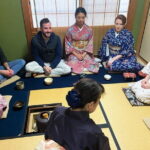
Once you’re in, the tone is formal but not cold. Comfortable seating is arranged so you can watch without craning your neck. And yes, this is an indoor experience after removing your shoes. The simple takeaway for your comfort: wear socks you’re happy to stand (or shift) in during the ceremony portion.
Meeting point details can vary depending on the option you book, so double-check your confirmation. In Kyoto, a small mismatch in meeting location can cost you real time. Then you end up rushing, and the whole point of an experience like this is calm.
The Tea Ceremony: Matcha, Seasonal Sweets, and Small Rituals
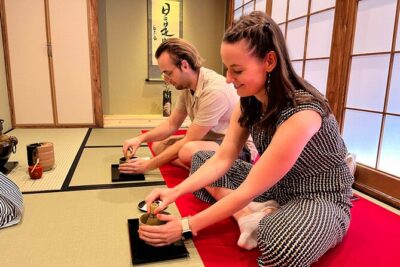
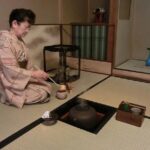
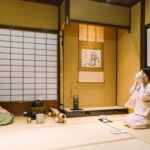
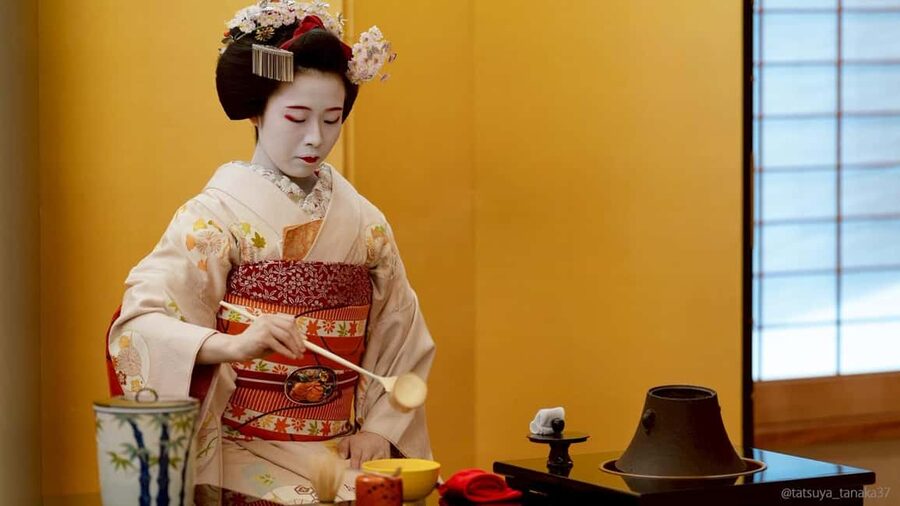
The tea ceremony is more than matcha with a side of culture. It’s a sequence of gestures and attention. You’ll have the chance to watch the maiko prepare the matcha with refined precision, then enjoy it with seasonal Japanese sweets.
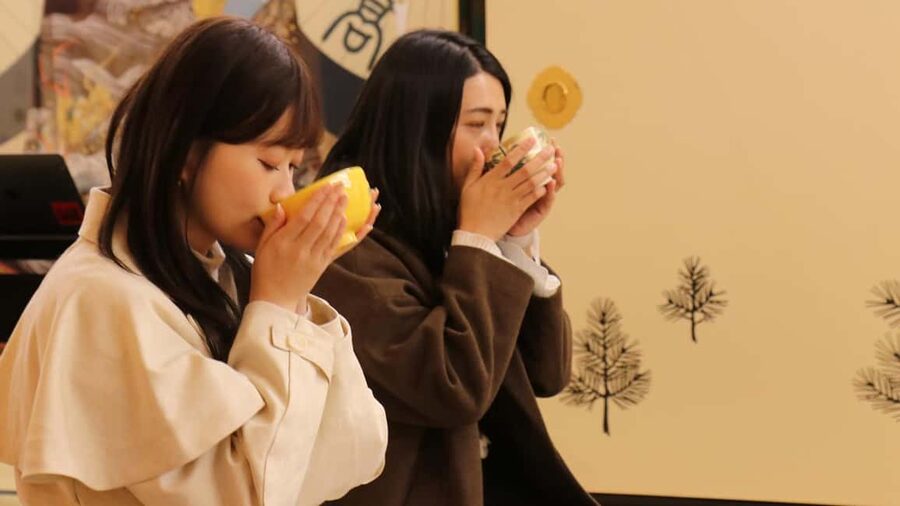
Why this part is so satisfying for visitors is simple: you’re not stuck interpreting from a distance. You can taste the sweets, drink the matcha, and connect that flavor to the care you’re seeing. In practice, that means your brain has something to do besides watch quietly. You’ll notice how the sweetness and bitterness balance, and how the ceremony rhythm changes your sense of time.
You’re also given a Japanese-patterned handkerchief to each participant. It’s small, but it reinforces the idea that everyday objects are part of the aesthetic. These little touches matter in Japanese hospitality because they keep the experience from feeling like a stage show only for your eyes.
If you’re the type who worries about not understanding the cultural background, the English interpreter guide helps bridge that gap. You’ll get enough context to follow what’s happening without turning the ceremony into a lecture.
Watching Maiko Dance on the Noh Stage: Calm Focus, Exact Form
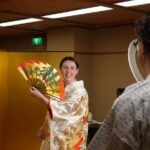
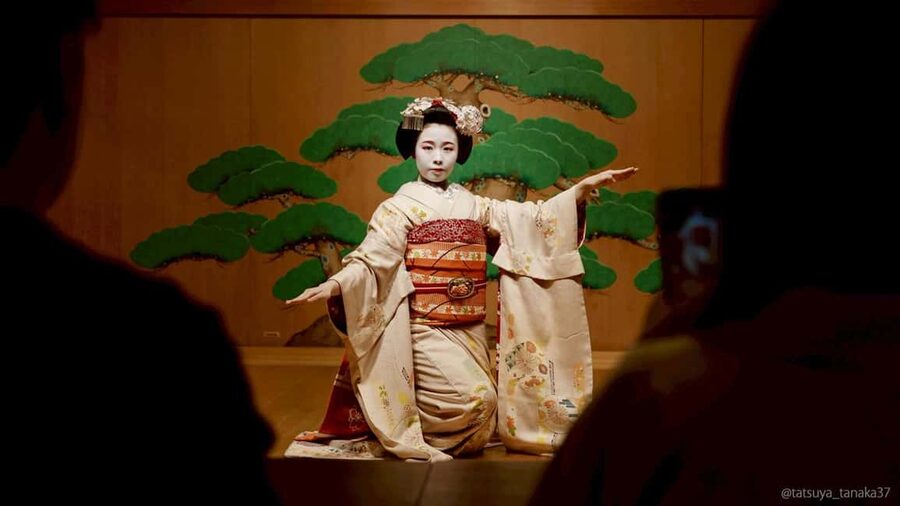
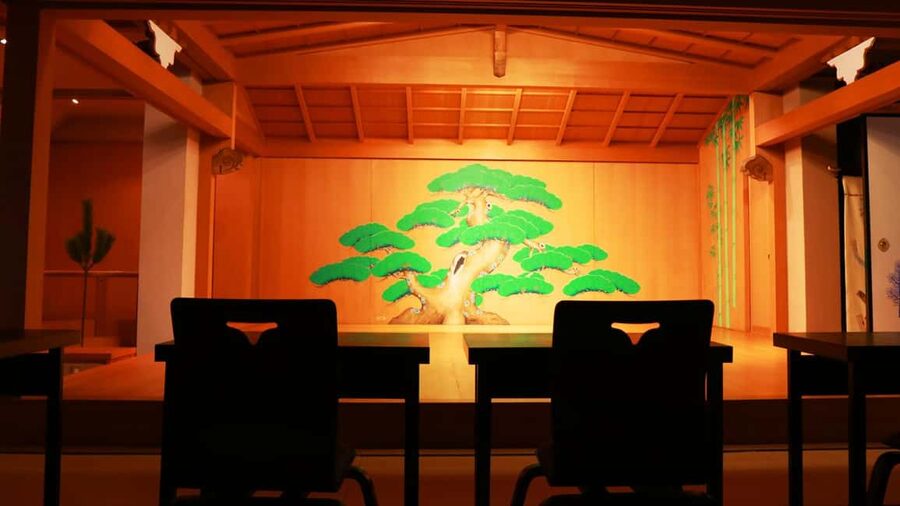
Now to the performance itself. You’ll watch a graceful maiko dance performed on an authentic Noh stage in Kyoto. This isn’t the kind of dance you can fully appreciate at random volume or angle. Noh theater is designed around lines of sight, controlled movement, and the way sound carries inside the space.
As you sit, pay attention to posture and pacing. Even if you don’t know the specific elements of the dance, you’ll feel the discipline in how the maiko moves. The experience is dignified and serene, and it encourages you to stop multitasking. That’s rare in travel days, and that’s why it sticks with you.
The highlight for me is that this feels “close” in a respectful way. It’s not a chaotic audience setup. It’s an intimate setting where the performance isn’t competing with noise. So if you’ve been craving something more reflective than sightseeing, this delivers.
And because you have English support available, you can understand what you’re watching at a human level. You don’t need to decode everything yourself.
Photo Time and Conversation With the Maiko
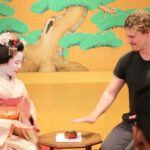
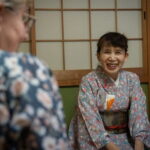
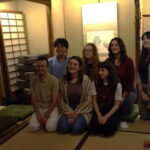
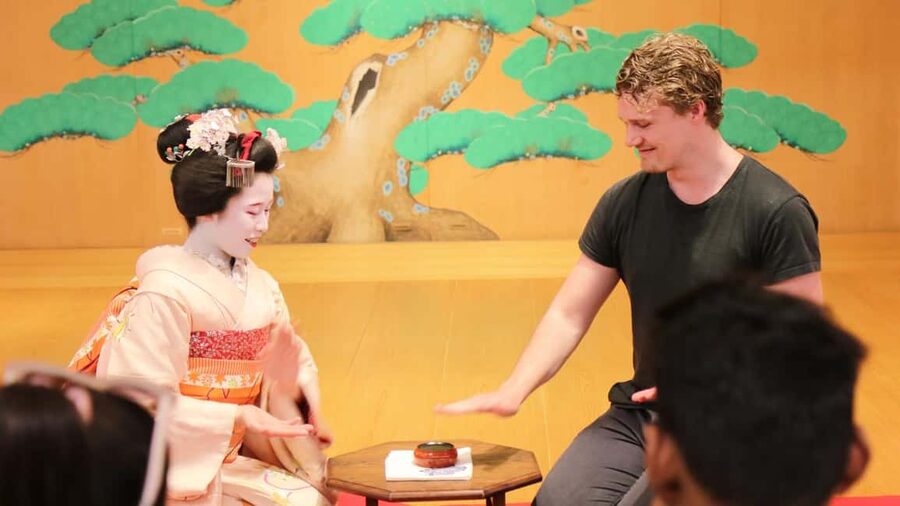
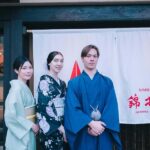
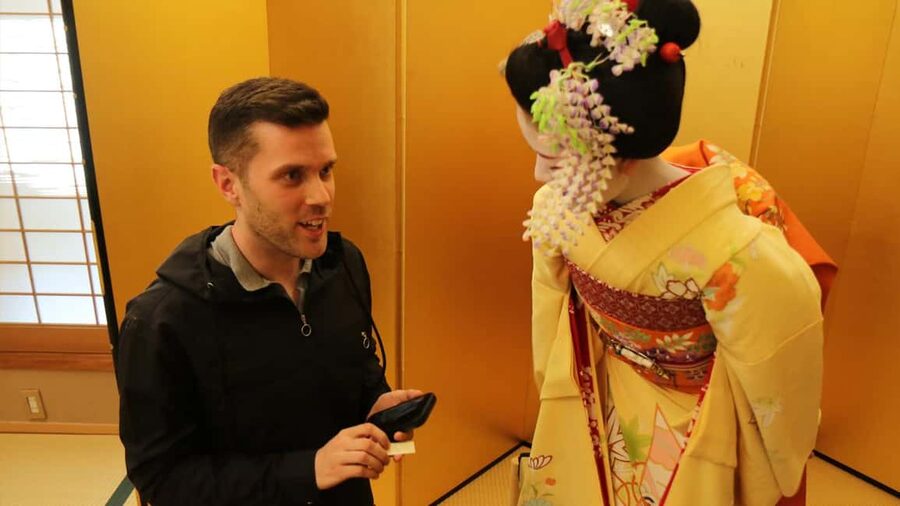
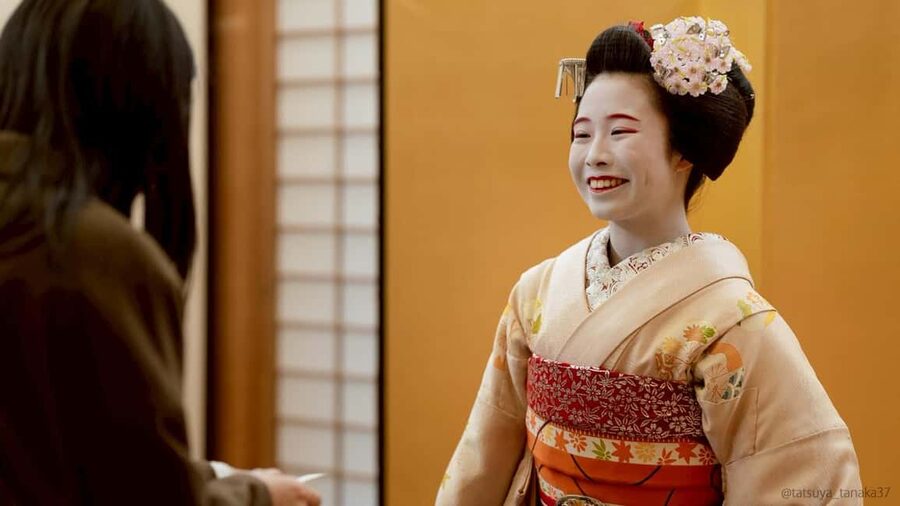
One of the most memorable parts is the chance to take photos and chat with the maiko after the main moments. This is where the experience stops being one-directional.
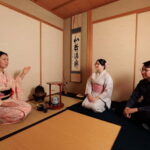
You’ll have a brief chance to interact, and it helps if you go in with a low-pressure attitude. Think simple questions, polite small talk, and appreciation for the work involved. The experience includes a guide/interpreter, so you’re not left stuck if your Japanese is limited.
This is also why the setting matters. An authentic Noh theater changes how the interaction feels. It’s not just a photo op at the end of a line. It’s a calmer transition from performance to person, while the atmosphere is still respectful.
If you’re photographing, follow the lead of the staff and watch for cues. The program is designed around order and etiquette, and it goes smoother if you keep your camera ready but not intrusive.

What’s Included vs. What You Pay For
Here’s where the value equation becomes clearer. The price is $141 per person, for a 1 hour to 90 minutes experience that includes the core cultural activities and the structure to make them understandable.
Included highlights:
- Matcha and sweets at the tea ceremony
- A Japanese-patterned handkerchief for each participant
- Professional English interpreter guide
- Noh stage in Kyoto
- Maiko dispatch fee
Not included:
- Private transportation
For most visitors, not including transportation is normal. Kyoto can be easy to navigate with public transit, but private rides cost extra fast. So the practical move is to plan your own route to the meeting point and treat this ticket as the cost of the cultural session, not the cost of getting there.
Also note: advance reservations are required. That means if you want a specific start time, you’ll need to lock it in early.
Price in Context: Is $141 Good Value?
$141 sounds like a “special ticket,” not an everyday activity. The good news is that the price includes more than a performance.
You’re paying for:
- A maiko performance in a real Noh stage setting
- A tea ceremony with matcha plus seasonal sweets
- An interpreter guide in English
- The maiko dispatch fee
- On-site support and a participant handkerchief
When you compare it to typical Kyoto experiences, this package is built around staff time and trained cultural roles. That’s usually what drives cost in Japan: skilled performers, guided interpretation, and formal venues.
The biggest value factor for you is whether you’ll use the explanation. If you enjoy understanding what you’re seeing and tasting, the interpreter turns the event into a deeper experience. If you simply want photos and don’t care about context, you might find it pricey. But for people who like calm, careful culture, it’s a fair spend.
Duration also matters. With 1 hour to 90 minutes, you’re buying a concentrated block of attention. That often beats trying to piece together tea, a show, and education on a busy day when your energy is limited.
A Practical Plan for Your Kyoto Day Around This 90-Minute Slot
How you schedule this can make or break your day. Since the event is indoors, it’s a good anchor when Kyoto outdoors feels crowded or when you want a break from walking.
A smart approach:
- Build in arrival time so you can check in at Kurochiku Tensho-kan calmly
- Wear socks suited for indoor shoe removal rules
- Keep the rest of the day flexible so you’re not racing off immediately after
Because the duration can run up to 90 minutes, treat it like a real appointment. Afterward, you’ll likely feel slower in the best way. That can make it easier to enjoy your next stop without rushing.
Also, the start time can vary depending on availability. Pick a slot that matches your energy level. If you’re planning a packed day of temples, an earlier time can help you avoid fatigue. If you want this event to be the calm highlight, choose a later slot and let the rest of the day be lighter.
Who This Experience Fits Best (And Who Should Skip It)
This is a great match if you:
- Want a culture experience that’s calm, seated, and structured
- Like tea, matcha, or food moments that connect to ritual
- Prefer English explanation so you don’t feel lost
- Enjoy formal performance settings like Noh theater
It might not be the best fit if you:
- Need a very casual, stand-up-and-stroll kind of activity
- Hate indoor etiquette routines like shoe removal
- Get impatient with slow, deliberate pacing
But even then, the tea portion and the friendly interpreter support can keep the experience engaging.
One more point: you can take photos and chat with the maiko. If that kind of interaction is important to you, this ticket is designed with that in mind.
Should You Book This Maiko Noh Stage Tea Experience?
If you’re deciding between another Kyoto temple stop and this cultural session, I’d lean toward booking it if you want something more personal than sightseeing. The combination of matcha and seasonal sweets, a maiko dance on a genuine Noh stage, and an English interpreter makes it feel complete for the time you spend.
Book it if you value clarity and etiquette, and if you’ll appreciate the quiet focus of Noh performance style. Skip it if you’re only chasing quick photos or you don’t want to follow indoor rules like removing shoes and arriving early.
Overall, for the cost and the length, it’s a concentrated, respectful experience that feels built for visitors who want to understand what they’re seeing, not just pass through it.
FAQ
How much does the Maiko Dance and Tea Ceremony cost?
The price is $141 per person.
How long is the experience?
It lasts 1 hour to 90 minutes, depending on the starting time.
Where does the tour start?
You meet at a reception at Kurochiku Tensho-kan. The exact meeting point can vary depending on the option booked.
What time should I arrive?
Arrive at the 1st floor reception of Kurochiku Tensho-kan at least 15 minutes before the starting time.
Is there an English guide?
Yes. The live tour guide includes an English interpreter (also Japanese is available).
Do I need to remove my shoes?
Yes. You participate indoors after removing your shoes.
What should I bring?
Wear or bring socks. That’s specifically listed as what to bring.
What’s included in the tea ceremony?
Matcha and seasonal Japanese sweets are served as part of the tea ceremony.
Does each participant receive anything?
Yes. A Japanese-patterned handkerchief is given to each participant.
Is transportation included?
No. Private transportation is not included.
Is free cancellation available?
Yes. You can cancel up to 24 hours in advance for a full refund.
Can I reserve now and pay later?
Yes. The option is reserve now & pay later, meaning you can book your spot and pay nothing today.