REVIEW · KYOTO
Kyoto: Uji Matcha Tea Museum Entry Ticket
Book on GetYourGuide →Operated by Chazuna · Bookable on GetYourGuide
Uji tea is famous for a reason, and this museum explains it. One visit here turns matcha into something you can actually picture, from how tea is made to how Uji itself shaped the craft. I like the way the exhibits answer real questions, and I also like the last-corner photo spot that makes the whole trip feel light and playful. A fair heads-up: this is very museum-and-exhibit focused, so if you want a long, formal tea ceremony, you may find it more educational than ceremonial.
What I especially liked are the Uji Tea Room interactive displays and the History Room multimedia screens. The tea room pushes beyond vague trivia, with prompts like how Uji tea is produced and what makes gyokuro different from sencha. The history side also leans visual and story-driven, with a big 10-yen coin centerpiece and a 4K HDTV town-scene display.
One consideration: you’ll get the most out of the ticket if you’re the type who enjoys reading, tapping, and watching screens. If you’re short on time or you prefer only tastings and nothing else, plan your expectations accordingly.
In This Review
- Key highlights at a glance
- One museum ticket: what your $3.87 day looks like
- Uji Tea Room: learn how Uji tea is made (and why it matters)
- Gyokuro vs sencha: the comparison that makes you pay attention
- Tips for making delicious tea, not just reading about it
- History Room: Uji and the Uji River, shown through screens and symbols
- A must-see 4K HDTV display: Meisho-zue townscapes
- The tea-themed photo spot: why the last corner earns attention
- Practical timing: how to plan a smooth 1-day visit
- Who should book this ticket, and who might skip it
- Value check: why $3.87 can feel like a bargain
- Should you book the Kyoto Uji Matcha Tea Museum ticket?
- FAQ
- What’s included with the Kyoto Uji Matcha Tea Museum entry ticket?
- How long is the experience?
- How much does it cost?
- Where is this experience located?
- Is the museum wheelchair accessible?
- Who provides the experience?
- Can I cancel if my plans change?
Key highlights at a glance
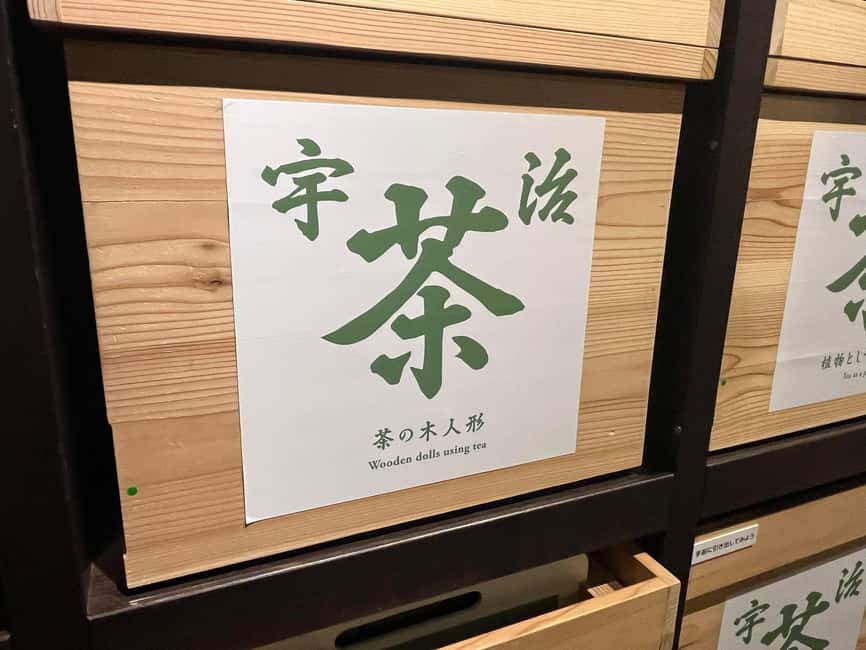
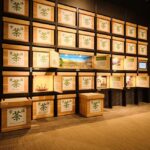
- Interactive Uji Tea Room where you can touch and experience tea concepts tied to real production methods
- Clear tea comparisons, including the difference between gyokuro and sencha
- History Room visuals, including a huge 10-yen coin featuring the Byodoin Phoenix Hall
- 4K HDTV display showing Uji townscape drawings called Meisho-zue
- Tea-themed photo spot in the last corner for easy, fun pictures
One museum ticket: what your $3.87 day looks like
For about $3.87, you’re buying a museum entry ticket that’s valid for 1 day. That low price is the first reason I think this is good value. Even if you spend only a focused hour, the exhibits are built to keep giving you something to look at and learn as you move through the rooms.
The big plus is that the museum is split into two themes: one room focused on tea itself and one focused on Uji town and its timeline. That means you’re not just learning tea in a vacuum—you’re also learning where Uji’s tea identity came from and how the town and river shaped the setting.
Also, this experience is listed as wheelchair accessible, which matters at small indoor museums where layouts can sometimes be tricky. If you need step-free access, this is a box worth checking.
You can also read our reviews of more tours and experiences in Kyoto.

Uji Tea Room: learn how Uji tea is made (and why it matters)
The Uji Tea Room (Uji-cha no Ma) is where the museum shifts from looking pretty to teaching you something you can use later. The exhibits are designed around practical questions, so you’re not just staring at posters. You’re walking through prompts that ask how tea is made, what Uji tea’s story is, and what makes Uji tea special.
I love that the displays are built for different ages, including kids. That doesn’t mean it gets dumbed down. It means the information is presented in a way you can grasp even if you’re new to tea.
In this room, you’ll find digital exhibition content that you can touch and experience. That’s a big deal because tea can feel abstract—especially if you’ve never seen production steps up close. A touch-based approach helps your brain connect the dots between process and flavor ideas, even if you don’t know the technical vocabulary yet.
Gyokuro vs sencha: the comparison that makes you pay attention
One of the strongest parts of the tea education here is the explicit focus on the difference between gyokuro and sencha. That’s not a random detail. It’s the kind of comparison that gives you a hook for future tea shopping, tasting, and ordering.
If you’ve only ever treated matcha as one thing, this is where you start learning that Japanese tea has categories with real differences behind them. You don’t need to be a tea nerd to benefit; you just need to be curious.
Tips for making delicious tea, not just reading about it
The tea room also addresses how to make delicious tea in the first place. The museum’s structure is basically saying: learn the concepts, then use them. Even if you’re traveling, you’ll likely leave with at least one question you want to test later at home—like what changes when you adjust preparation or expectations.
A word on pacing: plan on taking your time here. This isn’t the kind of room you rush through without losing value. The exhibits are designed to be worked through, not skimmed at speed like a museum scavenger hunt.
History Room: Uji and the Uji River, shown through screens and symbols
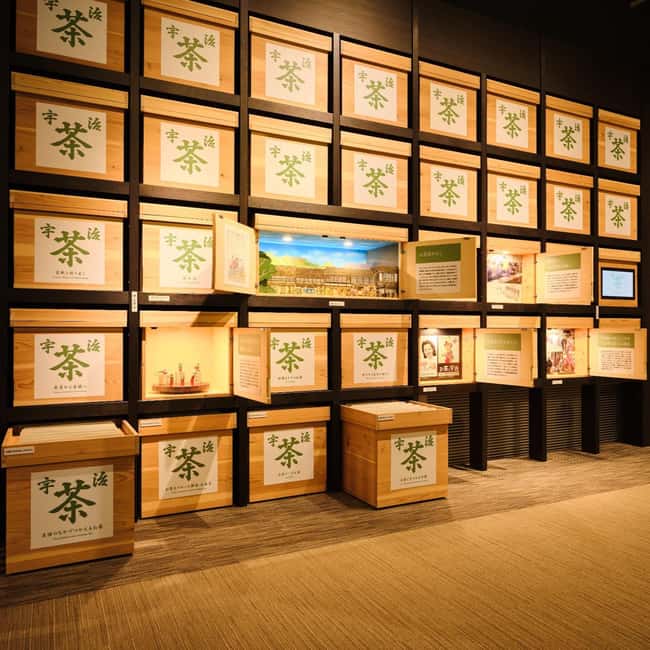
The History Room is the museum’s second half, and it’s built to answer a different set of questions: how did Uji become Uji, and what changed over time? Instead of focusing only on tea leaves, it brings in place and timeline.
The first impression is memorable. A huge 10-yen coin featuring the Byodoin Phoenix Hall welcomes you, using a famous Japan reference point as an instant entry into the story. It’s the kind of visual cue that helps you connect the museum to real-world Japanese culture, even if you’re far from central Tokyo.
Then the exhibits shift into digital storytelling about the town of Uji and the Uji River over time. This is exactly the kind of context that helps tea make sense. Tea production doesn’t live in a lab. It depends on land, logistics, seasons, and the human history that shapes a place.

A must-see 4K HDTV display: Meisho-zue townscapes
If you want one stop inside the history room that feels like a highlight, it’s the huge 4K HDTV screen with town-scape drawings called Meisho-zue. A 4K display can sound like a marketing buzzword, but here it’s presented as part of a museum storytelling tool—showing you Uji’s visual identity through drawings.
I like this because it gives your imagination something concrete. When you’re later walking around the real area, you can start matching the memory from the screen to what you see outside.
The tea-themed photo spot: why the last corner earns attention
Don’t rush to the exit when you finish the main exhibits. The museum includes a tea-themed photo spot in the last corner, and it’s worth the small detour.
This matters for two reasons. First, it gives you a simple payoff right when you’re most likely tired. Second, it’s a fun way to capture the theme of the visit without needing to make extra effort. If you’re traveling with kids or just want something silly to remember, this kind of photo stop can turn a learning-heavy experience into a balanced day.
Take a couple shots, then step back and look around one more time. This is the best point to notice how the exhibit flow builds from tea process to Uji identity. The photo spot acts like a soft landing after all the information.
Practical timing: how to plan a smooth 1-day visit
This ticket is valid for 1 day, and you’ll want to check the starting times available for your visit. That doesn’t mean you’re locked into a long schedule—it just means the museum experience may have entry windows.
I suggest you treat this as a half-day to full-day option depending on your pace. If you skim, you’ll move faster. If you actually read the tea questions and spend time with the screens, you’ll naturally slow down.
Also, because it’s a small museum experience (not an all-day outdoor circuit), you’re less likely to get worn down by walking distances. Indoors, you control your pace more easily.
Who should book this ticket, and who might skip it
I think this museum is a great match for three types of travelers.
First, if you’re a tea beginner, the Uji Tea Room is approachable because the questions start basic and build into comparisons like gyokuro vs sencha. You’ll leave understanding tea categories in a way that helps you choose what to buy or order later.
Second, if you travel with kids, this is a rare educational stop that isn’t only lectures. The exhibits are designed so children through adults can enjoy learning about tea.
Third, if you like visual learning, the 4K HDTV and the digital exhibitions make the story easier to digest than plain text.
If you’re the type who only wants tastings and nothing else, you might find the experience too exhibit-centered. Still, even then, the tea-and-history combination is low-risk, because the ticket cost is small and you can move at your own pace.
Value check: why $3.87 can feel like a bargain
At $3.87, you’re paying for museum tickets to a two-room experience built around digital exhibitions, touch-based interaction, and major displays like a 10-yen coin symbol and a 4K HDTV section. That’s a lot of “show” for the price.
The real value is educational compression. Instead of spending a full day hunting multiple sources about Uji tea and Uji history, you get a focused indoor route that covers both. You also get a souvenir-like memory that isn’t just a photo—it’s a clearer mental model of how tea fits into the place.
If your travel budget is tight, this is exactly the sort of ticket that can keep your days interesting without breaking the bank. If your budget is flexible, it’s still worth it because the learning is specific, not generic.
Should you book the Kyoto Uji Matcha Tea Museum ticket?
Yes, if you want a low-cost, high-focus indoor stop in the Kyoto/Uji area. Book it if you like learning through screens and interactive exhibits, and especially if you want the tea-room basics like how Uji tea is made and how gyokuro differs from sencha.
Skip or adjust your expectations if you’re expecting a long, formal tea ceremony experience or a schedule packed with multiple activities. This ticket is about the museum rooms—tea first, then Uji history—plus a fun photo spot at the end.
My rule: if you’re curious about tea and you enjoy doing a little reading and tapping, you’ll get your money’s worth fast.
FAQ
What’s included with the Kyoto Uji Matcha Tea Museum entry ticket?
The ticket includes museum tickets for the experience.
How long is the experience?
It’s listed as 1 day.
How much does it cost?
The price is listed as $3.87 per person.
Where is this experience located?
It’s in Honshu, Japan.
Is the museum wheelchair accessible?
Yes, the experience is listed as wheelchair accessible.
Who provides the experience?
The experience provider is Chazuna.
Can I cancel if my plans change?
Yes. It offers free cancellation up to 24 hours in advance for a full refund.