REVIEW · KURASHIKI
Japanese Tea Ceremony Private Experience
Book on Viator →Operated by 月と花 Japanese tea ceremony salon · Bookable on Viator
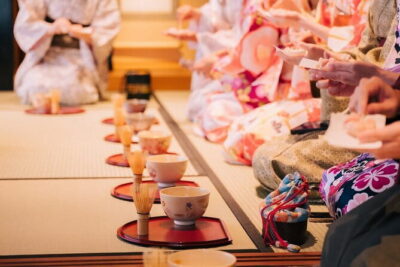
A quiet room. Then matcha magic. This private Japanese tea ceremony in Kurashiki pairs a real tea master, a traditional setting, and hands-on etiquette that feels doable even if it’s your first time. I like that you’re taught tea room etiquette and how to handle the utensils while the matcha is made right in front of you.
I also love the food part: seasonal Japanese sweets served alongside the matcha, in a way that makes the whole ritual feel complete, not just educational. One thing to consider: tea room seating can put more pressure on your feet and legs than you’re used to, so go in expecting careful guidance for comfort, not a casual chair-and-couch experience.
In This Review
- Key highlights you can count on
- Kurashiki’s old-town feel makes the ritual feel extra real
- Inside the tea room: simple rules, no costume changes
- How the 1-hour ceremony actually unfolds
- Matcha and seasonal sweets: the ritual has a payoff
- Etiquette lessons you can actually use later
- Comfort matters: foot care in a traditional setting
- Price and private value: is $50 worth it?
- Where you meet in Kurashiki, and how to plan your hour
- Who should book this Kurashiki private tea ceremony
- Should you book? My practical take
- FAQ
- How long does the Japanese Tea Ceremony Private Experience last?
- Is this experience private or shared?
- Do I need to wear special clothing or bring anything?
- What will I do during the ceremony?
- Where do I meet for the experience in Kurashiki?
- How does confirmation work after booking, and is there a mobile ticket?
- What is the cancellation policy?
Key highlights you can count on
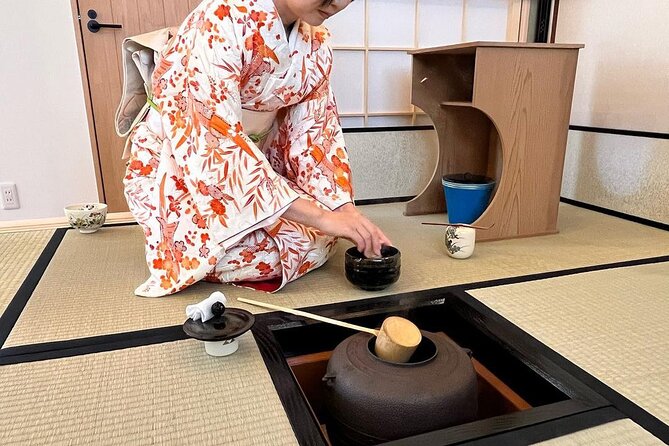
- Qualified tea master leads a full-fledged ceremony in a traditional tea room
- Etiquette explained clearly, including what the gestures mean
- Matcha made in front of you, so you see the process up close
- Seasonal Japanese sweets served with the tea
- Private experience means only your group participates, with time to ask questions
- No outfit stress: clothes and belongings are handled for you
Kurashiki’s old-town feel makes the ritual feel extra real
Kurashiki gives you a naturally calm backdrop for a tea ceremony. You’re not doing this in a loud, rushed space. Instead, you’re stepping into a traditional tea room experience that fits the mood of Kurashiki’s old-town atmosphere.
That matters, because tea ceremony is slow by design. If you show up keyed up and expecting entertainment-only sightseeing, it can feel like you’re watching a performance. But if you let it be a real cultural ritual, you’ll get more out of it: the pauses, the movements, and the idea that small actions add up to a bigger experience.
You also get the best of both worlds: Kurashiki’s pretty streets and a structured cultural activity inside—so your day has a clear “anchor moment,” not just a series of stops.
Inside the tea room: simple rules, no costume changes
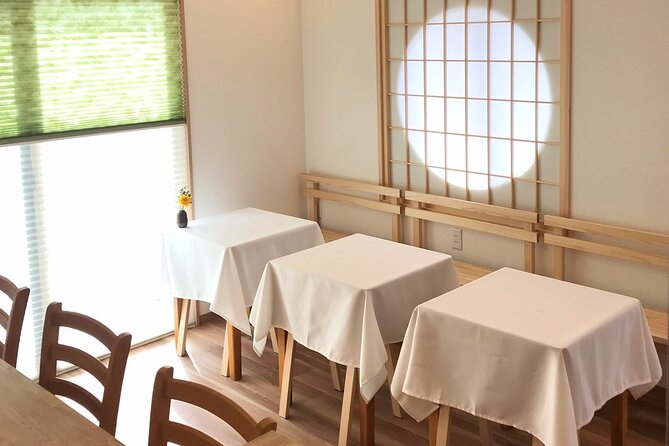
The experience is set up to be approachable. There’s no need to bring fancy clothes or worry about what to do with your belongings. Everything you need is prepared at the tea room, and the experience is explained in a way that helps first-timers keep up.
That “low stress” part is more valuable than it sounds. In many cultural activities, the most intimidating barrier is the practical stuff—what to wear, where to put your bag, how not to break a rule by accident. Here, the focus stays on the ceremony itself.
And because you’re in a traditional tea room, you’ll likely notice the difference right away: space feels intentional, movement feels quieter, and the whole room asks you to slow down. If you’ve ever wanted to try a tea ceremony but worried you’d feel out of place, this setup is designed to prevent that.
How the 1-hour ceremony actually unfolds
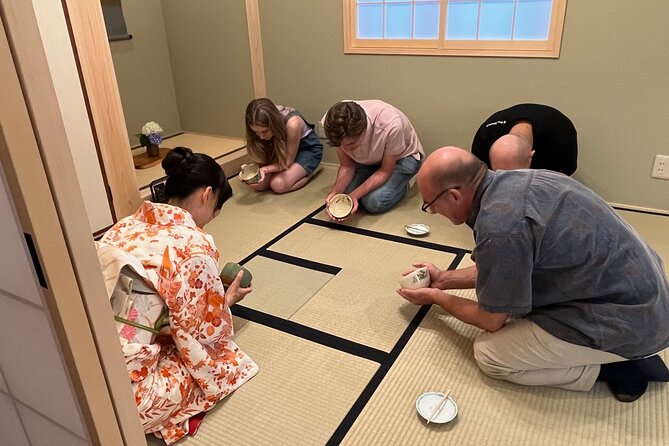
This is a full-fledged tea ceremony led by a qualified tea master. In plain terms, you’ll be guided through the important parts of the ritual—what to do, what to say (when applicable), and what the etiquette is trying to communicate.
Here’s the core flow you can expect:
- You’ll listen to the tea master’s explanation of etiquette—not just the steps, but the meaning behind them.
- You’ll learn how to use the utensils, with guidance so you can try things without guessing.
- You’ll watch the matcha being made in front of you, then enjoy it with the sweets.
- Throughout, you’ll be reminded to move carefully and respectfully, especially in a room where small details matter.
The private format is a big deal for this kind of activity. When it’s your group only, you’re more likely to get personal pacing—answers when you need them, and clarification if something doesn’t make sense on the first explanation.
Also, the “approx. 1 hour” length helps. Tea ceremony can be very long in some settings. Here, it gives you a proper dose of culture without swallowing your whole day. You can enjoy the experience without needing to plan your afternoon around it.
Matcha and seasonal sweets: the ritual has a payoff
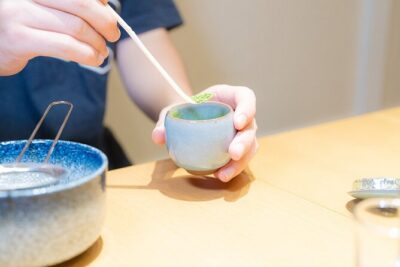
Matcha is the star, and you’ll get the best kind of attention for it: you see it being prepared and then you taste it as part of the ceremony, not as a separate snack you grab while walking around.
The experience pairs matcha with Japanese sweets described as beautiful and seasonal. That’s important, because in a tea setting, sweets aren’t just dessert. They’re part of the balance—sweetness and texture set up how the tea tastes, and they help the ritual feel complete rather than like a single sip event.
One detail that’s easy to overlook until you’re doing it: when the matcha preparation happens in front of you, it changes your brain’s focus. Instead of wondering what you’re supposed to be noticing, you have something concrete to watch—whisking, timing, and how the tea is presented. That makes the experience feel more interactive, even though it’s quiet.
And yes, the taste matters. In at least one family experience with kids (ages 14 and 11), the ceremony landed because the matcha and treats were really tasty—along with the learning. That combo—fun + meaningful—tends to be the sweet spot for this kind of cultural activity.
Etiquette lessons you can actually use later
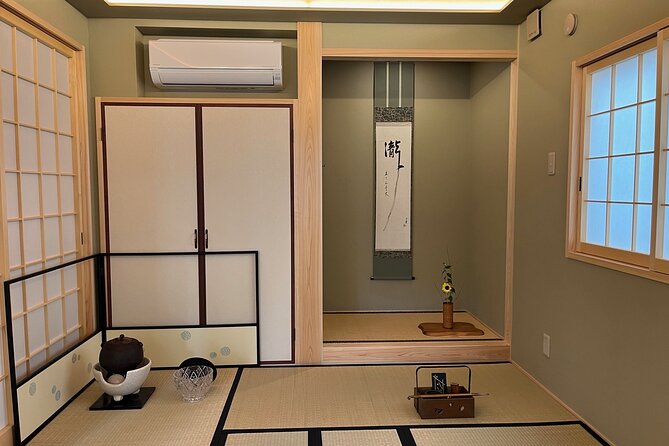
The etiquette portion is where you get value that goes beyond the one hour. It’s easy to watch a tea ceremony and think: I saw gestures. It’s harder to walk away understanding why those gestures exist.
Here, you’re taught the etiquette’s meaning and how to handle the utensils carefully. That helps you avoid turning the experience into a “try not to mess up” exercise. Instead, you can approach it like a guided practice.
If you’re a first-timer, here’s what I’d watch for in the explanations:
- Why the movements are slow and deliberate
- How respect shows up in posture, handling, and timing
- How utensils are used as part of the ritual language
You don’t need to memorize everything. The point is to leave with a sense of how the tea ceremony communicates care—toward others, the tea itself, and the moment.
This also makes the experience more enjoyable for kids and teens. When the lesson includes meaning and practical instructions, it stops feeling like rules for rules’ sake. A family that included two teens found the ceremony both fun and educational, and that’s usually a sign the etiquette is being taught in a way that lands.
Comfort matters: foot care in a traditional setting
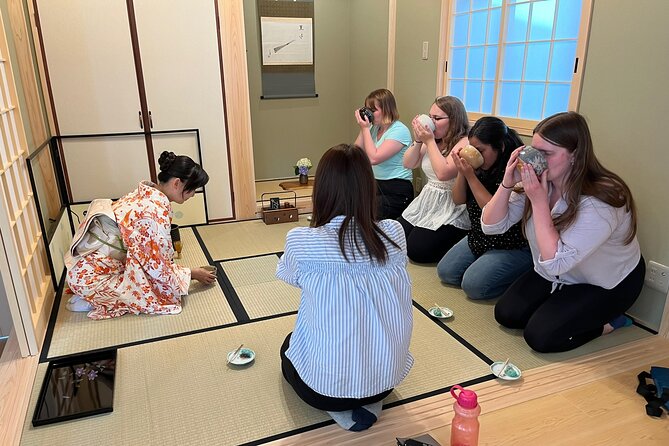
A tea room experience often means the body adapts to a different posture than you’re used to. This one explicitly takes care to explain how to avoid hurting your feet as much as possible. That’s a clue worth listening to.
Practical advice:
- Wear footwear you can stand or move in comfortably before and after.
- If you know you have knee or ankle limitations, be ready that you may need to adjust your comfort within the tea room’s seating style.
- Pay attention to the guidance during setup. The first few minutes often make the difference between you enjoying the ceremony and you focusing on discomfort.
The goal here isn’t perfect “traditional posture.” It’s a respectful experience where you can stay present. When the staff and tea master guide you through it, you can usually relax into the ritual instead of bracing the whole time.
Price and private value: is $50 worth it?
The price is $50 for about 1 hour, and it’s a private experience. On paper, that might look like a short activity for the cost. In practice, you’re paying for three things that are hard to replicate yourself:
- A qualified tea master leading a structured, full ceremony
- Hands-on instruction for etiquette and utensil use
- Matcha prepared as part of the ritual, plus seasonal Japanese sweets
That’s why the private format matters. If you were in a shared group, you’d likely get fewer chances to ask questions or correct utensil technique on the spot. Private pacing tends to improve learning and comfort—especially for first-timers.
You’ll also see mentions of group discounts, which can reduce the per-person cost if you’re booking with friends or family. And there’s a mobile ticket, which simplifies how you get in without extra paperwork.
So the value question becomes: do you want a guided cultural experience that includes tasting and instruction, or do you just want to watch something quickly? If you’re in the first camp, this feels like a fair way to get the real tea ceremony experience without needing special planning.
Where you meet in Kurashiki, and how to plan your hour
You’ll meet at 月と花 Japanese Tea ceremony salon, 2-chōme-16-11 Achi, Kurashiki, Okayama 710-0055, Japan. The activity ends back at the meeting point.
It’s also described as near public transportation, which is useful in Kurashiki where you may be moving between neighborhoods on foot or by transit. Since the ceremony is about an hour, your timing matters less than your arrival mindset. Show up calm. Let the space set the pace.
Because it ends where you start, you don’t have to solve the “how do we get back” problem afterward. That’s good if you’re pairing the tea ceremony with exploring Kurashiki streets right afterward.
Who should book this Kurashiki private tea ceremony
This experience is especially suited for:
- First-timers who want to learn etiquette instead of just taking photos
- People who enjoy learning through doing—watch, then try, then taste
- Families with kids old enough to enjoy a calm lesson. A family experience with kids aged 14 and 11 highlighted that the ceremony worked when it included clear explanation and actual, enjoyable food
- Couples or small groups who want a private pace and the freedom to ask questions
It might be less ideal if you’re dealing with strong mobility limits and know you’ll struggle in a traditional tea room posture. The team does their best to reduce foot discomfort, but the setting still has physical expectations.
If you’re looking for high-energy entertainment, this won’t be that. If you want a quiet cultural activity you’ll remember and be able to explain later, it fits well.
Should you book? My practical take
I’d book this if you want a real tea ceremony with instruction, matcha you can taste as part of the ritual, and seasonal sweets that make the experience feel complete. The private format, the clear etiquette teaching, and the tea master-led flow are exactly what make it feel worth your time.
Skip it—or at least think carefully—if you know you can’t comfortably handle a traditional tea room seating posture. Even with foot-care guidance, comfort still depends on your body and your tolerance.
If you’re traveling through Kurashiki and you want one activity that adds meaning (not just another stop), this is a strong choice. It’s also short enough that it won’t hijack your whole day.
FAQ
How long does the Japanese Tea Ceremony Private Experience last?
It lasts about 1 hour (approx.).
Is this experience private or shared?
It’s a private tour/activity, so only your group participates.
Do I need to wear special clothing or bring anything?
No. You don’t need to worry about clothes or belongings because everything for the experience is prepared for you.
What will I do during the ceremony?
You’ll watch and participate in a full tea ceremony led by a qualified tea master. You’ll learn tea etiquette, how to use the utensils, and enjoy matcha made in front of you with seasonal Japanese sweets.
Where do I meet for the experience in Kurashiki?
You meet at 月と花 Japanese Tea ceremony salon, 2-chōme-16-11 Achi, Kurashiki, Okayama 710-0055, Japan.
How does confirmation work after booking, and is there a mobile ticket?
Confirmation is received at the time of booking unless you book within 2 days of travel, in which case you’ll receive confirmation within 48 hours subject to availability. A mobile ticket is included.
What is the cancellation policy?
You can cancel for a full refund up to 24 hours in advance of the experience start time. If you cancel less than 24 hours before the start time, the amount paid is not refunded.