
REVIEW · NAIROBI
From Nairobi: Kiambethu Tea Farm Tour & Lunch
Book on GetYourGuide →Operated by GRACEPATT SAFARIS · Bookable on GetYourGuide
Colobus monkeys and tea beat a typical drive. I like how the day mixes a forest walk with a three-course lunch built around fresh, locally sourced ingredients, and how your guide connects Kenyan life to the rise of tea as a major export crop. The one drawback: this is more about plants, history, and small wildlife moments than nonstop big-animal sightings.
You’ll get an easy start with pickup from your Nairobi accommodation around 9:30 am, and the group stays small (up to 15), which makes it simpler to ask questions. You’re also not stuck figuring out tickets or entry on your own; entrance and a professional English-speaking guide are included.
What really makes this tour feel complete is the flow: biscuits and tea at the main house, a stroll through the estate gardens, then time in a well-preserved indigenous forest where colobus monkeys may appear. If you’re okay with a relaxed pace and want a genuine slice of Central Kenya, you’ll probably enjoy it.
In This Review
- Key points worth knowing before you go
- Nairobi to Kiambethu: Timing, Transfers, and the Real Day Plan
- Welcome at the Main House: Homemade Biscuits, Tea, and the Tea Story
- Strolling the Tea Gardens and Catching a Glimpse of Colobus Monkeys
- The Indigenous Forest Walk: Where Culture Meets Wildlife
- Lunch at Kiambethu: A 3-Course Meal That Feels Like Part of the Visit
- Price and Value for $160: What You’re Actually Buying
- What Makes the Guide Time Matter (and How to Make It Better)
- Who This Tour Fits Best (and Who Might Feel Shortchanged)
- Booking Tips: What to Bring and What to Expect From the Pace
- Should You Book the Kiambethu Tea Farm Tour & Lunch?
- FAQ
- What time does pickup happen in Nairobi?
- Where is the pickup location?
- How long is the tour?
- When do we arrive at Kiambethu Tea Estate?
- What’s included with the ticket?
- Is lunch included, and what does it include?
- Will I see wildlife on this tour?
- What group size should I expect?
- Are tips included in the price?
Key points worth knowing before you go
- Tea-making and Kenyan export history in plain language, not a lecture
- Old forest + estate gardens, with chances to spot colobus monkeys
- Homemade biscuits and tea at the main house to start your visit
- A true sit-down 3-course lunch plus tea and coffee
- Full Nairobi transfers and entrance fees included, so your day is worry-free
- Small group size (15 max) for better guide interaction
Nairobi to Kiambethu: Timing, Transfers, and the Real Day Plan
This is a full half-day trip, built around getting you out of Nairobi and back without hassle. Pickup runs from 9:30 am, starting at Haile Selassie Avenue, and you’ll spend about 4 hours in the van during the day. You arrive at Kiambethu Tea Estate around 11:00 am, which is a good time for a first walk—before the heat gets too intense and before you’re fully tired from the drive.
Because the ride is a big chunk of the total 6-hour duration, I treat this as a day with one main goal: make your time at Kiambethu count. If you’re the type who hates rushing or bouncing between multiple stops, this works. If you want a packed route with constant new views every 20 minutes, you might feel like the van time is doing most of the heavy lifting.
The value here is that your transfer is included end-to-end. You’re not spending your morning bargaining for transport or trying to stitch together a “quick” tea stop on your own. For me, that convenience matters in Nairobi, where getting out of town smoothly can take more effort than it should.
You can also read our reviews of more tours and experiences in Nairobi.
Welcome at the Main House: Homemade Biscuits, Tea, and the Tea Story
When you reach the main house at Kiambethu, you start with homemade biscuits and tea. It’s a simple welcome, but it sets the tone: you’re not just touring fields, you’re stepping into how the estate presents its work and culture to visitors.
Your guide then explains the farm and tea-making process while you snack. The best part of this portion is how it frames tea as something shaped by labor, geography, and Kenya’s place in global trade—since tea is one of the country’s biggest export crops. Instead of feeling like you’re only learning plant facts, you’ll connect the dots between rows of tea bushes and Kenya’s larger economy.
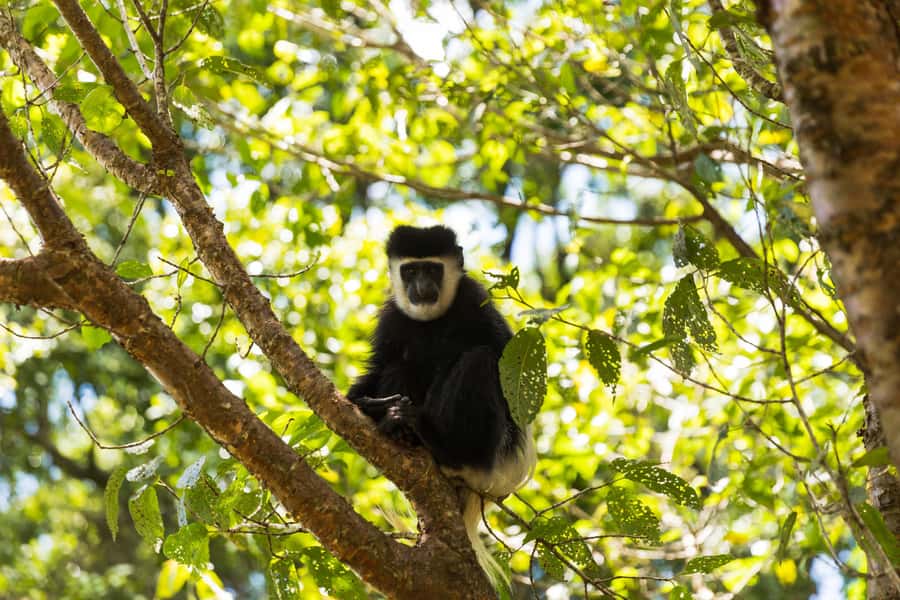
Garden time after that welcome keeps the pace human. You’ll have a chance to look around the gardens surrounding the main house, and you’ll often catch sight of the estate’s resident colobus monkeys—which adds a nice wildlife cue early in the day.
If you’re the kind of traveler who asks questions, this is the time to do it. Ask how tea production works, what the forest protects, and how the estate balances visitors with the land. With an English-speaking guide, you should be able to get straight answers.
Strolling the Tea Gardens and Catching a Glimpse of Colobus Monkeys
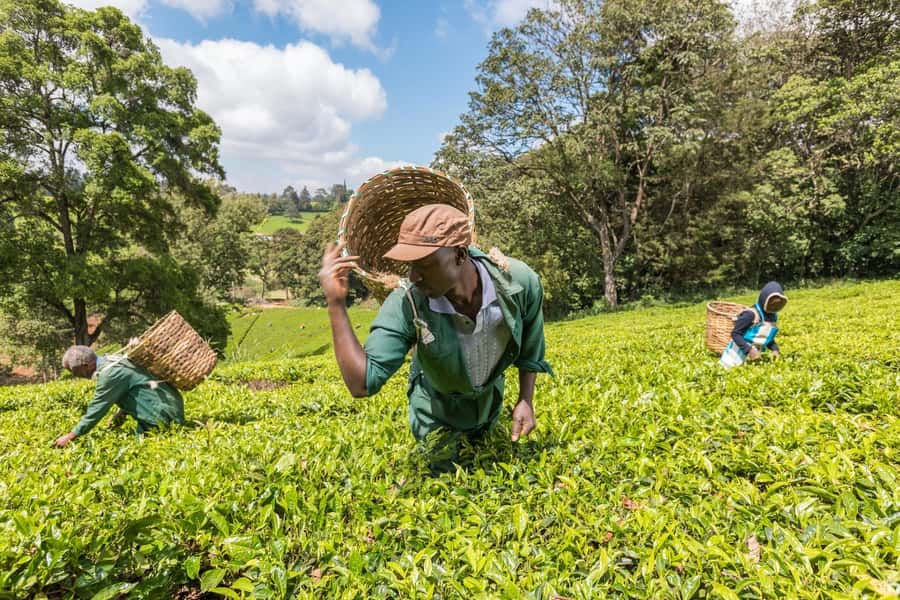
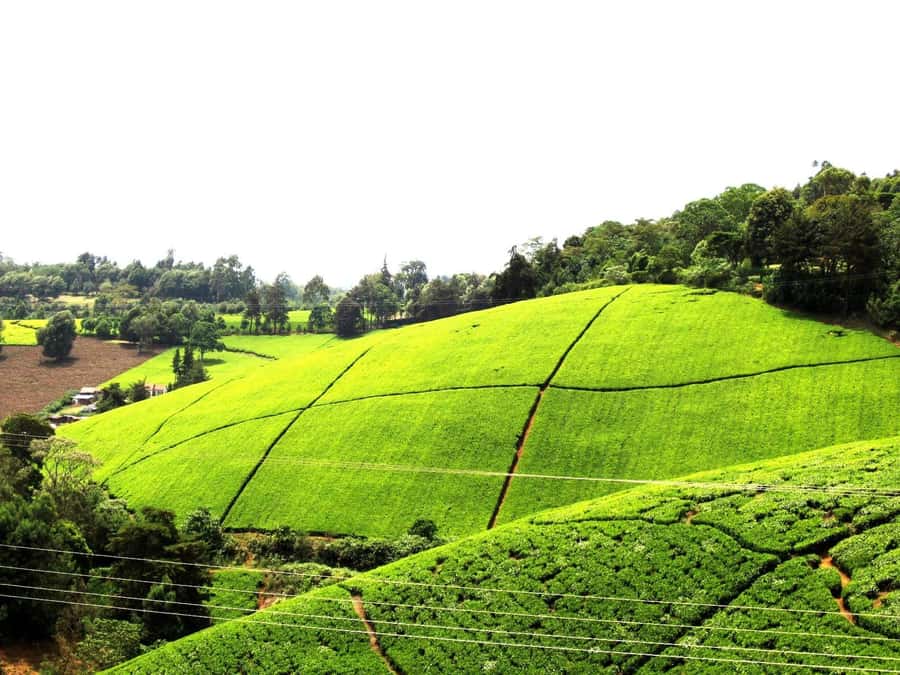
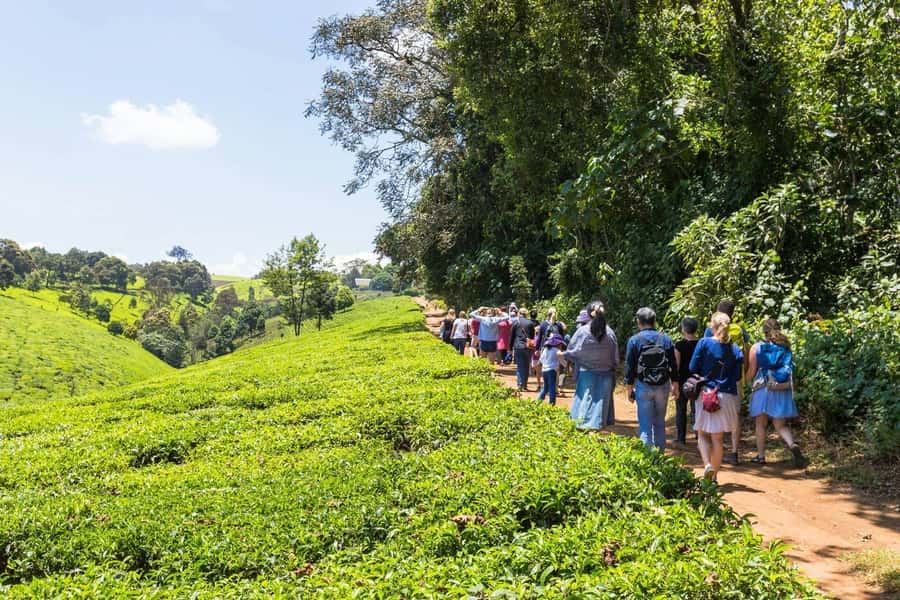
Tea gardens are the visible centerpiece, but the real magic is how they lead your eye into the surrounding nature. You’ll move at an unhurried pace as your guide keeps pointing out what matters—how the plantation sits next to forest areas and why wildlife can survive right where people are growing crops.
The highlight for many people is the chance to see colobus monkeys. This isn’t a guaranteed wildlife encounter like a ticketed park show; it’s more of a “watch carefully and you might catch them” situation. I like that better, honestly. You feel like you’re sharing the environment, not demanding a performance.
Because colobus monkeys depend on trees and cover, the way your guide times and guides the walk can make a difference. If you notice movement above or hear calls from the treetops, pause and look slowly—often that’s when you’ll spot the monkeys hanging or feeding.
One small practical point: bring a phone with enough battery, but also keep your eyes doing the work. A blurry picture isn’t as satisfying as a clear look through branches when you’re standing right there.
The Indigenous Forest Walk: Where Culture Meets Wildlife
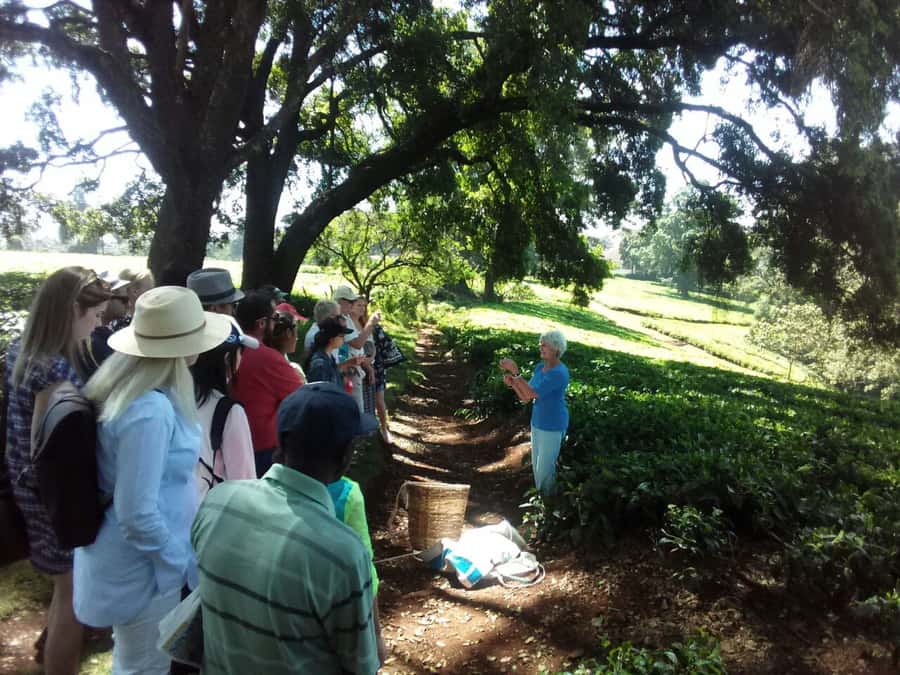
After the gardens, you head into a well-preserved indigenous forest. This is where the tour shifts from agriculture to ecology. Your guide talks about the forest and wildlife, and the walking route is set up so you can observe without feeling rushed.
The forest component is one reason I think this works even for people who have done safaris before. You’re not chasing the biggest mammals; you’re learning how Kenya’s ecosystems function around human land use. It’s quieter, greener, and more textured than the usual highway-view type of day.
Your tour is run with guides who are experts in African wildlife and culture, so the forest talk tends to land in a useful way. Instead of only naming animals, the best guides connect behavior and habitat—like why certain animals choose forest edges or how thick cover matters for survival.
In practical terms, plan for uneven ground and lots of shade. Wear comfortable shoes you trust for walking on forest paths. And if you’re sensitive to insects, bring repellent—forests are forests, even when they’re well kept.
If the goal is learning with a little nature thrill, this part delivers. If your goal is nonstop action, you may find the forest walk calmer than you expected. That calm is also what makes it feel different from a typical drive day.
Lunch at Kiambethu: A 3-Course Meal That Feels Like Part of the Visit
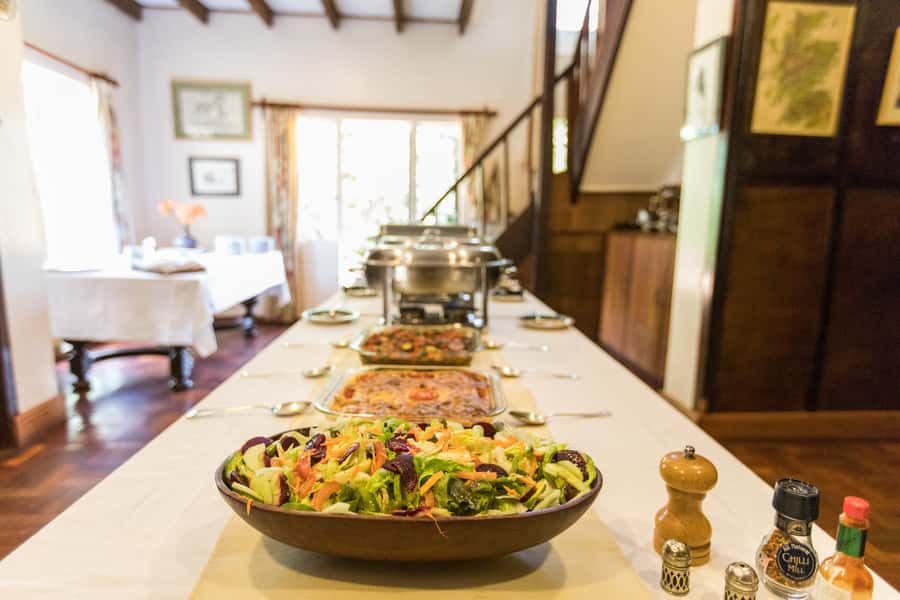
The day ends with a relaxed 3-course lunch at Kiambethu. This isn’t just included food thrown in to fill time. You’re eating at the estate after walking its grounds, and the meal is made from locally sourced produce.
Along with the lunch, you’ll also get a soft drink and tea and coffee. That matters in a practical way: you don’t have to plan where to eat while you’re traveling out of Nairobi. You’re also not spending extra money at a roadside stop that may be convenient but not connected to the theme of your trip.
Here’s why I consider lunch a value driver: for $160, the meal is part of what you’re paying for, not an optional extra. When tours include food at the site, you usually feel less “nickel-and-dimed” during the day.
I also like the pacing. You’re not hustled immediately into the next activity after the forest. You get to sit, recharge, and process what you’ve seen—tea gardens, indigenous forest, and those forest-inhabiting colobus monkeys.



Price and Value for $160: What You’re Actually Buying
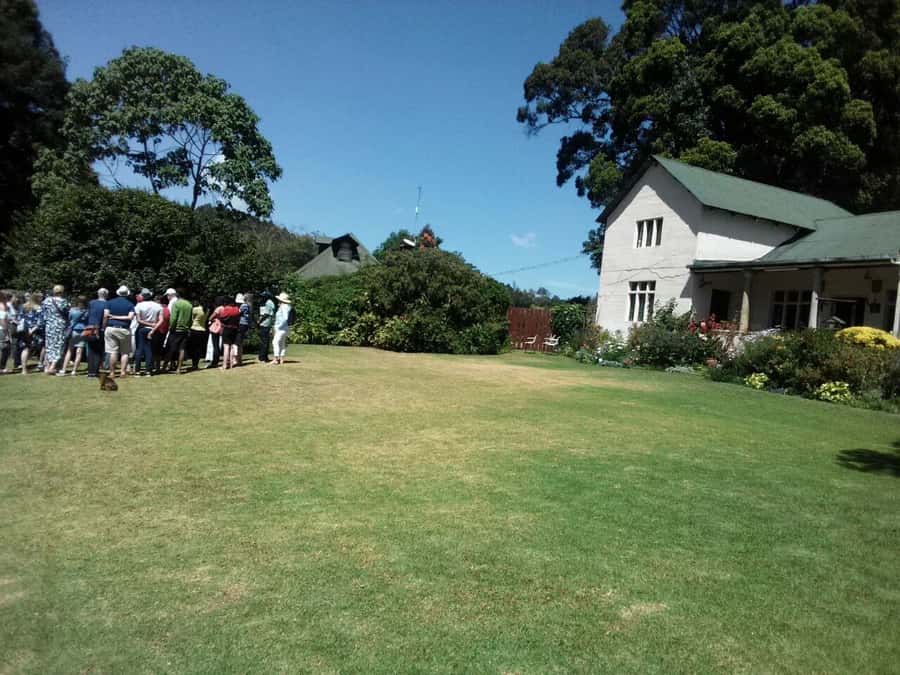
At $160 per person for about 6 hours, you’re paying for more than a tea farm entry. The tour includes pickup and drop-off from your Nairobi accommodation, entrance fee, professional English-speaking guide, and the 3-course lunch plus afternoon tea.
That combination changes the math. Transport from Nairobi can cost real money on its own, and it can also take time to sort out safely and efficiently. Entrance fees aren’t usually huge at smaller estates, but when they’re bundled with a guide and lunch, you stop worrying about small add-ons.
Is it worth it for everyone? It depends on what you want from Kenya. One review shared that if you’ve already done more classic wildlife-heavy trips (like major safari areas and coastal stops), this can feel less special. I get that perspective. This tour is not built for dramatic big-game sightings.
But if you want something different from the standard safari loop—something grounded in land, labor, and a real Kenyan export story—then $160 starts to feel more reasonable. You’re buying a structured day, a guide, meals, and a break from city logistics.
What Makes the Guide Time Matter (and How to Make It Better)
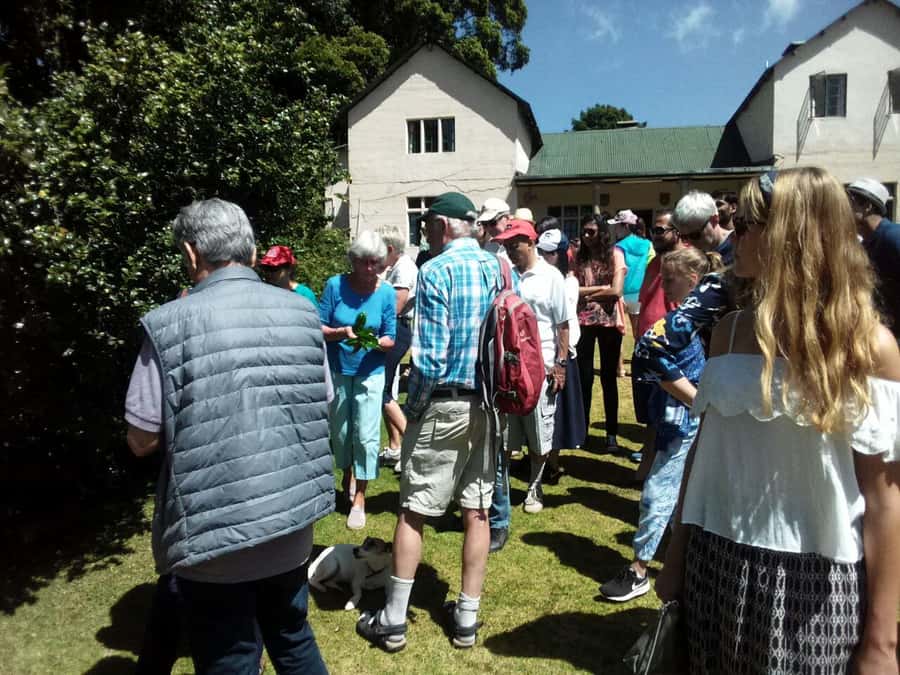
The guide experience can make or break a half-day tour like this. The info is built into the day: your guide covers the tea plantation, the forest, and how tea became a major export crop, all while helping you see wildlife like colobus monkeys.
I also took note that some drivers have stood out positively, like Francis, who was described as wonderful. On the other hand, one negative experience pointed out that the driver didn’t add much commentary and the visit felt brief on value. That’s a reminder to set yourself up for success: be ready to ask questions, especially during the main house tea-and-biscuits portion.
A quick strategy:
- Ask one question early about how tea production works.
- Ask one question about the forest and wildlife.
- If colobus monkeys show up, ask what to watch for so you don’t miss them.
This isn’t a silent museum tour. With a small group and an English-speaking guide, you should be able to steer the conversation toward what you care about.
Who This Tour Fits Best (and Who Might Feel Shortchanged)
This tour suits you if you want a day that’s part history, part nature, and part food. You’ll like it if you enjoy walking, reading the environment through a guide, and learning how everyday agriculture connects to Kenya’s global role.
It also fits well if you want an easy Nairobi day that doesn’t require ticket hunting or big logistics. The small group size (up to 15) helps you feel less lost and more involved.
It might feel underwhelming if you’re chasing the kind of wildlife intensity you get on major safari circuits. There’s wildlife here, but it’s forest wildlife, not a game-drive style expectation. If you already did lots of big nature tours and you’re measuring everything against that, this could feel like a calmer detour.
That said, plenty of people enjoy the contrast. If you want Kenya beyond just open plains, the tea estate offers a different kind of connection.
Booking Tips: What to Bring and What to Expect From the Pace
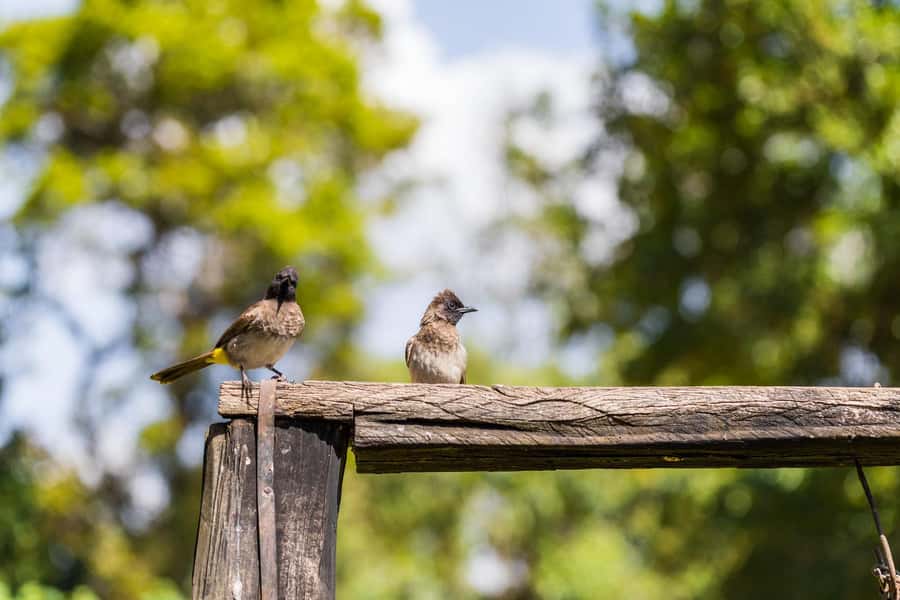
A few practical notes to help your day go smoothly:
- Wear comfortable walking shoes. Forest paths and garden areas can be uneven.
- Bring sun protection. Even with trees, tea estates can still have bright patches.
- If you’re concerned about insects, pack repellent.
- Bring a light layer. Forest shade can feel cooler than the open areas.
Expectation management is also key. This is a single, focused experience. You’ll spend most of your time traveling, then enjoy a guided visit at Kiambethu with lunch included. If you keep that rhythm in mind, the day makes sense instead of feeling rushed.
Lastly, remember that tips are not included. If your guide or driver does a great job, plan to budget for gratuity.
Should You Book the Kiambethu Tea Farm Tour & Lunch?
Book this tour if you want a small-group Nairobi day that blends Kenyan tea history, a proper indigenous forest walk, and a satisfying 3-course lunch at the end. It’s a strong choice for first-time visitors who want something more grounded than a drive-and-snapshot day.
Skip it if you’re only interested in high-frequency wildlife encounters or you already have very wildlife-heavy trips on your agenda and you feel like you need big-game thrills to justify the cost.
My take: for $160, you’re paying for structure—transport, guide expertise, entrance, and food—not just a photo stop. If that matches your idea of a good day in Kenya, this one delivers. If you need constant action, you’ll likely want a different kind of tour instead.
FAQ
What time does pickup happen in Nairobi?
Pickup is arranged from your Nairobi accommodation around 9:30 am.
Where is the pickup location?
The meeting point is Haile Selassie Avenue.
How long is the tour?
The total duration is 6 hours.
When do we arrive at Kiambethu Tea Estate?
You arrive at the main house of Kiambethu Tea Estate at about 11:00 am.
What’s included with the ticket?
The package includes pickup and drop-off, lunch and afternoon tea at Kiambethu, the entrance fee, and an English-speaking professional guide.
Is lunch included, and what does it include?
Yes. You get a 3-course lunch made with locally sourced produce, plus a soft drink, tea, and coffee.
Will I see wildlife on this tour?
You’ll explore a well-preserved indigenous forest and may spot colobus monkeys.
What group size should I expect?
This is a small group limited to 15 participants.
Are tips included in the price?
No. Tips are not included in the cost of the tour.