REVIEW · KAMAKURA
Private Tour in Kamakura: Matcha Tea Tasting & Photo Session
Book on Viator →Operated by Kamakura Photo Tours · Bookable on Viator
Bamboo light and matcha photos in three hours. This private Kamakura tour blends temple wandering with hands-on photo coaching, so you’re not just taking pictures—you’re learning what to frame and when. The one catch: it runs only on Wednesday to Sunday mornings, and you’ll do some walking on temple paths.
I like that it’s built for real results, not just sightseeing. You meet at JR Kamakura Station East Exit, ride by bus to the stops, and get 10 professionally edited photos within 72 hours. The route includes admission and transfers, so you can focus on photos, calm moments, and a simple matcha pause.
In This Review
- Key highlights you’ll feel right away
- A photo-first Kamakura day with a pro photographer
- Meeting at Kamakura Station: how the 3 hours work
- Stop 1: Nikaidō shrine for quiet, nature-backed photos
- Stop 2: Hokoku-ji bamboo grove and that soft light feel
- Stop 3 and 4: Jomyoji gardens (1199) and the Zen tea finish
- Matcha tea tasting plus camera advice: the value is in the timing
- Price and value: what $98.71 really covers
- Who this private Kamakura photo and tea tour fits best
- Should you book it?
- FAQ
- Where does the tour start?
- How long is the private tour?
- What sites do you visit?
- Is admission included?
- Is the matcha tea tasting included?
- How many photos do you receive and when?
- What’s included in the price?
Key highlights you’ll feel right away
- Photo coaching with a pro photographer: you get practical camera guidance during the stroll
- Matcha tea tasting in a Zen setting: a quiet break that also fits the photo theme
- Bamboo forest atmosphere at Hokoku-ji: light and textures that make photos easier
- Temple variety without rushing: shrine, bamboo, and a long garden-and-tea finish
- Private group pace: only your party, so you can slow down for shots
A photo-first Kamakura day with a pro photographer
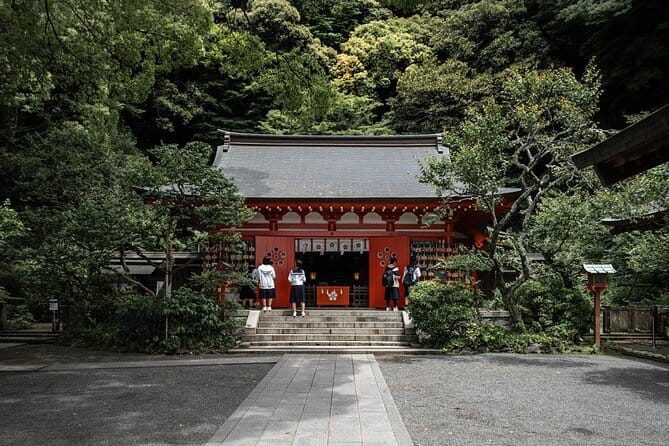
Kamakura is pretty on its own. This tour makes it photogenic on purpose. I love that the guide is also a photographer, so the advice stays grounded in what you’re actually seeing—not generic “take a picture” talk.
In the best moments, you’re not just photographing temples. You’re learning small choices: where to stand, how to time a shot, and how to make a scene feel calm instead of crowded. One reviewer even highlighted Bruno’s extra effort leading up to a surprise engagement, including planning timing and scouting locations. That’s a good sign if you’re celebrating something or you care about getting it right.
You’ll also get 10 edited photos after the tour. That matters more than people think. When you only rely on your own shots, you spend the next week hunting for the one clear frame. Here, you leave with a finished set.
You can also read our reviews of more tours and experiences in Kamakura.
Meeting at Kamakura Station: how the 3 hours work
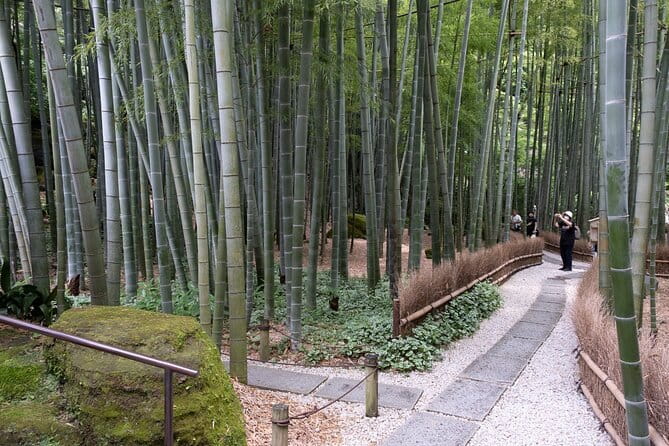
The tour starts at JR Kamakura Station, specifically the East Exit. You’ll confirm ahead of time, and you’ll also use a mobile ticket, which keeps things simple when you’re juggling train schedules.
The timing window is listed as 9:00 AM to 10:30 AM (Wed–Sun). The tour itself runs about 3 hours, and you’ll use a bus for transfers between locations. That’s a smart mix: enough transit to avoid wasting time, but still enough walking to feel like you’re in old Kamakura streets rather than just passing by.
Physical level is labeled moderate. Translation: expect temple steps, uneven ground, and short walks between spots. It’s not an endurance test, but comfortable shoes matter.
Stop 1: Nikaidō shrine for quiet, nature-backed photos
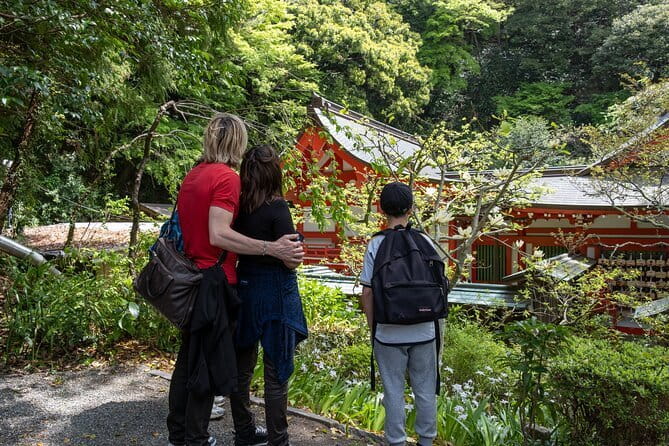
Your first stop is Nikaidō, described as a hidden shrine tucked into lush nature. You get about 30 minutes here, and admission is free.
This is a great starting point because it sets the tone. Before you hit the bamboo forest, you ease into the atmosphere—quiet, slightly wild, and easy to photograph without big crowds. If you’re the type who likes getting one “breathing room” shot at the beginning of a day, this stop does that.
Photo-wise, the natural setting helps you with backgrounds. Trees and greenery give you depth without needing perfect lighting. The drawback is simple: because it’s calm, you may need to be patient for the angle you want if it gets a few people moving through.
Stop 2: Hokoku-ji bamboo grove and that soft light feel
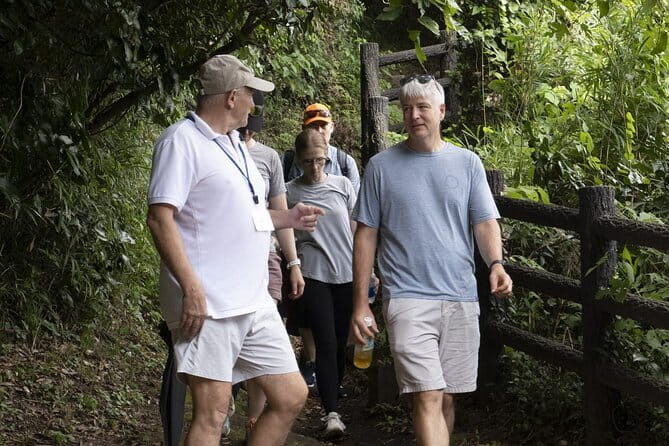
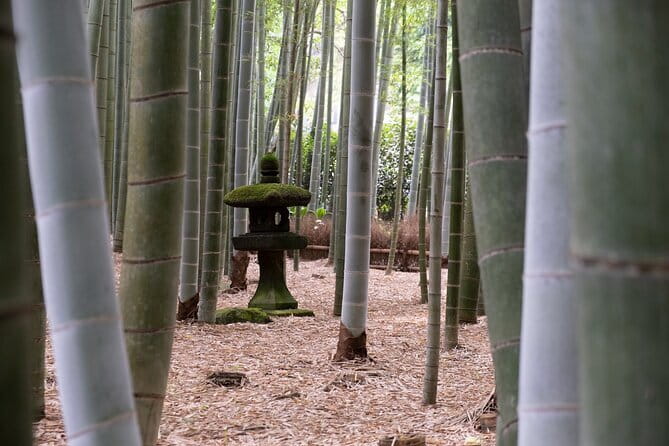
Next comes Hokoku-ji Temple, where the star of the show is the bamboo forest. You’ll spend about 40 minutes here, also with admission free.
This is one of those places where the setting is doing half the work for your camera. Light filters through the bamboo canopy, so you get texture and rhythm in the frame. With photo coaching, you’re more likely to capture those vertical lines instead of just shooting “a bunch of bamboo,” which is a common issue for first-timers.
This stop also gives you a reset. It’s a soothing kind of quiet. Even if you’re taking photos the whole time, you’re still surrounded by calm, which helps your pictures feel calmer too.
The main consideration: bamboo areas often create narrow paths. If you’re traveling with a camera tripod, you’ll likely just use it like you normally would for a walk—this kind of environment tends to be more “handheld and position yourself” than “set up and wait.”
Stop 3 and 4: Jomyoji gardens (1199) and the Zen tea finish
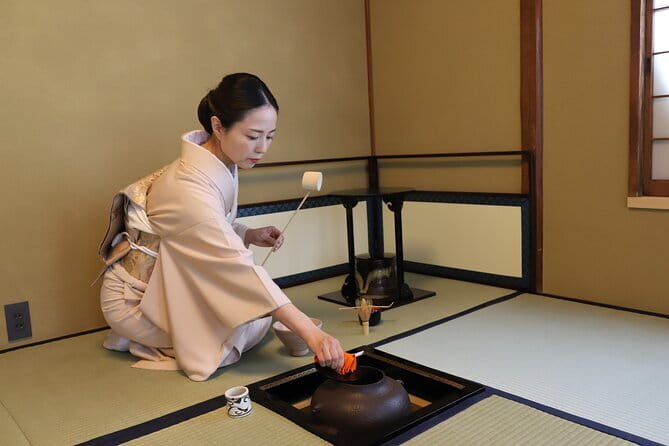
After Hokoku-ji, you’ll head to Jomyoji, a Kenchoji school temple built in 1199. Your time is split: one visit segment is about 30 minutes, then there’s another 30 minutes finish at the same area for the tea.
The first Jomyoji portion is where the mood shifts toward gardens and spiritual calm. This is the part that helps the day feel more than just photo stops. It’s not only about what’s photogenic; it’s about pacing and atmosphere. A lot of people come to Kamakura for the big names. This kind of temple setting helps you see why smaller, quieter spots can feel more personal.
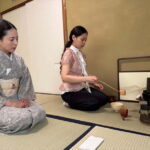
Then you end with green tea in a Zen atmosphere—and this is where the “matcha tea tasting” promise becomes real. The tour includes a Japanese green tea tasting, so you’re not just hearing about the ritual. You get the pause.
If you care about storytelling in your photos, this is a natural ending. You’ll have travel-walk images earlier, then you can capture the quiet human moment with tea at the end.
Matcha tea tasting plus camera advice: the value is in the timing
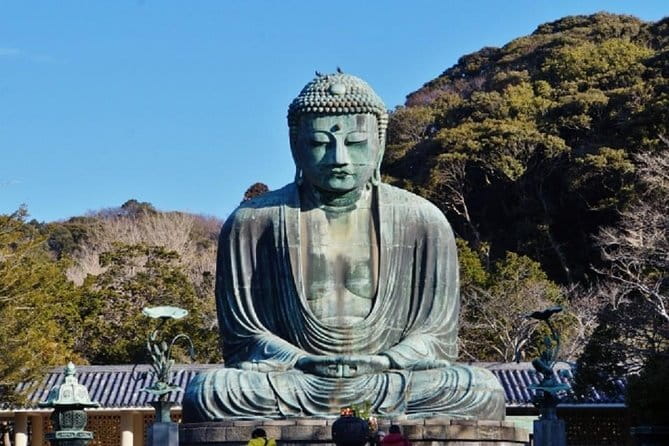
A lot of tours throw in tea at the end like a checkbox. Here, tea is part of the flow. You’re already in temple settings, then you get a tasting moment that matches the mood.
I also like how the tour focuses on camera results. Included is expert advice to help you get the most out of your camera. That can mean lots of things, but in practice it usually comes down to: you’ll know where to stand for a cleaner composition, and you’ll learn how to shoot temple details without losing the overall scene.
One reviewer specifically pointed out how useful the photo tips were for their son. That tells you the coaching is likely approachable, not overly technical. If you’re traveling with someone who isn’t a camera person, this tour still works because the tips help everyone take better photos.
Price and value: what $98.71 really covers
At $98.71 per person for about 3 hours, this is not a bargain-basement deal. But it also isn’t just paying for a guide with a clipboard. You’re paying for several value pieces that add up:
- Private group format (only your party participates)
- Admissions included for all visited sites
- Bus transfers included between locations
- Green tea tasting included
- Photo coaching included
- 10 professionally edited photos provided within 72 hours
When you price it out mentally, the photography part is the difference. Most sightseeing tours will say they’re “great for photos.” This one is designed to produce a better set of images, and then it actually delivers edited photos afterward.
The other detail I like: it’s built to run on a tight schedule without skipping major atmosphere. You visit a shrine (Nikaidō), a bamboo temple (Hokoku-ji), then Jomyoji with tea at the finish. That’s a clean arc.
Who this private Kamakura photo and tea tour fits best
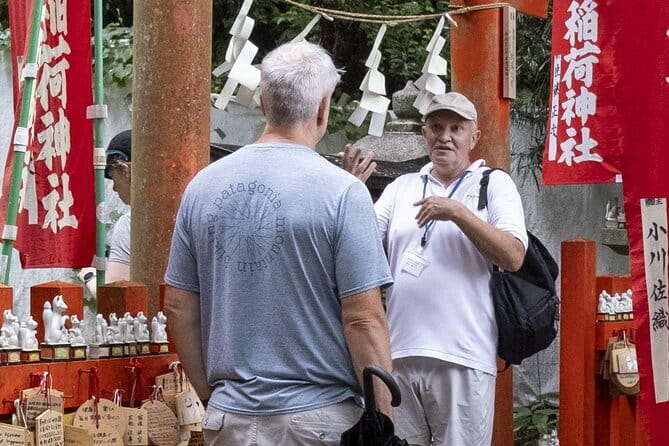
This tour is a strong match if you want Kamakura to feel calm and intentional, not chaotic. It’s also ideal if you care about getting better photos quickly, especially if you don’t want to spend the whole day studying photography apps.
I’d also recommend it if you’re planning a special moment. One reviewer shared that Bruno supported a surprise engagement with planning in advance, including timing and location scouting. That doesn’t mean you have to propose. It just shows the photographer pays attention to the details that make a moment land.
Finally, it’s a good choice for small groups and couples who want a private pace. Because it’s private, your questions and photo requests won’t get steamrolled by a larger crowd.
Should you book it?
Book this tour if you want photos that look like you cared, plus a matcha tea moment that actually fits the day. The combination of bamboo atmosphere, garden calm at Jomyoji, and guided photography makes it feel like more than a checklist.
Skip it (or choose another option) if you hate structured time blocks. The stops are timed—30 minutes, then 40, then 30 and 30. If you prefer wandering with zero agenda, you might find the schedule a bit limiting.
Also think about your comfort with temple walking. It’s listed as moderate fitness, so if steps and uneven ground are a problem, you may want to plan around that.
FAQ
Where does the tour start?
The meeting point is JR Kamakura Station, East Exit. The tour ends back at the meeting point.
How long is the private tour?
The tour lasts about 3 hours (approx.).
What sites do you visit?
You’ll visit Nikaidō, Hokoku-ji Temple (bamboo grove), and Jomyoji (including time for a green tea tasting).
Is admission included?
Yes. Admission tickets for all visited sites are included.
Is the matcha tea tasting included?
Yes. The tour includes Japanese green tea tasting.
How many photos do you receive and when?
You receive 10 professionally edited photos within 72 hours after the tour.
What’s included in the price?
Included items are guide fees, admission tickets, bus tickets for transfers, Japanese green tea tasting, expert camera advice, and the 10 edited photos. Tips are not included.
If you’d like, tell me your travel dates and whether you’re using a phone or a camera—I can help you think about what kind of photos you’ll likely get most from on this route.