REVIEW · KAMAKURA
Authentic Japanese Tea Ceremony Experience in Kamakura
Book on GetYourGuide →Operated by 株式会社ノアダンスアカデミー · Bookable on GetYourGuide
Matcha, manners, and quiet focus. This Kamakura tea ceremony is interesting because you don’t just watch the ritual—you learn it in a real, traditional sukiya-zukuri tea room. I especially liked the chance to whisk and taste matcha yourself, then practice the etiquette that makes the whole experience feel like calm theater.
You’ll be in a tatami setting, and that’s part of the magic. Still, one consideration: the directions to the exact spot can be a little fiddly, so I’d take a moment to confirm you’re heading to 茶室「竹翠庵」 and not a neighboring storefront.
In This Review
- Key highlights you’ll care about
- Tea ceremony time in Kamakura, one hour from Tokyo
- Finding 茶室「竹翠庵」 near 北鎌倉駅 and settling in
- The “why” behind sadō: what the tea master teaches
- Two servings of matcha and seasonal wagashi
- The hands-on part: whisk, make, and serve your tea
- Etiquette in a tatami room: what to do and how to avoid awkwardness
- Price and value: is $36 really worth 60 minutes?
- Who this Kamakura tea ceremony suits best
- Should you book it? My practical take
- FAQ
- Where is the meeting point?
- How long is the tea ceremony, and how many people are in each group?
- Is the instructor available in English?
- What’s included in the $36 price?
- Do I need to bring anything, and do I remove my shoes?
- If I can’t kneel comfortably, is there an alternative?
- Is free cancellation available?
Key highlights you’ll care about
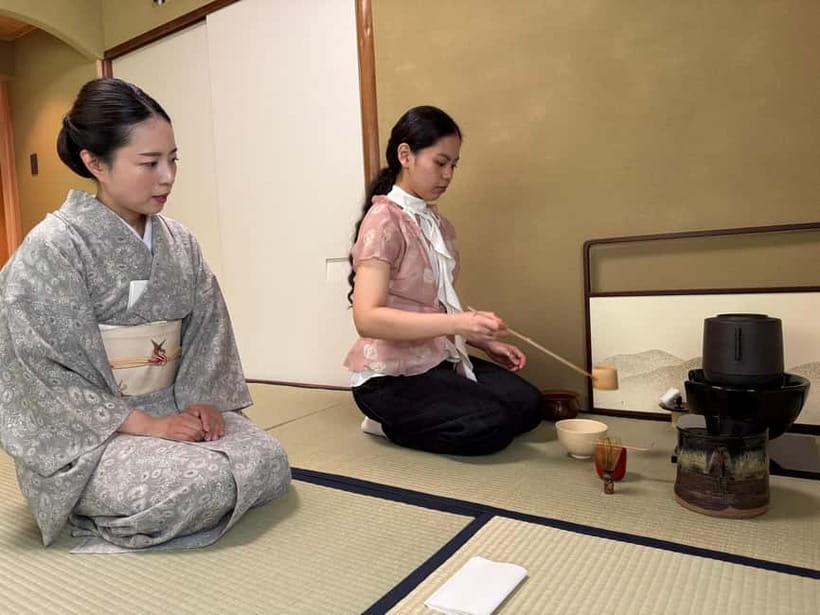
- Sukiya-zukuri tea room in Kamakura’s old-town vibe
- English guidance alongside Japanese cultural context
- You whisk matcha and get to serve it, step-by-step
- Two matcha servings paired with seasonal wagashi
- Small group (max 6) so the pace stays personal and calm
- Chair option if kneeling is hard, if you notify ahead
Tea ceremony time in Kamakura, one hour from Tokyo
Kamakura is one of my favorite bases for feeling like you’re in Japan, fast. This tea experience gives you a chance to slow down in a setting that feels deliberately designed for attention—wood, quiet spacing, and the kind of stillness that makes even a short session feel substantial.
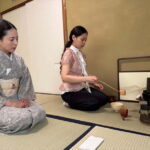
You’re in a traditional tea room built in the sukiya-zukuri style, the architectural “look and feel” used for classic tea spaces. That matters because the room isn’t just a backdrop. It helps teach you the right mindset: move carefully, lower your voice, and treat each step as part of the experience.
The session lasts about 60 minutes, and it’s paced for first-timers. If you want cultural value without a half-day commitment, this format is a good fit.
You can also read our reviews of more tours and experiences in Kamakura.
Finding 茶室「竹翠庵」 near 北鎌倉駅 and settling in
The meeting point is 茶室「竹翠庵」, near the restaurant 「航」. From JR Kita-Kamakura Station, it’s about a 7-minute walk, which is close enough to be easy, but far enough that you’ll want to check your route before you start.
You won’t need to dress up—there’s no strict dress code—but modest attire is recommended. And yes, shoes come off. You’ll be walking into a tatami tea room, so plan for socks and comfort.
One helpful detail: chairs are available if kneeling is difficult, as long as you notify in advance. That small option can make the difference between feeling awkward and actually enjoying the ritual instead of fighting your body.
The “why” behind sadō: what the tea master teaches
Tea ceremony isn’t only about drinking green tea. It’s about manners, timing, and thoughtful movement, and you’ll learn that structure in this class from a certified tea master.
In the first part, you’ll get a facility introduction and then an explanation of the history and meaning behind 茶道 / sadō. The goal isn’t to throw facts at you—it’s to connect the ritual to a mindset rooted in Zen and mindfulness. You’ll also watch a live demonstration that shows the spirit of omotenashi, Japanese hospitality, in action.
Because the instructor speaks Japanese and English (with an English-speaking approach for the experience), the cultural “why” lands clearly. This is the difference between a performance you vaguely admire and a practice you understand enough to repeat.
Two servings of matcha and seasonal wagashi
Now for the part your taste buds will remember. You’ll get two servings of freshly whisked matcha, paired with seasonal Japanese sweets (wagashi).
Matcha is usually “thick” compared to normal green tea, and whisking it well changes the texture. Here, you’ll experience the tea in two stages, which makes it easier to notice differences in taste and preparation. It also keeps the session from feeling like you only get a sip and then rush on.
Wagashi is not a random add-on. It’s served to complement the tea’s bitterness and vegetal character, and it’s part of the ceremony rhythm. If you’re new to Japanese sweets, this is a friendly way to try them without needing a huge menu.
The hands-on part: whisk, make, and serve your tea
This is the big reason I’d recommend the experience to most first-timers. You’ll get step-by-step guidance to make and serve tea yourself, with no prior experience needed.
You’ll start with learning the etiquette and manners that shape how you handle utensils and how you present the tea. In a normal class, that might sound abstract. In a tea room, it becomes physical: how you hold things, how you move, and how you pause.
Then you’ll whisk and enjoy the matcha you make. This is where the lesson sticks, because you can connect the instructor’s explanations to your own hands. If you’ve ever wondered why tea ceremony people seem so focused, the answer is simple. It’s a small choreography where your attention matters.
And you’re not alone doing it. The group stays small (max 6), so the instructor can adjust and guide in real time. That’s a major value point for a session like this. With bigger groups, hands-on training often turns into watching from the sidelines.
Etiquette in a tatami room: what to do and how to avoid awkwardness
Tatami rooms come with rules, and tea ceremony etiquette is basically etiquette you can feel in your body. You’ll remove shoes and rely on socks only, so make sure your socks are comfortable and not the kind that slide around.
Kneeling is part of the standard setup, but the experience offers chairs if kneeling is difficult when you notify in advance. If you think you’ll struggle, don’t try to “tough it out.” Tell the organizer ahead of time so you can participate without stress.
Also pay attention to timing cues. Photos are allowed at designated times, which usually means the instructor will pause the ritual briefly. If you want photos, treat that like part of the flow, not a random break.
Finally, remember this isn’t about being perfect. It’s about learning manners rooted in traditional customs. If you keep your movements careful and follow the instructor’s guidance, you’ll do fine.
Price and value: is $36 really worth 60 minutes?
At $36 per person for about an hour, the value depends on what you want. If you want a quick cultural activity with limited participation, you might be disappointed. If you want instruction plus real hands-on practice, it’s a pretty fair deal.
Here’s what you’re getting for that price:
- Fresh matcha (two servings)
- Wagashi (seasonal sweets)
- Rental tea ceremony utensils
- The traditional performance/demonstration
- Step-by-step chance to make and serve your own tea
- An English-speaking instructor in a small group (max 6)
The matcha and wagashi alone can cost real money in Japan depending on where you buy them. Add in the utensils and the teacher time, and you’re not just paying for tea—you’re paying for access to a structured cultural practice.
The small group size is especially important for value. You’ll get more attention than you would in a larger class, and you’ll have a better shot at actually doing the ceremony steps rather than mostly watching.
Who this Kamakura tea ceremony suits best
This is a great match if you:
- Want an authentic Japanese cultural experience without needing advanced knowledge
- Like hands-on learning (you’ll whisk and serve)
- Prefer calm, small-group activities over big tours
- Are traveling as a couple or family and want a shared experience
It’s recommended for ages 7 and up. That makes it one of those rare “kids can participate” cultural activities that doesn’t just tolerate children—it’s designed so they can follow along.
A note on fit: the experience is not suitable for pregnant women and not suitable for wheelchair users. Also, if you have mobility limits related to kneeling, the chair option may help, but you’ll need to notify ahead of time.
Should you book it? My practical take
Book this if you want a genuine tea ceremony experience with real participation. The combination of a traditional tea room, a certified tea master, English guidance, and the chance to whisk and serve matcha makes it feel like more than a ticket. You’ll leave understanding what sadō is trying to teach, not just what it looks like.
I’d also book it if you’re doing Kamakura as a day trip from Tokyo. One hour is enough to get the cultural payoff without draining your energy, and the pace is calm.
Skip it only if you’re looking for a big sightseeing “event” or you know you’re not comfortable with tatami-style customs. If you’re fine with shoes off, socks on, and following etiquette, you’ll likely find it surprisingly satisfying.
If the meeting point worries you, plan a little extra time and confirm you’re walking to 茶室「竹翠庵」 by looking for the nearby restaurant 「航」 reference.
FAQ
Where is the meeting point?
You’ll meet at 茶室「竹翠庵」 near the restaurant 「航」. It’s about a 7-minute walk from JR Kita-Kamakura Station.
How long is the tea ceremony, and how many people are in each group?
The experience runs for about 60 minutes. Group size is limited to a maximum of 6 participants.
Is the instructor available in English?
Yes. The instructor provides the experience in Japanese and English, and you’ll have an English-speaking instructor.
What’s included in the $36 price?
The price includes matcha, Japanese sweets (wagashi), rental tea ceremony utensils, and the traditional tea ceremony performance. You also get guided instruction to make and serve tea yourself.
Do I need to bring anything, and do I remove my shoes?
You should bring socks. Shoes must be removed because it’s a tatami tea room.
If I can’t kneel comfortably, is there an alternative?
Chairs are available if kneeling is difficult. You’ll need to notify in advance so the setup can be arranged.
Is free cancellation available?
Yes. You can cancel up to 24 hours in advance for a full refund.