REVIEW · SEOUL
Seoul: Herbal Tea Class & Korean Medicine Tour
Book on GetYourGuide →Operated by Heojunoppa · Bookable on GetYourGuide
Forty herbs, one cup of your own tea. This Seoul experience mixes a real herb workshop with Traditional Korean Medicine learning, then finishes at the TKM Museum inside the K-medi center. You’ll get hands-on blending, a guided museum visit, and the option to add extra healing experiences afterward.
I especially like that you’re choosing from 40+ commonly used medicinal herbs and crafting a tea that fits your preferences. I also like the way the tour is set up to work for different levels, from curious beginners to people who already understand TKM.
One thing to consider: if you want every museum detail written out in English, plan to rely on your guide’s explanations and translation help. English support is there, but museum signage and exhibits may not be fully English.
In This Review
- Key moments I think you’ll care about
- Step into Sungil Choi’s herb workshop
- 40+ herbs, hands-on blending, and a tea made for you
- East vs West medicine, Yin-Yang, and Five Elements made practical
- The TKM Museum stop at K-medi Center
- Optional healing experiences after the museum (and what they cost)
- Price and value check: what $50 buys you
- Who this Seoul Korean medicine tour is best for
- Should you book this herbal tea class and TKM museum visit?
- FAQ
- What time does the Seoul herbal tea class start?
- Where do I meet for the tour?
- How long does the experience run?
- Is the tour in English?
- How many herbs will we work with?
- Is museum entry included in the price?
- Can I take my herbal tea home?
- Are optional treatments like acupuncture or moxibustion included?
- Can the guide help me during a clinic consultation?
- Is there a cancellation refund?
Key moments I think you’ll care about
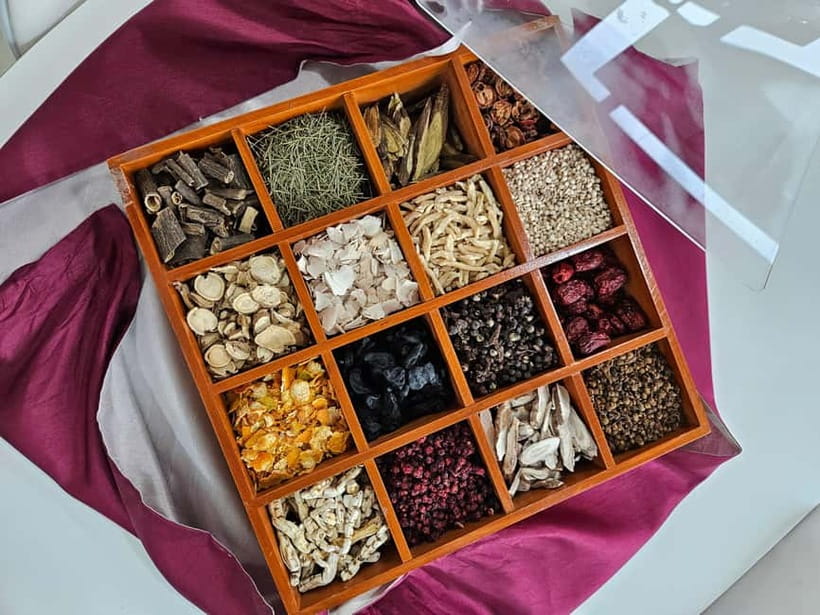
- Blend your own herbal tea by selecting ingredients that match what you want from the session
- Touch and handle 40+ TKM herbs in the workshop before you drink anything
- Learn Yin-Yang and the Five Elements in a simple way that connects East and West medicine
- Get museum commentary from an expert rather than walking it alone
- Optional treatments cost extra, so you can choose acupuncture, moxibustion, massages, or clinic time only if you want
- Take a bottle home, not just a souvenir photo
Step into Sungil Choi’s herb workshop
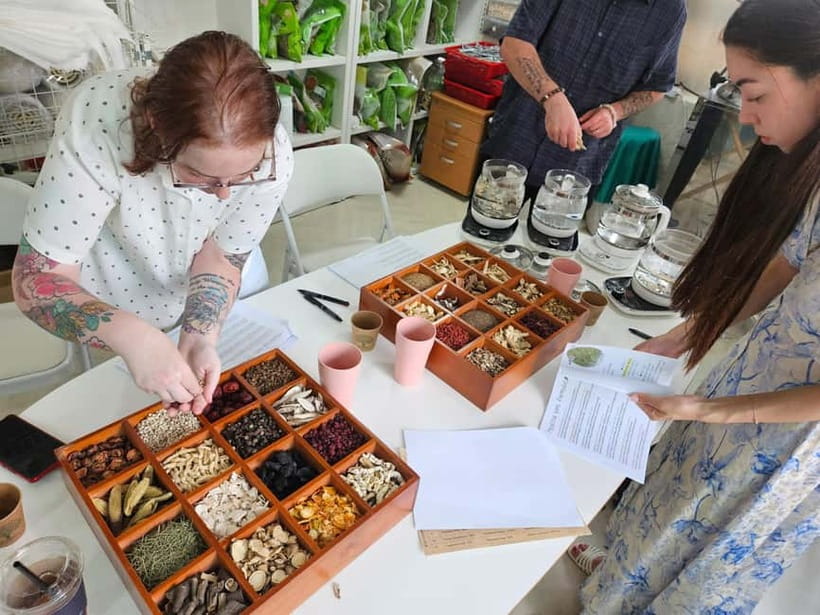
The tour starts in a workshop setting at 2:00 p.m., at Room 401. The host, Sungil Choi (Heojunoppa), is an herbal specialist who has been working since 2017, and he teaches from that practical background. You’re not just watching from the sidelines—you’re meant to work with the herbs yourself.
This kind of start matters. Seoul has no shortage of food classes, but most don’t teach the logic behind what you’re tasting. Here, you’re learning how herbal medicine is discussed in Traditional Korean Medicine terms, including how people think about body balance rather than just single ingredients.
Before you get to the museum, you’ll focus on the “materials” of TKM: what herbs are, how they’re used, and how to think about selecting them. It’s a smart order because you’ll understand the museum exhibits far better once you’ve already handled the herbs.
You can also read our reviews of more tours and experiences in Seoul.
40+ herbs, hands-on blending, and a tea made for you
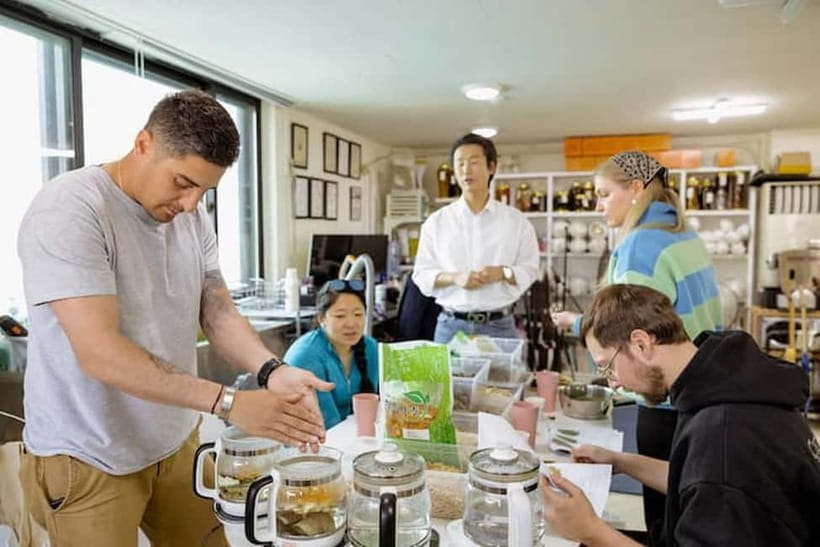
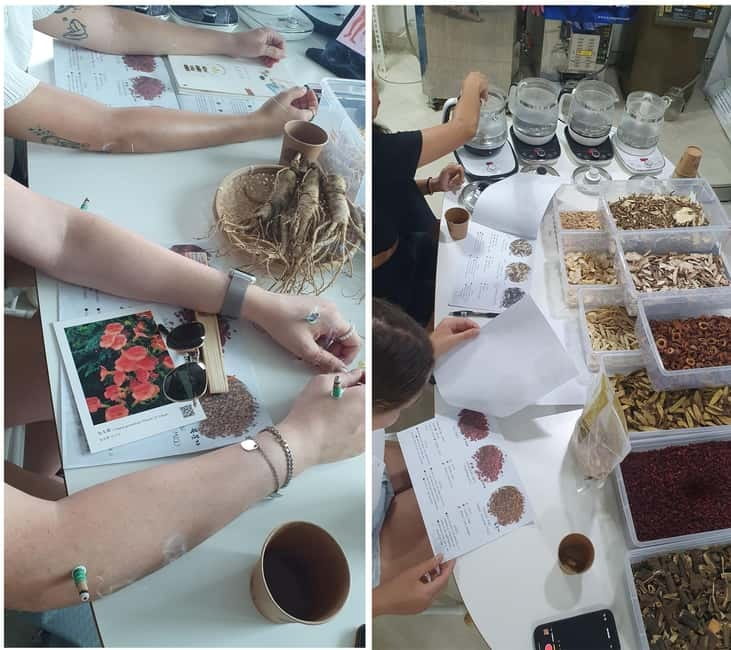
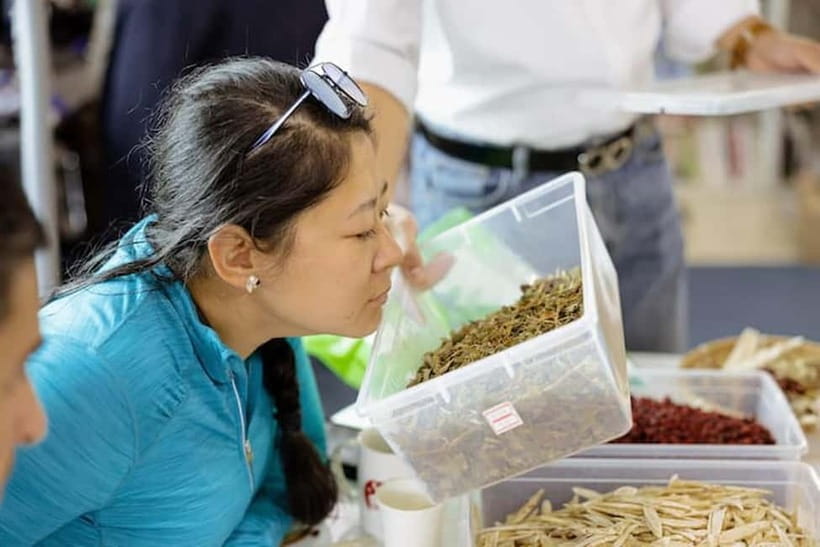
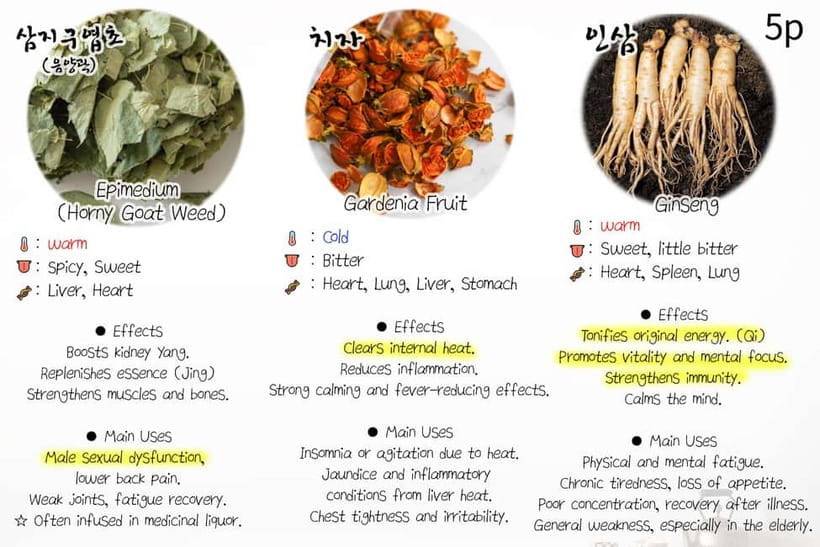
The heart of the experience is the workshop time. You’ll explore around 40 medicinal herbs that are commonly used in TKM, and you’ll be able to see, touch, and experience them directly. That tactile element is a big deal. Herbs are easier to remember when you’ve smelled them and handled them, not when you only read about them.
Then comes the part you’ll actually take home: you’ll create your personalized herbal tea blend. You choose ingredients, and Sungil Choi explains what you’re looking at and why certain choices connect to traditional concepts. The tour provides what you need, including herbs and the teapot for blending, so you’re not scrambling for supplies.
You’ll also enjoy a welcome drink—herb medicine tea—and after blending, you’ll get time to enjoy your handmade tea and then take a bottle home. That bottle is one of the most practical souvenirs from any “experience” in Seoul. It turns your learning into something you can repeat later, instead of a memory you can’t taste.
East vs West medicine, Yin-Yang, and Five Elements made practical
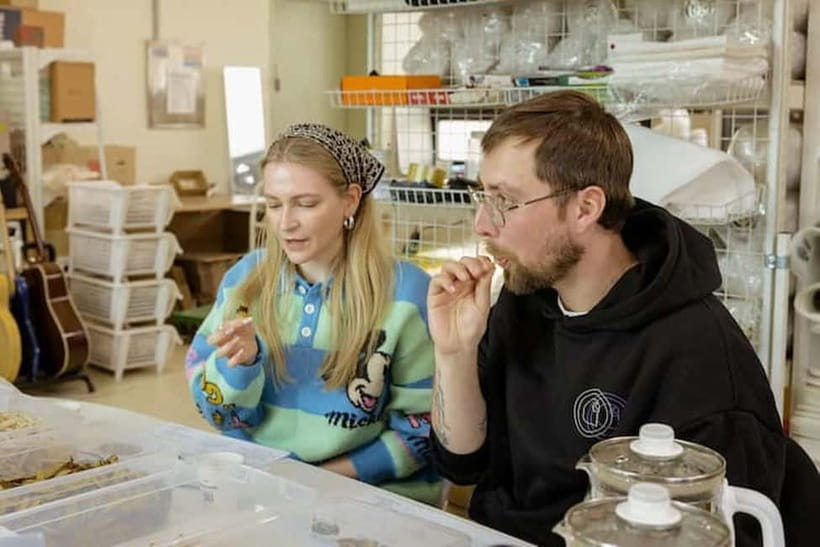
Sungil Choi also teaches the basics of TKM in plain language. You’ll hear easy-to-understand explanations about differences between Eastern and Western medicine, plus the fundamentals of Yin-Yang and the Five Elements.
Here’s why this matters for value: most tours will either (1) teach facts and terms, or (2) offer hands-on fun with zero framework. This one tries to connect both. Even if you don’t go deep into TKM theory, you’ll leave with a mental model for why people talk about balance, patterns, and body response instead of only chasing single “cures.”
If you’re used to Western labels—diagnoses, lab tests, medications—you might find the TKM approach feels different at first. That’s normal. This tour’s job is to give you enough structure to make the museum visit make sense afterward.
The TKM Museum stop at K-medi Center
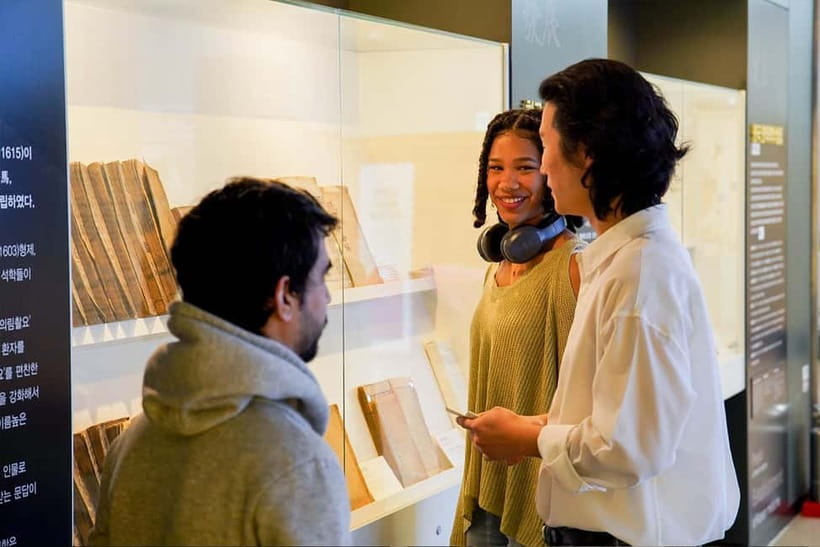
After your tea break, you head to the K-medi center for the TKM Museum. This is where the session shifts from hands-on herbs to guided context. Sungil Choi provides a museum commentary with detailed explanations, and that guidance is the difference between enjoying the exhibits and truly understanding them.
A practical heads-up: museum information may not be fully presented in English. In that case, you’ll get more value by listening closely to your guide and asking questions when you’re curious. If printed English signage is your main way to learn, come ready to translate with your phone and lean on your guide’s explanations.
Also, think about your expectations for pacing. A good guided museum visit feels like a conversation. If you prefer a very structured, label-by-label explanation, I’d suggest you ask early in the day how the museum commentary will be handled—so you get the level of guidance you want.
Optional healing experiences after the museum (and what they cost)
Once the museum part ends, you can choose optional experiences. This is where the tour is flexible: you can keep it light and shop for herbs, or you can go further into hands-on healing modalities.
The optional activities listed include:
- Acupuncture and moxibustion (medical treatment fees are not included)
- Visiting a Korean medicine clinic (treatments not included)
- Outdoor foot baths
- Acupressure massage
- Meridian massage
- Shopping for herbs
Here are the specific costs provided:
- Outdoor foot bath: 6,000 KRW per tub (fits 2 people)
- Meridian massage: 5,000 KRW per person
- Moxibustion or acupuncture: approximately 50,000 KRW
- Korean medicine clinic treatment: around 50,000 KRW without health insurance (price may vary)
One more useful detail: Sungil Choi can help interpret your symptoms and guide you through the consultation process, and he can connect you with an appropriate specialist based on your needs. That kind of support is worth something if you’re nervous about discussing symptoms in a clinic setting.
Price and value check: what $50 buys you
At $50 per person, the big question is whether you’re paying mostly for the tea, or whether the rest of the experience justifies the price.
In your fee, you get:
- Welcome drink (herb medicine tea)
- Herbs and teapot needed to blend traditional Korean herbal tea
- Basic lecture on Traditional Korean Medicine
- A bottle you can take home
- Museum entry ticket
- Museum commentary by a Traditional Korean Medicine expert
What you do not pay for are the optional treatments after the museum and any shopping costs.
So the value equation is pretty clear:
- If you care about TKM enough to learn the basics and make your own blend, you’re paying for expert time, materials, and a museum admission.
- If you only want a quick photo stop, you’ll feel the price more sharply because most of the “action” happens at the workshop and in guided commentary.
Also, that home bottle is a sneaky value booster. It turns the class into a product you can use, not just an experience you end when you walk out.
Who this Seoul Korean medicine tour is best for
This one is built for different comfort levels. The session can be tailored for beginners and also for people who already know more, including professionals.
You’ll likely enjoy it most if:
- You like learning by doing, not just listening
- You’re curious about TKM, especially herbs and basic theory like Yin-Yang
- You want a museum visit with actual explanation, not just wandering
- You’re the type who asks questions and wants to keep learning after the day ends
If you’re a health-care professional, you may appreciate how the guide frames East vs West thinking in simple terms. If you’re brand new, the hands-on herb selection and tea blending help you participate without needing prior knowledge.
Should you book this herbal tea class and TKM museum visit?
Book it if you want a morning-to-afternoon style learning day where your “homework” is something you can drink later. The best part is the combination of herb handling + personalized blending + expert museum commentary.
Skip it (or at least adjust expectations) if you need fully English museum materials for self-study. Also, if you’re very sensitive about how photos are handled, it’s worth being clear at the start about your preferences—consent matters in any group activity.
If you like practical learning and you want to leave Seoul with something tangible in your kitchen, this is one of the more useful ways to spend a few hours around Traditional Korean Medicine.
FAQ
What time does the Seoul herbal tea class start?
The tour begins at 2:00 p.m.
Where do I meet for the tour?
The meeting point is Room 401. If you’re not familiar with the address, you’ll receive detailed directions for getting there on the day of the tour.
How long does the experience run?
The activity ends back at the meeting point, but no exact end time is stated in the provided details. Plan for an afternoon schedule that includes the workshop, tea time, and the museum.
Is the tour in English?
Yes, the tour is offered in English.
How many herbs will we work with?
You’ll explore around 40 traditional medicinal herbs used commonly in TKM.
Is museum entry included in the price?
Yes. Museum entry is included, along with museum commentary provided by a Traditional Korean Medicine expert.
Can I take my herbal tea home?
Yes. You’ll receive a bottle that you can take home with your tea.
Are optional treatments like acupuncture or moxibustion included?
No. Optional experiences after the museum visit—such as acupuncture, moxibustion, clinic treatments, outdoor foot baths, or massages—are not included in the tour fee. Costs are listed separately.
Can the guide help me during a clinic consultation?
Yes. The guide can assist with interpreting your symptoms and guide you through the consultation process, and can connect you with the appropriate specialist based on your needs.
Is there a cancellation refund?
You can cancel up to 24 hours in advance for a full refund.