REVIEW · SEOUL
Seoul: Traditional Korean Dessert Workshop with Korean Tea
Book on GetYourGuide →Operated by K-Vibe Studio · Bookable on GetYourGuide
Seoul has a way of surprising you with quiet traditions. This Dasik workshop at K-Vibe Studio pairs hands-on dessert making with a Korean tea tasting in a calm, traditional-feeling space. If you want something cultural but not complicated, this is a very doable 90-minute plan.
I especially like the way the class connects the food to meaning. You don’t just press shapes—you learn the Joseon Dynasty roots of dasik, plus why each pattern can carry a special message.
The main drawback is timing: 90 minutes is short, so you’ll get a guided, focused experience rather than a slow, super-detailed craft session. Also, at $58, it’s best if you value both the tea side and the take-home presentation.
In This Review
- Key Highlights You’ll Feel Right Away
- Meeting K-Vibe Studio (1F): The Start That Sets the Tone
- Dasik 101: What You’re Making and Why People Care
- The “Dessert for the Eyes” Part Is Real
- Ingredients: From Joseon-Era Roots to Modern Flavor Combos
- What Dasik Is Made From (So You Know the Base)
- The Workshop Flow: How 90 Minutes Gets You Real Results
- What You’ll Do During the Class
- Korean Tea Tasting: The Pause That Makes the Dessert Taste Better
- If You Want a Break From Seoul Noise
- Take-Home Box: Why the Packaging Is Part of the Value
- Price and Value: Is $58 Worth It in Seoul?
- Who This Dasik Workshop Suits Best (and Who Should Skip)
- Practical Tips for a Smoother Session
- Should You Book This Dasik Workshop?
- FAQ
- What is dasik?
- What flavors are used in this class?
- How long is the workshop?
- Is the workshop taught in English?
- Where do I meet for the activity?
- Is the workshop accessible for wheelchair users?
- Is this class suitable for young children?
Key Highlights You’ll Feel Right Away
- Dasik making in 90 minutes with a guided, hands-on flow that doesn’t drag
- Patterned sweets with meaning, tied to Joseon-era tea-table culture
- Traditional + modern flavors, including omija, injeolmi, chocolate, and pistachio
- Korean tea tasting in a calm setting that turns the class into a break from the city
- Premium take-home box, so your desserts look gift-ready
Meeting K-Vibe Studio (1F): The Start That Sets the Tone
Your visit begins at 1 Floor, K-Vibe Studio. Since this is a workshop format, you don’t need to figure out a multi-stop route or coordinate complicated transfers—just get yourself there and settle in.
This location also makes the experience easy on days when Seoul weather feels stubborn. It’s the kind of indoor activity that works well if you’re cold, windy, or caught in light rain.
You can also read our reviews of more tours and experiences in Seoul.

Dasik 101: What You’re Making and Why People Care
Dasik is a Korean tea dessert made from natural grains and nuts, and it’s been enjoyed since the Joseon Dynasty. The classic idea is simple: small, bite-size pieces meant to pair with tea, with shapes and patterns that can carry meaning.
What I like about dasik is how it connects food to attention. You’re not cooking a big meal or chasing a sugar rush. You’re crafting something you can look at closely, then taste slowly with tea.
The “Dessert for the Eyes” Part Is Real
Dasik is often called a dessert for the eyes because the finished pieces can be very decorative. In this class, you’ll work with molds/patterning techniques (guided by an instructor), and the end result is designed to be beautiful enough for photos—and good enough to share afterward.
Ingredients: From Joseon-Era Roots to Modern Flavor Combos
This workshop uses both traditional and modern ingredients, and that balance is a big part of the appeal. You’ll make dasik using traditional flavor influences like omija (a tangy, berry-like ingredient used in Korean traditional drinks) and injeolmi (a familiar Korean flavor profile often associated with powdered roasted soybean).
Then the class also adds modern flavors such as chocolate and pistachio. For you, that means you get cultural grounding without feeling trapped in only one taste. It’s a practical way to try Korean dessert tradition while still getting options that match what people usually like.
What Dasik Is Made From (So You Know the Base)
You’ll be working with dasik made from natural grains and nuts—items like soybean and almond are part of the basic concept. In plain terms: think nutty, grain-forward sweetness designed to go with tea rather than overpower tea.
The Workshop Flow: How 90 Minutes Gets You Real Results
The session runs 90 minutes, and it’s structured so you don’t lose the thread. You can expect an instructor-led process where you learn the background first, then move into making, then finish with tea tasting and a short wrap-up.
Because the instructor teaches in English, you’re not stuck guessing what to do. Translation support is available for other languages via AI, which helps if your Korean vocabulary is still growing.
What You’ll Do During the Class
Here’s the practical idea of the hands-on portion:
- You’ll learn what dasik is and what the patterns/meaning represent.
- You’ll make dasik using the class flavor lineup (including traditional choices and modern options).
- You’ll shape/pattern the pieces so they look like the classic tea-table style.
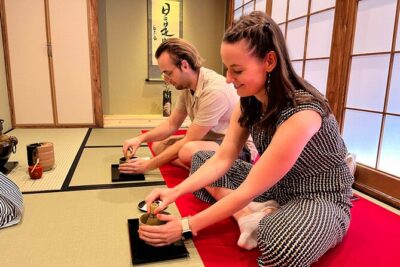
The class is also designed to feel calm. One theme that shows up in the experience is that it can feel almost meditative—especially if you like steady tasks where you focus on small details.
Korean Tea Tasting: The Pause That Makes the Dessert Taste Better
Tea isn’t just a drink on the side here. The class builds in a Korean tea tasting in a calm space, so you can actually experience the pairing purpose behind dasik.
This matters because dasik is meant for tea. If you only eat the dessert alone, you miss what it was designed for: a gentle sweetness and nut/grain flavors that work with tea’s warmth and depth.
If You Want a Break From Seoul Noise
Even if you’re in Seoul for K-pop, shopping, and palaces, you’ll still appreciate this as a reset. The setting helps you slow down, focus on aroma and flavor, and take a breath before heading back out.
Take-Home Box: Why the Packaging Is Part of the Value
You’ll receive a premium box to take your handmade sweets home. That’s not just a nice-to-have: it changes how you plan your day.
If you’re thinking about gifting (or just keeping a few pieces for later), the box makes it easier to transport without turning your afternoon into a worry. It also makes the desserts feel like an actual keepsake rather than a quick snack you finish on the spot.
Price and Value: Is $58 Worth It in Seoul?
At $58 per person, this isn’t a $10 street snack type of experience. You’re paying for three things that usually cost separately in Seoul: instruction, ingredients/materials, and the tea experience—plus the premium take-home packaging.
Here’s how I’d judge the value for you:
- If you want culture you can do, not only watch, the hands-on dasik work is the heart of the price.
- If you enjoy tea and pairing food with drinks, the Korean tea tasting makes it feel complete.
- If you like leaving with something beautiful, the patterned dasik and premium box justify part of the cost.
If you only want a quick sugar hit, you might feel the price is higher than you expected. But if you want a guided craft moment and a tea break in one package, it’s a solid deal for time and effort.
Who This Dasik Workshop Suits Best (and Who Should Skip)
This class is a great match if you:
- Want a short, guided cultural activity that doesn’t require heavy planning
- Like hands-on crafts and small, detailed tasks
- Enjoy tea culture and pairing food with drinks
- Want something you can share (the patterned look photographs well)
It’s not suitable for children under 6. That’s mainly about the nature of the workshop and the age-appropriate fit, so plan accordingly if you’re traveling with little ones.
Also, if you don’t like structured activities where you follow steps, this might feel a bit too guided. But if you enjoy learning a process and leaving with a product, you’ll likely enjoy the format.
Practical Tips for a Smoother Session
A few small things can make your 90 minutes feel easier:
- Wear something comfortable for fine hand work. You’ll be shaping/patterning, so avoid super-restrictive clothes.
- If you’re sensitive to cold weather, this helps. Seoul can be chilly, and on cold days, people have noted warm touches at the end of the experience, like hand-warmers.
- Bring a mindset for calm focus. The class works best when you slow down a notch and let the process be the point.
Should You Book This Dasik Workshop?
I’d book it if you want a cultural Seoul experience that’s hands-on, not exhausting, and ends with something beautiful you made yourself. The combo of patterned dasik, Korean tea tasting, and a take-home premium box gives you more than just a photo moment.
Skip it only if you’re mainly shopping for the cheapest food experience or you dislike guided steps. Otherwise, it’s a smart way to spend a morning or afternoon indoors—especially when you want a break from the pace of the city.
FAQ
What is dasik?
Dasik is a traditional Korean tea dessert made from natural grains and nuts. It has been enjoyed since the Joseon Dynasty and often features decorative patterns.
What flavors are used in this class?
You’ll make dasik using traditional ingredients such as omija and injeolmi, and also modern flavors like chocolate and pistachio.
How long is the workshop?
The class lasts 90 minutes.
Is the workshop taught in English?
Yes. The instructor teaches in English, and AI-powered translation support is available for other languages.
Where do I meet for the activity?
The meeting point is 1 Floor, K-Vibe Studio.
Is the workshop accessible for wheelchair users?
Yes, the workshop is wheelchair accessible.
Is this class suitable for young children?
No, it’s not suitable for children under 6 years old.