REVIEW · OSAKA
Osaka: Castle, Tea Ceremony, Calligraphy, and Samurai Armor!
Book on GetYourGuide →Operated by Osaka JOINER · Bookable on GetYourGuide
Osaka is tradition you can touch. This tour threads Osaka Castle with a hands-on tea ceremony and calligraphy, then wraps you up in the photo-and-snack world of Dōtonbori.
I particularly like the way the day connects big landmark sights with small, learnable cultural skills. You get to step into Japan’s look-and-feel, not just see it from the sidewalk.
The rest of the schedule keeps moving, so you’re not stuck in one room all day. You’ll also catch a samurai show and get to play traditional instruments (including shamisen, koto, and shinobue), which is a fun contrast to the quieter tea-and-calligraphy segment. I also appreciate that the guide helps you stay oriented, including how to use the local train system.
One possible drawback: the costume moments cost extra. Samurai armor and kimono wearing are not included in the base price, and the fee is ¥4,820 (good through the end of August only). If you’re picturing yourself in full armor or a kimono, budget for it early.
In This Review
- Key highlights before you go
- Why This Osaka Castle + Tea + Calligraphy Tour Works
- Osaka Castle: Photos First, Then Meaning
- Tea Ceremony and Calligraphy: Two Classic Arts, One Calm Reset
- Samurai Show and Traditional Instruments: Energy, Not Just Costumes
- Osaka’s Dōtonbori Finish: Street Food, Shopping, and Photo Time
- Optional Samurai Armor and Kimono Add-Ons: Worth It If It’s Your Priority
- Price and Value: What $135 Really Covers
- Meeting Point and Practical Tips (Without the Stress)
- Who Should Book This Osaka Experience
- Should You Book? My Simple Decision Guide
- FAQ
- What does the $135 per person price include?
- Is samurai armor included in the base price?
- Is kimono wearing included?
- How do I add the optional samurai armor or kimono experience?
- Where is the meeting point?
- Do I need cash?
- What language is the tour in?
- Is the tour suitable for everyone?
- Does the tour allow smoking indoors?
Key highlights before you go
- Osaka Castle entry plus time for photos right at one of Japan’s best-known landmark complexes
- Tea ceremony + calligraphy session where you learn the basics of two classic arts
- Samurai show and traditional instruments featuring shamisen, koto, and shinobue
- Optional extras for samurai armor or kimono (¥4,820 each) if you want the full costume moment
- Dōtonbori stop for street food, shopping, and night-photo opportunities
Why This Osaka Castle + Tea + Calligraphy Tour Works
This isn’t a “stand and listen forever” tour. It’s built around contrast: big history in one of Osaka’s most famous places, then smaller cultural moments where you actually participate.
What I like for you: the day mixes visual sightseeing with hands-on arts. Osaka Castle gives you scale and context, while the tea ceremony and calligraphy make the culture feel personal. Then the samurai show and instrument time add energy. Finally, Dōtonbori gives you a payoff you can walk around with—food, lights, and people-watching.
It’s also the kind of day that helps you get your bearings fast. One guide I saw praised by name, Canned, was described as warm, friendly, and very professional—especially for helping people figure out the local train system. That matters if you’d rather spend your energy enjoying Osaka than figuring out transit on the fly.
You can also read our reviews of more tours and experiences in Osaka.
Osaka Castle: Photos First, Then Meaning
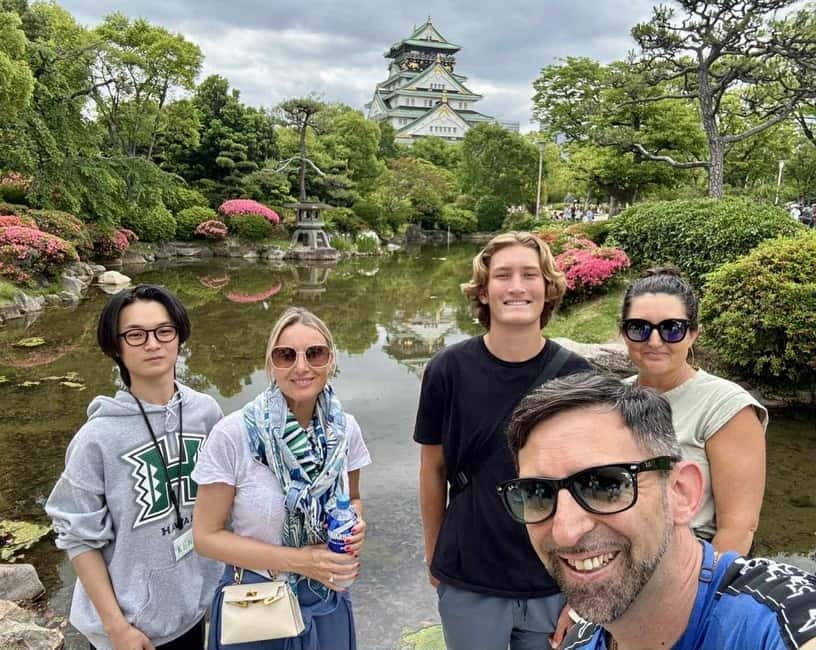
Your day starts with entry to Osaka Castle, one of Japan’s most iconic landmarks on Honshu. This is the spot where you can get your first big “wow” without needing extra planning. You’ll go into the castle area with a guide, which is a practical shortcut to understanding what you’re looking at.
Here’s what you should watch for as you walk:
- Castle exterior details and photo angles: bring your camera-ready mindset early, because lighting and views can shift fast as you move around.
- Museum and exhibits: the castle complex includes indoor space, which helps when Osaka weather changes.
- Castle grounds context: Osaka’s story doesn’t stay in textbooks. It shows up in the way the site is organized and interpreted.
What’s especially useful about a guided visit here is translation of context. Even if you already know Osaka’s famous names, the guide’s explanations help the site make sense as a single story. You’re not just collecting photos—you’re learning why the castle matters in Osaka’s identity.
A practical note: Osaka Castle can mean stairs and walking on uneven grounds depending on where you spend your time. The experience is marked as not suitable for people with back problems, so take that seriously.
Tea Ceremony and Calligraphy: Two Classic Arts, One Calm Reset
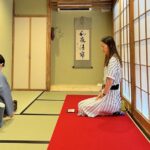
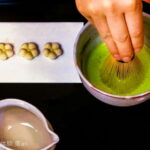
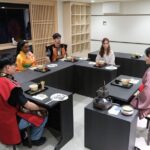
After the big landmark start, the tour slows down with a traditional tea ceremony and then a calligraphy session. This part is the heart of the “culture” in the day.
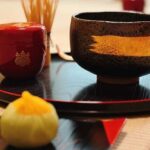
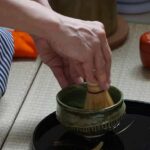
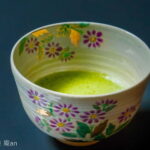
The tea ceremony gives you a chance to see how formality and attention work in everyday practice. Even if you don’t read Japanese, you’ll feel the structure through what the host does and how the room is set up. You’ll learn what’s happening and why it’s done that way, rather than just watching motions.
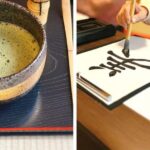
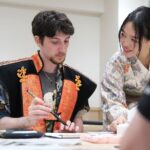
Calligraphy adds another layer. It’s not about becoming an artist in one stop. It’s about understanding how tools, posture, and focus change the final result. You get an experience that’s physical and straightforward: you practice a skill that has been passed down for generations.
Why this section is a smart use of your time:
- It teaches you something you can remember without needing deep background reading.
- It gives you a calmer contrast from sightseeing crowd energy.
- It turns you into a participant, not just a spectator.
If you care about photography, this is also a good moment to switch from wide shots to detail shots—hands, tools, the ink process, and the atmosphere around the ceremony.
Samurai Show and Traditional Instruments: Energy, Not Just Costumes
Next comes the samurai show and a hands-on segment where you can play traditional instruments. The instruments named for this experience are shamisen, koto, and shinobue, which is a big deal for variety.
Why I think this works so well:
- A show gives you a quick, high-impact introduction to a theme.
- Instrument time adds realism. You’ll see that these traditions are not just costumes and flags; they’re also sound and technique.
- It’s a good “reset” between heavier sightseeing and city walking.
If you’re traveling with kids, this is one of the best parts of the day. The experience notes that kids can enjoy the samurai experience with armor designed for them. That makes it less of a watch-and-wait situation and more of a real participation moment.
One more practical point: instrument sessions can mean being close to others and following the guide’s timing. If you’re someone who hates waiting, focus on this mindset: each segment is short and guided, so you’re not stuck in uncertainty.
Osaka’s Dōtonbori Finish: Street Food, Shopping, and Photo Time
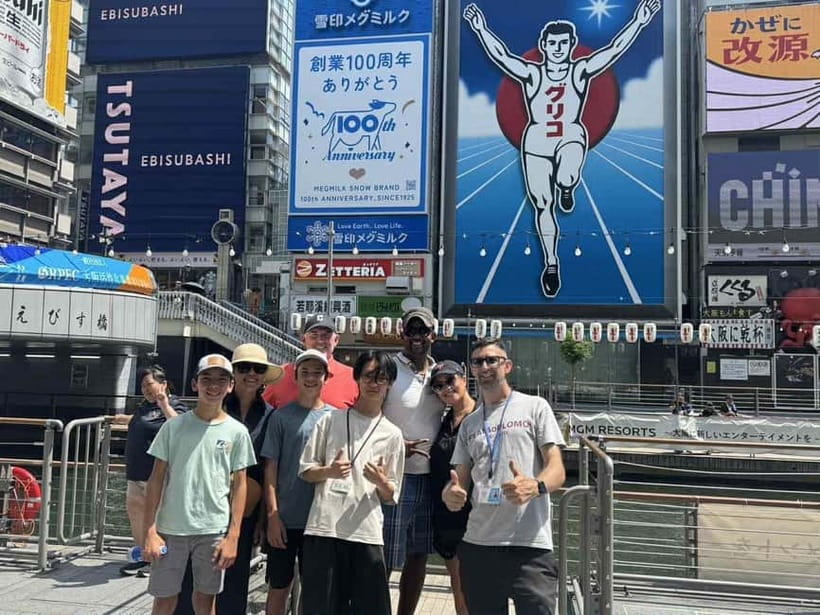
The tour ends with a visit to Dōtonbori, Osaka’s entertainment and street-food area. This is where your day turns casual. You’ll have time for photos, shopping, and tasting local delicacies—exactly the kind of flexible time that lets you choose what you’re in the mood for.
What to do when you arrive:
- Plan for walking. Dōtonbori is a place you experience by moving through it.
- If you want photos, head out with your phone/camera ready. Lights and signage change your results fast depending on where you stand.
- Pick one or two snack stops instead of trying to taste everything. You’ll enjoy it more, and you won’t end the day overfull.
This final stop is a strong value-add. Castle + tea + calligraphy are meaningful, but they can feel “inward.” Dōtonbori makes it outward again. It’s a chance to see Osaka in modern, street-level form.



Optional Samurai Armor and Kimono Add-Ons: Worth It If It’s Your Priority
The base experience includes a samurai show and participation elements like the traditional instruments. But two costume experiences cost extra:
- Samurai armor experience (additional fee): ¥4,820
- Kimono wearing (additional fee, women only): ¥4,820
These extras are explicitly not included in the base price. So you’ll want to decide early if you want the full “wear it and pose” moment.
Is it worth paying?
- If you came to Osaka partly for photos and want to look like you stepped into a period story, this add-on will likely be a highlight.
- If you prefer learning and don’t care about costume time, you can skip it and spend that money on food or souvenirs.
A small instruction that helps: tell the guide on the day or message via WhatsApp to include the extra. The fee is noted as valid until the end of August, so if you’re traveling after that window, confirm the current pricing when you book.
Price and Value: What $135 Really Covers
The price listed is $135 per person. What makes the value feel fair is that this isn’t only sightseeing. You’re paying for guided access to Osaka Castle plus multiple cultural activities that require staffing and equipment: tea ceremony, calligraphy, and a samurai show, plus traditional instrument play.
Let’s break down the included items in plain terms:
- Visit to Osaka Castle
- Japanese tea ceremony
- Japanese calligraphy
- Samurai show
- Playing traditional instruments
- Taking photos in samurai armor (optional)
And what’s not included:
- Samurai armor experience add-on: ¥4,820
- Kimono wearing add-on (women only): ¥4,820
So the big value question is this: do you want the costumed photo/armor moment? If yes, you’re effectively choosing between a base cultural day or a base-plus-costume day. Either can be worth it; just don’t assume the costume fee is already baked into the price.
Also, bring cash. The tour notes cash is required, so plan accordingly instead of scrambling at the last minute.
Meeting Point and Practical Tips (Without the Stress)
You start at the Osaka JOINER base on the B1 floor of Namba Walk (an underground shopping street), near Exit B23. The instructions say the shop is between the Mizuno shop and the Docomo shop.
Here’s how to reduce confusion:
- If you’re using nearby landmarks like Starbucks, the directions say to go to the other side.
- Arrive a few minutes early. Underground meeting points can feel easy once you’re there, but tricky when you’re still searching.
The tour is in English. That’s a big plus for the tea ceremony and calligraphy segments, where context makes the experience work.
Smoking indoors is not allowed, so you’ll want to step outside if you need a break.
The tour isn’t suitable for people over 70 and not suitable for people with back problems, so if either of those apply, you should choose a different format.
Who Should Book This Osaka Experience
This tour fits best if you want a day that feels like Osaka at multiple speeds: grand landmark, calm cultural practice, performance and sound, and then city energy at the end.
You’ll probably enjoy it most if you:
- Like hands-on cultural activities (tea and calligraphy), not only photos
- Want a structured plan that reduces “what should we do next” fatigue
- Are traveling with kids who can use the kid-friendly armor experience
- Care about learning through a guide’s explanations, especially in English
You might reconsider if you:
- Have mobility limitations or back issues (the tour notes it’s not suitable)
- Are worried about extra costs for costume add-ons (samurai armor and kimono are separate fees)
Should You Book? My Simple Decision Guide
Book it if you want a full Osaka day that blends Osaka Castle, participation in tea and calligraphy, a samurai show, instrument time, and then real-world street life in Dōtonbori. The price feels reasonable because you’re not paying just for entry tickets—you’re paying for taught experiences.
Pass or switch plans if you only want “see the sights, walk around a bit” with no interest in tea/calligraphy or instrument play, or if the optional armor/kimono add-ons don’t fit your budget.
If you’re the type who likes making photos and learning something useful while you make them, this is a strong choice.
FAQ
What does the $135 per person price include?
It includes a visit to Osaka Castle, a Japanese tea ceremony, Japanese calligraphy, a samurai show, playing traditional instruments, and taking photos in samurai armor (optional).
Is samurai armor included in the base price?
No. The samurai armor experience is an additional fee of ¥4,820. You need to choose the option and pay that extra cost.
Is kimono wearing included?
No. Kimono wearing is an additional fee of ¥4,820 and it is woman only. You need to choose the option.
How do I add the optional samurai armor or kimono experience?
Tell the guide on the day or inform the team via WhatsApp to include it for you.
Where is the meeting point?
You meet at the Osaka JOINER base on B1 floor Namba Walk (underground shopping street) near Exit B23, between the Mizuno shop and Docomo shop.
Do I need cash?
Yes. The experience lists cash as something to bring.
What language is the tour in?
The tour is in English.
Is the tour suitable for everyone?
It is marked as not suitable for people with back problems and not suitable for people over 70.
Does the tour allow smoking indoors?
No. Smoking indoors is not allowed.