REVIEW · OSAKA
Osaka:Zen Tea Ceremony and Foot Bath Experience<45min>
Book on Viator →Operated by Japanese Massage 唯一無二-the one & only- · Bookable on Viator
A quiet temple experience in Osaka feels like a reset button. You get a matcha tea ceremony and a cooling foot bath with light massage, all set inside a temple space where worship and incense are part of the flow.
What I like most is how the staff bring the ritual down to earth with clear explanations—temple origins, how worship works, and even what you’re doing step by step. A second highlight is the small-group feel (maximum 3 travelers), plus smartphone photos taken for you and shared afterward, so you leave with keepsakes without interrupting your calm.
One consideration: because the experience includes incense offering and meditation steps, it may not feel ideal if you’re sensitive to smoke scents or you’d rather avoid religious practices.
In This Review
- Key things to know before you go
- Where this Zen ceremony happens in Osaka
- The 45-minute temple ritual: worship, incense, and guided calm
- Matcha in a temple: what you’ll actually do and taste
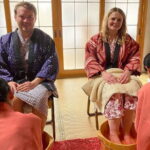
- The foot bath with scrub massage: the body reset you feel quickly
- Kimono or yukata feel, plus photos that you don’t have to steal time for
- Staff who set the tone (and the one name I’d remember)
- Price and value: what $42.35 buys you in the real world
- Best times and who this suits
- Practical tips: how to prepare so you enjoy every step
- Should you book this Zen tea ceremony and foot bath experience?
- FAQ
- How long is the tea ceremony and foot bath experience?
- What is included in the experience?
- Do you get photos during the experience?
- How many people are in the group?
- What is the price and ticket format?
- Is there a cancellation policy?
- Are service animals allowed?
Key things to know before you go
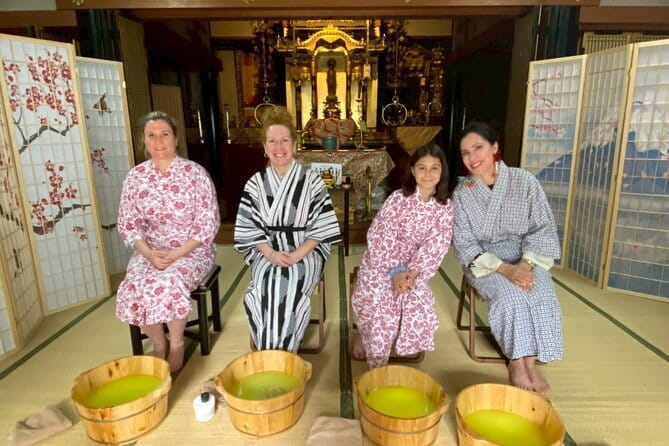
- Tea + worship in a real temple setting: incense offering, kneaded incense, and meditation are built into the session.
- Foot bath with scrub massage: you cool down and get a gentle massage right after the ritual.
- Matcha with wagashi included: you’ll enjoy matcha plus Japanese sweets as part of the ceremony.
- Small group experience (max 3): more attention, less rushing, and a calmer atmosphere.
- Staff take your smartphone photos: they help capture the moment and then give you the images.
Where this Zen ceremony happens in Osaka
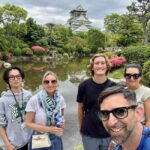
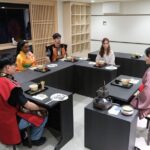
This experience takes place in Osaka at a temple atmosphere that’s peaceful on purpose. The meeting point is Tossa de coracao, 1-chōme-6-19 Kitahorie, Nishi Ward, Osaka. From there, you’ll be guided through the session until it ends right back at the starting point.
The setting matters here. In the reviews, people call out that it’s done in an old temple—one guest specifically mentioned a 500-year-old temple, and that context changes how you experience the tea. Instead of a staged show, you’re in a space designed for worship, gratitude, and stillness.
If you’re trying to balance Osaka’s food-energy with something slower, this gives you a different rhythm for about an hour total.
You can also read our reviews of more tours and experiences in Osaka.
The 45-minute temple ritual: worship, incense, and guided calm
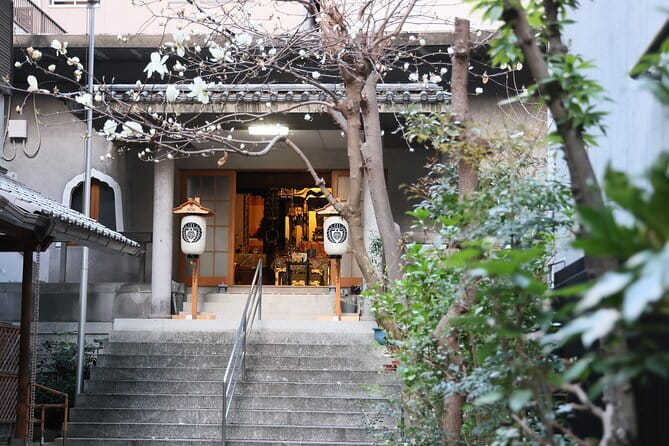
The core “tempo” of this experience is about teaching you what you’re doing—so you’re not standing there translating your brain in real time.
You’ll start with the staff explaining:
- the temple and its origins
- how to worship in this setting
- the meaning behind matcha and its place in the tradition
Then the session moves into the practical parts of the ritual. Included steps are:
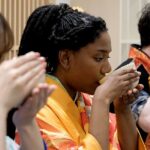
- worship and incense offering
- applying kneaded incense and meditation
That wording can sound a little formal, but the intent is simple: you’re participating in a traditional routine while someone walks you through it. The staff also use guidebooks during the explanation, which is helpful if you want something more concrete than just verbal guidance.
Even if you don’t practice Buddhism at home, you can still appreciate the care and patience in the movements. And if you’re the kind of traveler who loves hands-on culture (not just watching), you’ll probably feel right at home.
Matcha in a temple: what you’ll actually do and taste
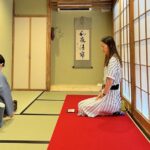
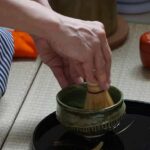
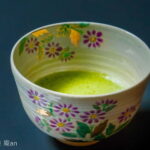
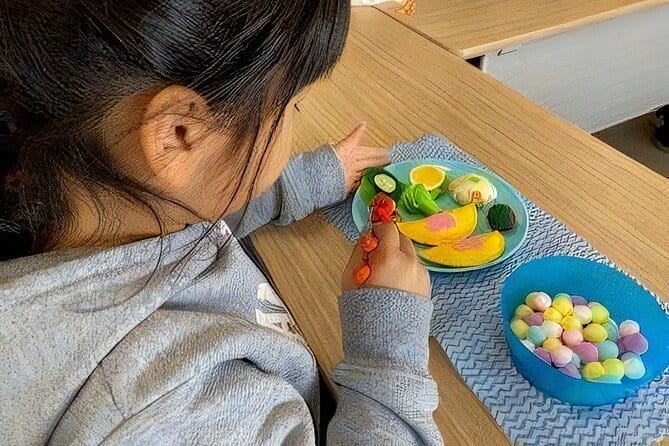
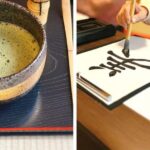
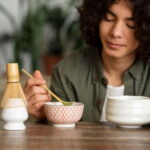
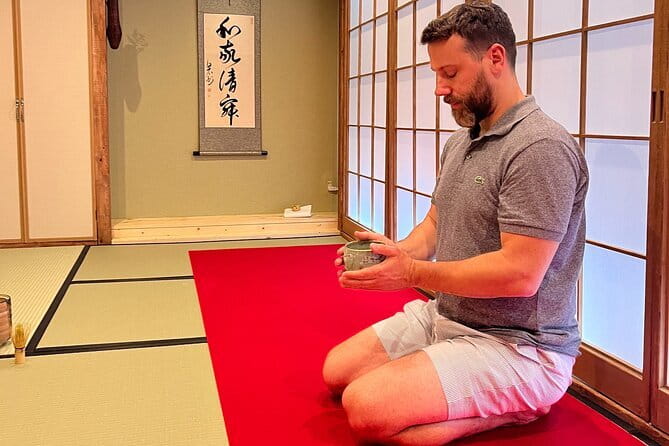
After the worship steps, the tea ceremony becomes the main event. You’ll learn the traditional way of preparing matcha in this quiet temple environment.
A few practical points from how the experience is described:
- The staff explain the traditions and history of matcha so you understand what you’re tasting.
- You’ll get matcha experience time rather than a quick sip and goodbye.
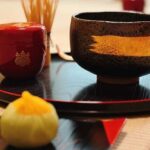
- You’ll also enjoy Japanese wagashi (sweets) during the tea moment.
The review highlights are consistent here: people love that it feels both physically and mentally invigorating. One person called out how the ceremony and the kimono experience tied together nicely, and another praised the overall calm.
One small caution: because wagashi is included, if you have allergy concerns, it’s worth thinking ahead and asking questions in advance. The data doesn’t list dietary customization, so don’t assume there’s flexibility.
The foot bath with scrub massage: the body reset you feel quickly
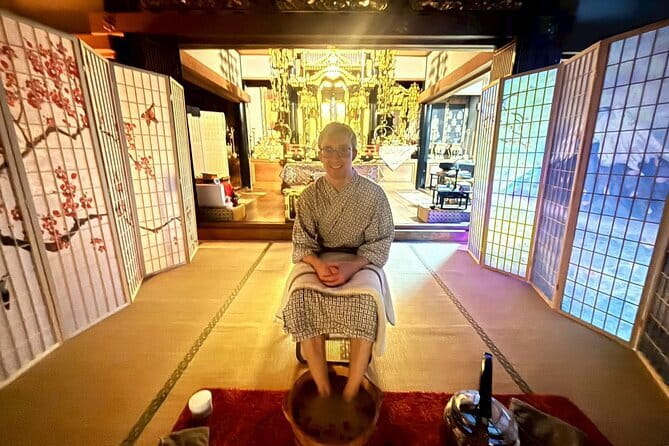
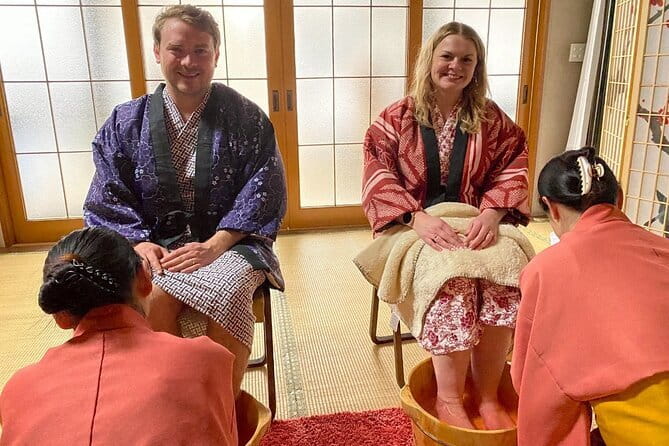
After incense and meditation steps, the foot bath portion works like a release valve. The experience includes a:
- cooling foot bath
- scrub massage (light massage as part of the routine)
I like this pairing because it’s not just relaxation theater. It’s a practical comfort after time on your feet in Osaka. The cooling water plus a gentle scrub massage can make the whole experience feel more “real” in the moment, not only ceremonial.
In the reviews, the foot bath gets real praise, especially as a relaxing follow-up to the tea. People describe the whole session as rejuvenating—both mentally and physically—at a price that feels reasonable when you compare it to other cultural experiences that only do one part (either tea or massage) without the integrated calm.
Kimono or yukata feel, plus photos that you don’t have to steal time for
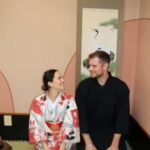
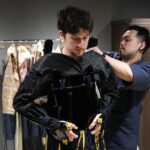
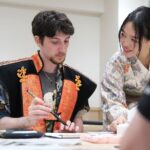
One of the enjoyable surprises in the reviews is the traditional clothing component. Guests mentioned switching into yukata (and others referenced kimono as part of the ceremony experience). Even if you’ve worn something like this before, it changes your posture and pace. You slow down without needing to try.
Another win: the staff take photos with your smartphone and then give them to you. That matters more than it sounds. If you’ve ever done a tea class where you’re stuck waving a phone at awkward angles while the tea moment moves on, you’ll appreciate this setup.
Also, the atmosphere feels deliberately calm. That’s why the small group limit (max 3 travelers) is more than a number—it helps keep the space quiet enough for the ritual to land.

Staff who set the tone (and the one name I’d remember)
Service is a big part of whether a cultural experience feels respectful or rushed. Here, the staff come through in the details.
One review specifically named Arisa, describing her as gentle and kind during the massage and matcha ceremony. That kind of language usually points to the staff balancing care with competence—steady guidance when you need it, and space when you want to just breathe and watch.
The fact that the staff also explain temple worship and matcha using guidebooks suggests you won’t be left guessing what the steps are for. You’re not just participating—you’re understanding.
Price and value: what $42.35 buys you in the real world
At $42.35 per person, this isn’t a budget bargain, but it also isn’t priced like a luxury spa day. You’re paying for a combined package:
- a temple-based tea ceremony
- matcha plus wagashi
- incense/worship and meditation-style steps
- a foot bath plus scrub massage
- photo support using your smartphone
If you were to separate those individually—tea class + sweets + massage + temple-style cultural guidance—you’d likely spend more and still miss the integrated calm.
Also, the experience is designed for a small group (max 3) and runs about 1 hour total. The “tea ceremony & foot bath” segment is described as about 45 minutes, which fits nicely into a day of Osaka sightseeing without turning the rest of your afternoon into a blur.
In short: it’s good value if you want a full sensory reset, not just a quick matcha stop.
Best times and who this suits
This works well if you’re looking for:
- a slower pace after busy Osaka neighborhoods
- a hands-on cultural moment with clear guidance
- something relaxing that still feels meaningful
It’s also a nice option if your group is small. With up to three travelers, the experience can feel personal rather than assembly-line.
From the review tone, I’d say this is especially good for people who appreciate both:
- the spiritual side (incense offering and meditation steps)
- the physical comfort (foot bath and massage)
If you strongly dislike religious practices or incense scents, you might want to skip this. That’s the main fit issue.
Practical tips: how to prepare so you enjoy every step
Here’s how I’d plan your day around it:
- Wear something comfortable for changing. Reviews mention switching into traditional clothing like yukata, so you’ll want clothes that are easy to adjust.
- Keep your smartphone charged. The staff take photos with it and share them, so it helps to arrive with battery life.
- Go in with a flexible attitude toward incense. The session includes incense offering and kneaded incense steps, so plan mentally for that sensory element.
- Give yourself time before and after. Since it’s about an hour total, treat it like a small reset block—don’t stack it right between demanding reservations.
If you’re traveling as a solo guest, that also seems to be a positive setup. One review mentioned having undivided attention, which fits the small group limit.
Should you book this Zen tea ceremony and foot bath experience?
I’d book it if you want a calm, guided, temple-based tea moment that also treats your body afterward. The strongest reasons to go are the combination of matcha + wagashi, a temple setting, and the foot bath with scrub massage—all delivered in a small group.
I’d skip it if you:
- don’t enjoy incense or religious practice elements
- want a purely secular cooking-style tea class
- are looking for something much longer than about an hour
For everyone else, it’s a smart way to add depth to an Osaka trip without losing your whole day.
FAQ
How long is the tea ceremony and foot bath experience?
The tea ceremony and foot bath portion is described as about 45 minutes, and the overall activity is about 1 hour (approx.).
What is included in the experience?
It includes worship and incense offering, applying kneaded incense and meditation, a cooling foot bath with scrub massage, and a matcha experience including Japanese wagashi.
Do you get photos during the experience?
Yes. Staff take photos with your smartphone during the experience and gift them to you.
How many people are in the group?
The experience has a maximum of 3 travelers.
What is the price and ticket format?
The price is $42.35 per person, and you receive a mobile ticket.
Is there a cancellation policy?
Free cancellation is offered. You can cancel up to 24 hours in advance for a full refund; cancellations within 24 hours are not refunded.
Are service animals allowed?
Yes, service animals are allowed.
If you tell me your travel dates and whether you prefer quiet cultural experiences or more hands-on activities, I can help you decide if this fits best into your Osaka schedule.